



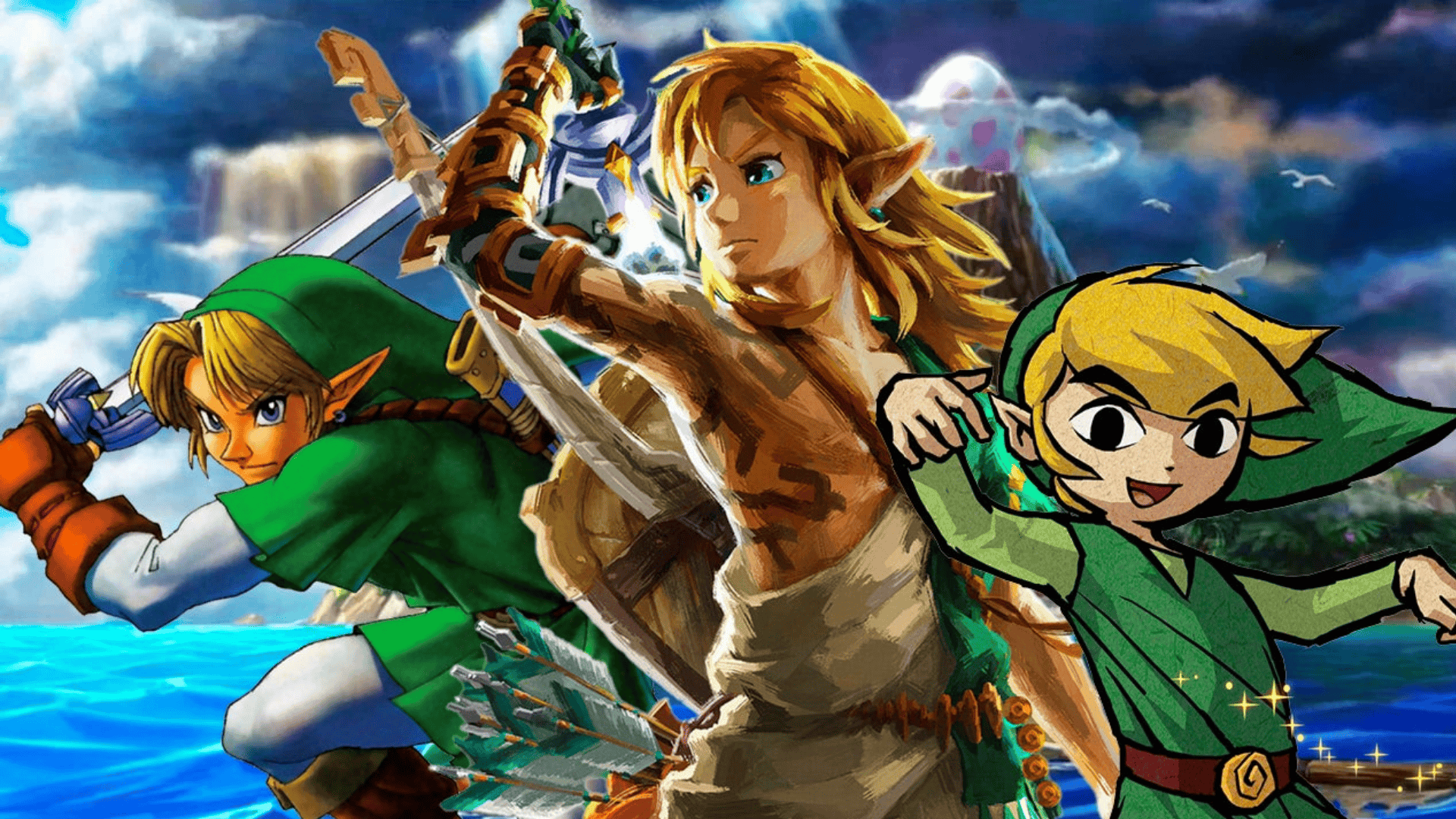
Searching for the best Zelda games ranked is almost a tradition among Nintendo fans like me.
With nearly four decades of history, the Legend of Zelda games have delivered unforgettable adventures, iconic soundtracks, and worlds that reward my curiosity and creativity every time I play.
Some titles changed gaming forever for me, while others refined what already worked, giving me deeply personal and emotional experiences.
From classic dungeon-based adventures to modern open-world epics, deciding which entries truly belong among my favorite Zelda games is never easy.
Opinions differ, but certain titles consistently rise to the top for me thanks to their innovation, storytelling, and lasting influence.
Below is my carefully ordered ranking of the mainline Zelda games, reflecting long-standing critical consensus, fan appreciation, and my own countless hours diving into Hyrule.
My Definitive Ranking of Mainline Legend of Zelda Games
Spanning decades of innovation, these mainline Legend of Zelda games showcase the series’ evolution, creativity, and lasting influence on my gaming life.
1. The Legend of Zelda: Ocarina of Time (1998)
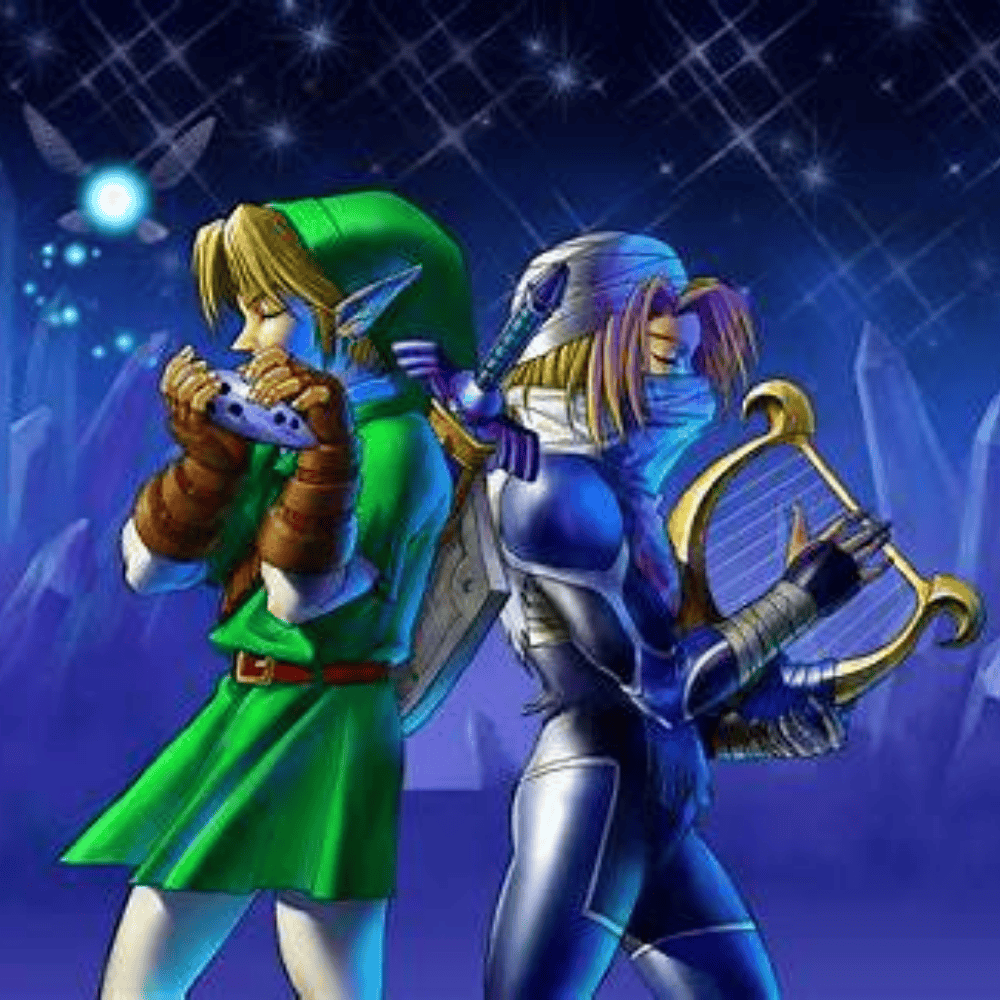
I often consider Ocarina of Time the greatest video game ever created. It transformed the Legend of Zelda series for me by successfully bringing it into 3D.
Its lock-on combat system, time-travel storytelling, unforgettable music, and expertly designed dungeons influenced generations of games and still feel remarkably polished whenever I revisit it.
2. The Legend of Zelda: Breath of the Wild (2017)
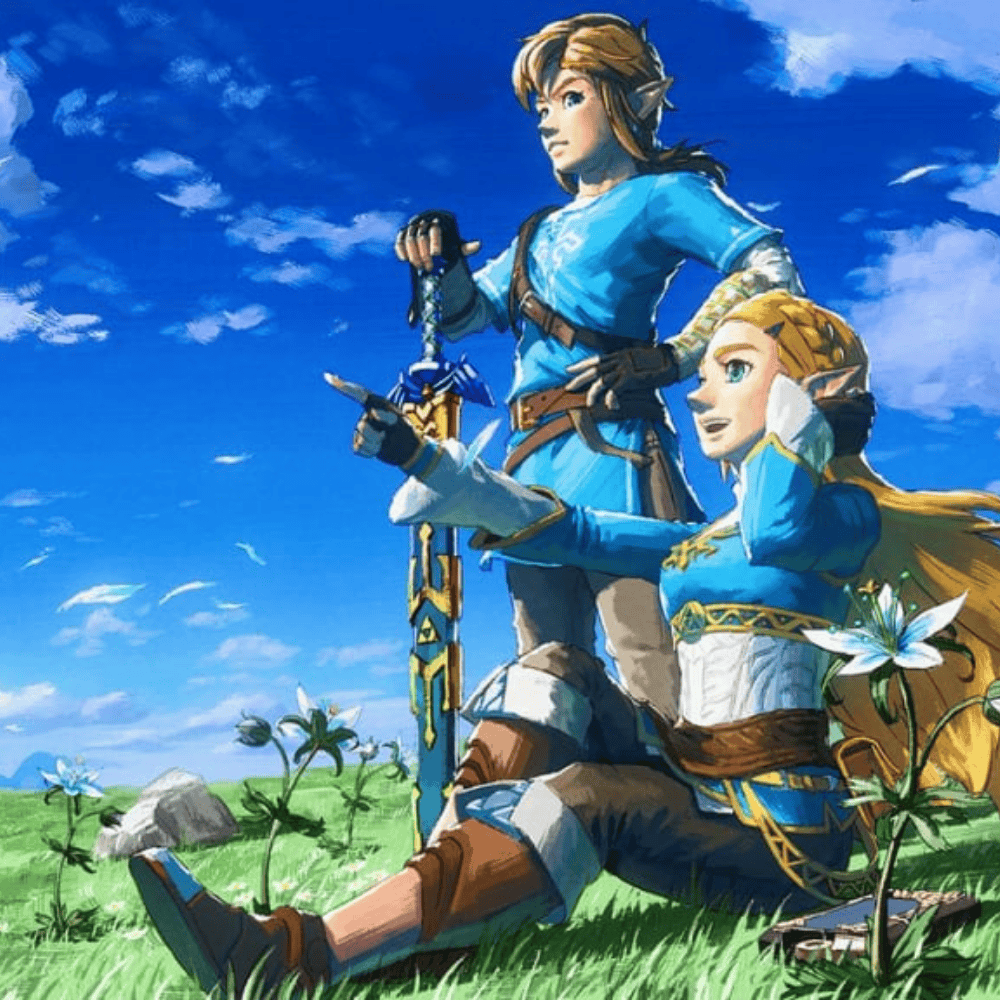
Breath of the Wild redefined what I expect from open-world adventures. Instead of guiding me step by step, it rewards my curiosity, experimentation, and creativity.
Its physics-based systems, survival mechanics, and sense of freedom helped it earn a permanent spot among my all-time favorite Zelda games.
3. The Legend of Zelda: Tears of the Kingdom (2023)
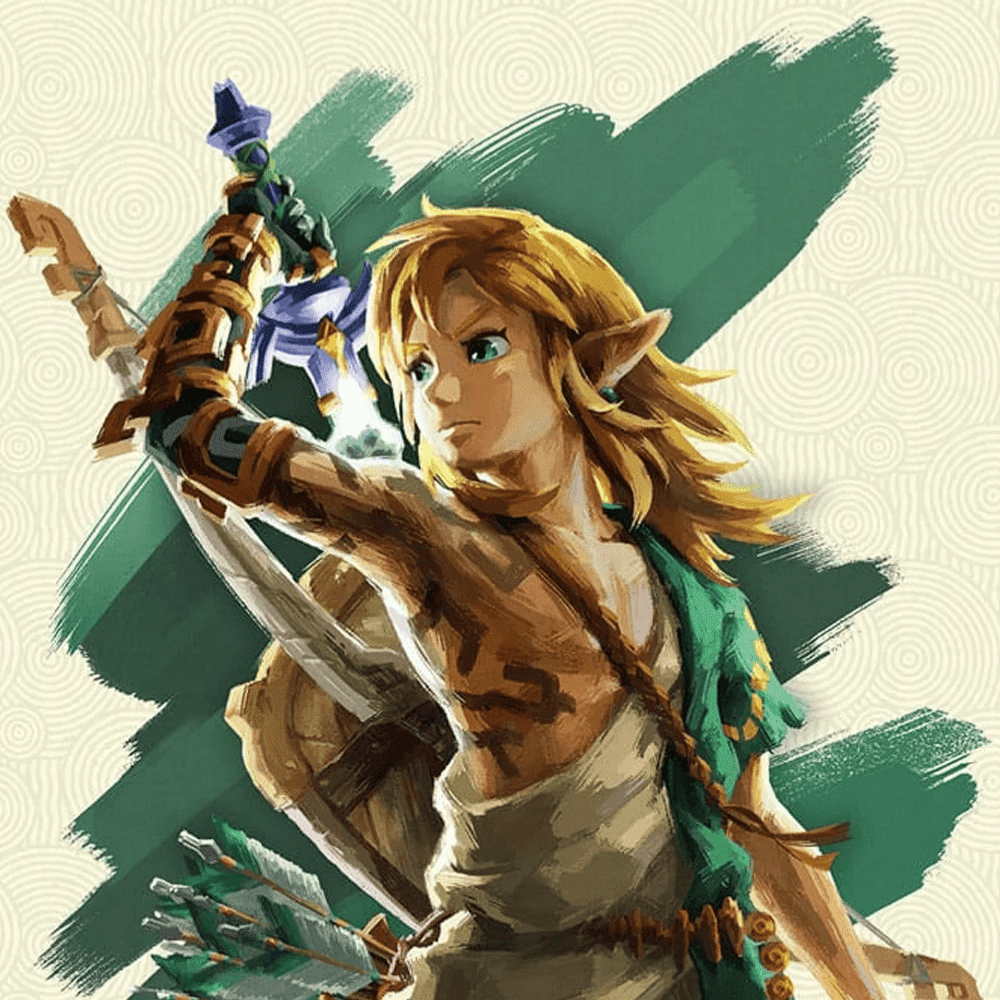
Building on the foundation of Breath of the Wild, this sequel expanded Hyrule vertically and mechanically for me.
With sky islands, underground depths, and advanced building mechanics, Tears of the Kingdom gave me unprecedented creative control, making exploration and problem-solving more personal than ever before.
4. The Legend of Zelda: A Link to the Past (1991)
This Super Nintendo classic established the blueprint for traditional Zelda gameplay that I still love.
Featuring iconic dungeon design, balanced combat, and the introduction of parallel worlds, A Link to the Past remains a masterclass in pacing and structure that continues to influence how I appreciate modern Legend of Zelda games.
5. The Legend of Zelda: Majora’s Mask (2000)
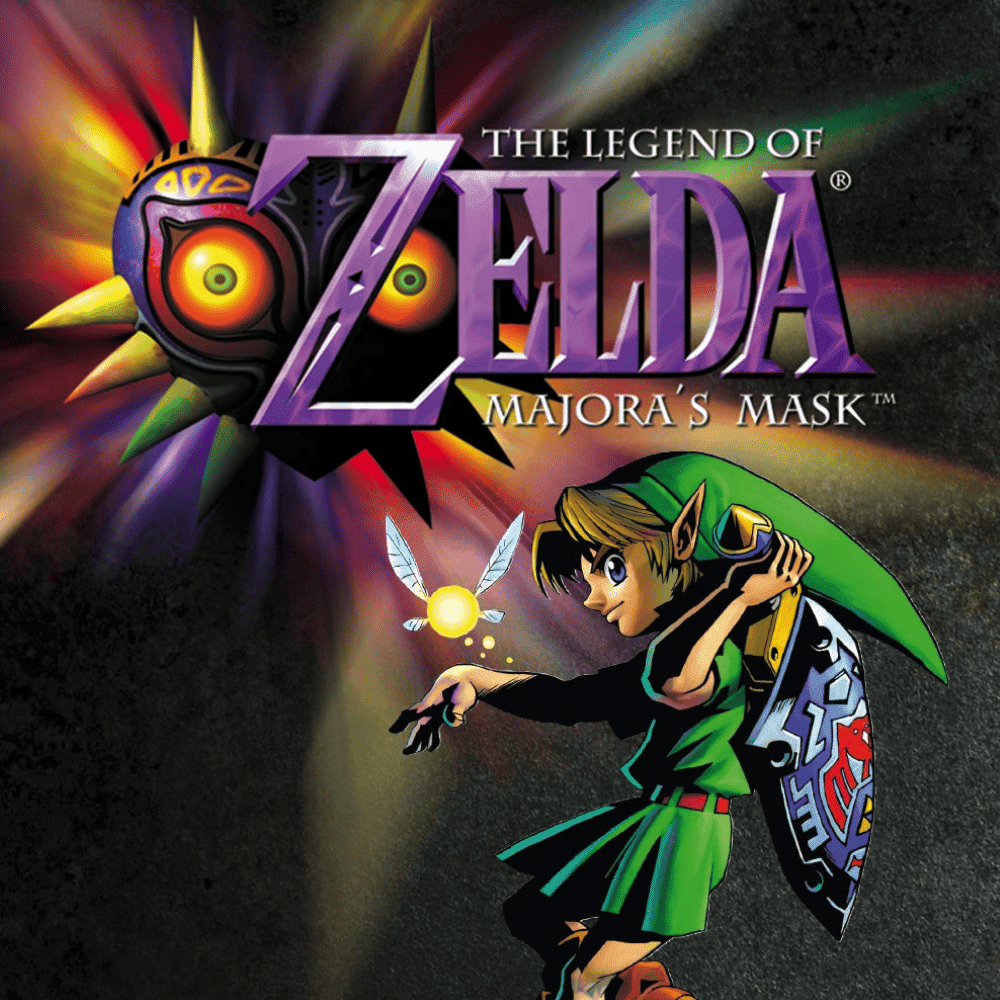
Unlike any other Zelda title, Majora’s Mask focused heavily on emotion, loss, and the passage of time in a way that hit me hard.
Its three-day loop created urgency, while deeply personal side stories gave the world a haunting atmosphere that still stands out as one of the series’ boldest creative risks for me.
6. The Legend of Zelda: The Wind Waker (2002)
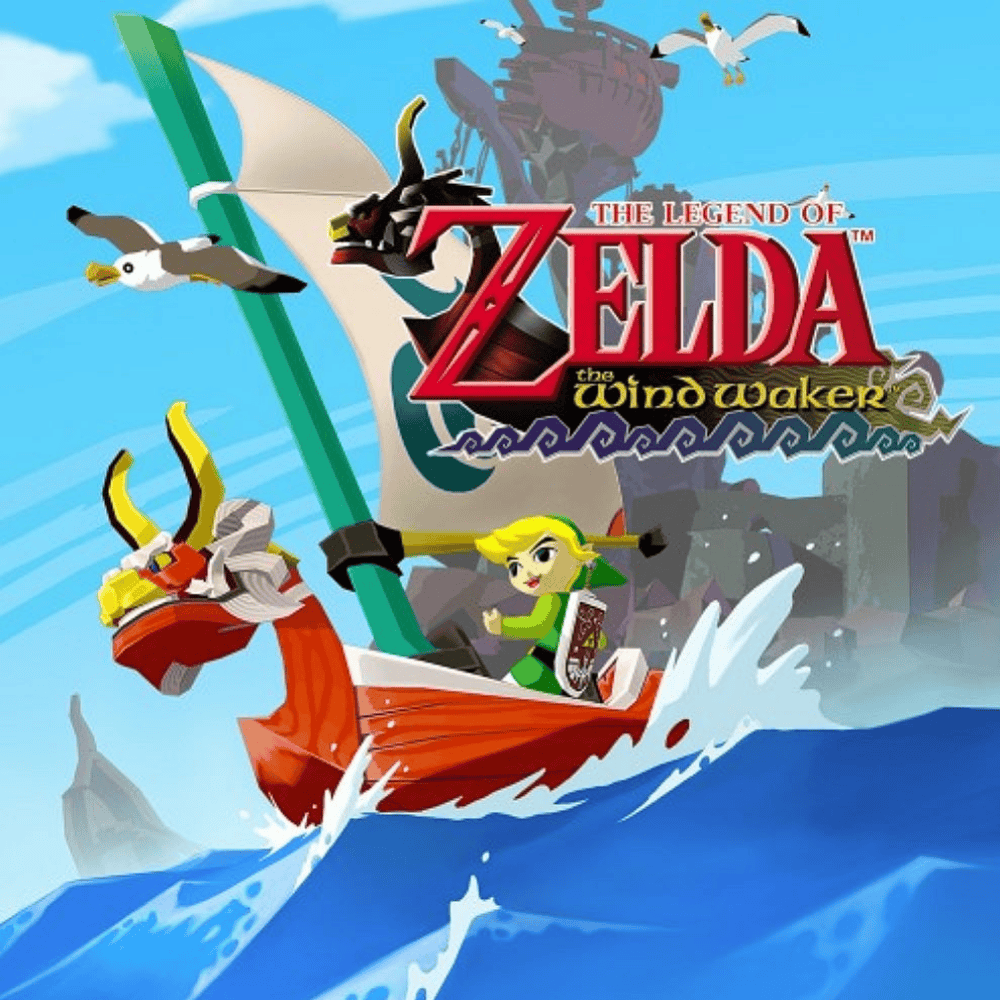
Initially misunderstood due to its art style, The Wind Waker is now widely praised, and I agree, for its expressive visuals and emotional storytelling.
Sailing across the Great Sea created a strong sense of adventure for me, while its timeless presentation has allowed the game to age better than many of its peers.
7. The Legend of Zelda: Twilight Princess (2006)
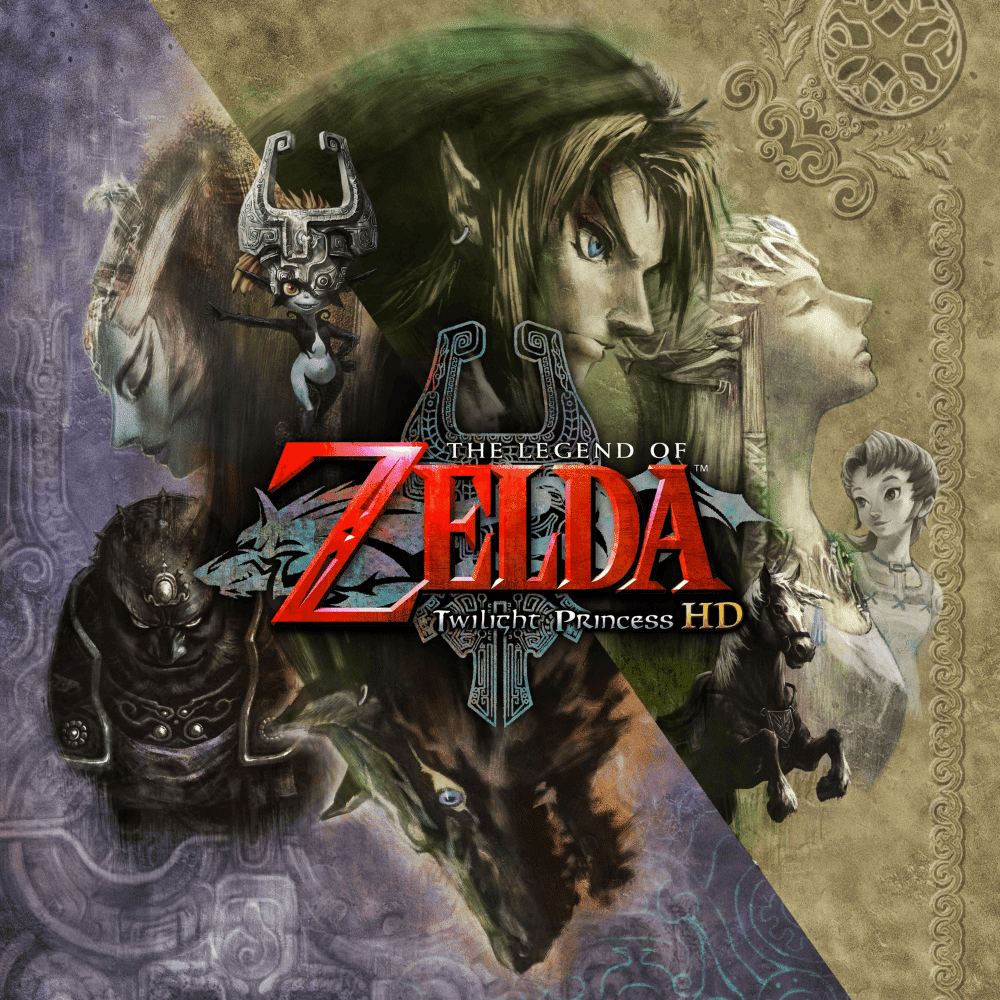
With a darker tone and cinematic presentation, Twilight Princess appealed to my desire for a more mature Zelda experience.
It delivered large, memorable dungeons, dramatic boss battles, and a sweeping story that felt like a grand evolution of the traditional Zelda formula.
8. The Legend of Zelda: A Link Between Worlds (2013)
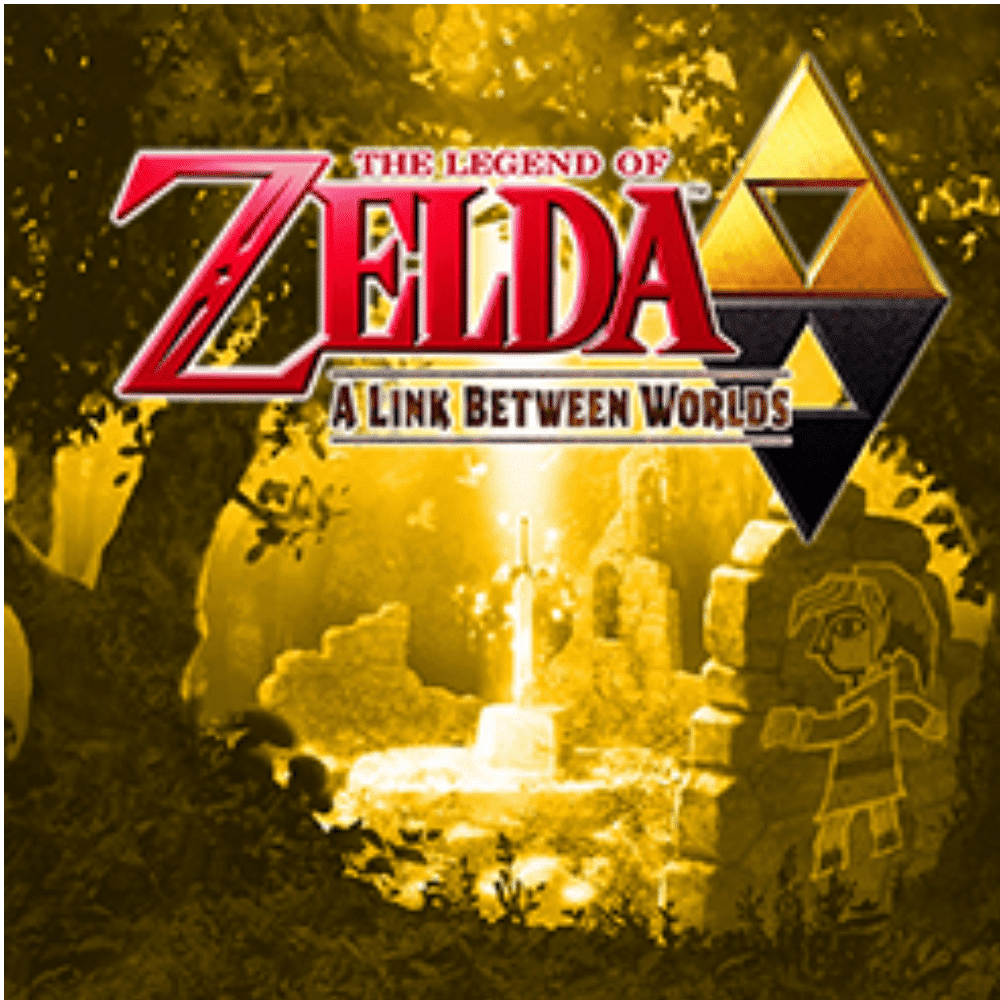
This Nintendo 3DS entry cleverly modernized classic Zelda design for me by allowing players to merge into walls.
The mechanic encouraged creative puzzle-solving and non-linear progression, making it feel fresh while still honoring the legacy of A Link to the Past.
9. The Legend of Zelda: Skyward Sword (2011)
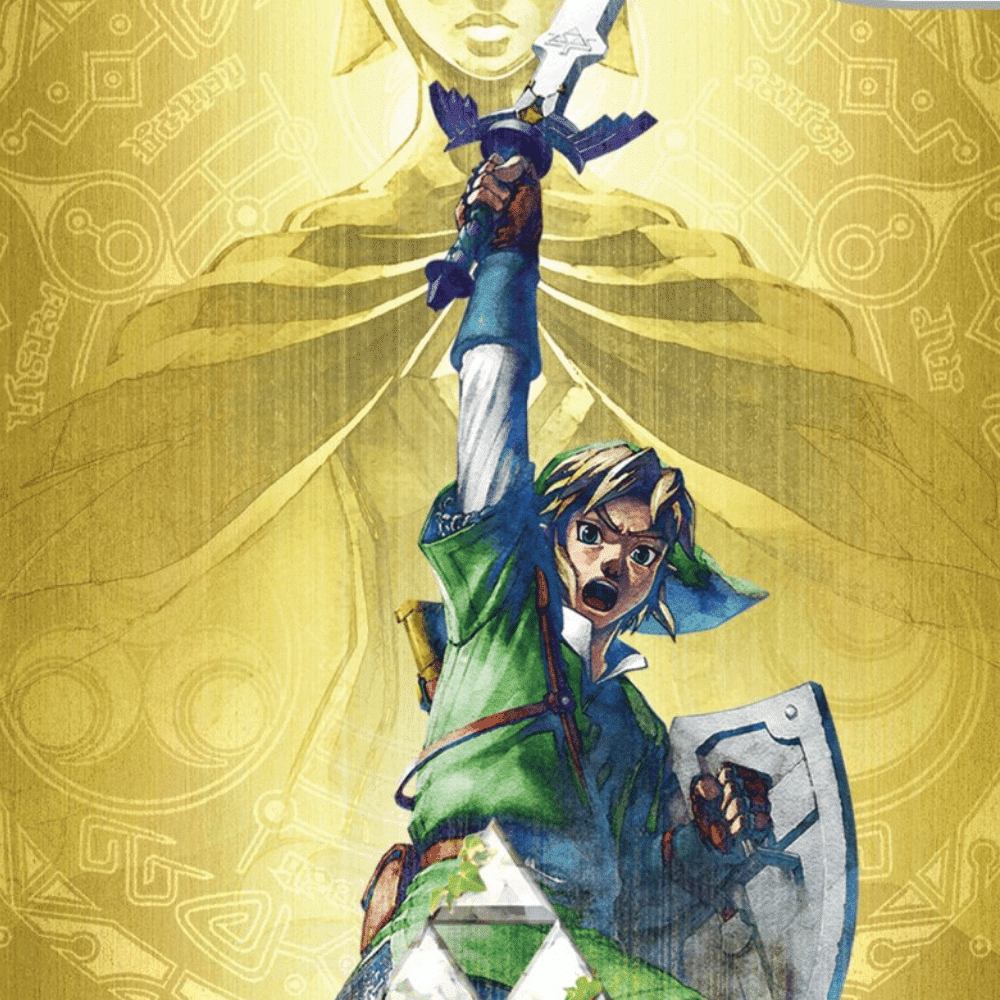
Serving as the origin story of the Zelda timeline, Skyward Sword placed strong emphasis on narrative and character relationships that resonated with me.
Its motion-controlled combat divided players, but its inventive dungeons, emotional story beats, and memorable soundtrack have earned it growing appreciation from me over time.
10. The Legend of Zelda: Link’s Awakening (1993)
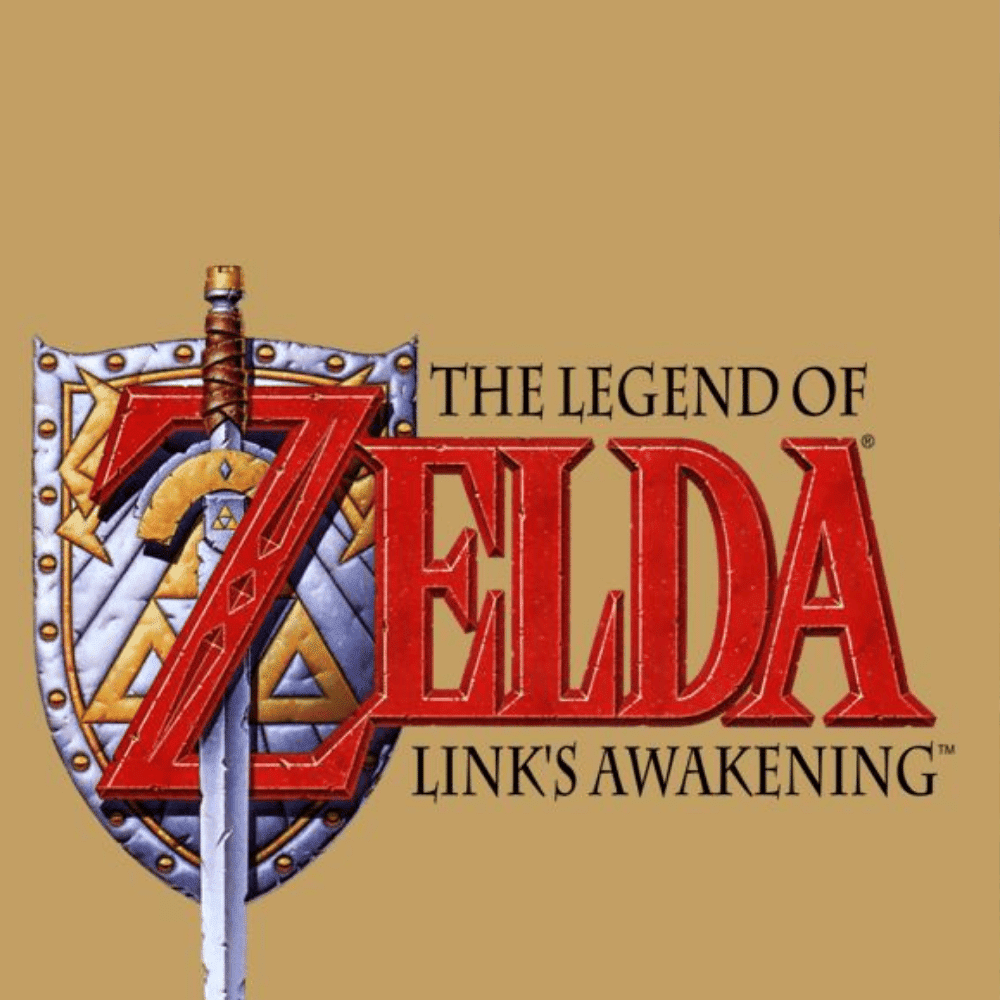
Originally released on the Game Boy, Link’s Awakening surprised me with its surreal tone and emotional ending.
Its smaller world encouraged my exploration, while its story proved that even a handheld Zelda game could deliver a deeply meaningful and memorable experience.
11. The Legend of Zelda (1986)
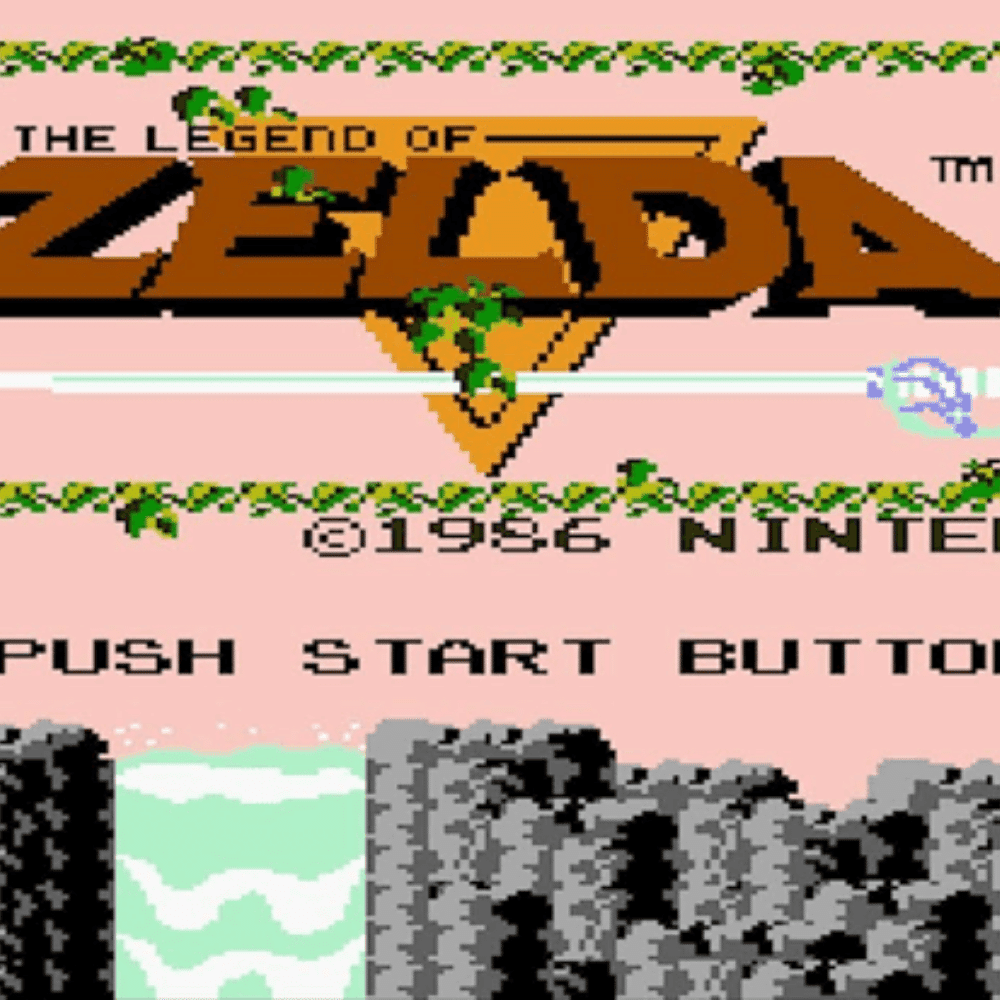
The original Legend of Zelda introduced me to open-ended exploration with minimal guidance.
Dropping me into Hyrule with little direction encouraged experimentation and discovery, laying the foundation for everything that would later define my favorite Zelda games.
12. The Legend of Zelda: Oracle of Ages (2001)
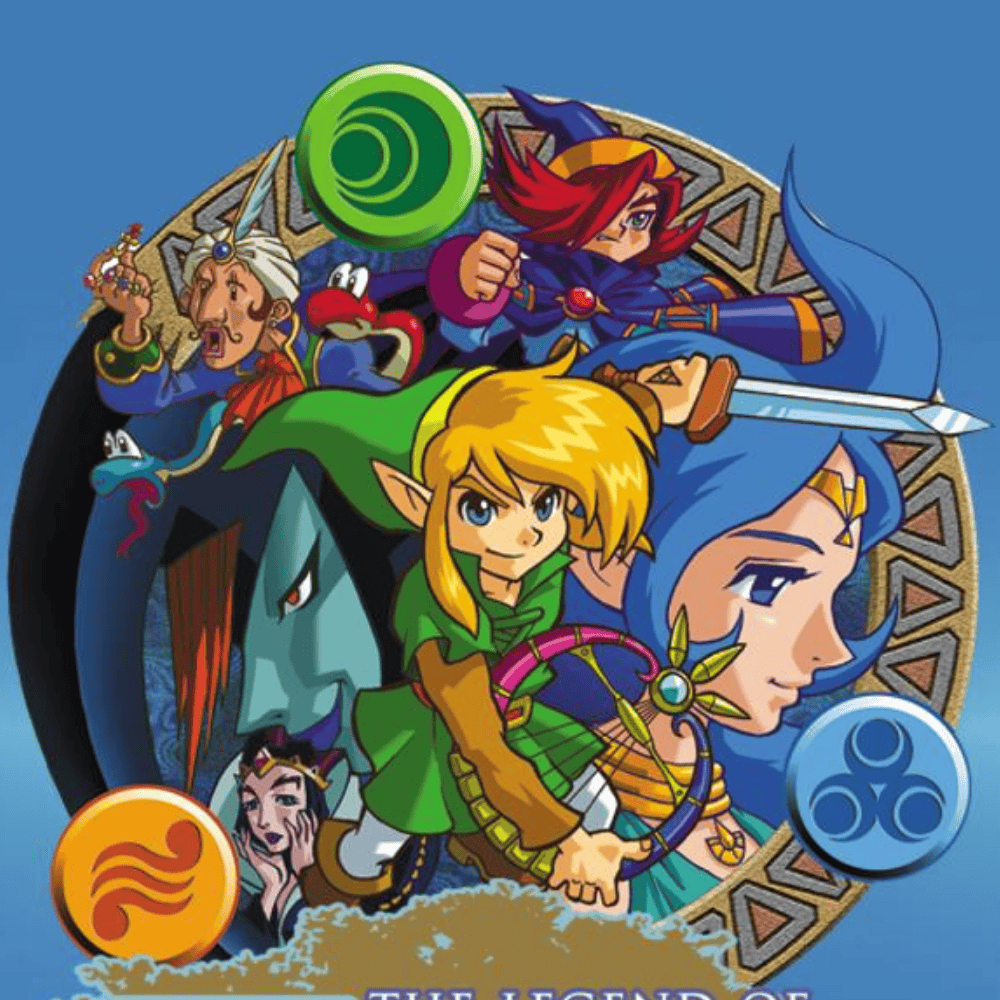
Focused heavily on puzzles, Oracle of Ages challenged me with time-based mechanics and complex dungeon layouts.
Its emphasis on problem-solving made it one of the more demanding handheld Zelda games for me, especially when experienced alongside its companion title.
13. The Legend of Zelda: Oracle of Seasons (2001)
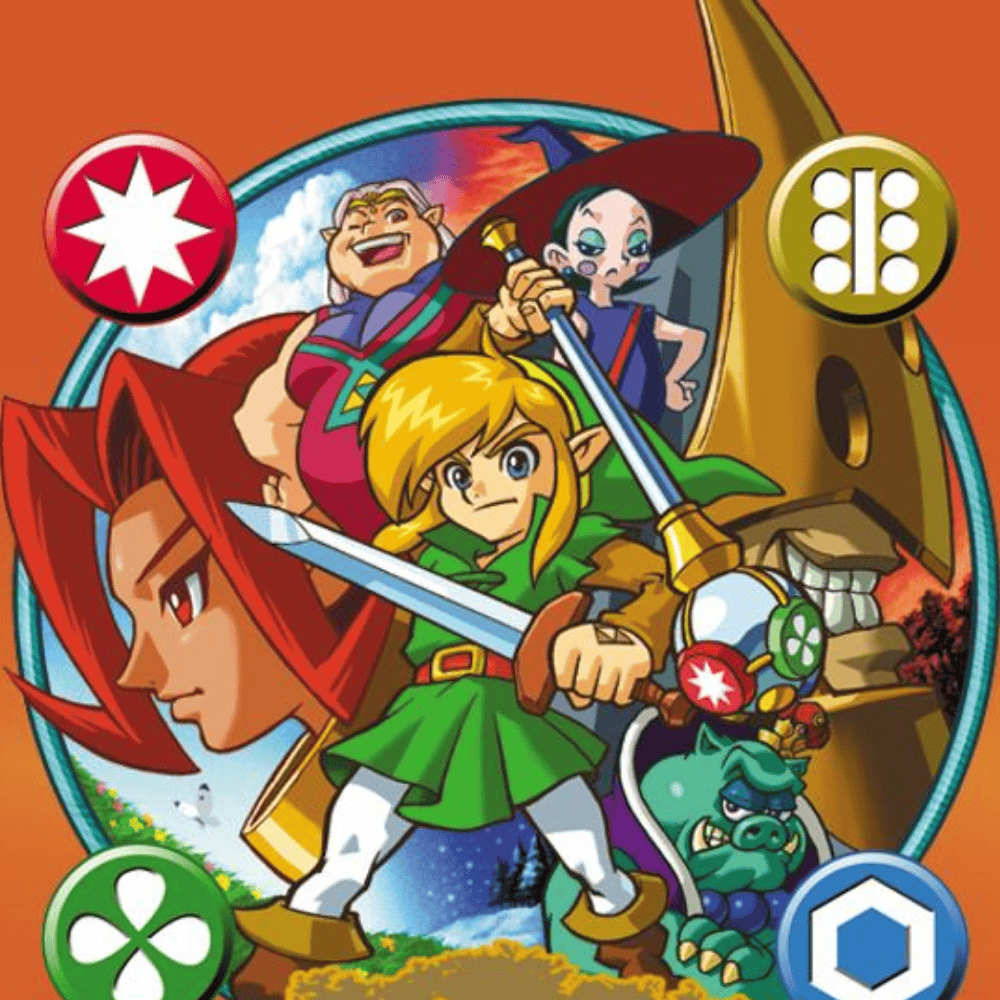
More action-oriented than Ages, Oracle of Seasons allowed me to change the world by shifting seasons.
This mechanic altered enemy behavior, environments, and puzzles, creating fast-paced gameplay that appealed to my preference for combat-focused Zelda experiences.
14. The Legend of Zelda: Minish Cap (2004)
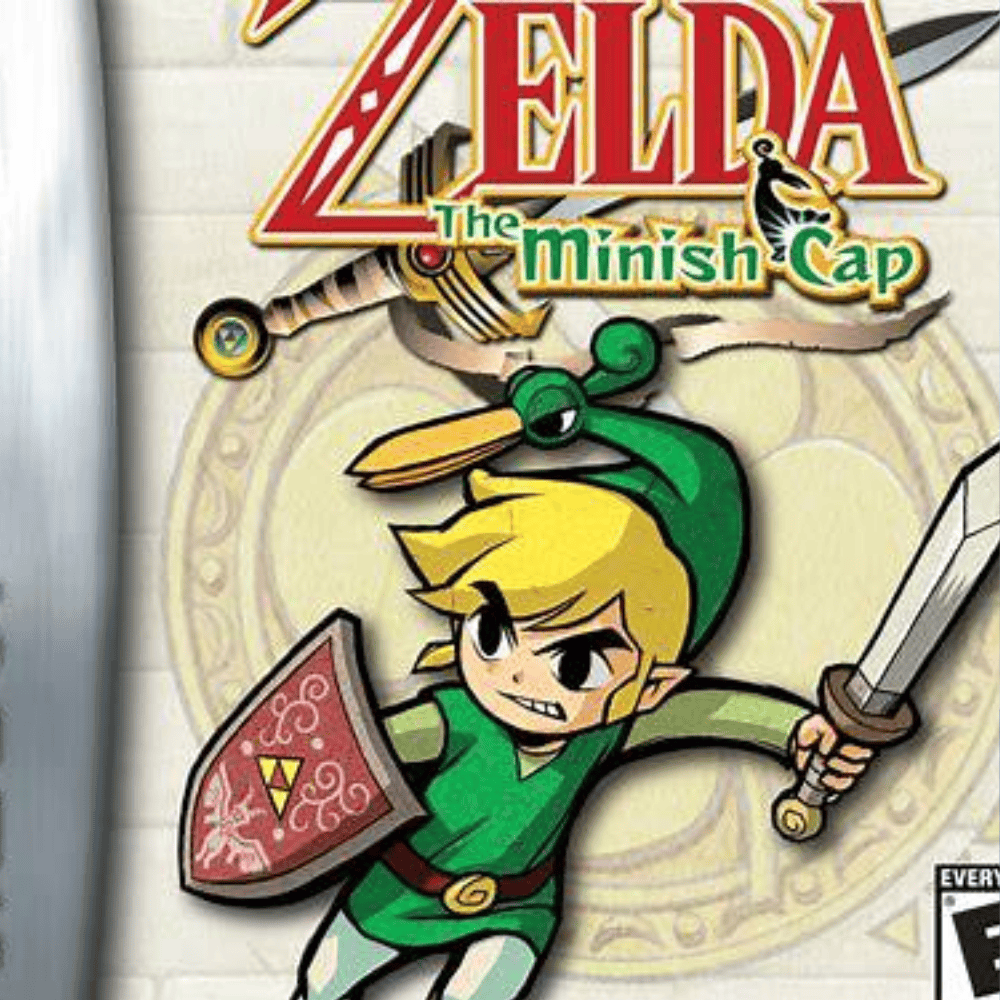
With its vibrant art style and size-changing mechanic, Minish Cap brought a playful twist to top-down Zelda gameplay. ‘
Shrinking down to explore tiny environments added creativity and variety, making the world feel fresh and full of hidden secrets.
15. The Legend of Zelda: Phantom Hourglass (2007)
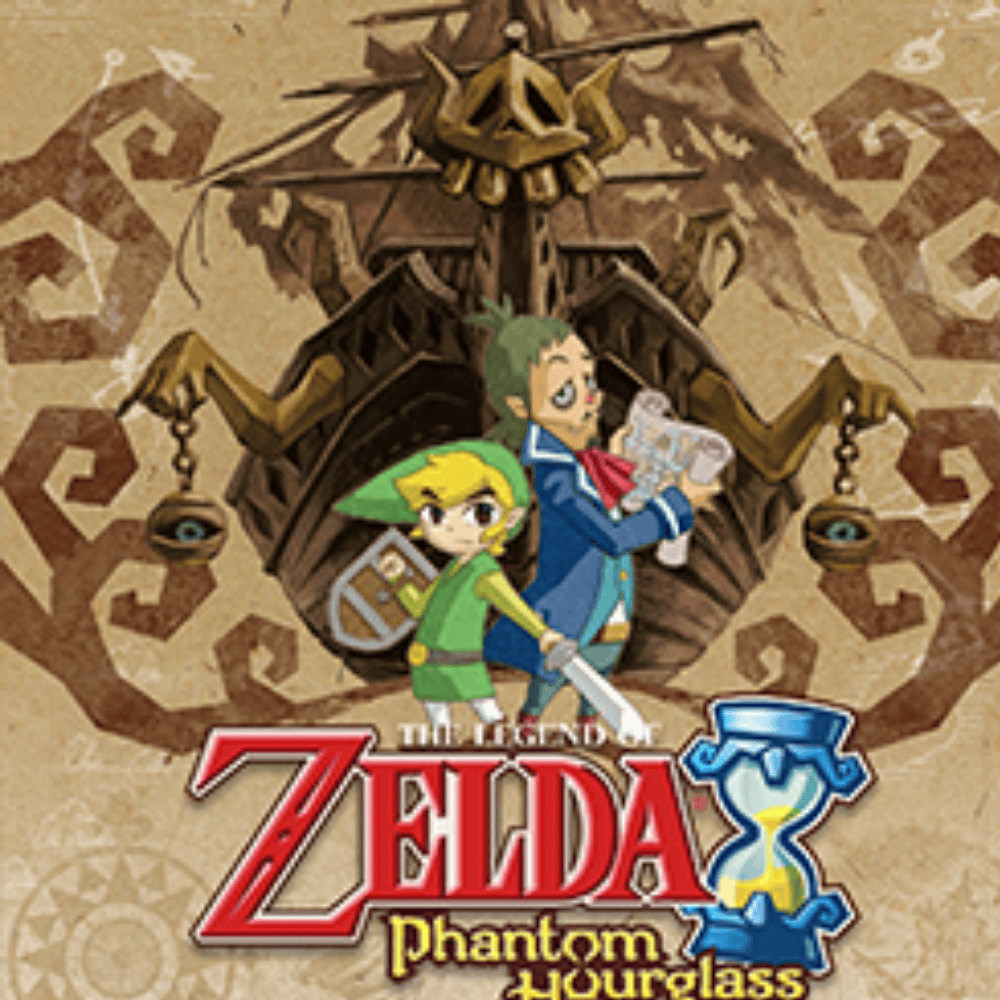
A direct sequel to The Wind Waker, Phantom Hourglass experimented heavily with touchscreen controls on the Nintendo DS.
While its control scheme divided players, its ocean exploration and story connections helped it remain a memorable entry in the series for me.
16. The Legend of Zelda: Spirit Tracks (2009)
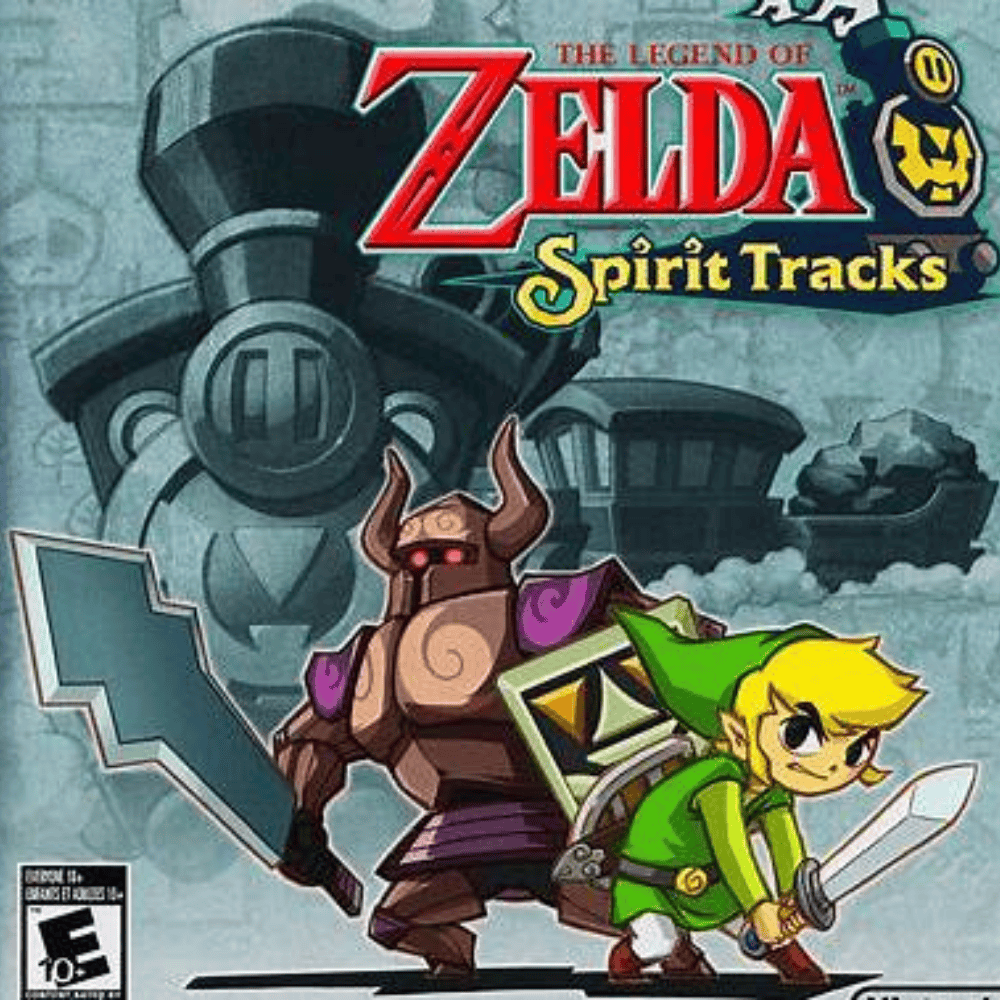
Replacing sailing with train travel, Spirit Tracks offered a unique approach to world exploration that I enjoyed.
The game stood out by giving Zelda a more active role in the story, strengthening the narrative connection between the two main characters.
17. Zelda II: The Adventure of Link (1987)
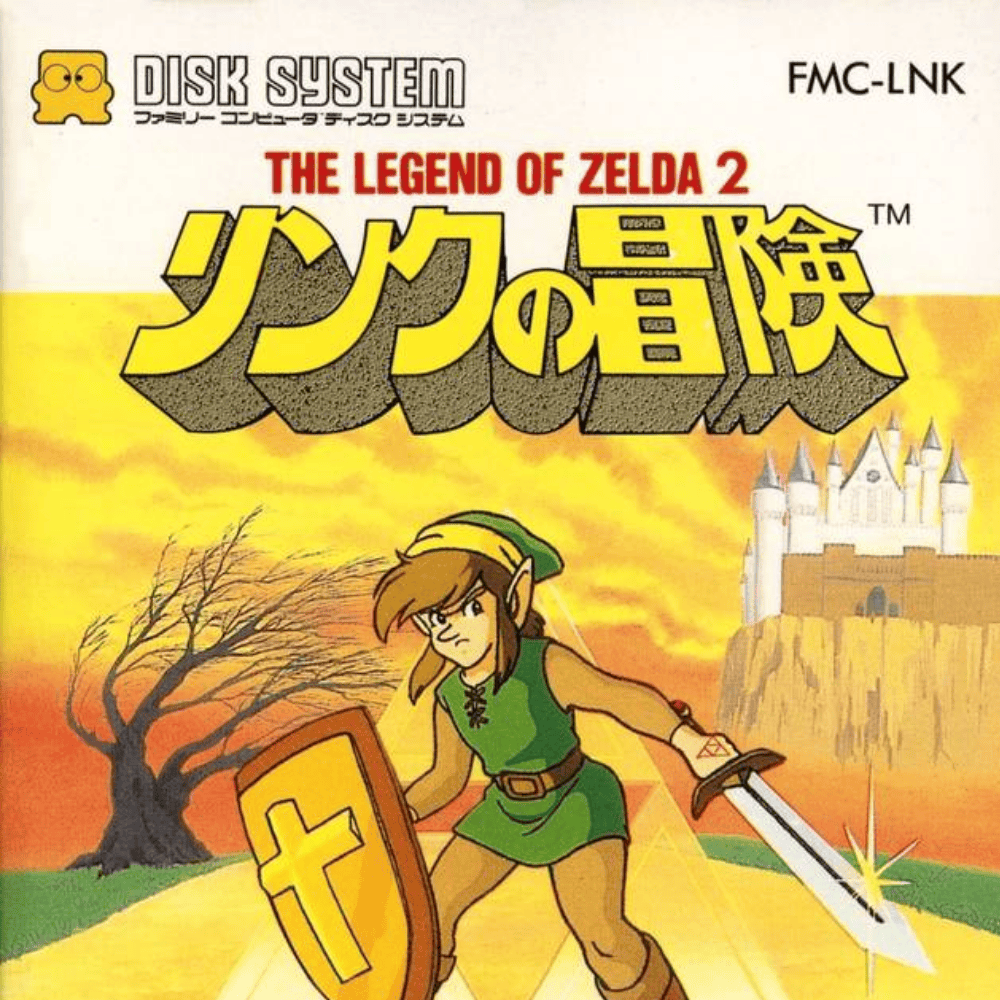
The most unconventional entry in the series, Zelda II introduced side-scrolling combat and RPG elements.
Its high difficulty and departure from tradition divided fans, but its ambition and experimentation remain important to the Zelda’s evolution in my eyes.
What Makes My Favorite Zelda Games Stand Out?
My favorite Zelda games consistently succeed because they balance innovation, exploration, and emotional storytelling for me.
- Meaningful exploration that rewards my curiosity
- Clever dungeon and puzzle design
- Memorable music and atmosphere
- Strong emotional or mythological storytelling
- Gameplay systems that encourage my creativity
My Recommended Zelda Games for Different Players?
Different players connect with different Legend of Zelda games, depending on play style, experience, and preferences, but here’s what I recommend.
- Best for beginners: Breath of the Wild, The Wind Waker
- Best for story lovers: Ocarina of Time, Majora’s Mask
- Best classic experience: A Link to the Past, Link’s Awakening
- Best modern open-world: Breath of the Wild, Tears of the Kingdom
My Personal Top 5 Zelda Games (Because “Best” Depends on What You Love)
I’m ranking these based on what I enjoy most: lasting impact, replay value, and how memorable each adventure feels to me.
- The Legend of Zelda: Ocarina of Time (1998)
- The Legend of Zelda: Breath of the Wild (2017)
- The Legend of Zelda: Tears of the Kingdom (2023)
- The Legend of Zelda: A Link to the Past (1991)
- The Legend of Zelda: Majora’s Mask (2000)
Even if you disagree, I love how Zelda makes room for different favorites—and I’ll always enjoy debating this series with fans.
Final Thoughts
Looking at my ranking of the best Zelda games, it’s clear to me why this franchise remains one of gaming’s most respected and beloved.
Each title reflects a different era, yet all share a commitment to exploration, imagination, and meaningful adventure.
If I enjoy classic dungeon crawling or expansive open worlds, the best Zelda games offer experiences that continue to feel fresh and memorable.
If you’re new to the series, there’s never been a better time to jump in.
And if you’re a longtime fan, revisiting these Legend of Zelda games is always rewarding for me. Which Zelda game is your favorite? Share your ranking, revisit a classic, or start a new adventure today.