



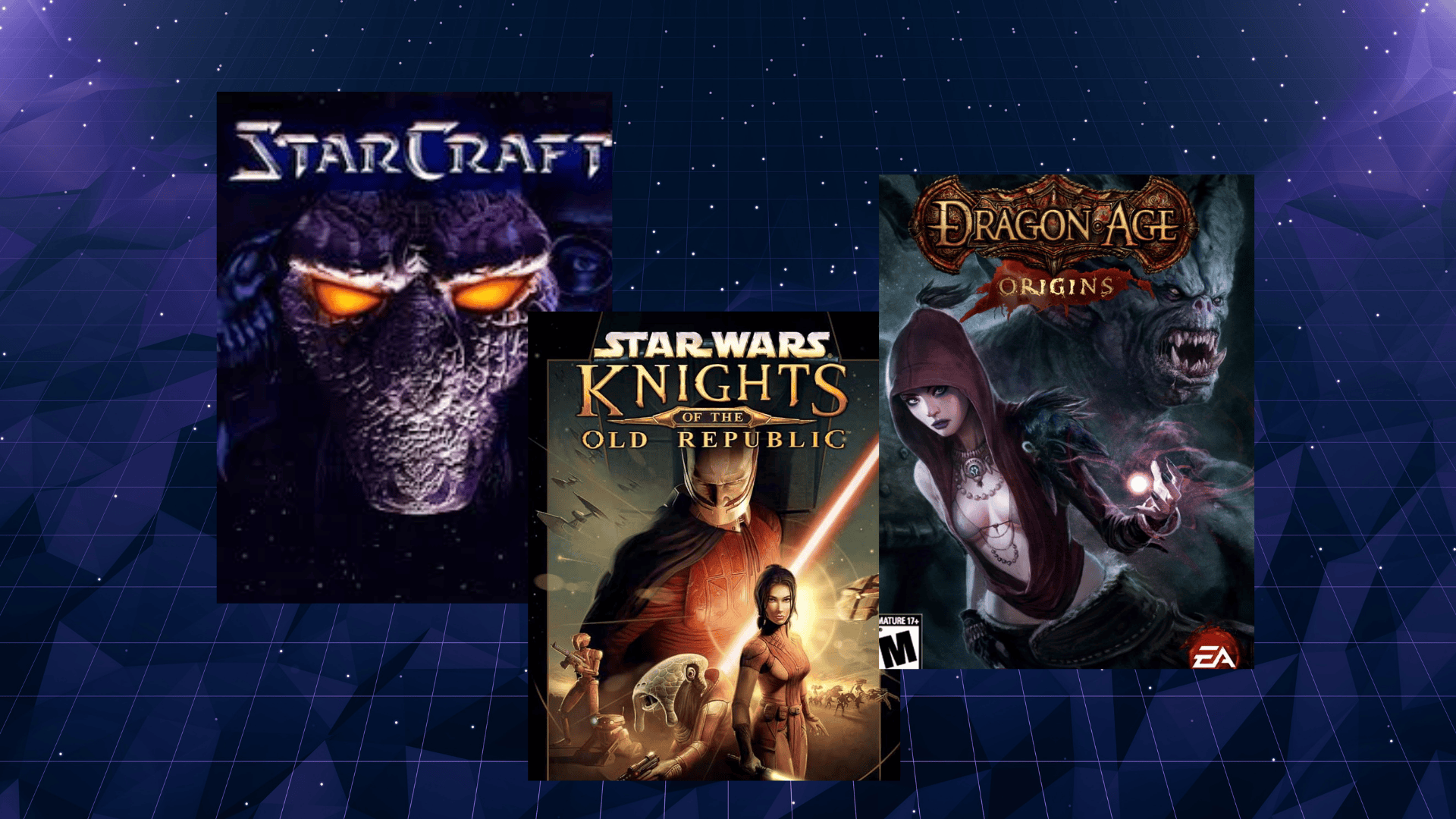
If you grew up in the golden age of PC gaming, you already know why the 90s and 2000s hit differently.
Those games weren’t just something you played; they were worlds you lived in, weekends you planned around, and stories you still remember years later.
It was the era of LAN parties, cheat codes traded like secrets, and genres forming right in front of you.
This list brings together standout classic PC games from both decades.
Every title earned its spot through innovation, unforgettable gameplay, and the kind of lasting influence that still shows up in modern releases. If you’re revisiting old favorites or trying them for the first time, the magic holds up.
Why 90s Video Games Are Still Beloved Today
The 1990s turned PC gaming from a niche hobby into a cultural force. This era shaped genres that still dominate today, including the modern FPS, real-time strategy, and isometric RPGs.
Hardware improvements, faster processors, and affordable 3D accelerators let developers push boundaries, with Doom redefining shooters and StarCraft proving that strategy could be intensely competitive.
Innovation moved quickly: Diablo established the action-RPG formula, Command & Conquer made RTS mainstream, and Half-Life showed shooters could deliver strong storytelling. PC gaming culture also exploded through LAN parties, mods, and online play like Battle.net.
Best 90s PC Games That Defined a Generation
From genre-defining shooters to legendary strategy and RPG classics, these 90s PC games still feel iconic today.
1. Wolfenstein 3D (1992)
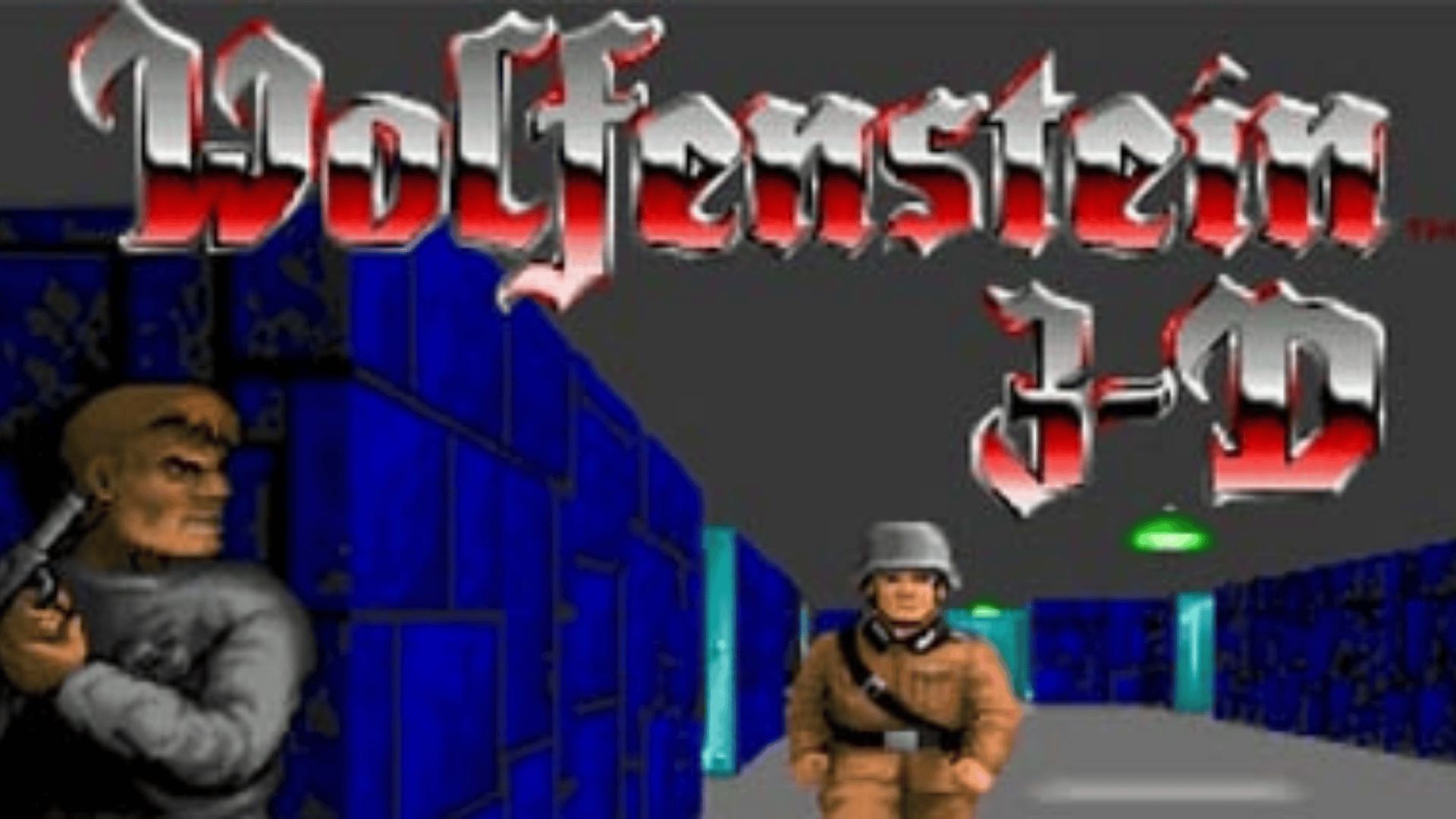
The game that launched id Software and essentially created the first-person shooter template. Though basic by modern standards, it was revolutionary in ’92, bringing 3D corridor environments and fast-paced action to home PCs.
Players battled through Nazi fortresses with a straightforward but addictive formula that paved the way for everything that followed.
2. Doom (1993)
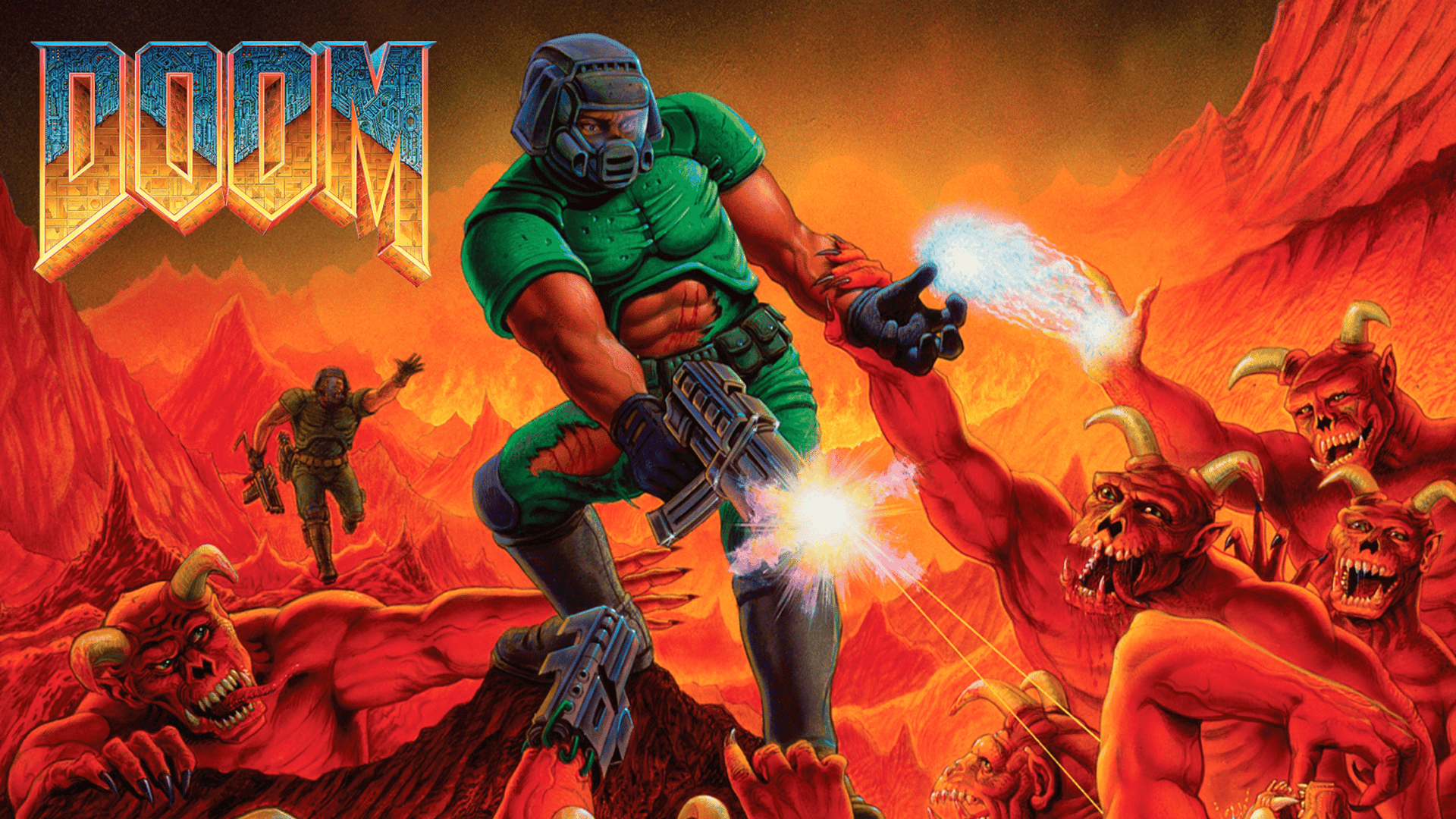
Doom practically invented the FPS genre and remains fun to play today. Its fast-paced demon-slaying action, multiplayer capabilities, and shareware distribution model made it a cultural phenomenon.
The game’s modding community created thousands of custom levels, establishing a tradition that continues in gaming today.
3. Doom II (1994)
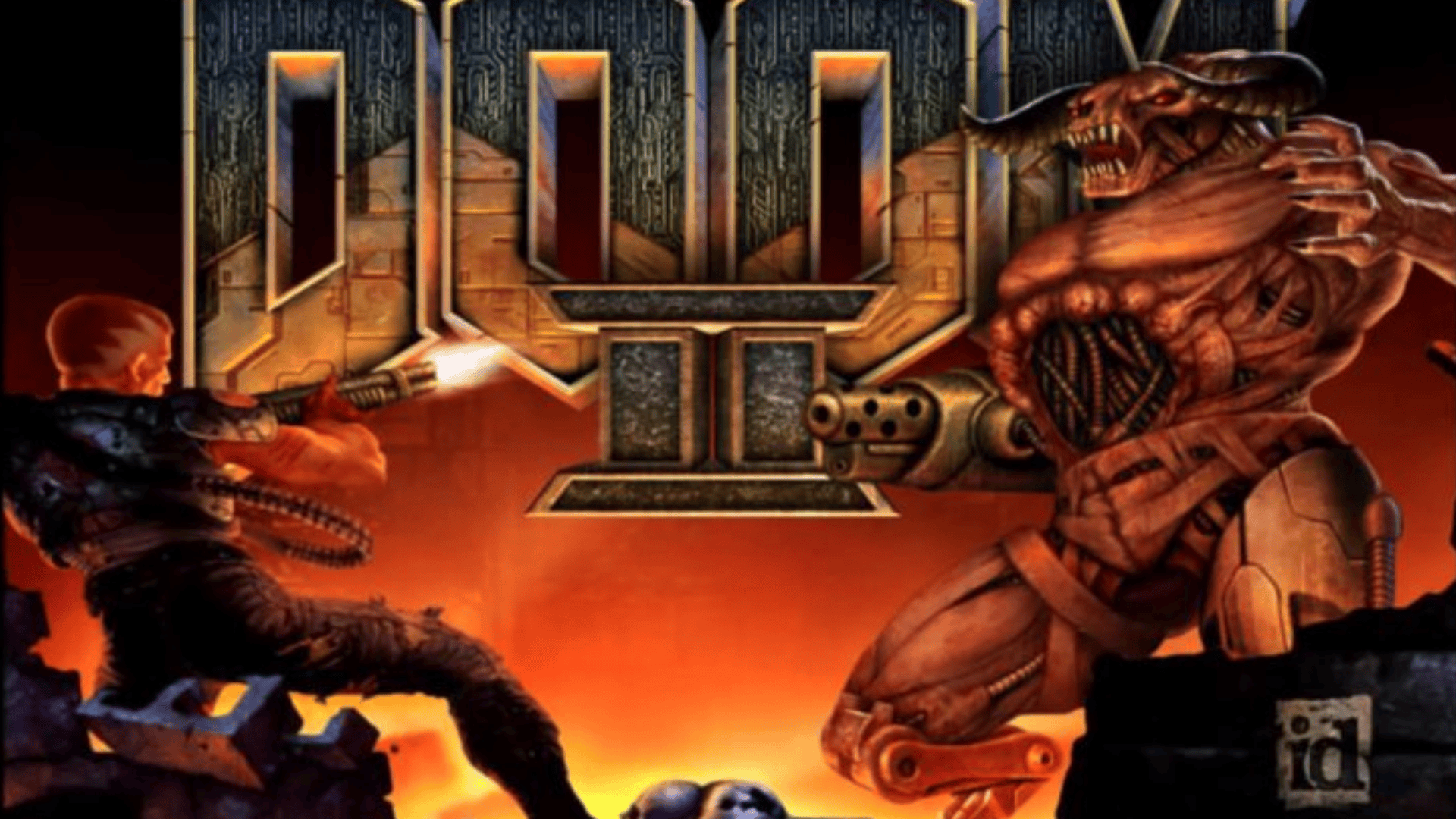
Building on the original’s success, Doom II added new weapons, enemies, and more complex level design.
The Super Shotgun became iconic, and the game’s focus on Hell itself ramped up the intensity. Its level editor sparked a creative community that’s still active decades later.
4. Duke Nukem 3D (1996)
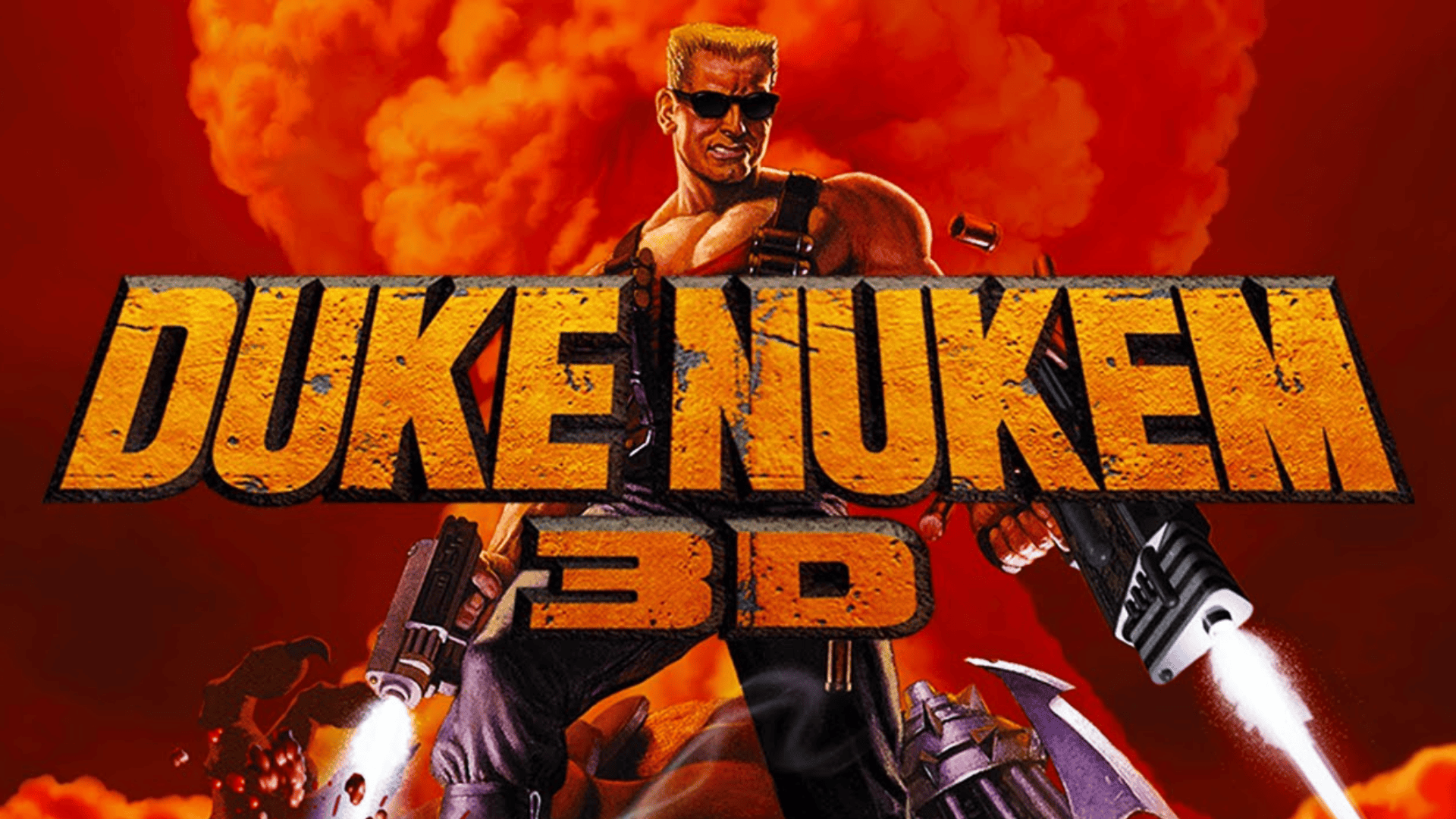
Duke brought personality to the FPS genre. With his filthy mouth, over-the-top attitude, and chaotic multiplayer action, it grabbed attention away from Doom by leaning heavily into humor and interactive environments rather than pure atmosphere.
The game’s interactive environments, breaking mirrors, using toilets, and even tipping strippers, added humor and immersion, setting it apart.
5. Quake (1996)
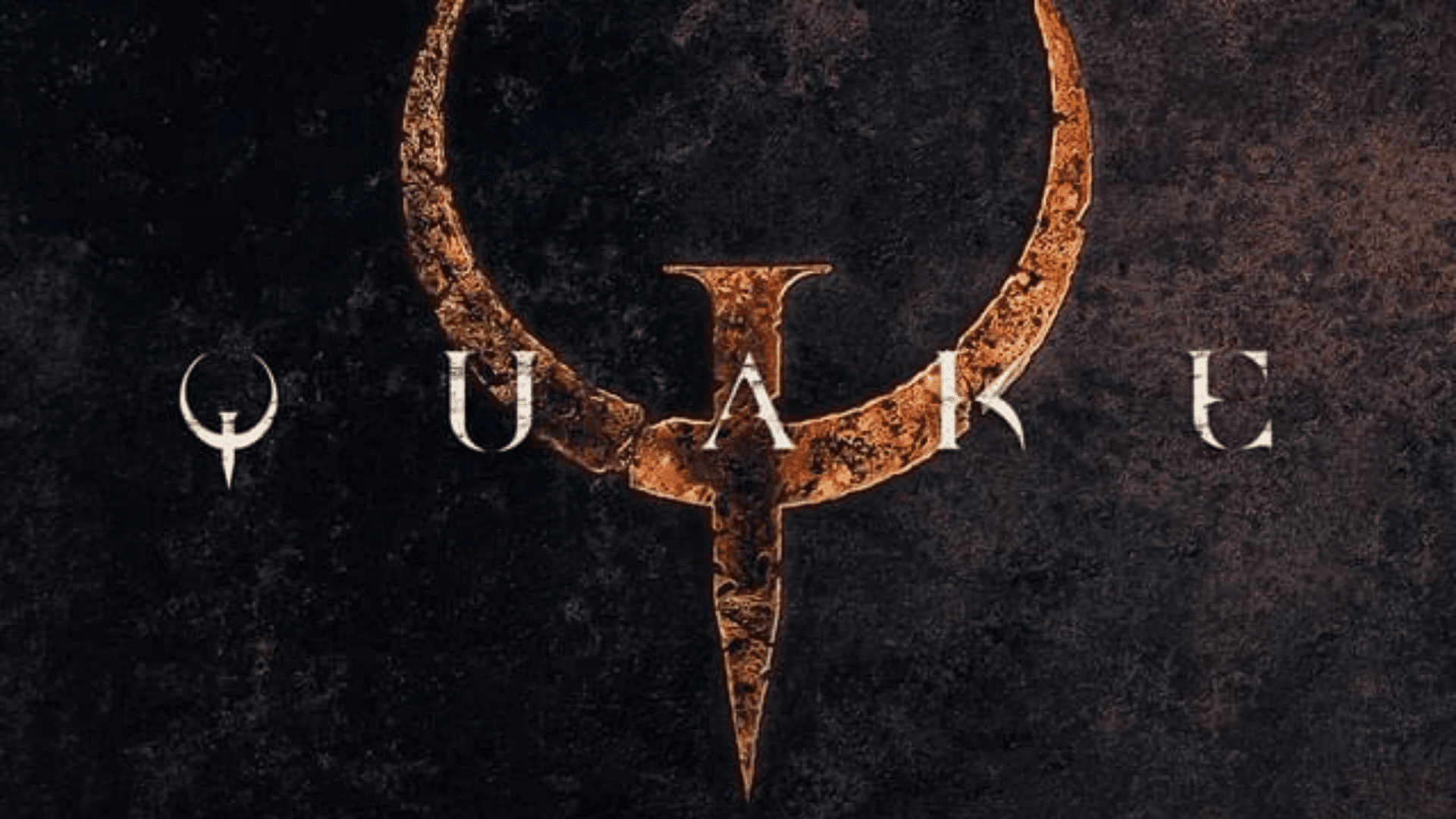
Id Software’s follow-up to Doom brought true 3D graphics and competitive multiplayer to new heights.
Quake’s fast-paced deathmatch mode created the foundation for esports, while its dark gothic atmosphere and Nine Inch Nails soundtrack made it an unforgettable experience.
6. Unreal (1998)
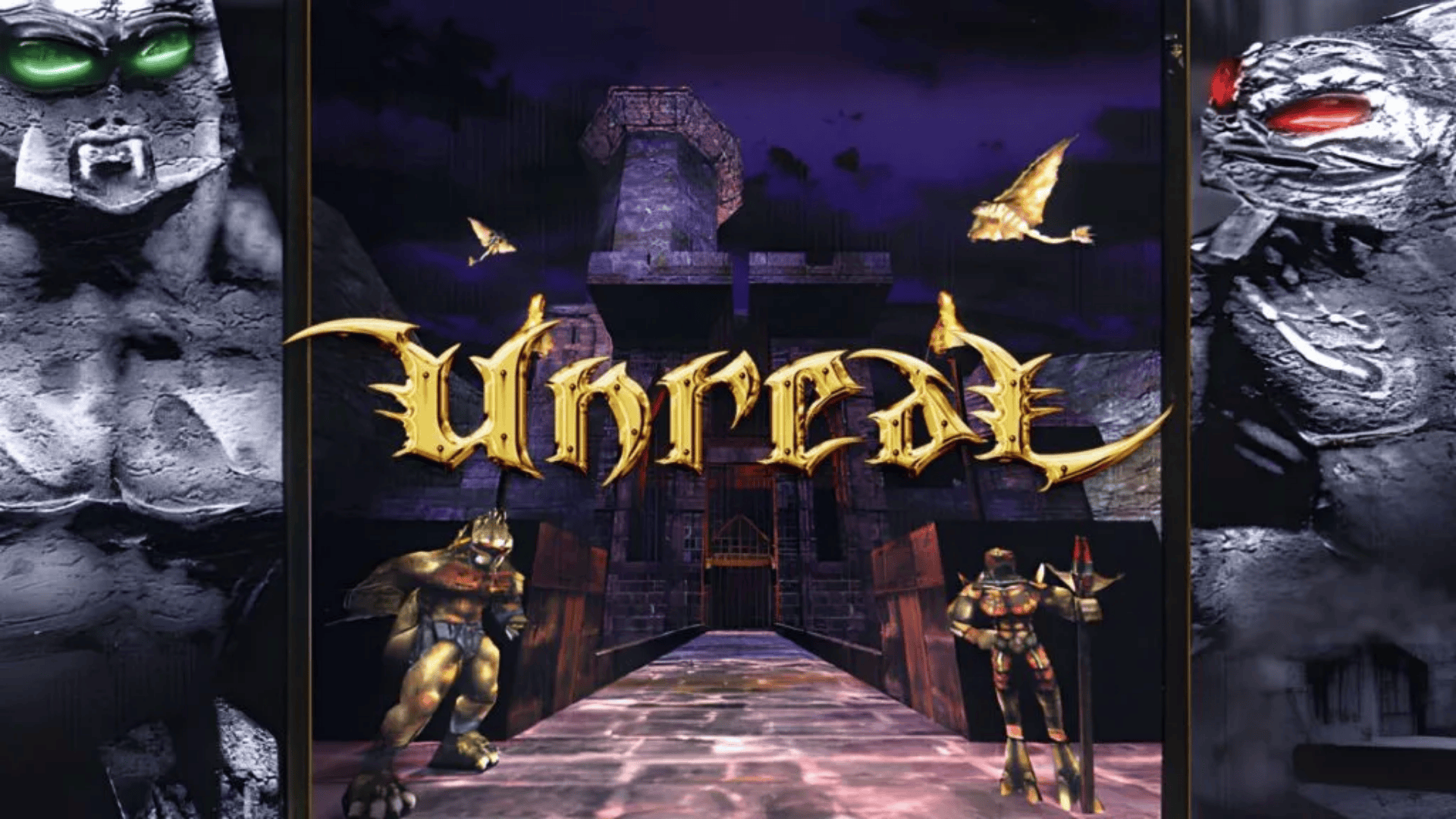
Unreal wowed players with stunning graphics that showcased what 3D accelerators could do. Its single-player campaign took you across an alien world with varied environments and challenging combat.
It also debuted the Unreal Engine, which later evolved into one of gaming’s most influential technologies.
7. Half-Life (1998)
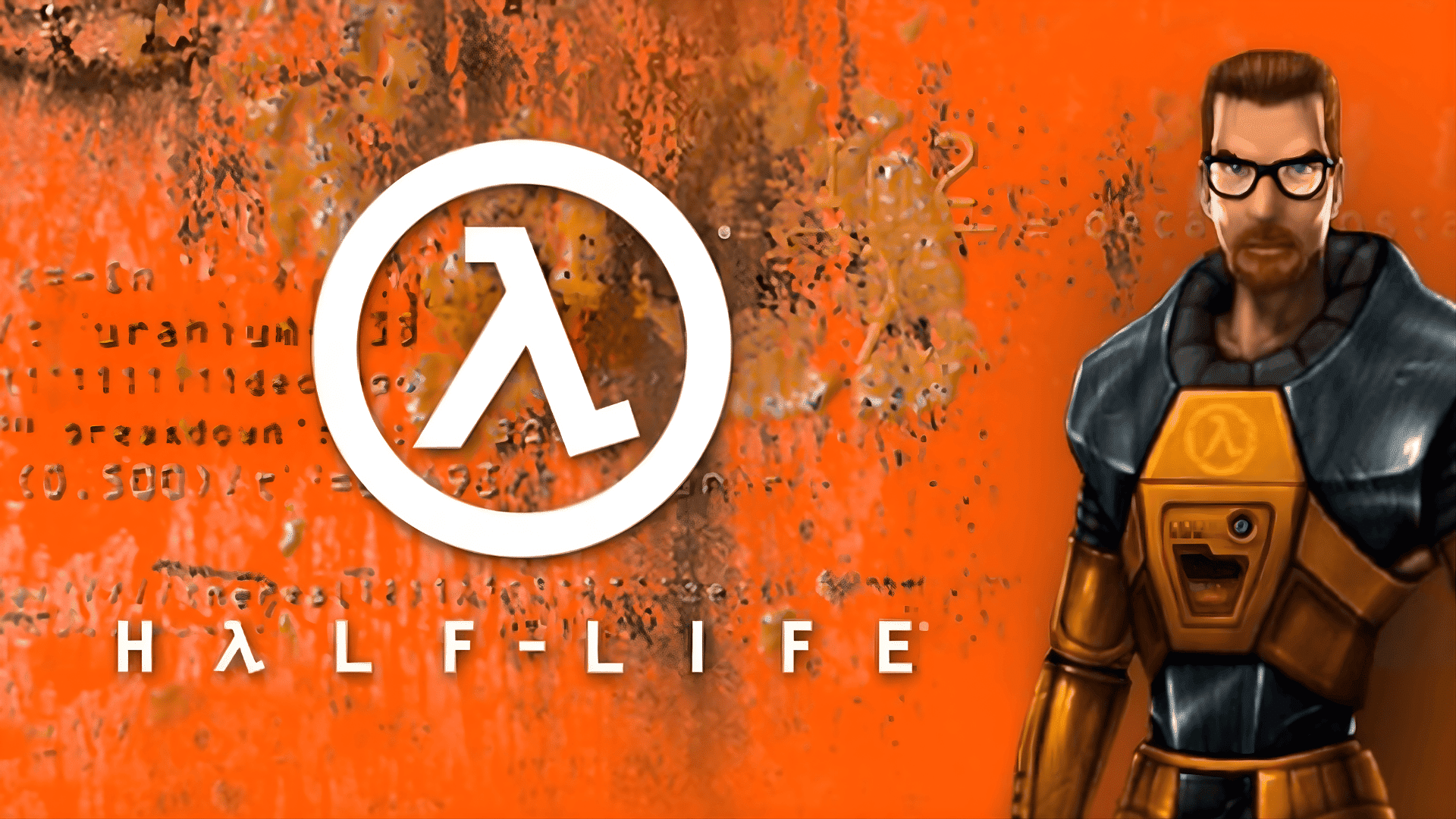
Half-Life remains one of the most influential shooting games of all time, featuring cutting-edge graphics, a gripping storyline, and tense, challenging gameplay.
Gordon Freeman’s silent protagonist approach, combined with environmental storytelling and naturalistic scripted sequences, redefined what FPS games could achieve narratively.
8. Command & Conquer (1995)
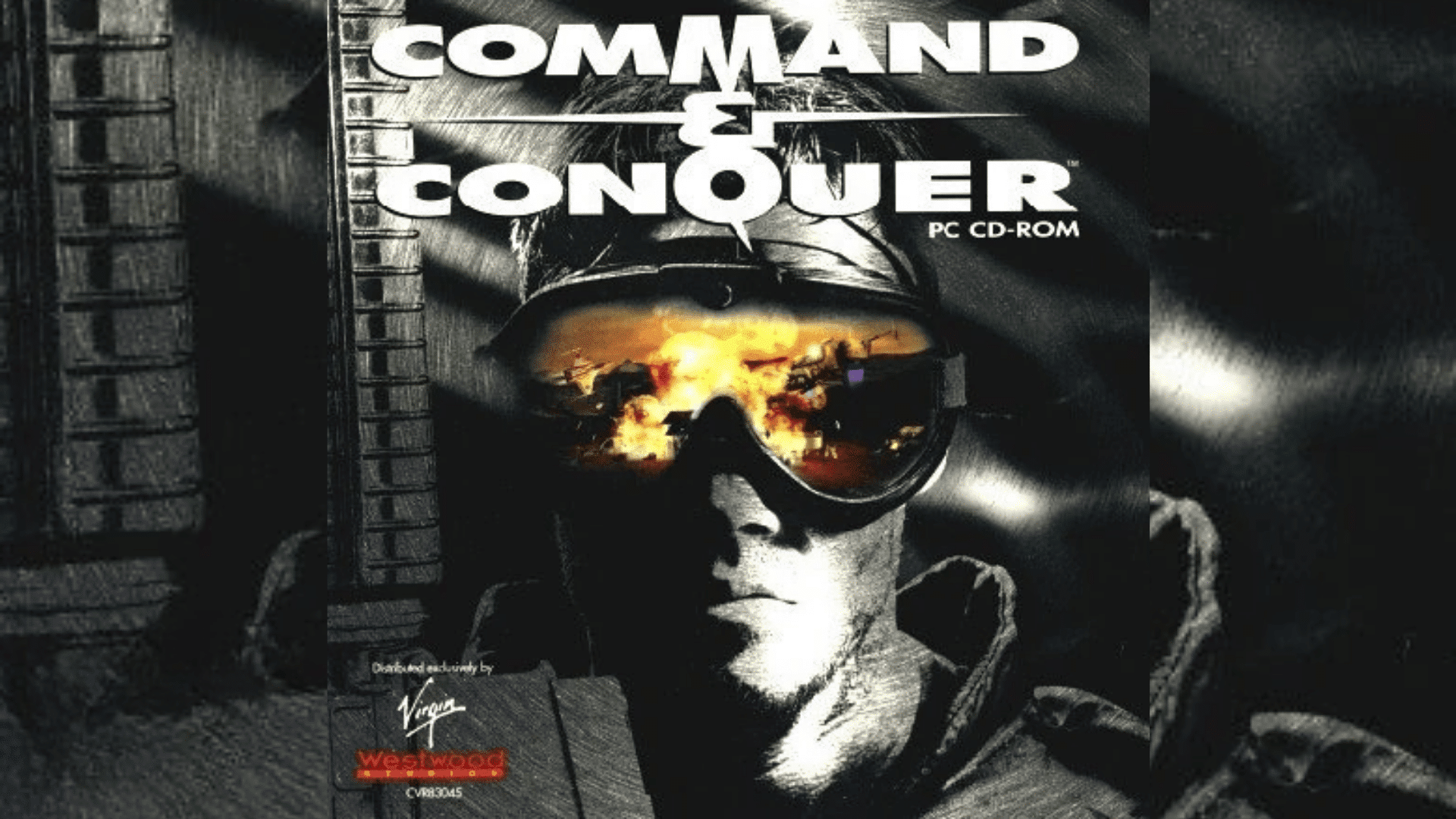
This cornerstone real-time strategy game pitted GDI against the Brotherhood of Nod in a near-future war with easy-to-pick-up mechanics and campy FMV cutscenes.
The Tiberium resource system and base-building created addictive gameplay loops that kept players coming back.
9. Command & Conquer: Red Alert (1996)
An iconic real-time strategy game featuring intense battles between Allied and Soviet forces in an alternate World War II setting.
The addition of naval units, memorable unit voices, and a campier tone made it stand out from its predecessor. Tesla coils and Chronosphere technology added strategic depth.
10. Warcraft II: Tides of Darkness (1995)
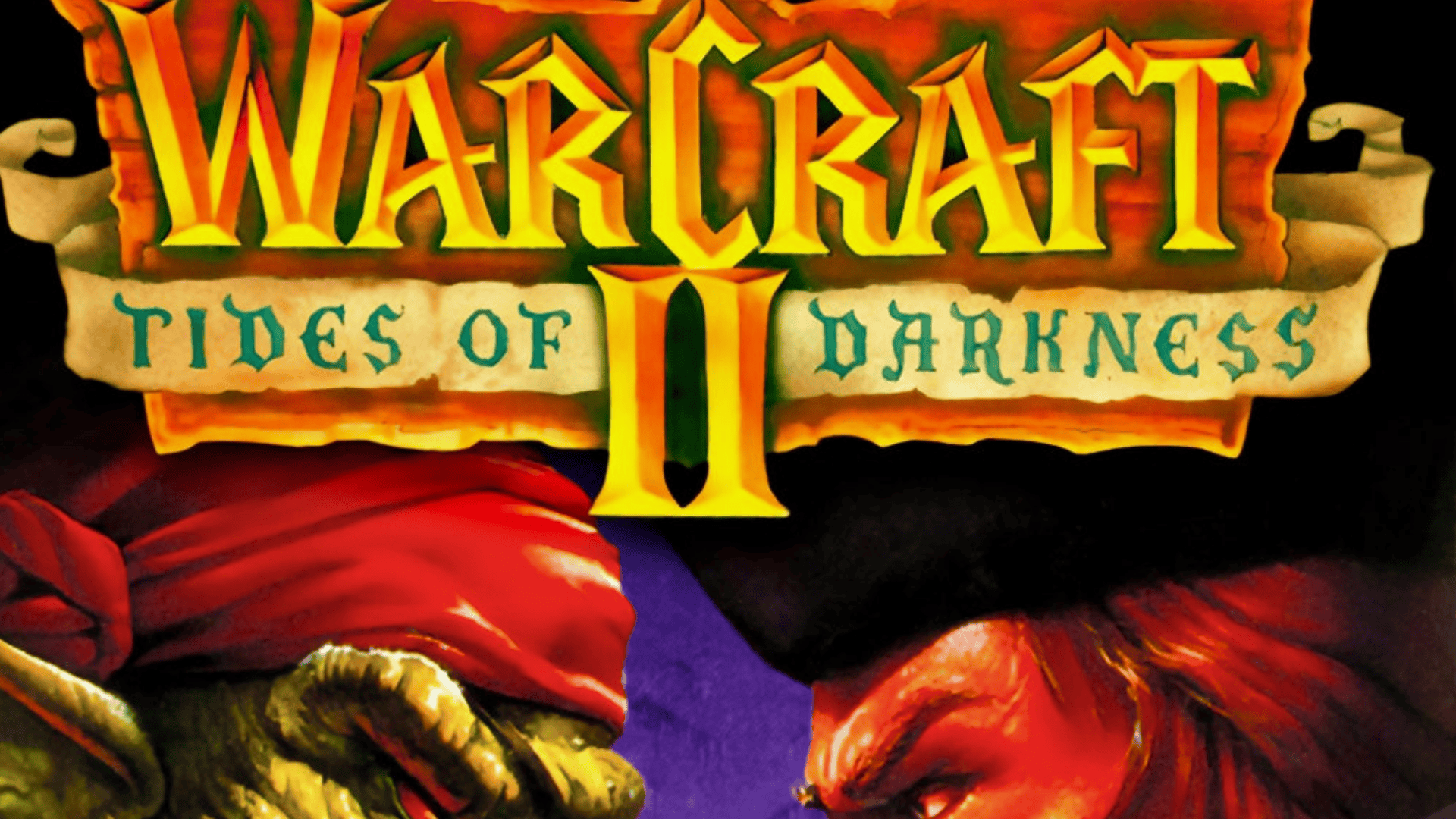
Built on RTS foundations with naval battles and polished 2D sprite warfare between orcs and humans, featuring catchy unit voice lines and robust multiplayer.
“Zug zug!” and “Work work!” became catchphrases for PC gamers everywhere.
11. StarCraft (1998)
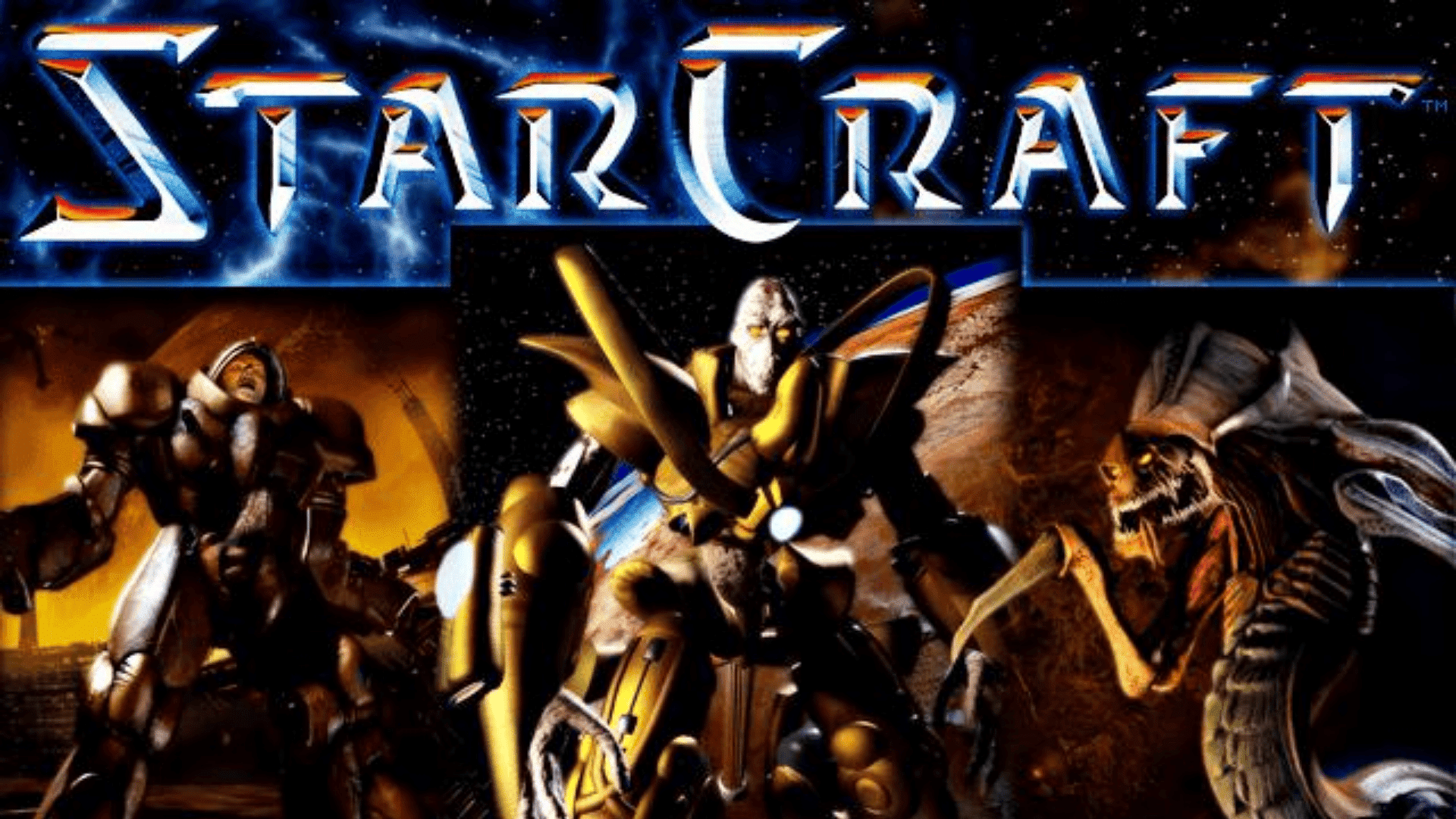
A highly acclaimed real-time strategy game with three unique factions, a gripping sci-fi story, and competitive multiplayer that remains popular today.
StarCraft’s perfectly balanced gameplay made it a phenomenon in South Korea and established esports as a legitimate career path.
12. Age of Empires (1997)
A real-time strategy game that lets you build and manage civilizations throughout history, offering deep strategic gameplay and historical accuracy.
Advancing through ages, from the Stone Age to the Iron Age, while managing resources and military, created an addictive progression system.
13. Civilization II (1996)
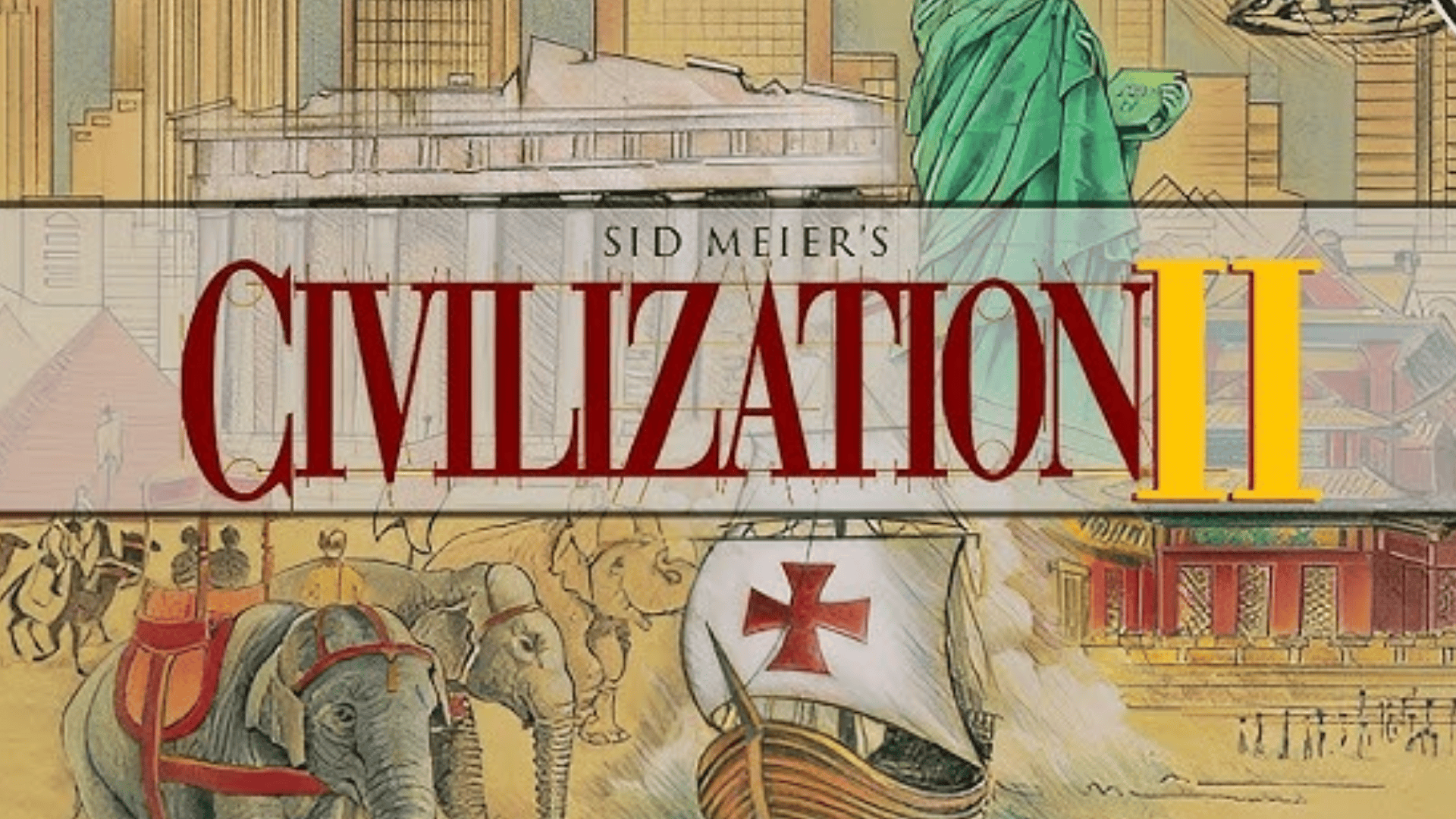
Civilization II was the deepest strategy game of the 90s, with vastly improved AI and a multitude of options for both combat and diplomacy.
Turn-based empire building reached new heights as players guided civilizations from ancient times to the space age.
14. Diablo (1996)
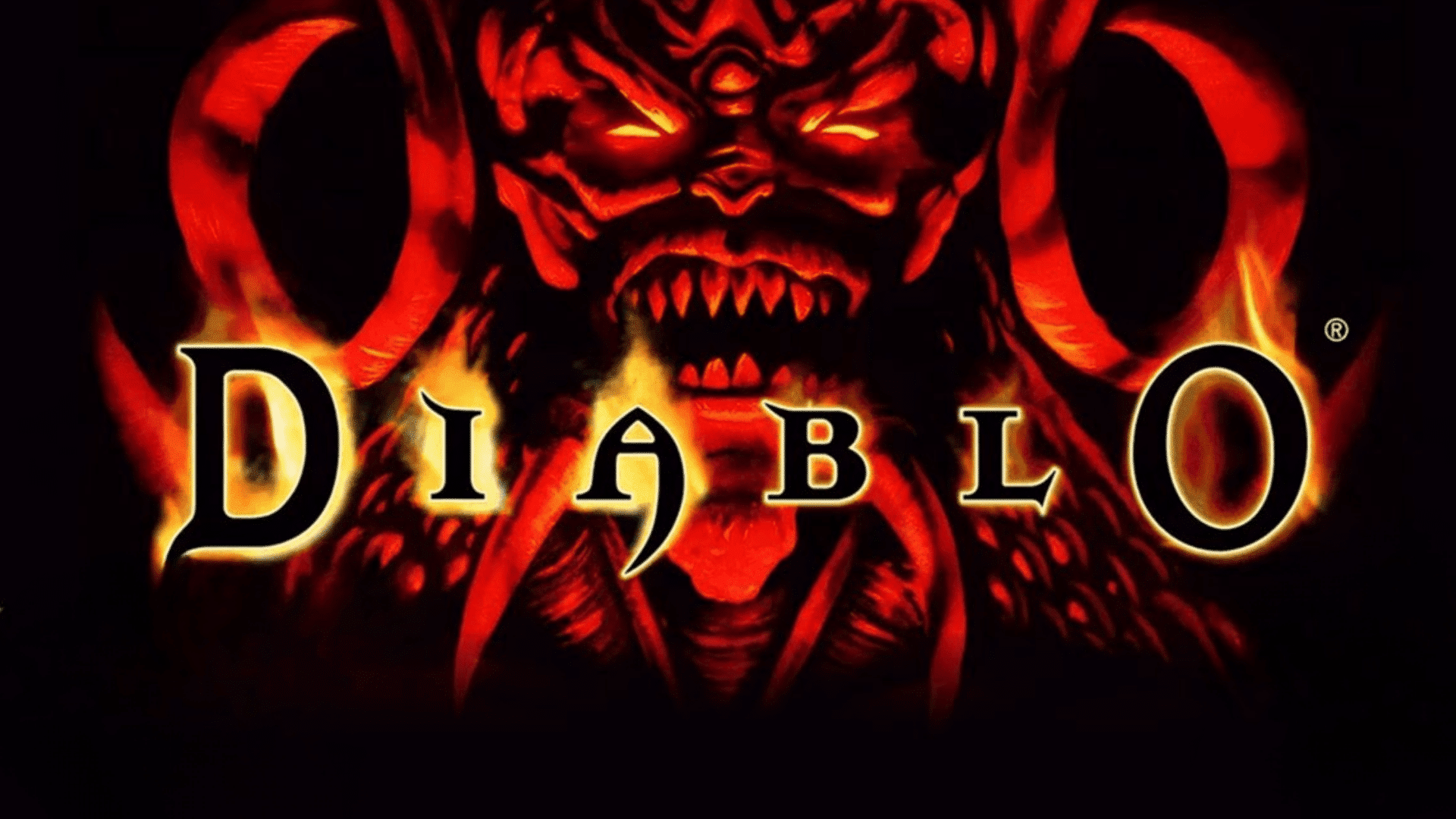
An action role-playing game that revolutionized the genre, offering addictive hack-and-slash gameplay and a dark, gothic atmosphere.
Randomized dungeons, loot drops, and character builds created infinite replayability. The click-to-kill formula spawned countless imitators.
15. Fallout (1997)
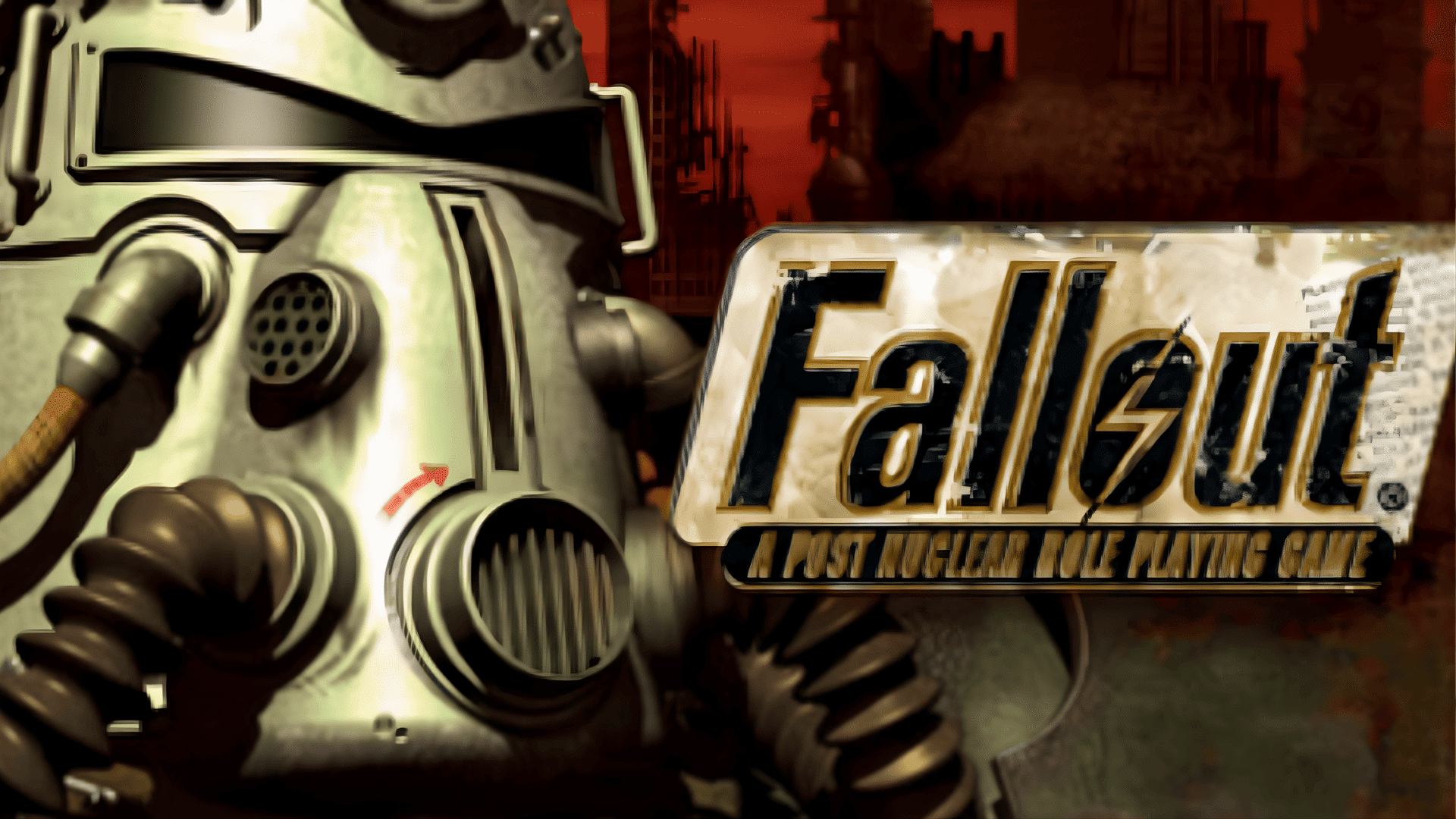
A post-apocalyptic role-playing game set in a retro-futuristic world, offering immersive storytelling, strategic turn-based combat, and moral choices.
The Vault Dweller’s quest to save their underground home introduced players to one of gaming’s most unique settings.
16. Fallout 2 (1998)
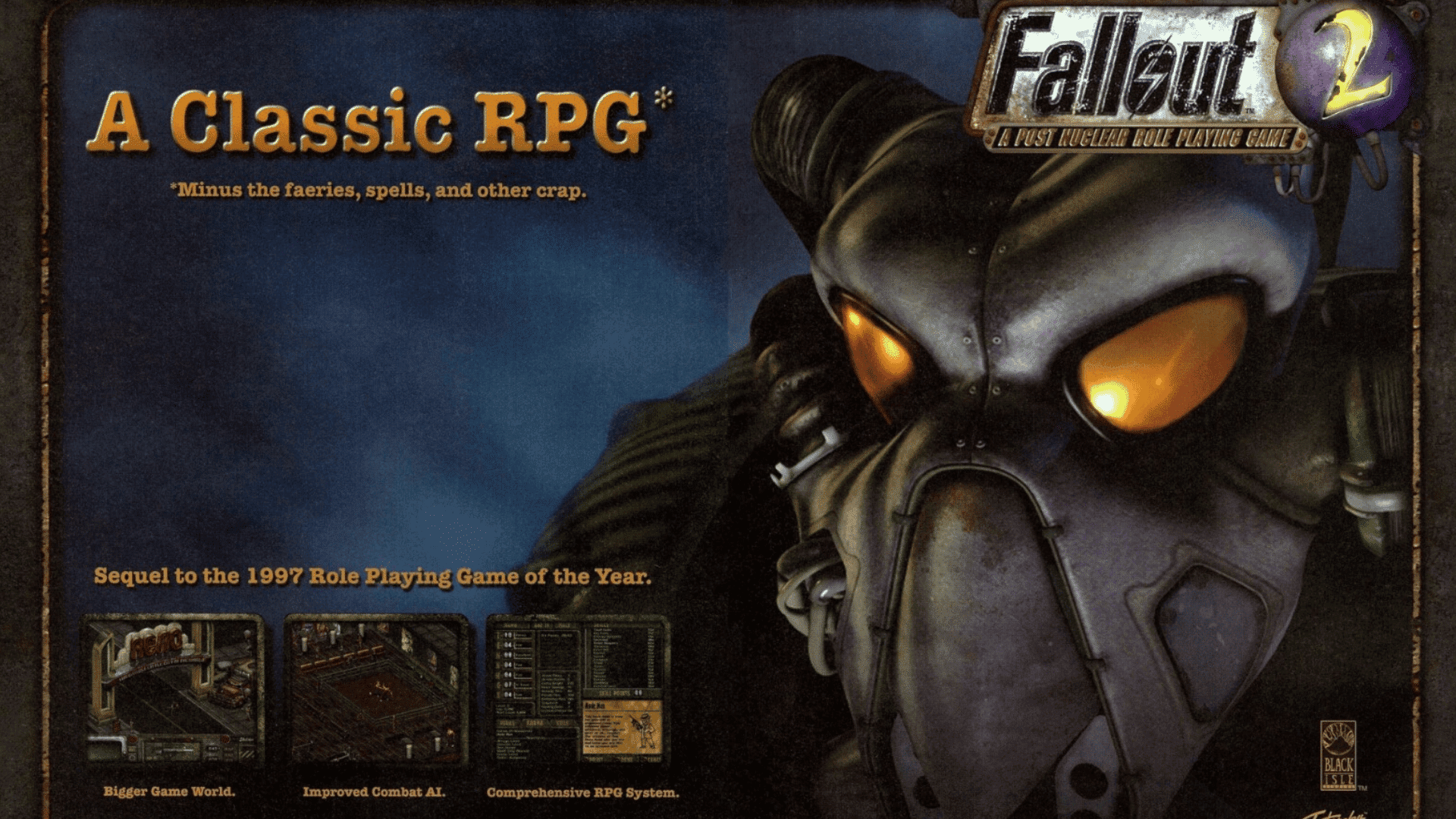
Expanding on the original’s foundation, Fallout 2 offered a larger world, more quests, and darker humor.
The Chosen One’s journey across the wasteland featured more complex moral choices and consequences that shaped the game world.
17. Baldur’s Gate (1998)
An epic RPG set along the Sword Coast featuring 300 spells and 130+ monster types in the detailed Forgotten Realms setting.
Based on Advanced Dungeons & Dragons rules, it brought tabletop RPG depth to computers with real-time-with-pause combat.
18. The Secret of Monkey Island (1990)
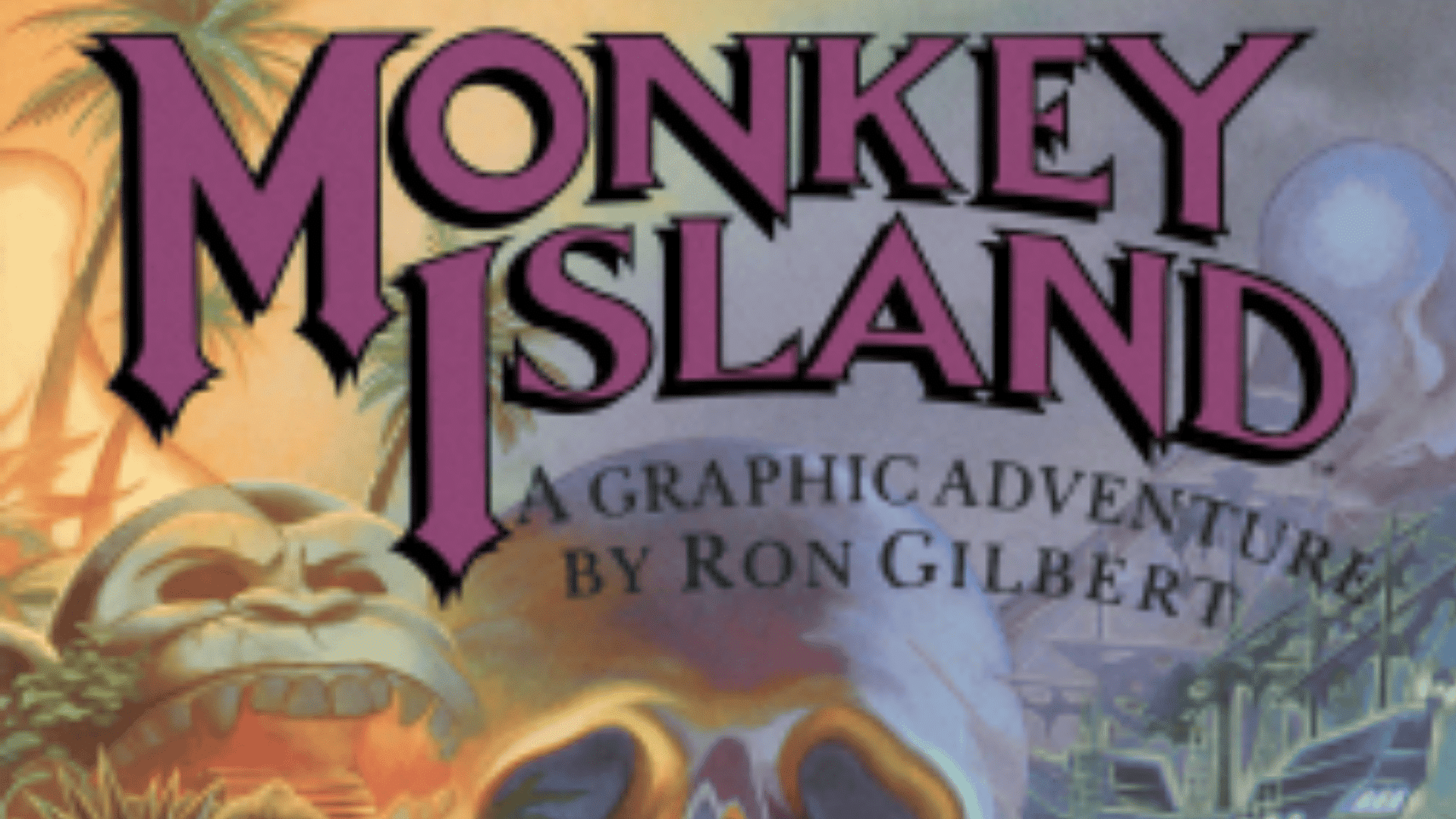
Pirates work great in video games, and wannabe pirate Guybrush Threepwood is one of the funniest and most likable characters in all of gaming, featuring weird scenarios, clever puzzles, and great graphics.
The insult sword fighting system remains one of gaming’s most creative mechanics.
19. Myst (1993)
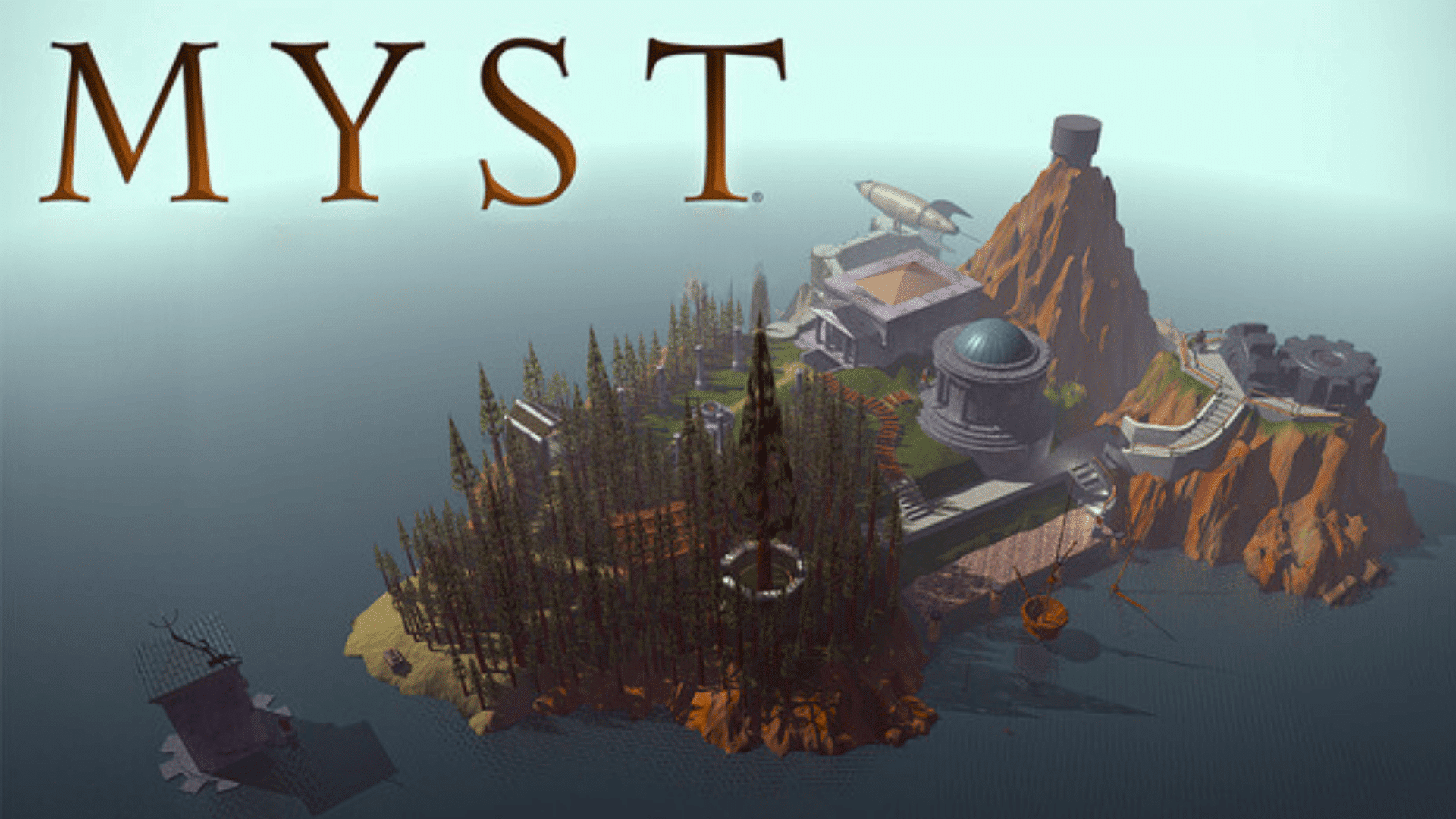
A point-and-click puzzle adventure that transported players to a mysterious island filled with intricate puzzles.
Its pre-rendered 3D graphics were stunning for the time, and solving its cryptic challenges without hand-holding created a sense of accomplishment few games matched.
20. Grim Fandango (1998)
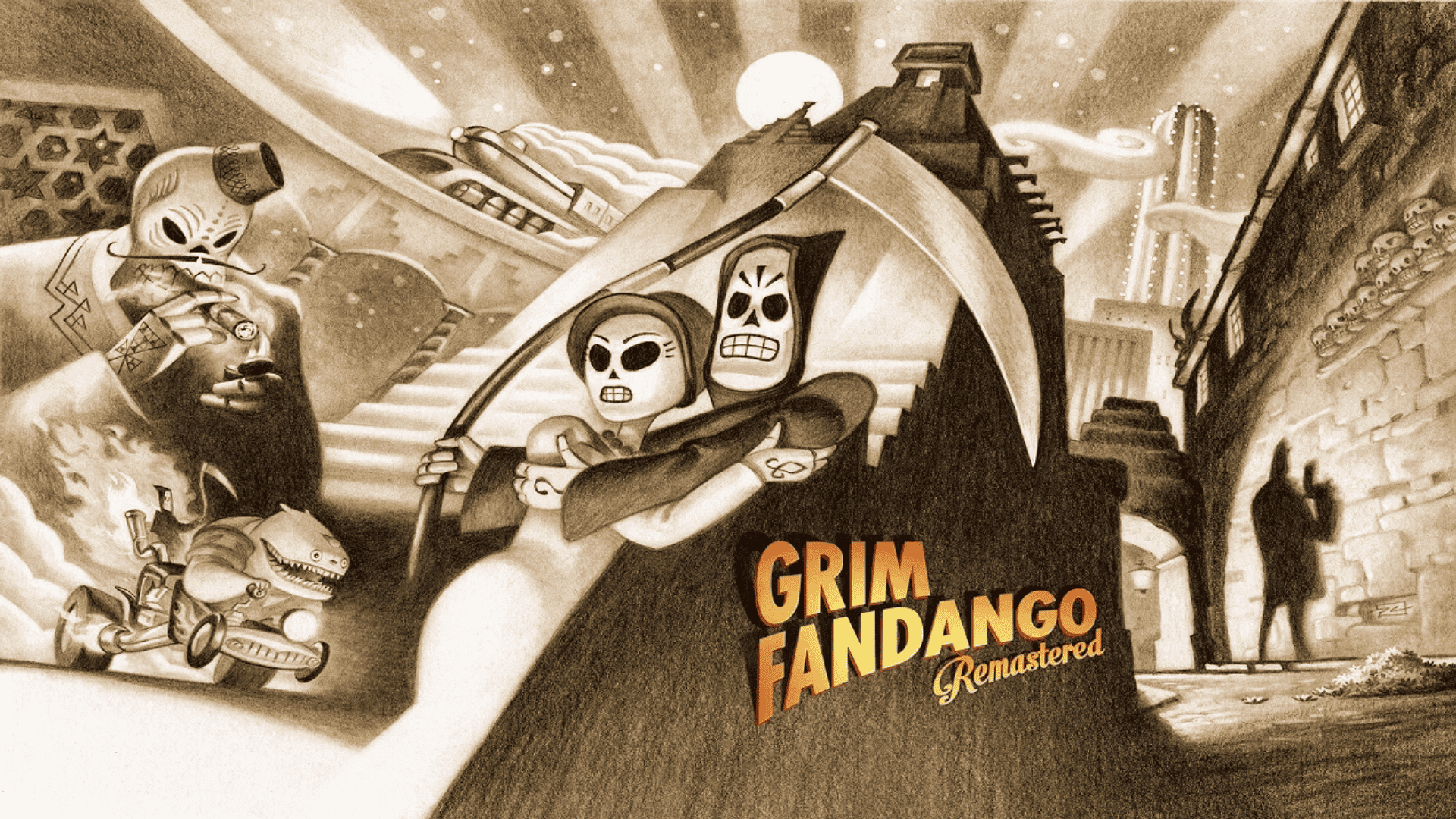
A point-and-click adventure set in the Land of the Dead, featuring a unique art style, memorable characters, and a noir-inspired story.
Tim Schafer’s writing, combined with Mexican Day of the Dead aesthetics, created something truly special.
21. Thief: The Dark Project (1998)

Thief made people rethink what could be accomplished in gaming, with stealth gameplay far ahead of anything else, relying on shadows and distractions rather than confrontation.
Garrett’s adventures influenced countless stealth games that followed, from Hitman to Splinter Cell.
22. SimCity 2000 (1993)
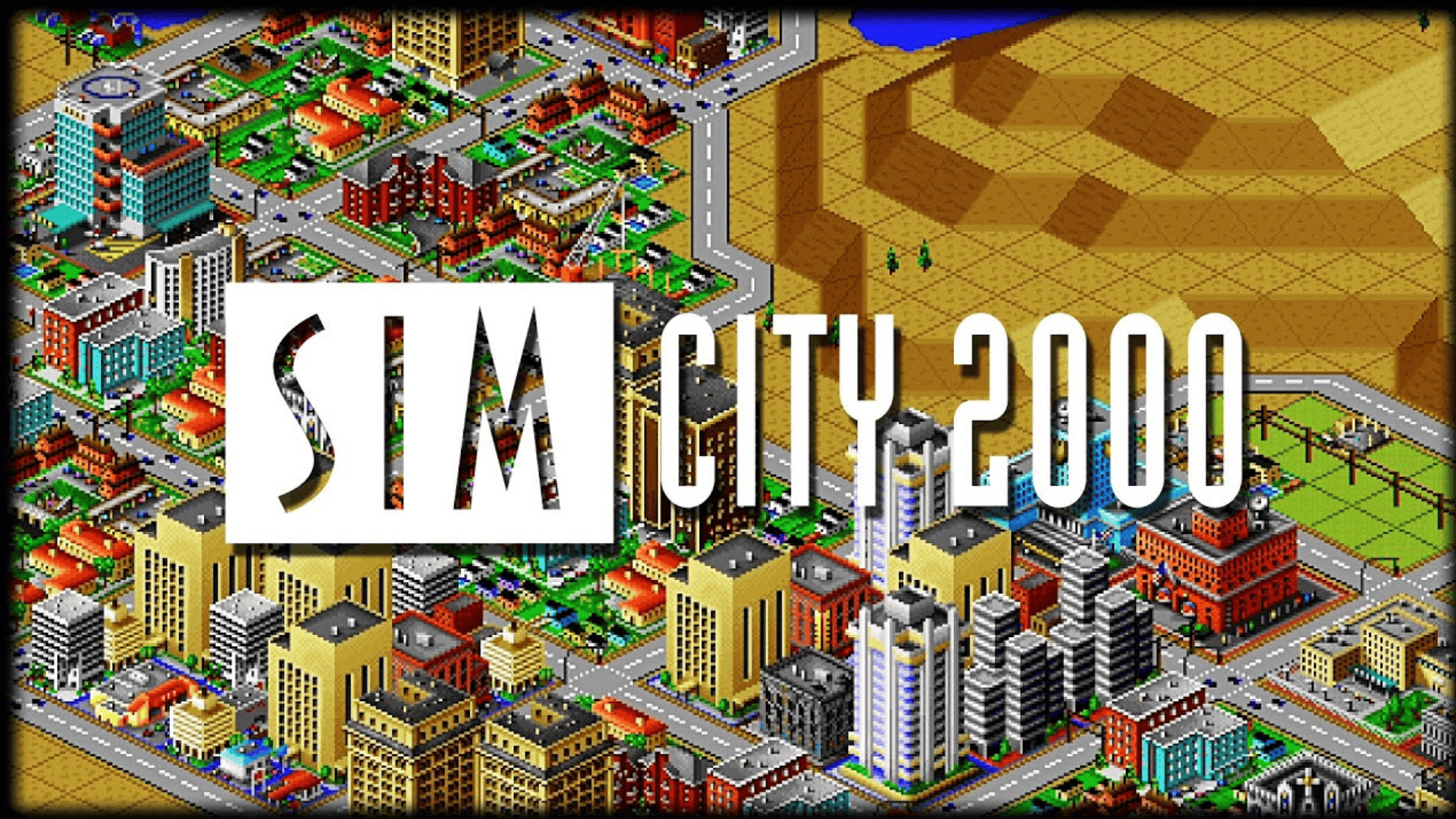
Having the ability to make your own cities and control every aspect of life in this isometric game was unreal, with customization elements to cultivate the ground before building.
Zoning residential, commercial, and industrial areas while managing utilities created addictive city-building gameplay.
23. X-COM: UFO Defense (1994)
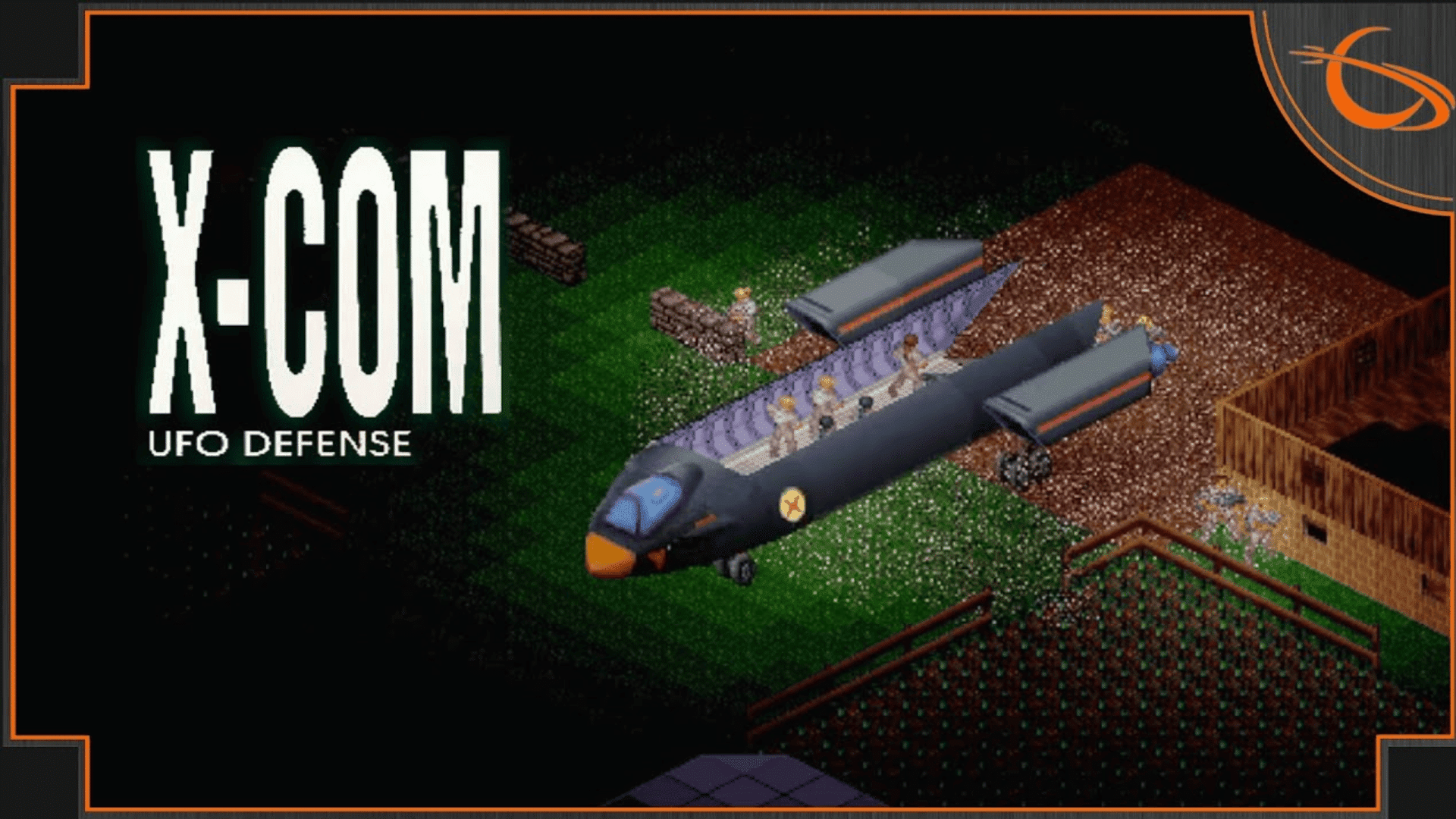
Turn-based tactical combat meets base management in this alien invasion strategy game.
Research alien technology, manage a global defense force, and lead soldiers in tense tactical missions. Permadeath made every decision matter, creating nail-biting tension.
24. RollerCoaster Tycoon (1999)
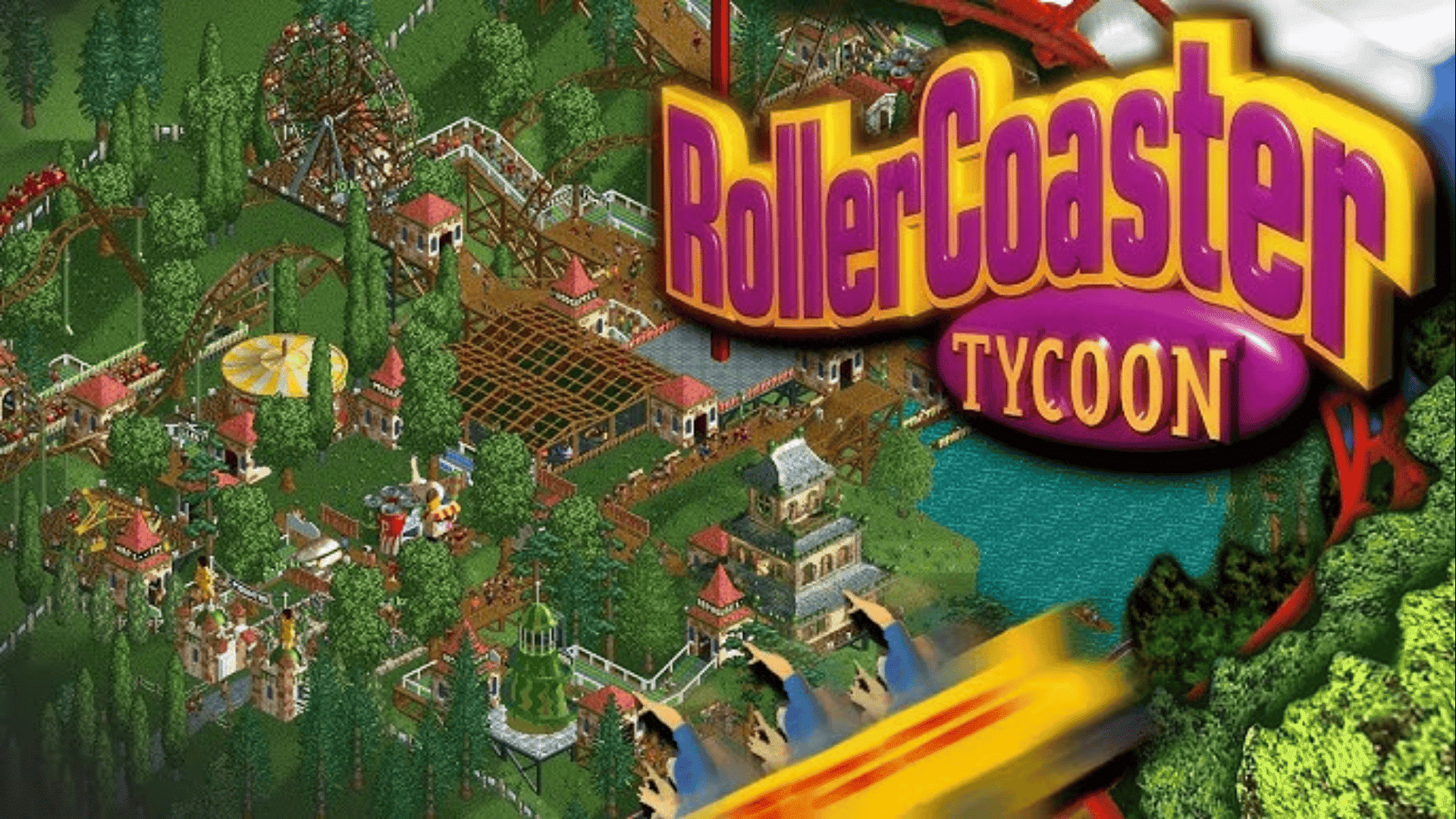
A simulation game that allows players to design and manage their own amusement park, constructing thrilling roller coasters and managing guest satisfaction.
Chris Sawyer’s masterpiece, coded entirely in assembly language, let players build elaborate park designs with incredible detail.
25. System Shock 2 (1999)
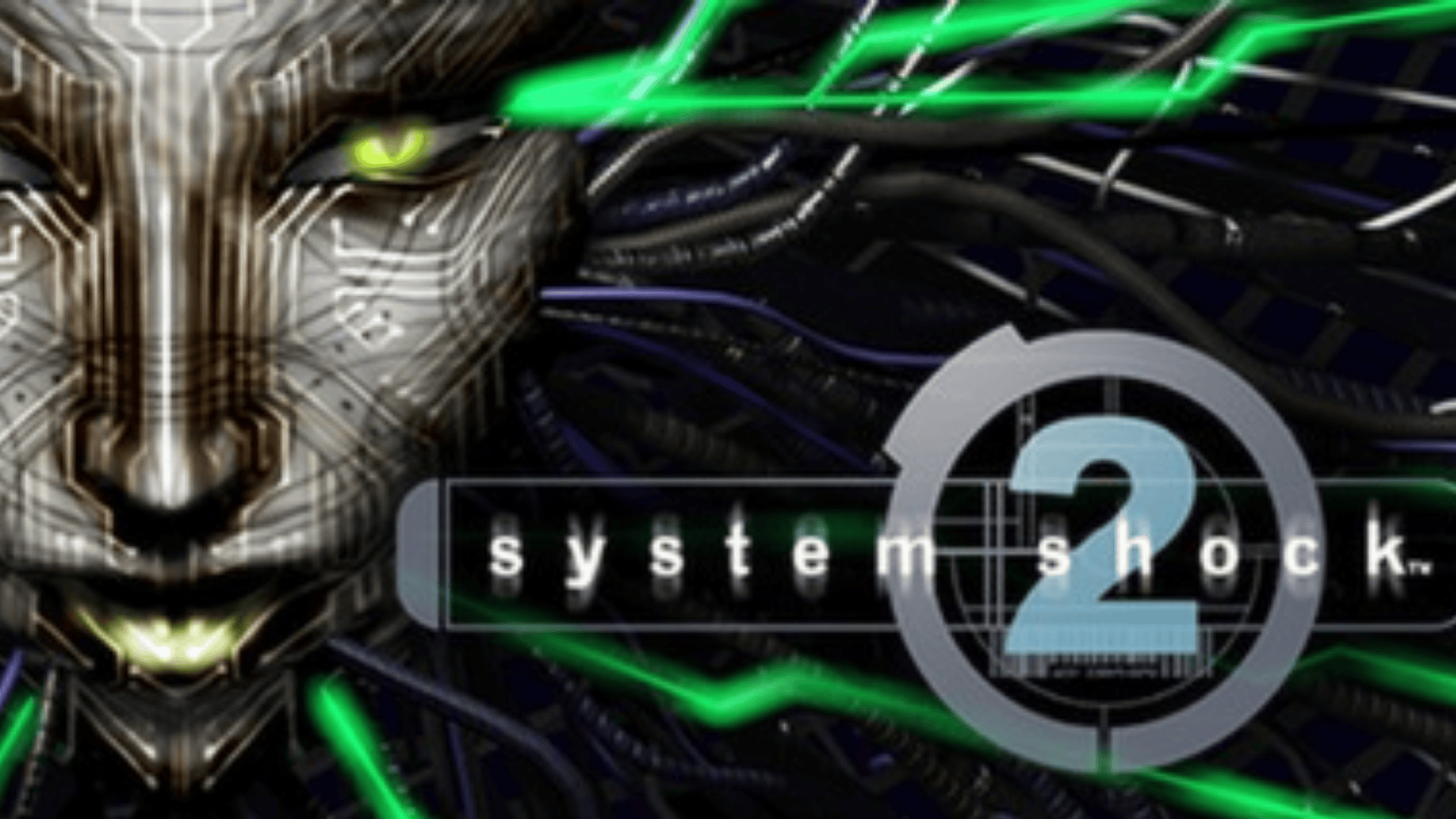
Blending RPG elements with survival horror and FPS gameplay, System Shock 2 put players aboard a haunted starship.
Its atmosphere, emergent storytelling, and player choice in character development influenced games like BioShock and Deus Ex.
Best 2000s PC Games That Shaped Modern Gaming
The 2000s pushed PC gaming forward with online play, deeper stories, and technical breakthroughs that still influence games today.
26. Diablo II (2000)
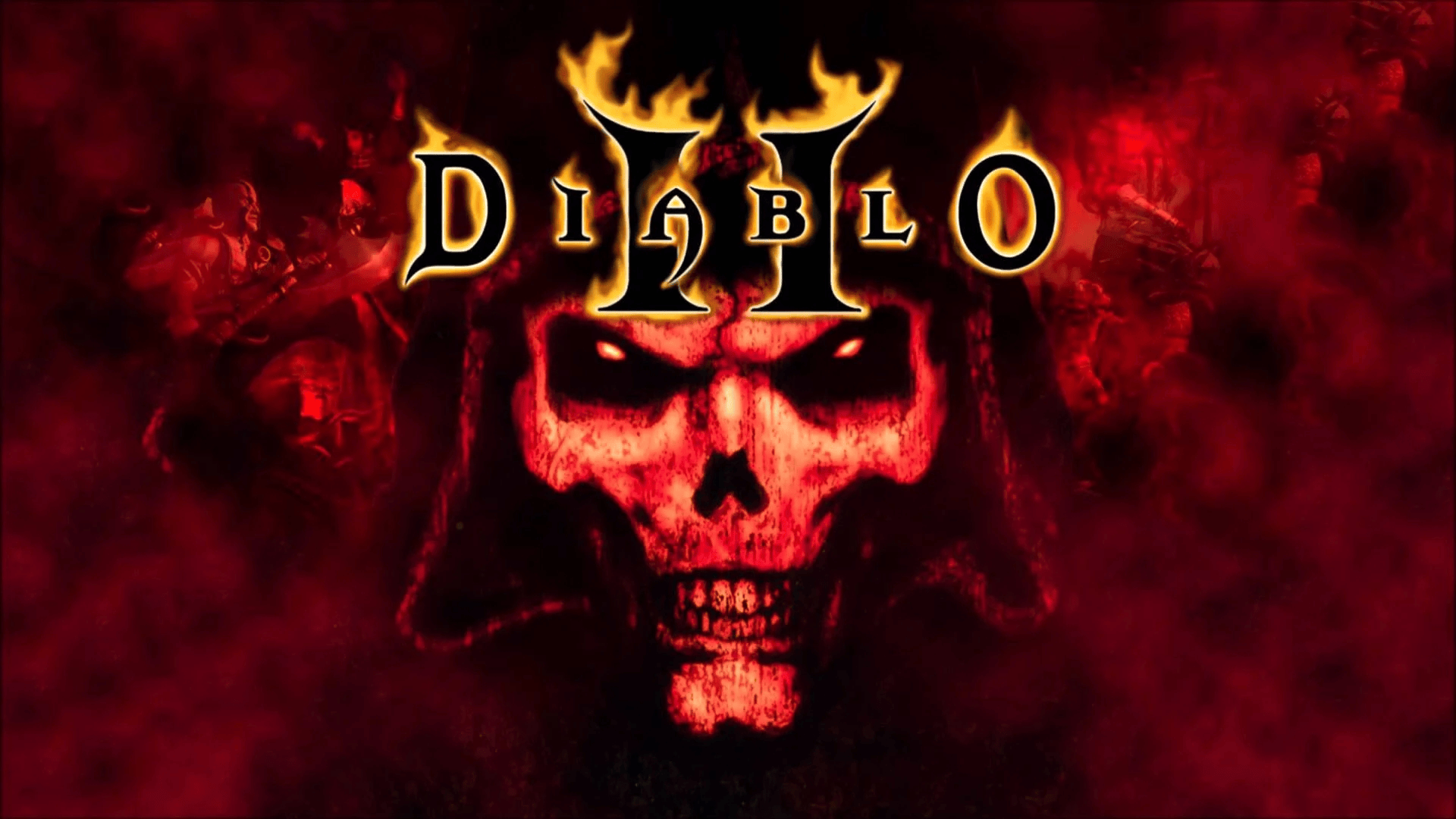
Diablo 2 is the pinnacle of the classic isometric hack-and-slash genre, with games that could surpass it still few and far between even today.
Five character classes, randomized loot, and the Lord of Destruction expansion created hundreds of hours of demon-slaying entertainment.
27. The Sims (2000)
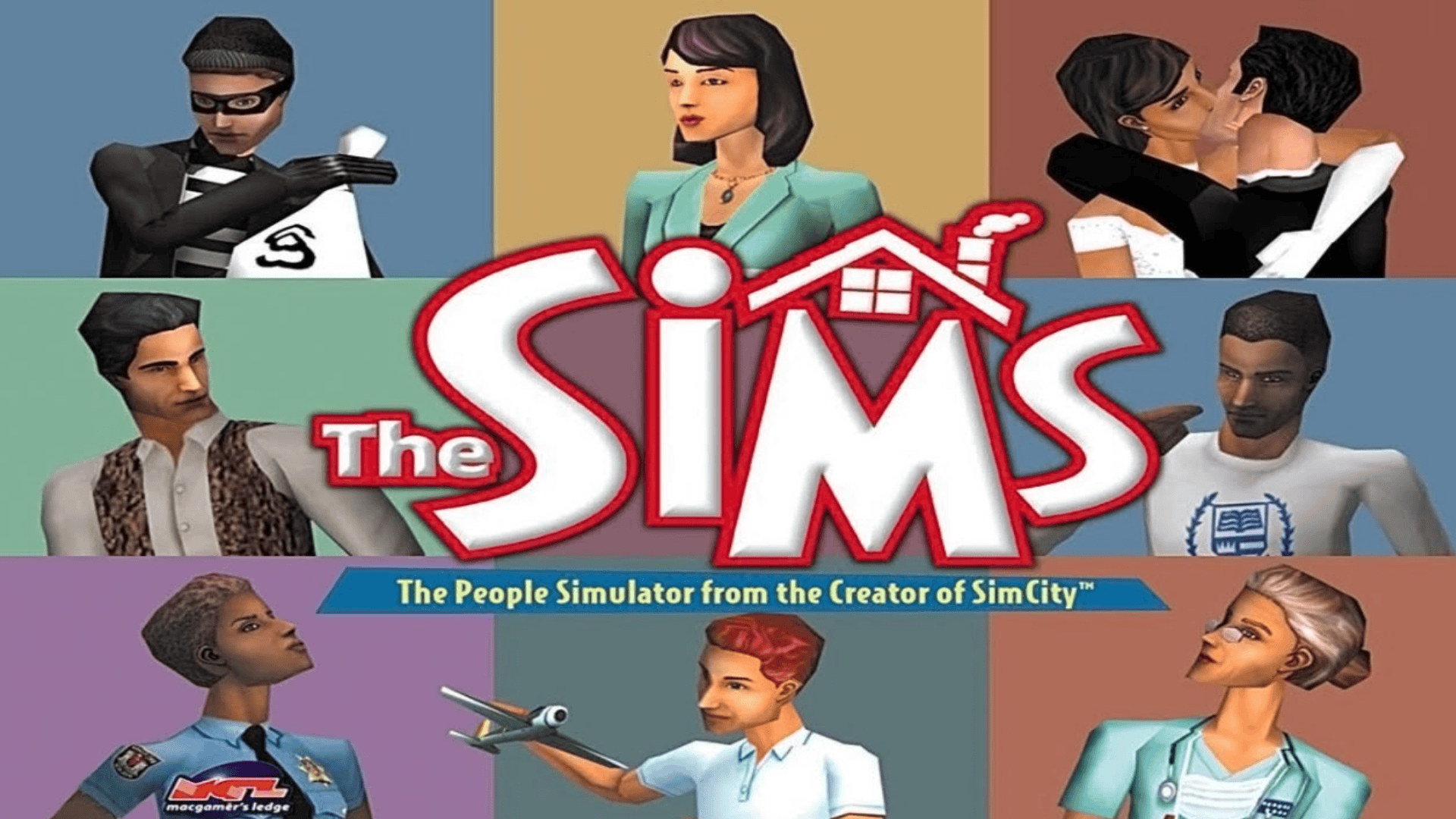
In SimCity, you had the power to build cities; with The Sims, you’ll create and control people.
Will Wright’s life simulation lets players create virtual people and guide their daily lives, careers, and relationships. Its success launched a franchise that continues to this day.
28. Counter-Strike (2000)
Counter-Strike modifies the multiplayer aspects of Half-Life to bring more team-oriented gameplay, providing the experience that trained counter-terrorist units or terrorist units face.
Its competitive 5v5 format created the blueprint for tactical shooters and modern esports.
29. Deus Ex (2000)
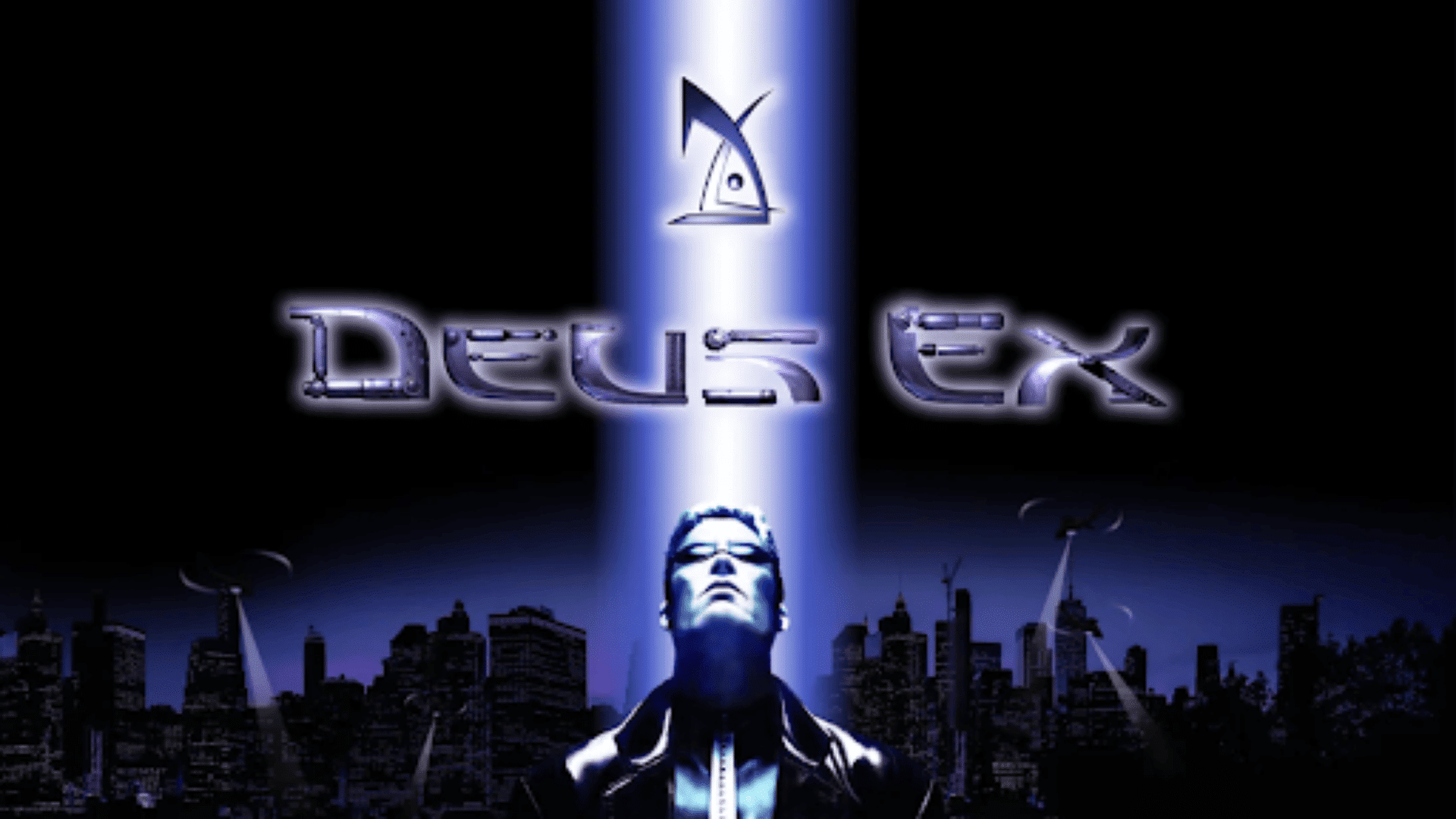
The game blends RPG, action, adventure, and first-person shooter elements with real-world conspiracies, cliffhangers, and plot twists in a richly simulated world.
Multiple paths to complete objectives and player choice in character development made every playthrough unique.
30. Max Payne (2001)

Max Payne featured a noir storyline and comic-book-like cinematography, unlike anything seen in a dark, violent action game, and it offered fun slow-motion gameplay.
Bullet time mechanics borrowed from The Matrix made shootouts feel cinematic and strategic.
31. Grand Theft Auto III (2001)
Grand Theft Auto III features all the general GTA mechanics where you play as Claude, betrayed during a robbery and barely escaping police custody to exact revenge.
The open-world crime simulator established 3D gameplay elements that defined the franchise.
32. The Elder Scrolls III: Morrowind (2002)
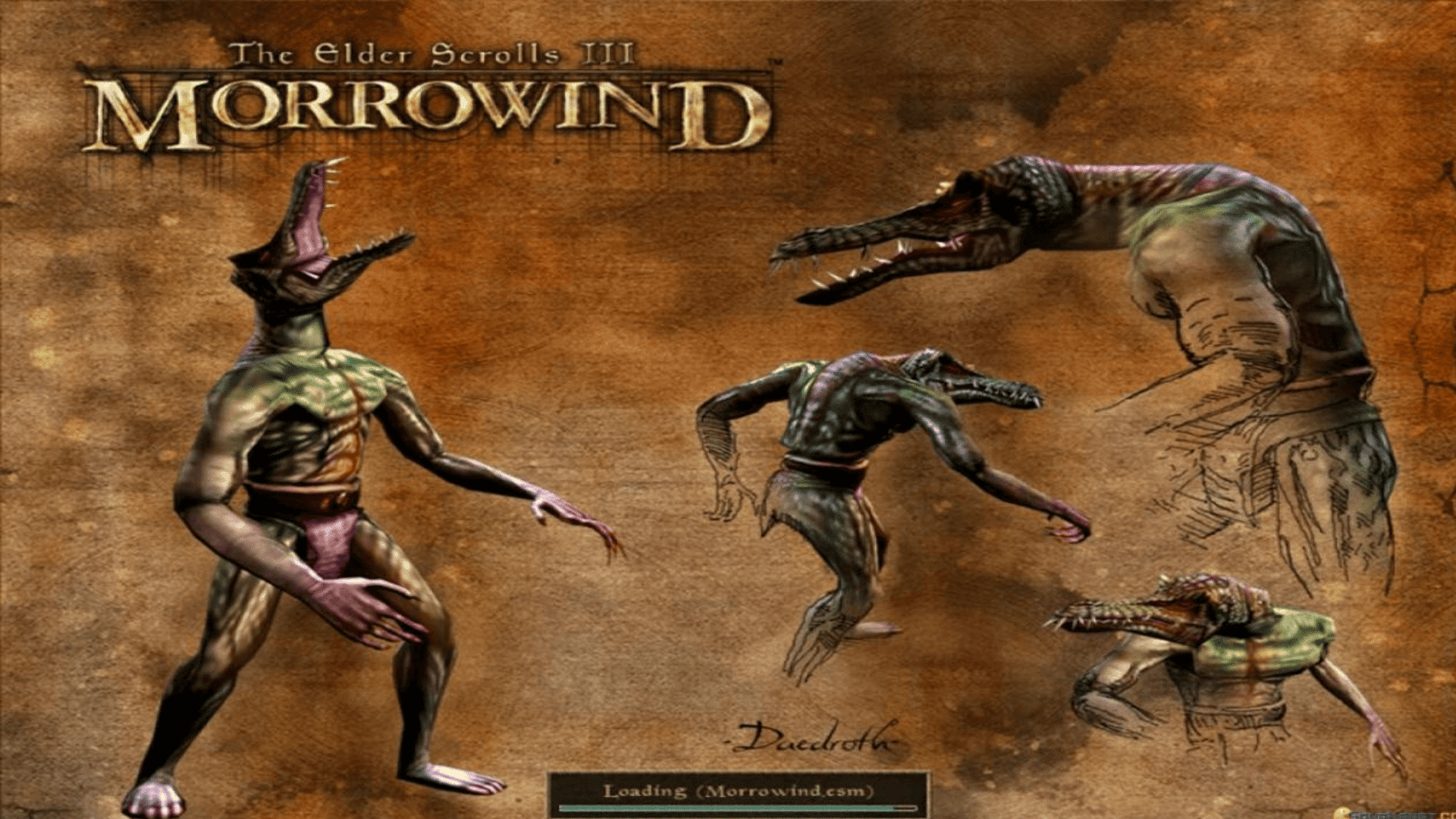
Even after Skyrim’s release, Morrowind is still considered by some the best Elder Scrolls game, with a huge open world and open-ended gameplay that incentivizes exploration.
The alien landscape of Vvardenfell, its deep lore, and the freedom to break the game through spell crafting created an unforgettable experience.
33. Warcraft III: Reign of Chaos (2002)
Blizzard’s RTS masterpiece added RPG elements to traditional base building and army management.
The game’s custom map editor spawned entire genres, most notably DOTA, which evolved into the MOBA genre.
34. Star Wars: Knights of the Old Republic (2003)
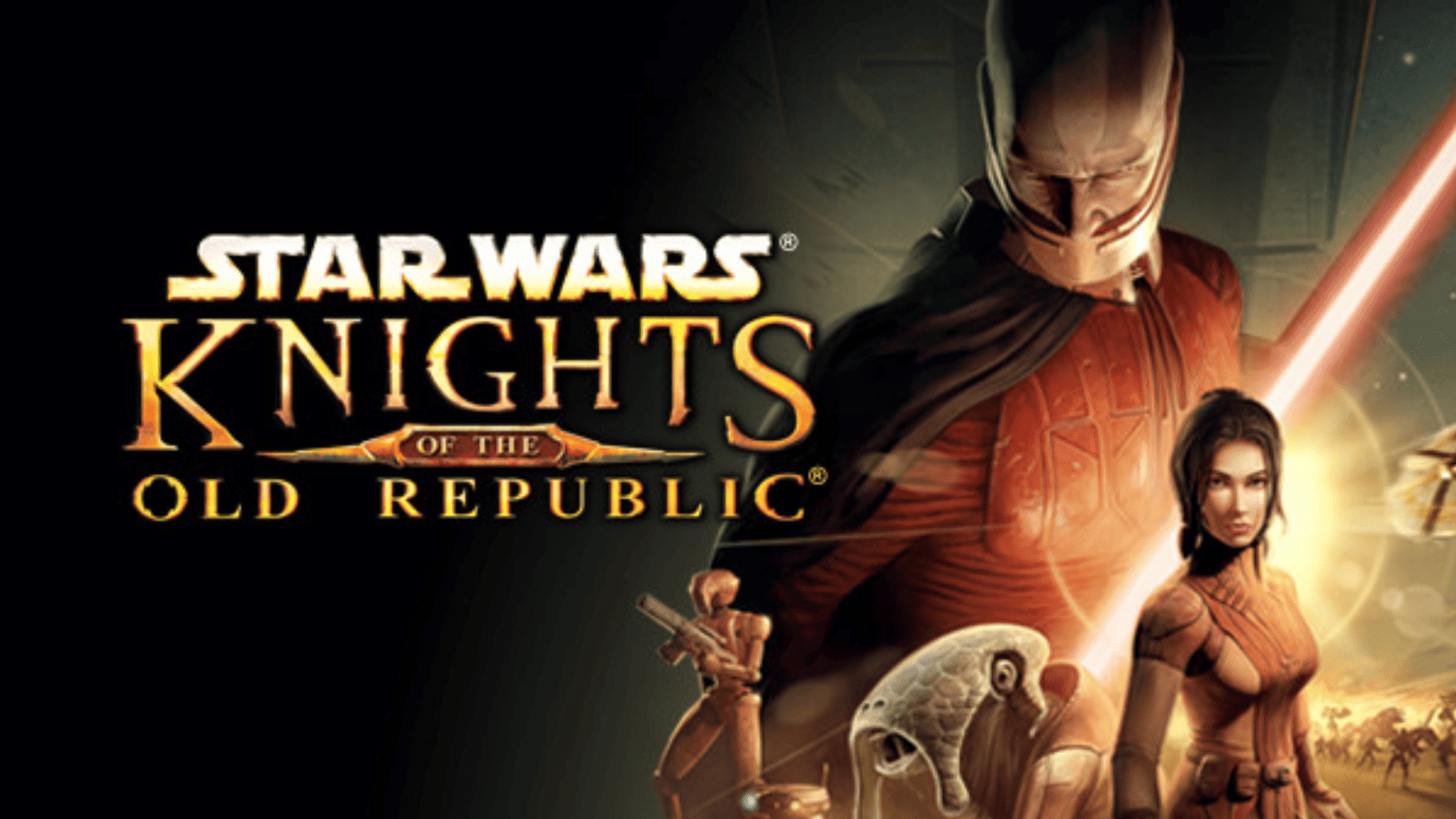
BioWare’s Star Wars RPG let players create their own Jedi (or Sith) in the Old Republic era.
Turn-based combat, companion relationships, and one of gaming’s greatest plot twists made KOTOR essential for RPG fans.
35. Call of Duty (2003)
The original Call of Duty focused on cinematic World War II battles, emphasizing squad-based combat and scripted moments that set it apart from earlier shooters.
The series started with World War II but would soon redefine modern military shooters.
36. Half-Life 2 (2004)
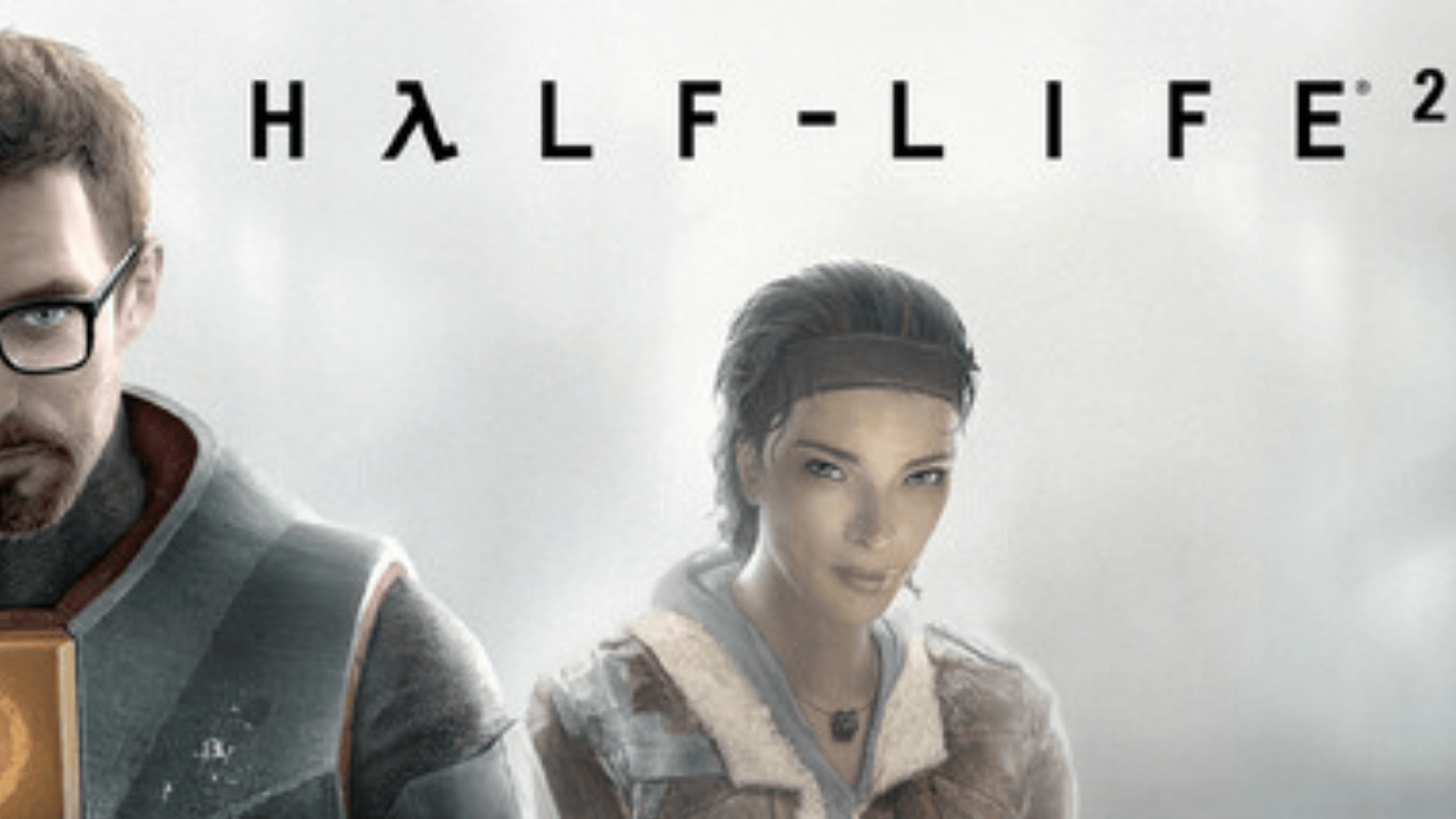
Half-Life 2 revolutionized gaming with its narrative design, facial expressions, atmosphere, and its handling of advanced 3D physics.
Gordon Freeman’s return featured the iconic Gravity Gun, memorable characters like Alyx Vance, and set pieces that remain impressive today.
37. World of Warcraft (2004)
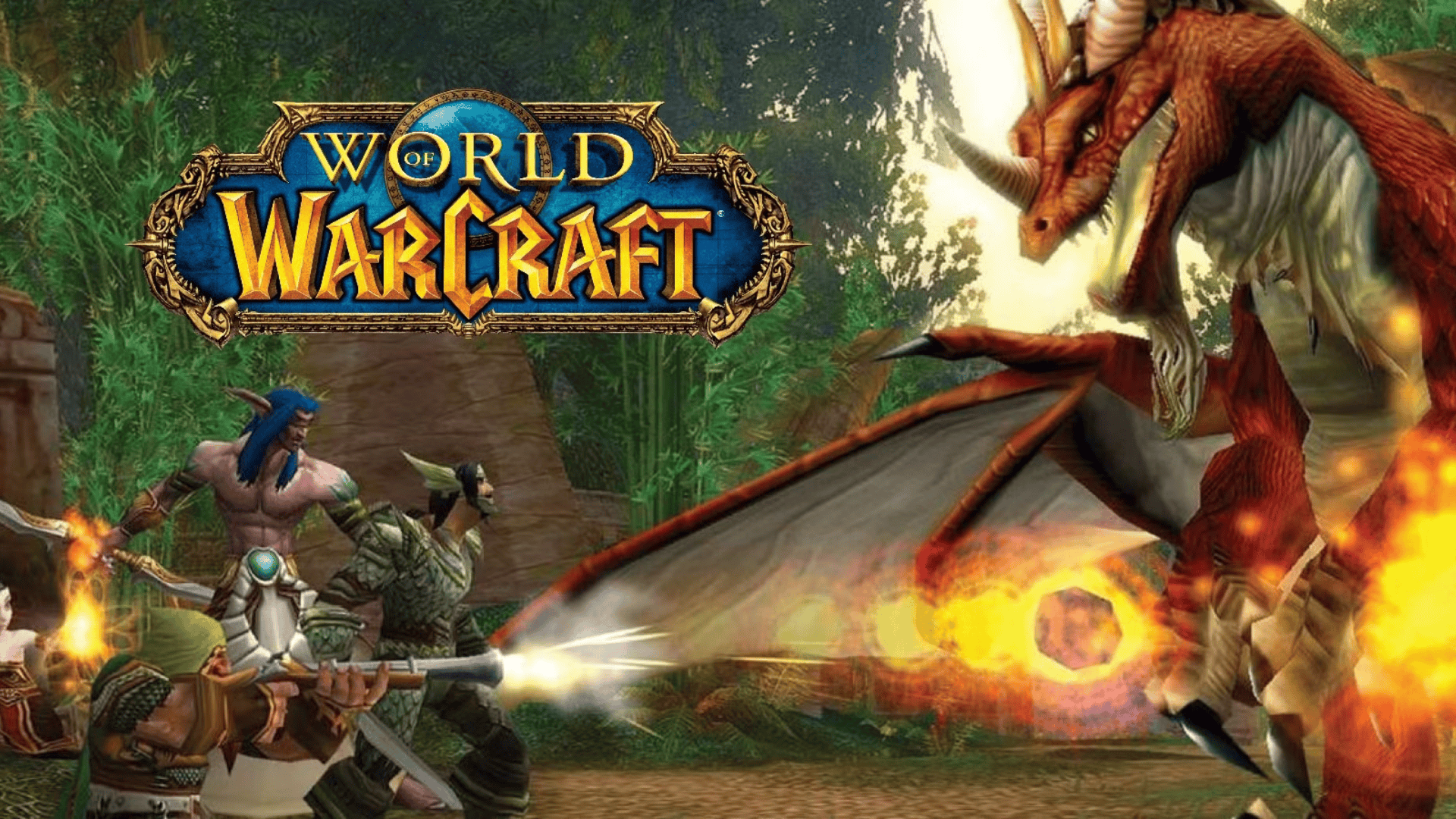
World of Warcraft is without a doubt the most successful MMORPG of all time, with millions of players still logging in regularly to complete tasks, beat challenging raids, and explore Azeroth.
Its accessible gameplay, rich lore, and social features created a phenomenon that transcended gaming.
38. The Sims 2 (2004)
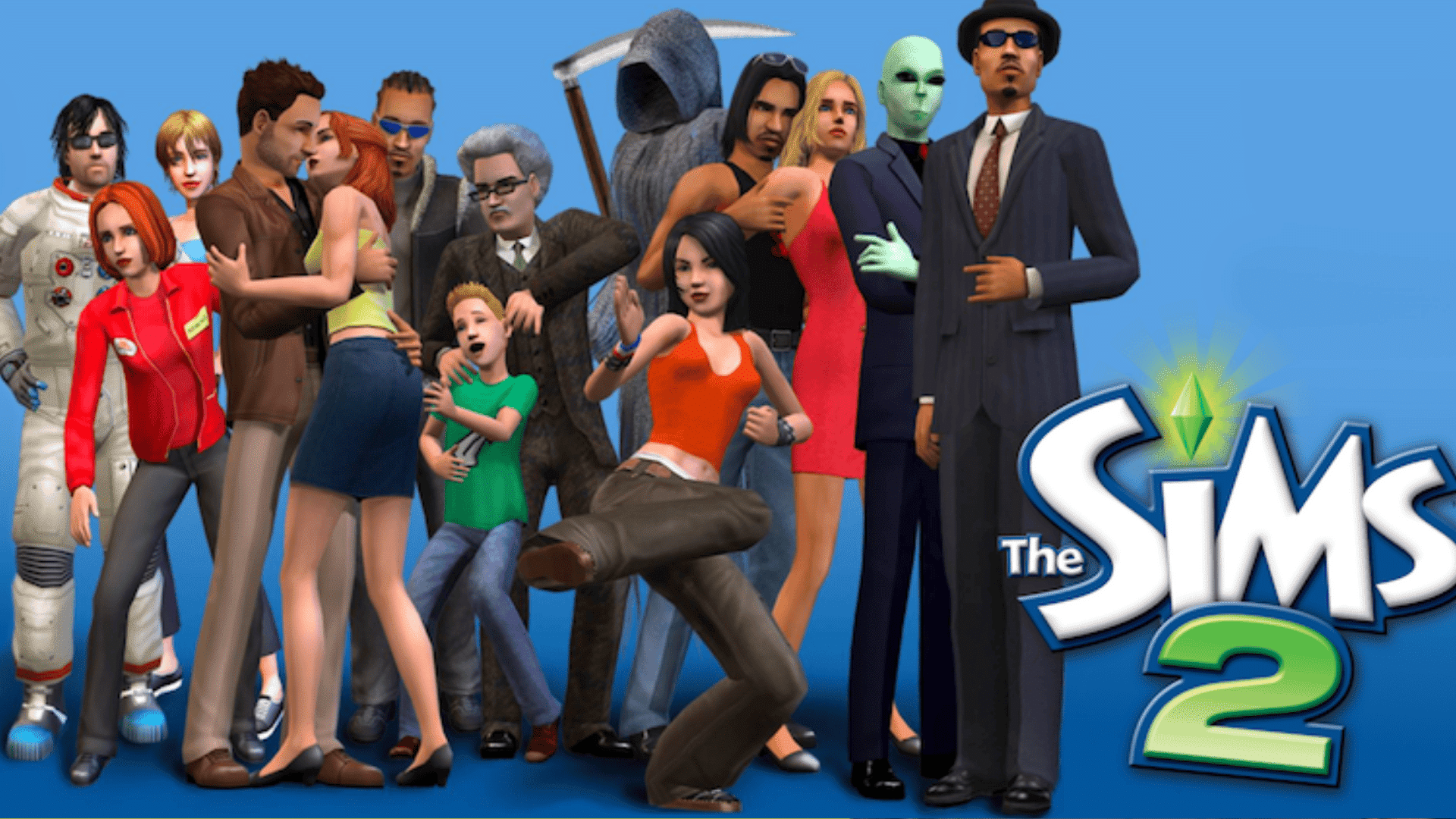
Improving on the original with 3D graphics, genetics that passed through generations, wants and fears systems, and life stages from birth to death.
The sequel added depth while maintaining the addictive “one more Sim day” gameplay.
39. Grand Theft Auto: San Andreas (2004)
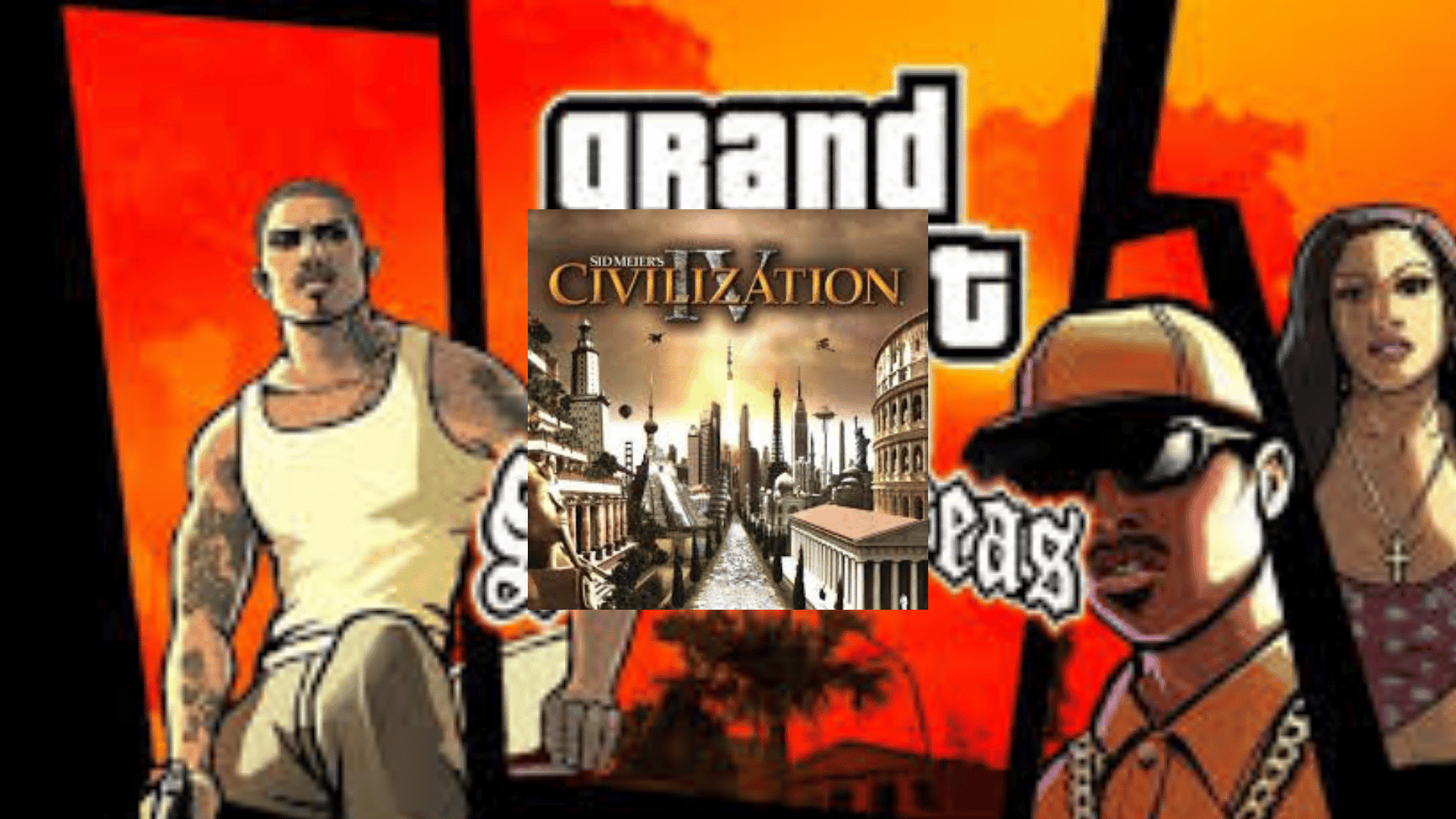
Carl “CJ” Johnson’s story across San Andreas dramatically expanded GTA’s scope.
RPG elements like character customization, territories to control, and activities from basketball to burglary made it the most ambitious GTA yet.
40. Civilization IV (2005)
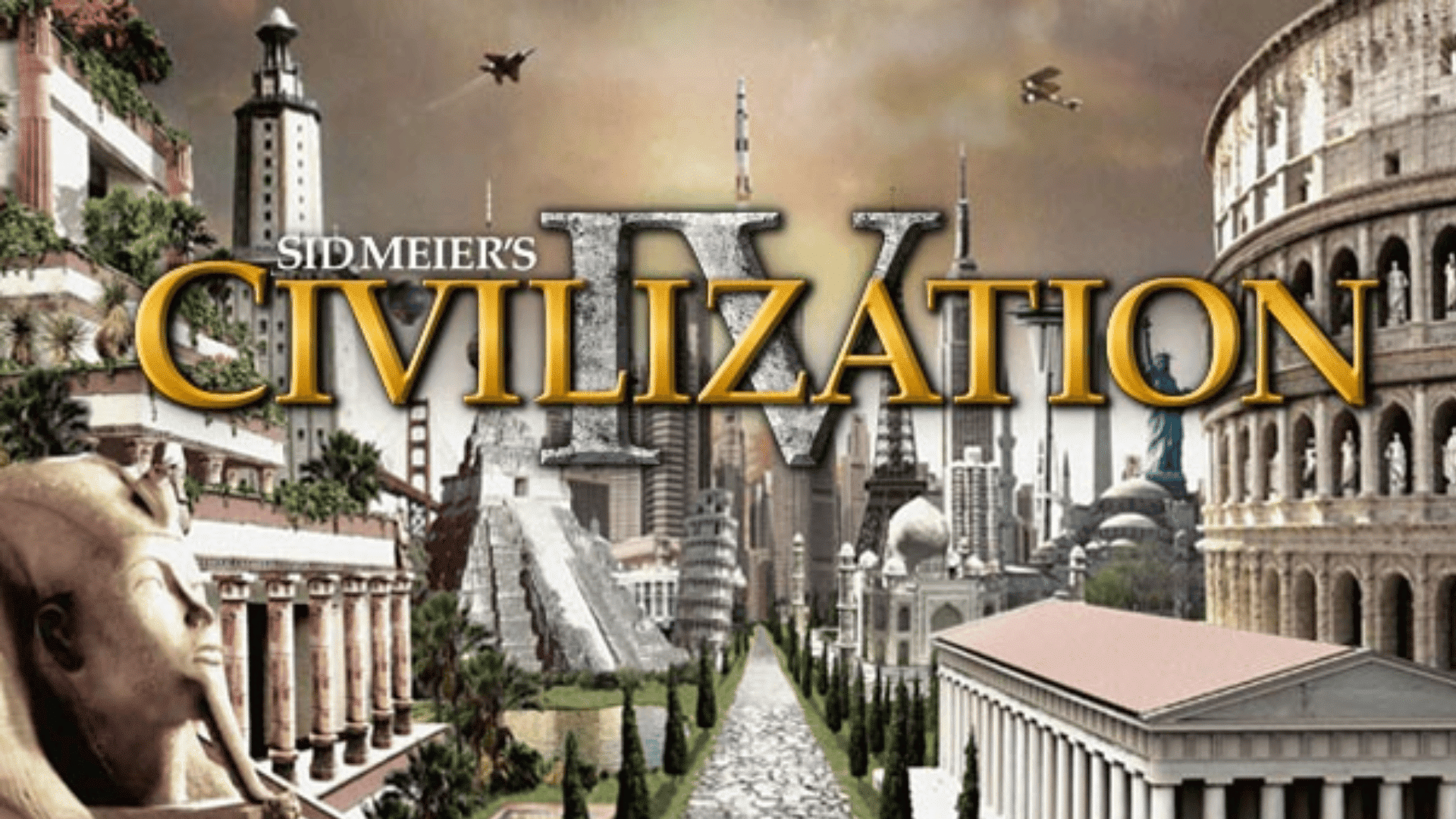
Sid Meier’s series reached new heights with improved diplomacy, religion systems, and Leonard Nimoy’s iconic voice work.
“Just one more turn” became an even more dangerous promise with Civ IV’s refined gameplay.
41. The Elder Scrolls IV: Oblivion (2006)
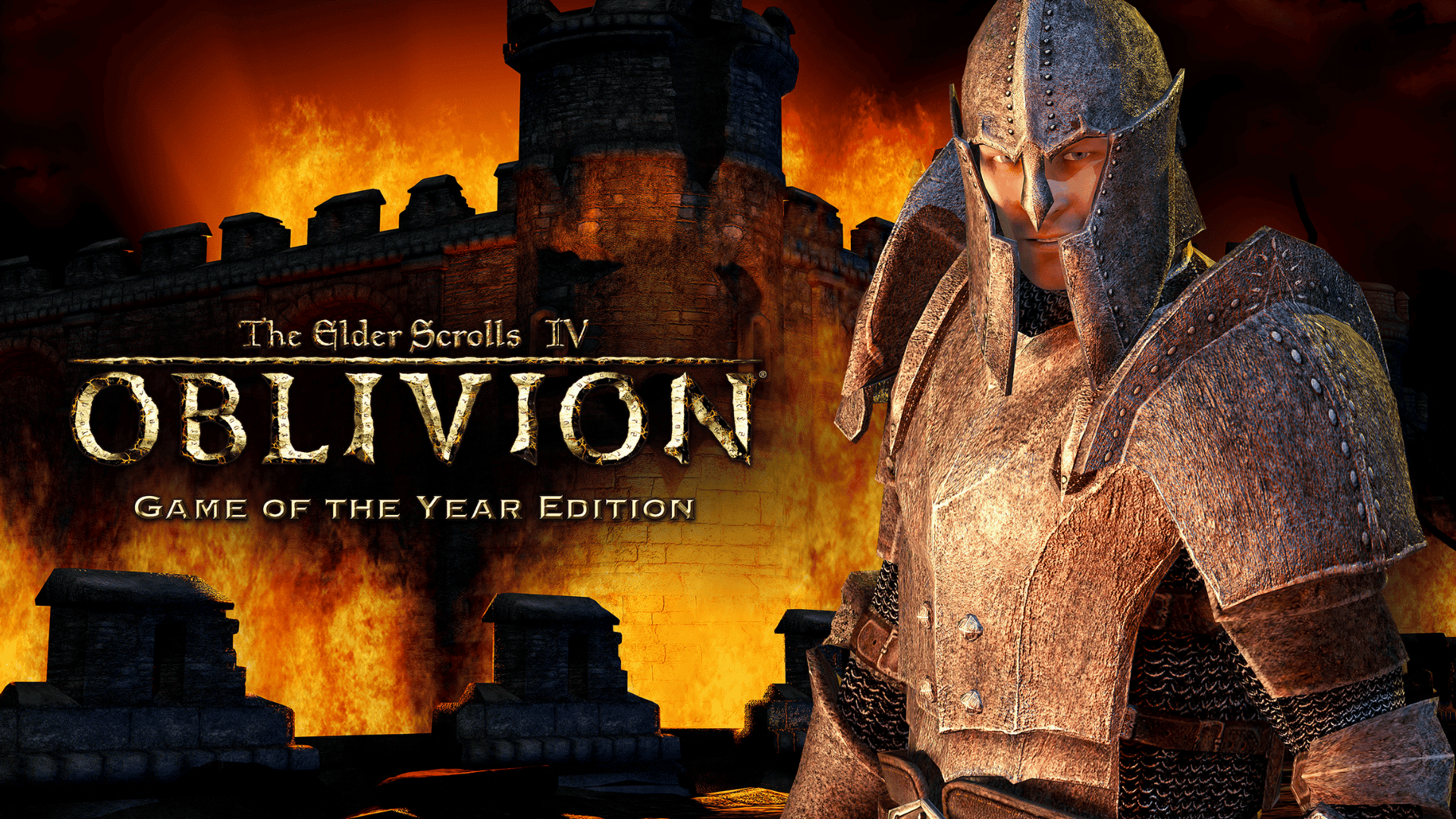
Following Morrowind, Oblivion introduced improved graphics, full voice acting (including Patrick Stewart!), and more accessible gameplay while maintaining the series’ open-world exploration.
The Dark Brotherhood questline remains one of RPG gaming’s best.
42. BioShock (2007)
BioShock features a well-crafted design with a short, concise campaign that’s about as well-designed as you could get in gaming.
Rapture’s underwater dystopia, moral choices around Little Sisters, and the “Would you kindly” twist made it an instant classic.
43. Portal (2007)

Part of The Orange Box, Portal proved that innovative puzzle design and sharp writing could create magic in a compact package.
The companion cube, cake promises, and GLaDOS’s dark humor made this physics puzzler unforgettable.
44. Crysis (2007)
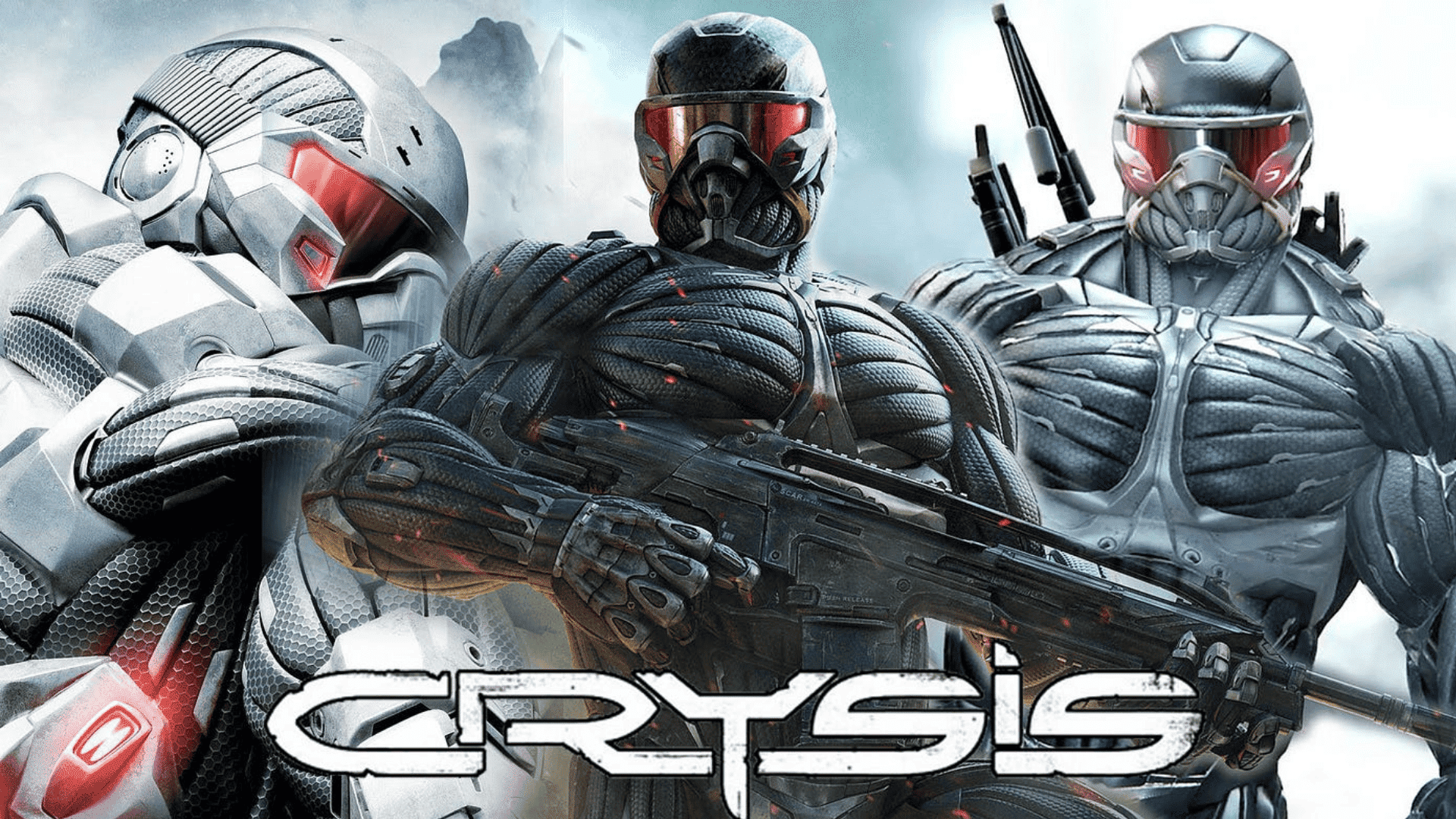
“But can it run Crysis?” became a meme because this tropical shooter pushed PC hardware to its absolute limits.
The nanosuit’s powers, large open levels, and stunning visuals made it a technical showcase that games still chase today.
45. Dragon Age: Origins (2009)
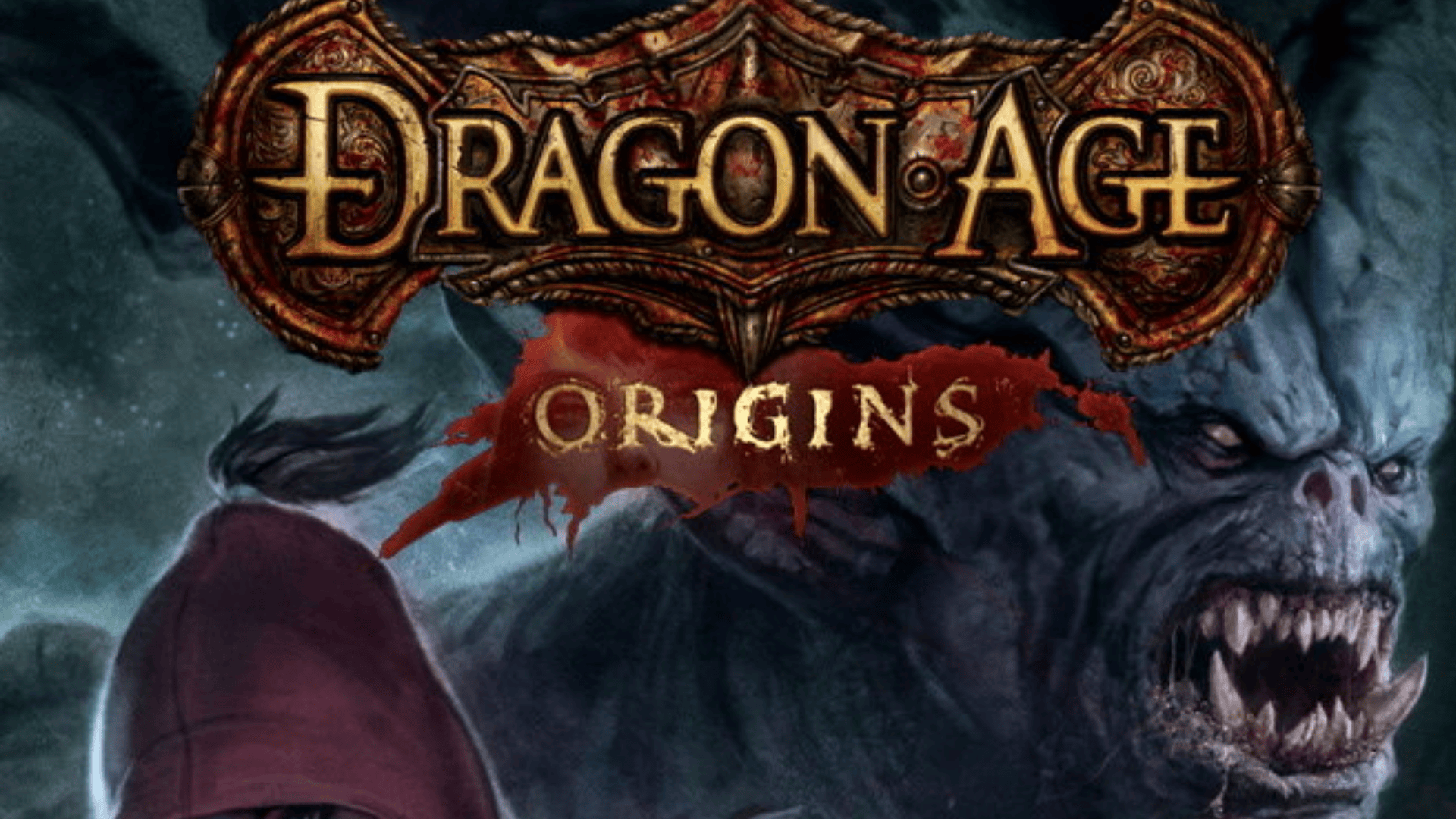
BioWare’s return to dark-fantasy RPG roots delivered tactical, party-based combat, meaningful choices with consequences, and origin stories that shaped your character’s journey.
The Darkspawn threat and Grey Warden lore created a rich new fantasy world.
Features That Made 2000s PC Games Legendary
The 2000s took everything the 90s established and amplified it. This decade saw several key developments:
Online multiplayer became standard: Broadband internet replaced dial-up, making persistent online worlds feasible.
World of Warcraft became the most successful MMORPG of all time after its 2004 introduction, becoming a cultural phenomenon. Counter-Strike transformed from a Half-Life mod into a competitive esports staple.
Graphics and physics advanced dramatically: Half-Life 2 revolutionized the industry with advanced 3D physics that made environments feel more believable and interactive.
Games like Crysis pushed hardware to its limits, and the phrase “But can it run Crysis?” became a meme.
Storytelling matured: Games like BioShock, Deus Ex, and Knights of the Old Republic proved that games could deliver narratives as compelling as films or books.
Player choice became central to many experiences, with consequences that mattered.
Modding communities thrived: Games like Morrowind, Warcraft III (which spawned DOTA), and Half-Life 2 (with Garry’s Mod) showed how player creativity could extend a game’s life indefinitely.
How to Play These Classic Games Today
Reliving classic PC games is easier than ever today, thanks to digital storefronts, modern compatibility tools, and active communities keeping legendary 90s and 2000s titles playable.
Where to Buy Classic PC Games:
GOG (Good Old Games): DRM-free classics, Preservation Program support, strong 90s and 2000s catalog, plus manuals, soundtracks, and artwork.
Steam: Large library of classic PC games with community patches and Workshop support, though not all titles are DRM-free.
Official re-releases and remasters: Updated visuals and performance while preserving gameplay, such as Diablo II: Resurrected, System Shock Remake, and Age of Empires II: Definitive Edition.
Most classics run well on modern systems using built-in compatibility, DOSBox, or fan patches. Buying from official sources supports preservation, ensures legality, and helps classic PC games remain accessible for future generations.
The Legacy of Classic PC Gaming
The 90s and 2000s weren’t just important for PC gaming; they were foundational.
These games created genres, established franchises, and proved that computer games could be as culturally significant as any entertainment medium.
Today’s gaming landscape exists because developers over the past decades have taken risks, pushed boundaries, and created experiences players won’t forget.
Even if you’re revisiting favorites from your youth or discovering these classics for the first time, each game on this list offers something special.
The best part? Many are more accessible now than when they were first released.
Thanks to GOG’s preservation efforts, Steam’s library, and passionate communities keeping these games alive, there’s never been a better time to experience classic PC gaming.
What’s your favorite classic PC game from the 90s or 2000s? Share your memories in the comments below, and let us know which games deserve to be on this list!