



Not every game night has to end with someone flipping the table. Co-op board games let you play together as the same team, with the same goal, to win or lose as a group.
No rivalry, no hard feelings. Everyone is figuring things out in real time. You might be racing to cure a disease, escaping a sinking island, or fighting off monsters in the dark. The game is the opponent. Your job is to outlast it.
Some sessions will go smoothly. Others will fall apart in the best way possible. That’s honestly half the fun. There are a lot of coop games out there. Not all of them are worth your Friday night, but a few of them really are.
What Makes a Great Coop Board Game?
Not every cooperative game earns a spot on your shelf. Some look great on the box but fall flat the moment you sit down. Here’s what actually separates a good one from a forgettable one.
- Everyone gets a say: No one player should be calling all the shots. Good coop games give everyone a role, a decision, and a reason to stay engaged. If one person is running the show, it stops being fun for the rest of the table pretty quickly.
- It’s tough but fair: You should feel challenged, not punished. Losing because of a bad strategy is fine. Losing because the game threw something impossible at you? That’s just frustrating.
- It plays well at different player counts: whether you’re sitting down with two or five people, the game should hold up. A great coop doesn’t fall apart just because someone cancelled at the last minute.
- Rules that don’t take forever: Setup and learning the rules should be quick enough that you actually want to play again. If the rulebook needs its own rulebook, that’s a red flag.
- Replay value: The best coop games feel a little different every time. Variable setups, random events, or campaign progression all help keep things fresh well past the first play.
A great coop game doesn’t need flashy components or a massive rulebook. It just needs to keep everyone engaged, right up until the very last move.
Best Cooperative Board Games
Cooperative board games have grown into some of the most engaging tabletop experiences, blending strategy, storytelling, and teamwork. This list ranks the best co-op board games based on gameplay quality, table experience, and how well they reward teamwork, whether as repeatable favorites or one-time standout campaigns.
1. Spirit Island
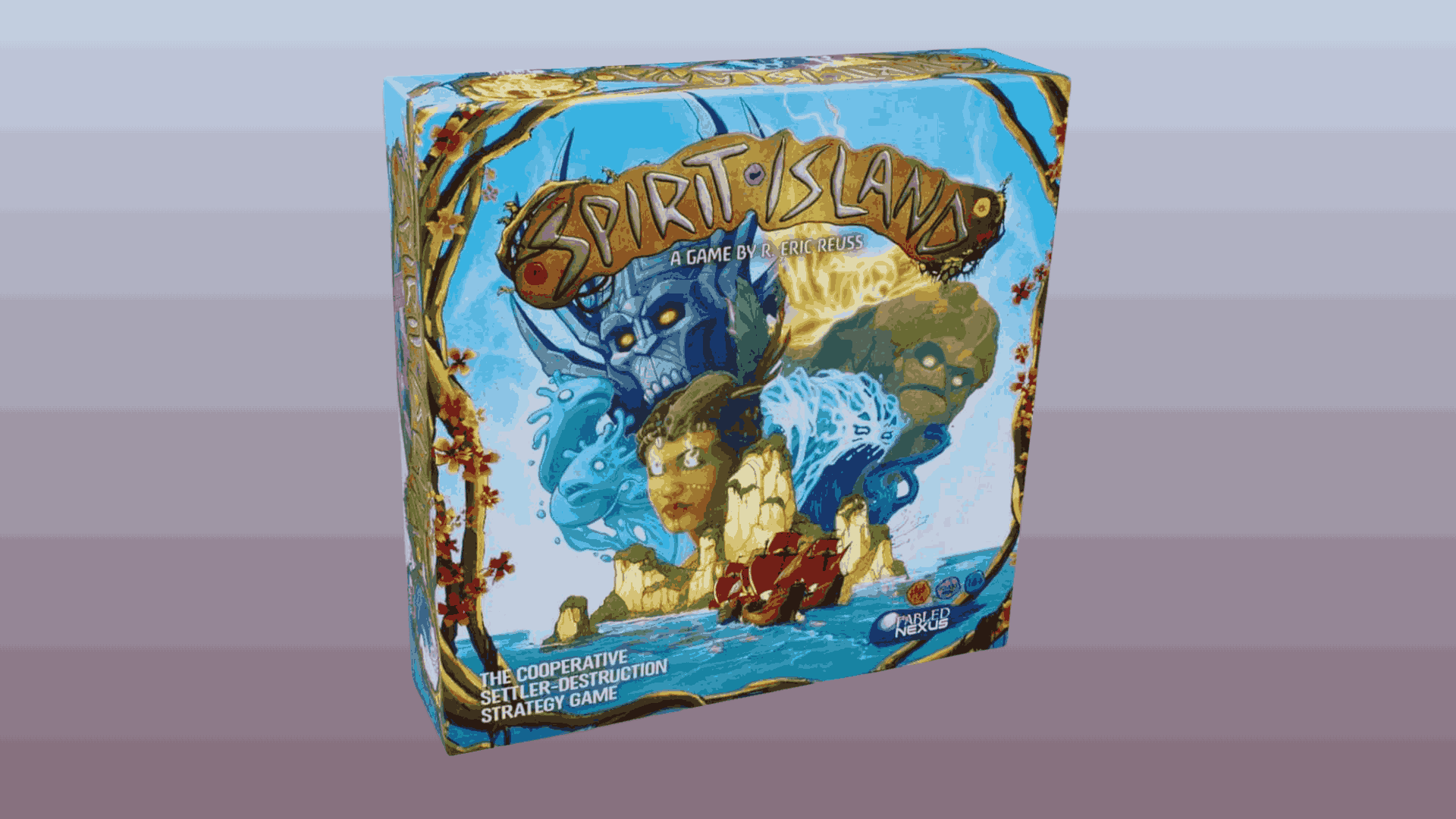
A masterclass in deep cooperative strategy, Spirit Island stands out for its complex decision-making and powerful team synergy. It ranks at the top thanks to its unmatched replayability and layered gameplay, where every choice feels impactful.
- Best for: Choose this if your group loves deep strategy, layered powers, and long-term planning.
- Play profile: 1–4 (up to 6) / 90–150 min / Heavy.
- What to know: Setup and rules are chunky, but quarterbacking stays low because decisions are complex and highly interdependent. The learning curve is steep initially.
- Similar picks: Mage Knight; Too Many Bones.
2. Pandemic Legacy: Season 1
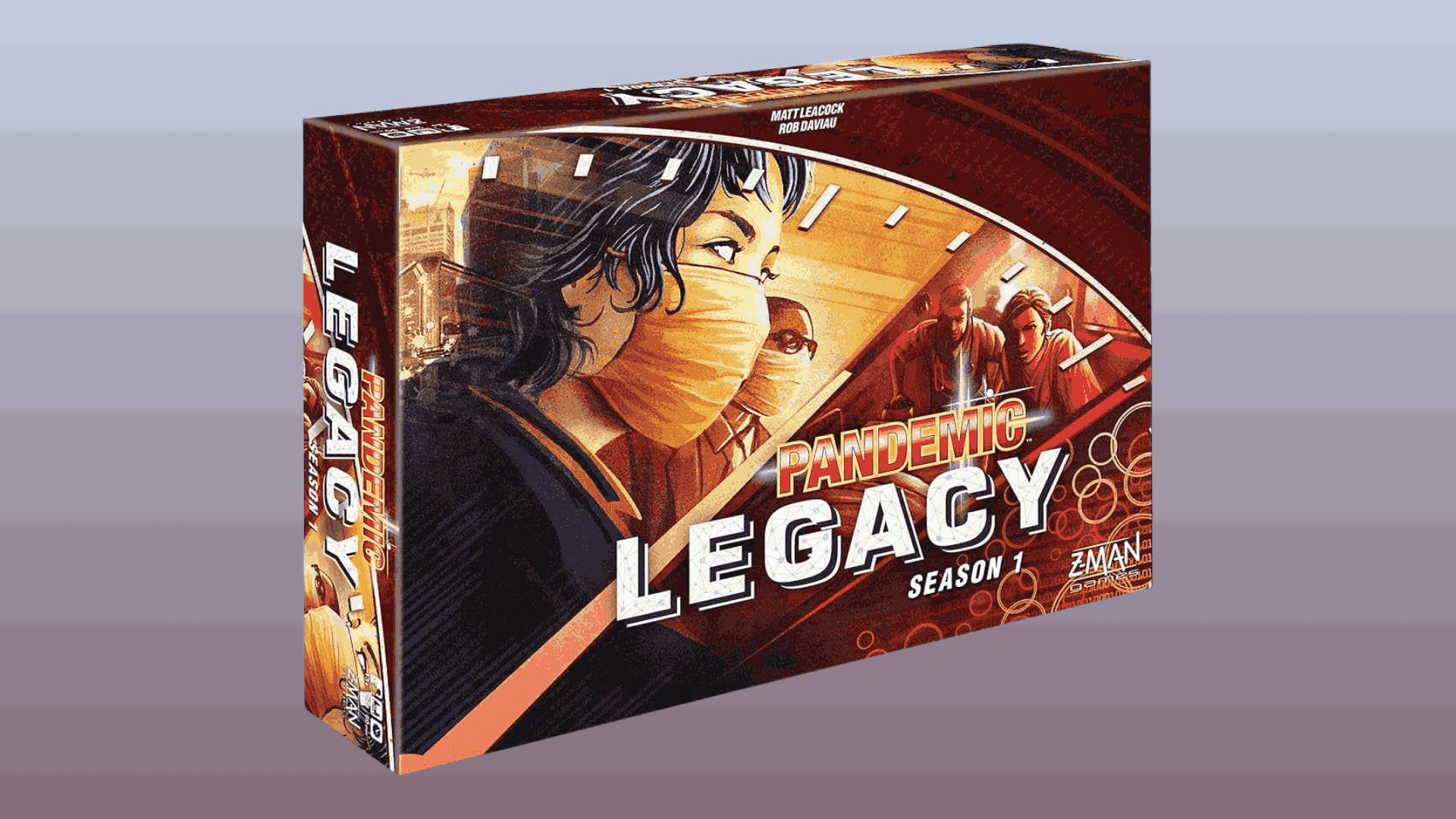
This game earns its spot for delivering one of the most memorable campaign experiences in board gaming. Its evolving story and permanent consequences make every session feel meaningful and emotionally engaging.
- Best for: Pick this if you want a campaign that feels like a TV season your group experiences together.
- Play profile: 2–4 / 60–90 min / Medium.
- What to know: It’s a one-time campaign and can lead to quarterbacking, so rotate decision-making leadership between sessions. The experience spans 12 to 24 plays.
- Similar picks: Pandemic Legacy: Season 2; Clank! Legacy.
3. Arkham Horror: The Card Game
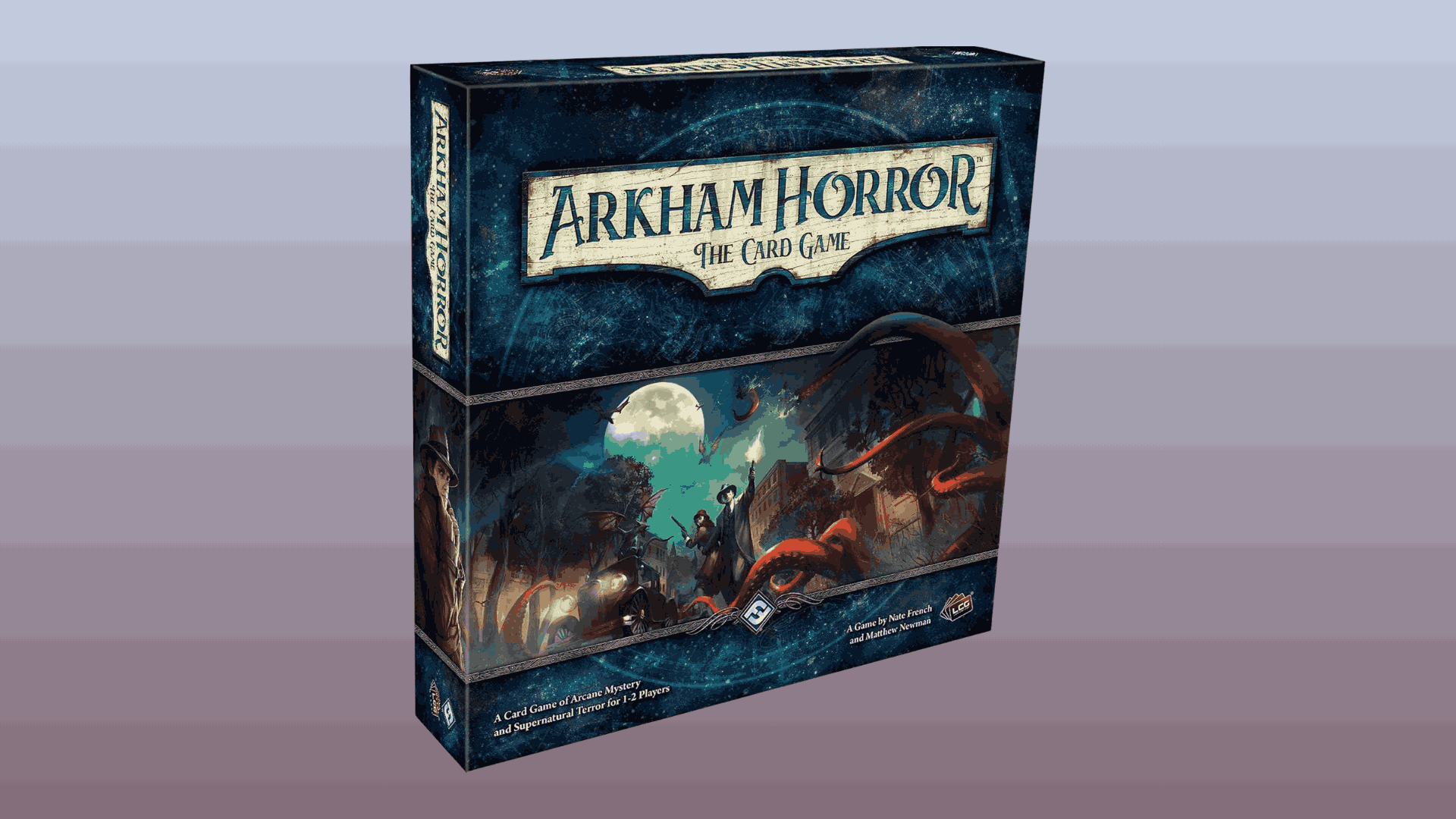
Blending narrative depth with tactical deckbuilding, this game ranks highly for its immersive storytelling and meaningful player choices. The constant tension and growing campaign keep players deeply invested.
- Best for: This is ideal for groups that want narrative horror plus deckbuilding and tough, tactical tradeoffs.
- Play profile: 1–2 (up to 4) / 60–120 min / Medium-Heavy.
- What to know: Deckbuilding and expansions add complexity and cost, but quarterbacking stays low because each deck has specific responsibilities and limitations.
- Similar picks: Marvel Champions; LOTR: The Card Game.
4. Gloomhaven: Jaws of The Lion
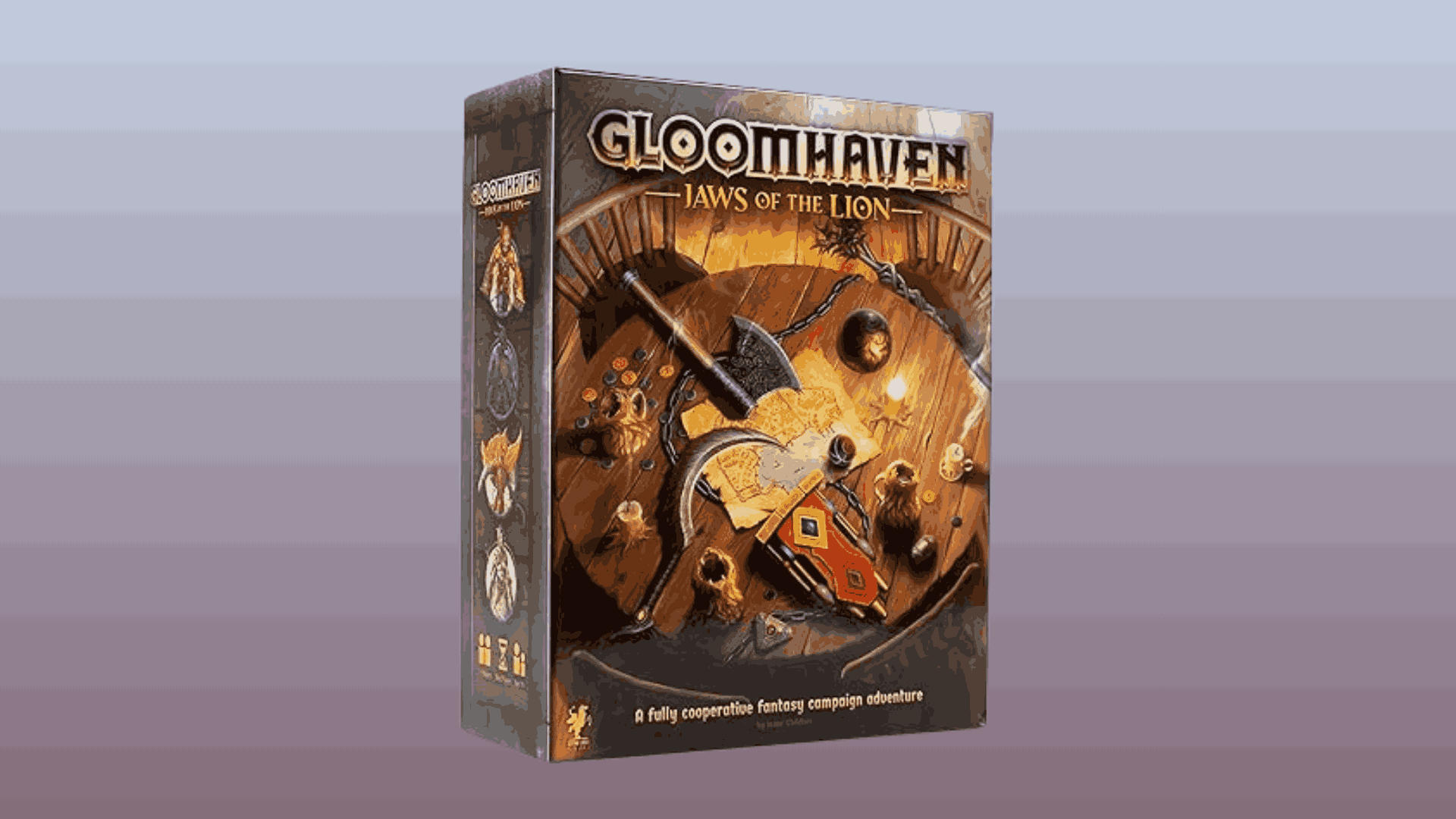
A perfect entry into tactical co-op campaigns, it ranks here for its accessible learning curve and satisfying combat puzzles. Team coordination and strategic planning shine in every scenario.
- Best for: Choose this if your group wants tactical combat puzzles with a smoother ramp-up than big-box campaign games.
- Play profile: 1–4 / 60–120 min / Medium-Heavy.
- What to know: Setup still takes time, but quarterbacking is low because players manage private hands and timing. Scenarios increase in difficulty gradually.
- Similar picks: Gloomhaven; Frosthaven.
5. The Crew (the Quest for Planet Nine & Mission Deep Sea)
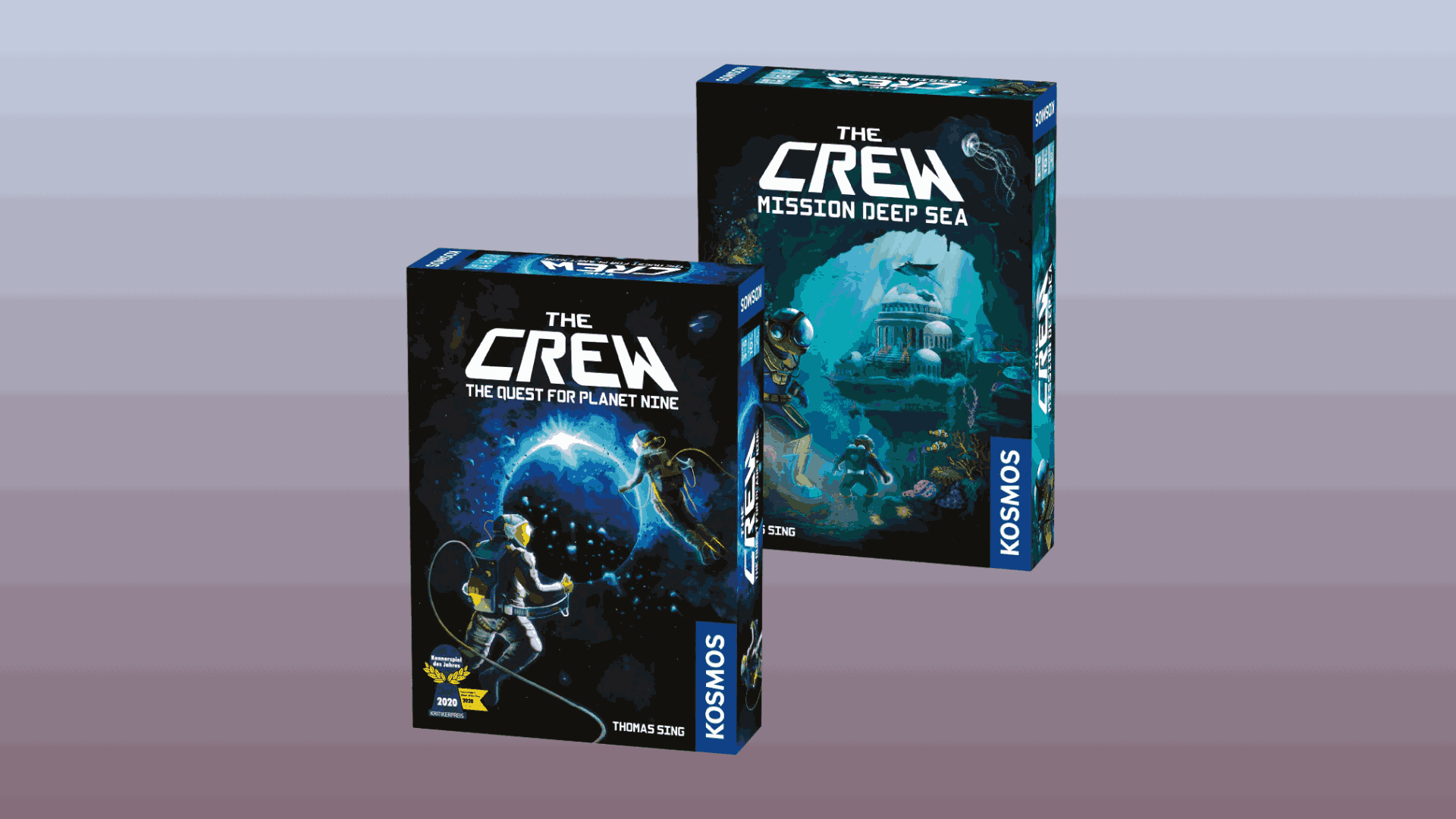
This clever card-based co-op earns its place for delivering intense teamwork in a compact format. Limited communication creates genuinely unique and engaging group dynamics.
- Best for: This is perfect for groups that love quick games, tight teamwork, and clever puzzle-like card play.
- Play profile: 2–5 / 15–30 min / Light-Medium.
- What to know: Trick-taking familiarity helps, and quarterbacking stays very low because nobody can fully direct the table. Missions vary significantly in challenge.
- Similar picks: Hanabi; The Mind.
6. Pandemic
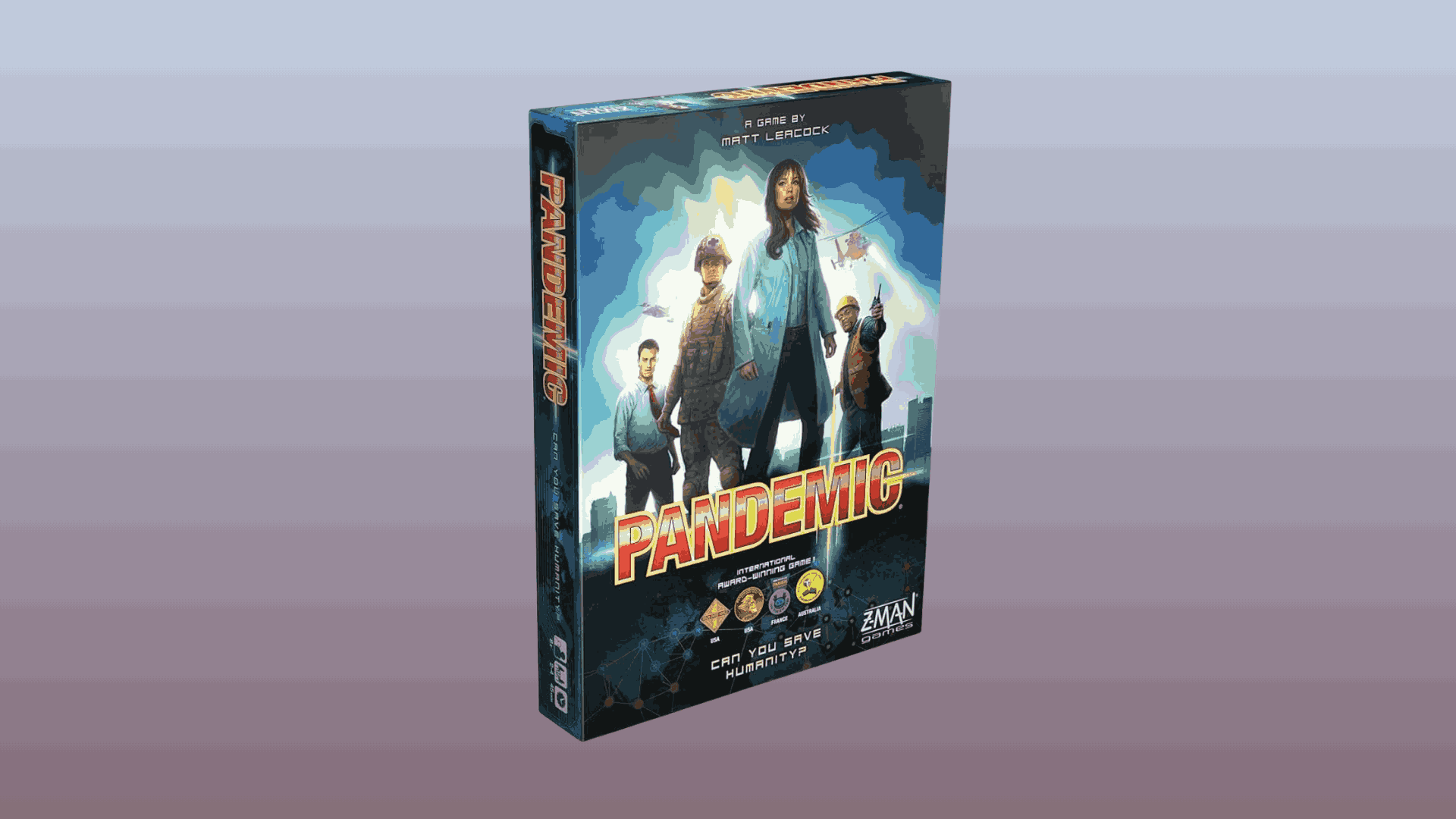
An evergreen classic, Pandemic ranks highly for its accessibility and strong cooperative foundation. It remains one of the best gateways into co-op gaming with clear roles and escalating tension.
- Best for: Pick this if you want a classic co-op that teaches teamwork quickly and works for almost any group.
- Play profile: 2–4 / 45–60 min / Light-Medium.
- What to know: Quarterbacking can happen, so assign roles strongly and let each player own their turn decisions. Difficulty levels adjust challenge cleanly.
- Similar picks: Forbidden Island; Pandemic: Iberia.
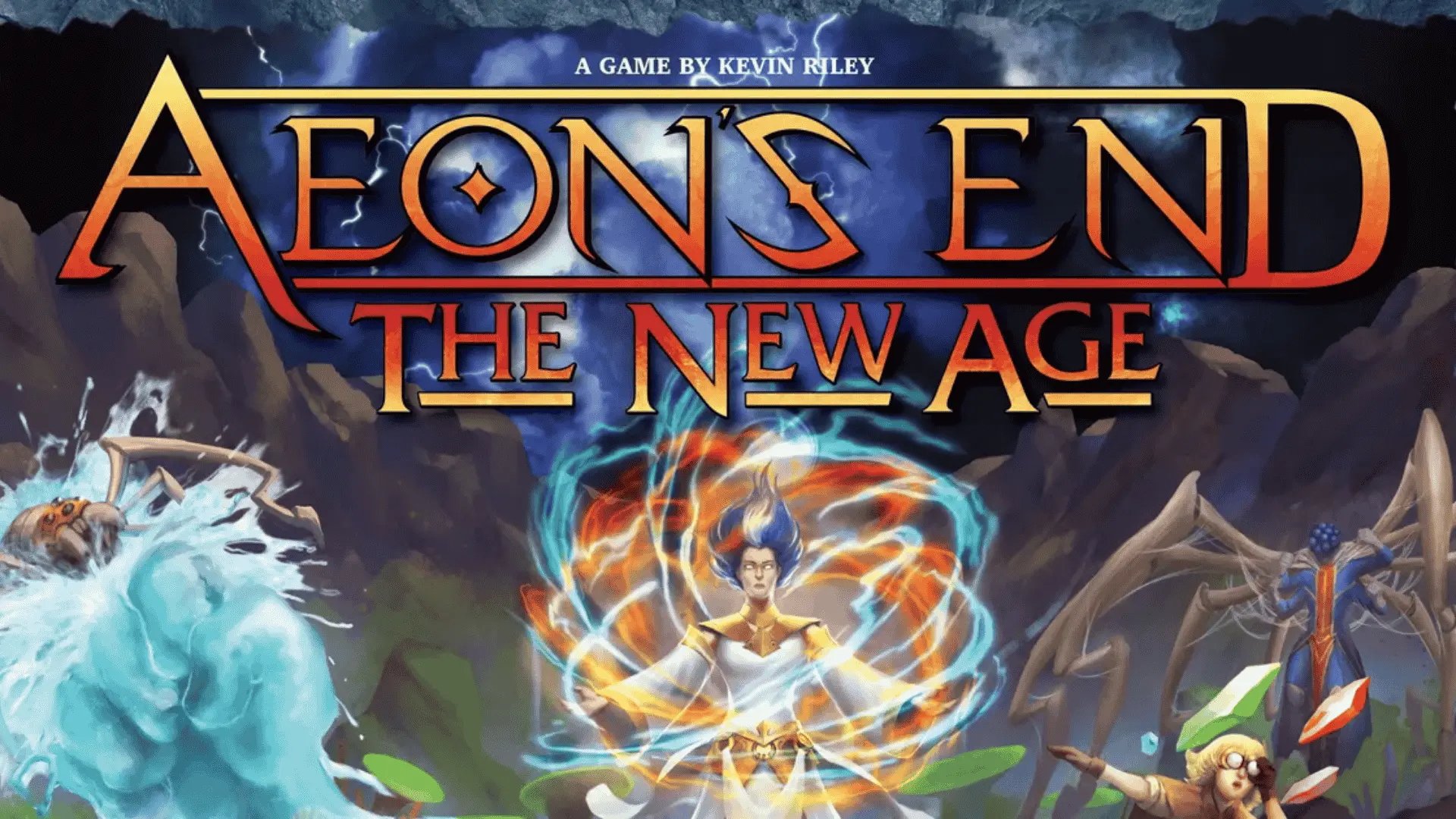
7. Aeon’s End
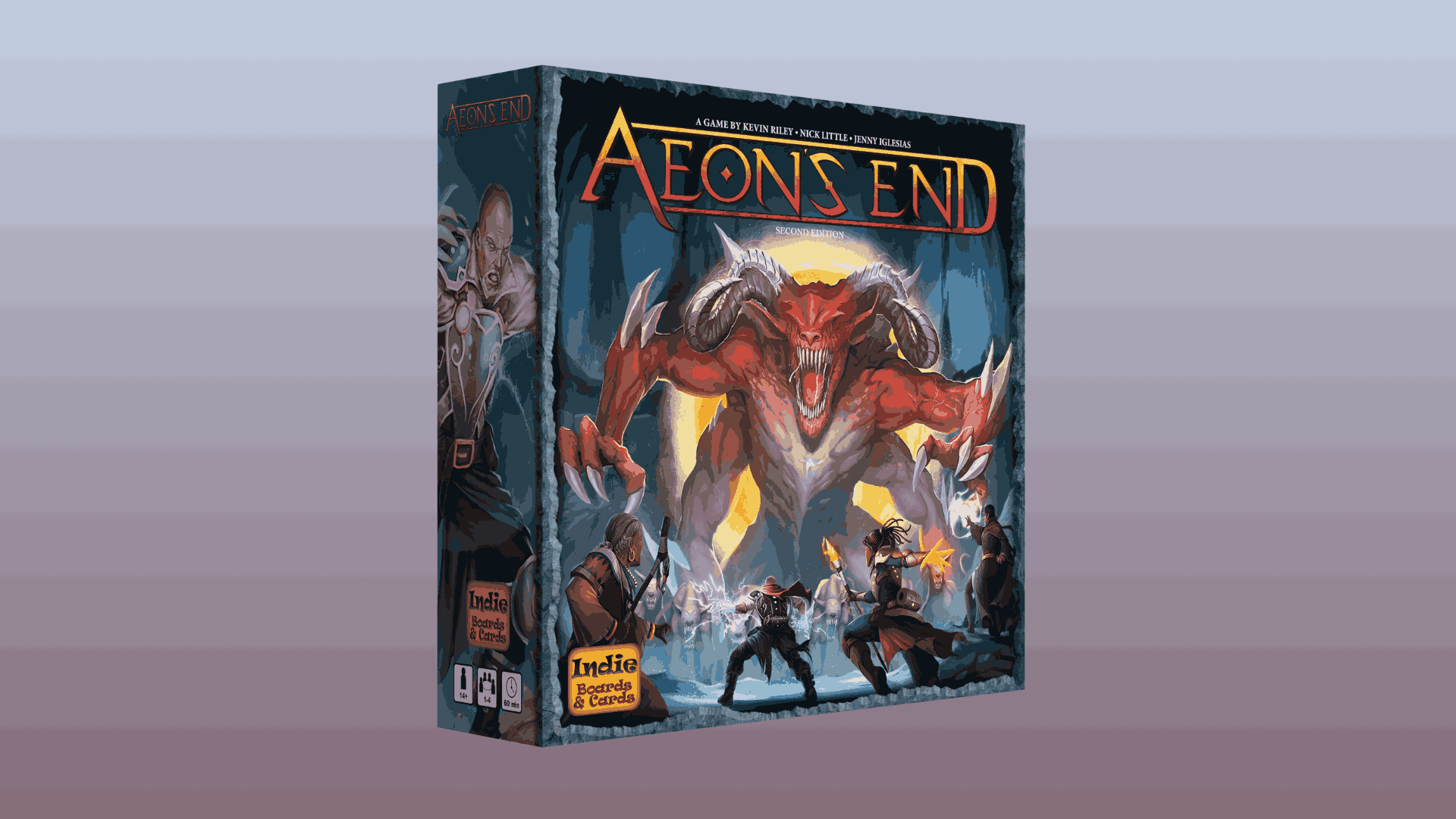
This deckbuilding co-op stands out for its strategic depth and innovative no-shuffle mechanic. It ranks here because every decision feels deliberate, and teamwork is essential to survive boss battles.
- Best for: Choose this if your group loves deckbuilding, combo planning, and boss fights that reward precision.
- Play profile: 1–4 / 60–90 min / Medium.
- What to know: Setup is moderate, and the game is learnable, while quarterbacking stays low because hands and sequencing matter individually. Multiple mages and bosses are available.
- Similar picks: Astro Knights; Marvel Champions.
8. Robinson Crusoe: Adventures on The Cursed Island
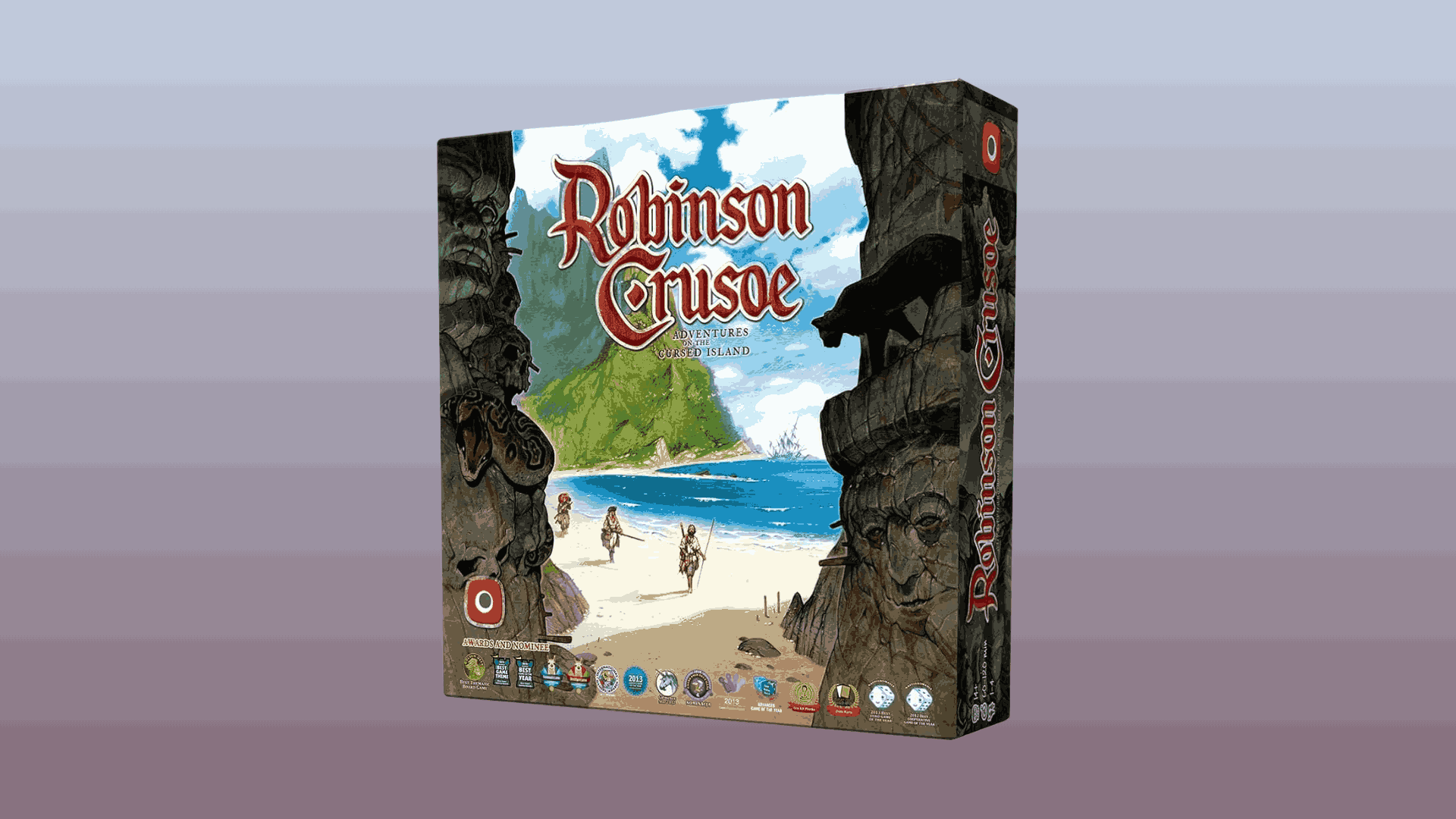
Known for its brutal survival challenges, this game earns its ranking through intense decision-making and emergent storytelling. Every win feels hard-earned and memorable.
- Best for: Groups who enjoy survival stories, difficult choices, and chaotic problem-solving.
- Play profile: 1–4 / 90–180 min / Heavy.
- What to know: It can be punishing and rules-heavy, and quarterbacking can rise unless you split responsibilities clearly. Scenarios offer different objectives.
- Similar picks: This War of Mine; Dead of Winter.
9. Mansions of Madness (2nd Edition)
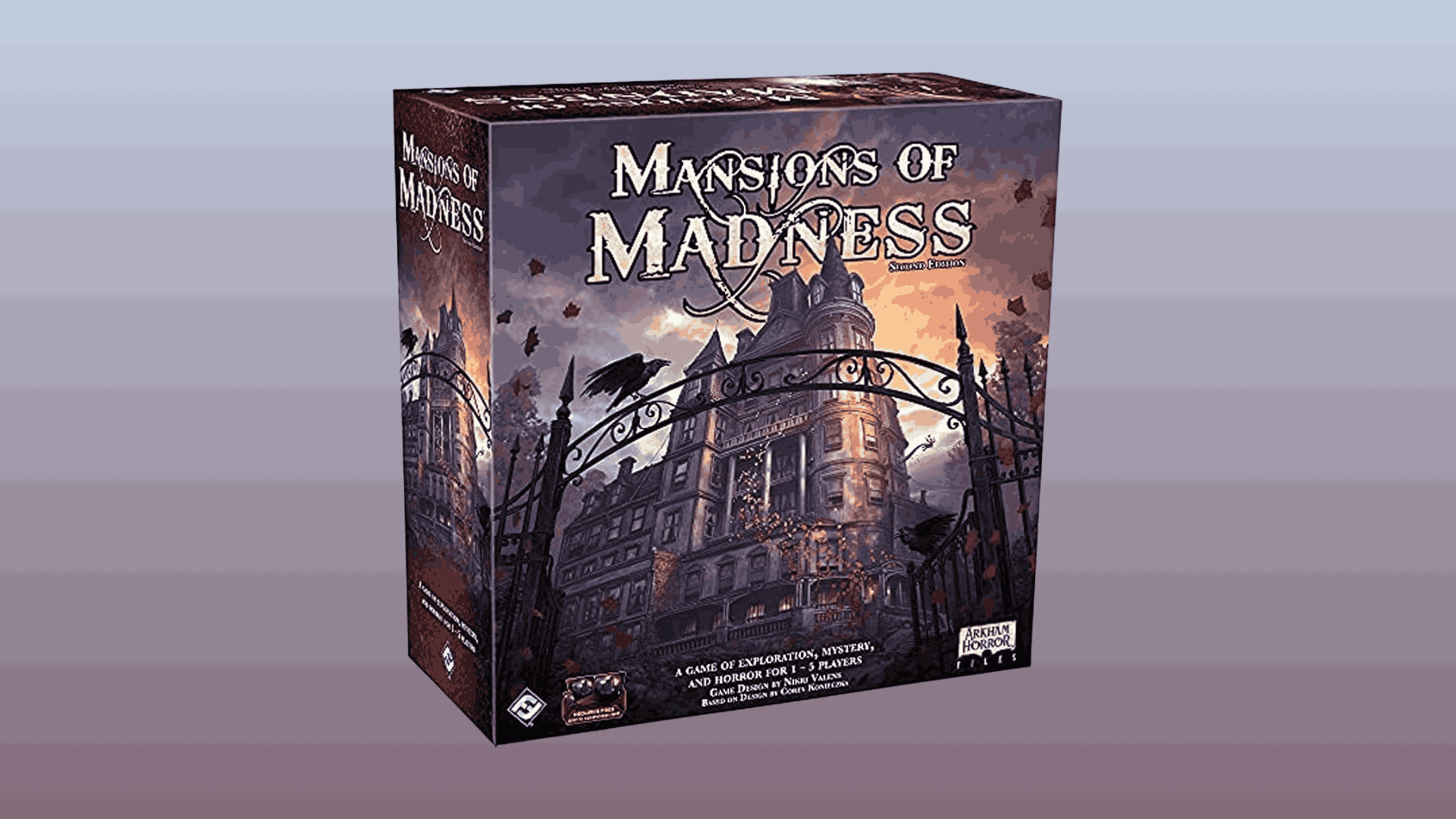
This cinematic horror experience ranks highly due to its immersive storytelling and app-driven gameplay. Exploration and mystery keep players constantly engaged.
- Best for: Pick this if you want cinematic horror, exploration, and mystery-solving with strong shared moments.
- Play profile: 1–5 / 90–180 min / Medium.
- What to know: The app is required to play, and setup is moderate, but quarterbacking is usually low because clues unfold dynamically. Multiple scenarios available.
- Similar picks: Descent: Legends of the Dark; Chronicles of Crime.
10. Sleeping Gods
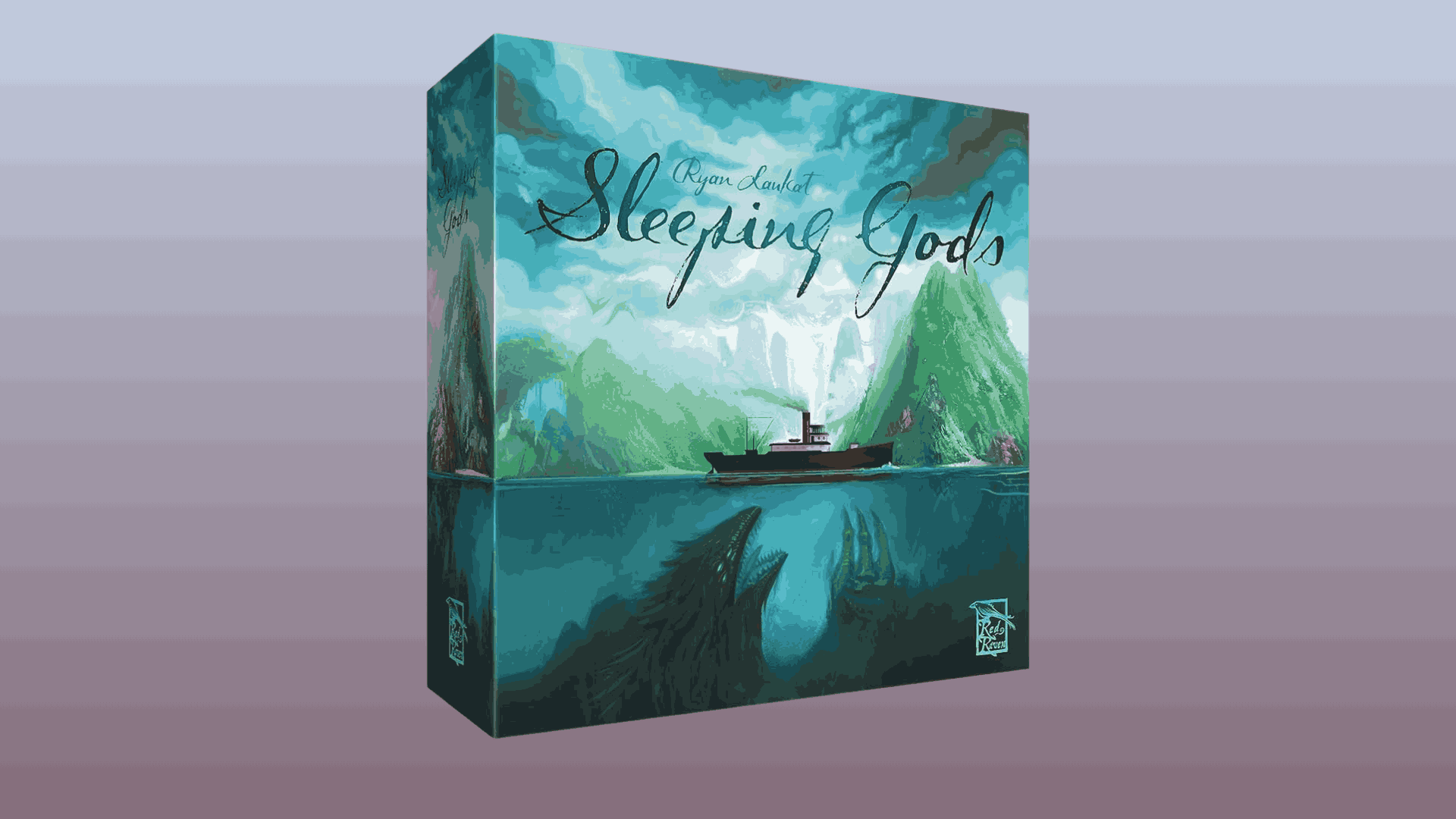
An expansive narrative adventure, Sleeping Gods shines for its open-world quest and branching storylines. It ranks here for delivering a rich, long-form cooperative journey.
- Best for: Choose this if your group wants open-world exploration and long-form narrative choices across many sessions.
- Play profile: 1–4 / 60–120+ min / Medium-Heavy.
- What to know: It’s a table-hog campaign with some bookkeeping, so rotate leadership to avoid one player steering everything. The world map is massive.
- Similar picks: Tainted Grail; Lands of Galzyr.
11. Sky Team
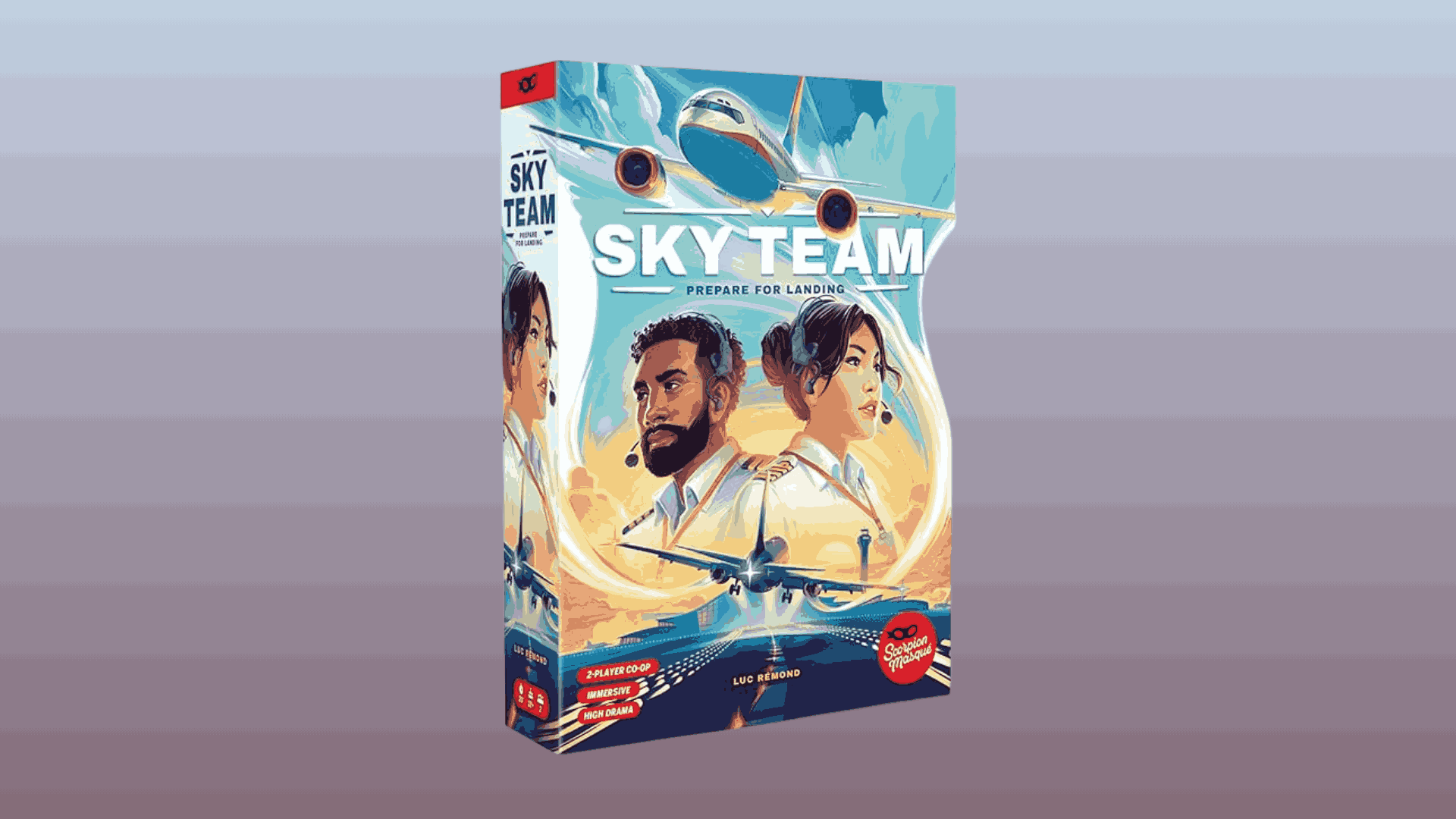
Designed specifically for two players, Sky Team earns its spot with tense, communication-limited gameplay. Its unique mechanics create thrilling and highly replayable sessions.
- Best for: Two-player pairs who want tense teamwork, limited coordination, and high replay value.
- Play profile: 2 only / 20–30 min / Medium.
- What to know: It teaches quickly, but stays challenging, and quarterbacking is very low because decisions are hidden. Airports provide varied scenarios.
- Similar picks: Codenames Duet; The Fox in the Forest Duet.
12. Codenames Duet
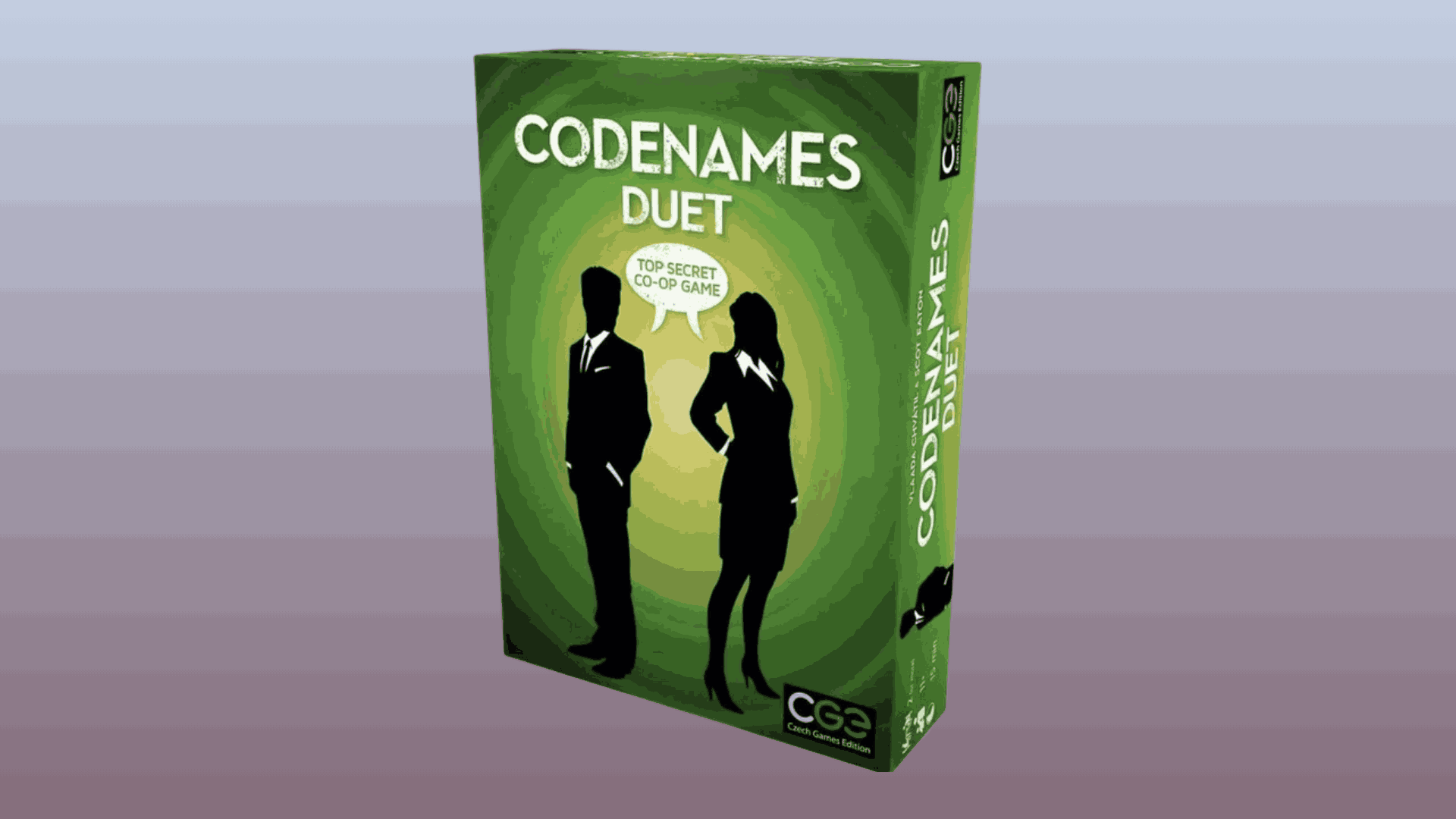
A standout word-based co-op, this game ranks well for its clever clue-giving and intuitive teamwork. It creates satisfying “aha” moments with minimal setup.
- Best for: Pick this if you want a clever, cooperative word game that rewards intuition and shared context.
- Play profile: 2 (up to 4) / 15–30 min / Light.
- What to know: Language comfort matters, and quarterbacking is low because clue-giving is personal and constrained. Multiple maps included for replay value.
- Similar picks: So Clover!; Decrypto.
13. Micro Macro: Crime City
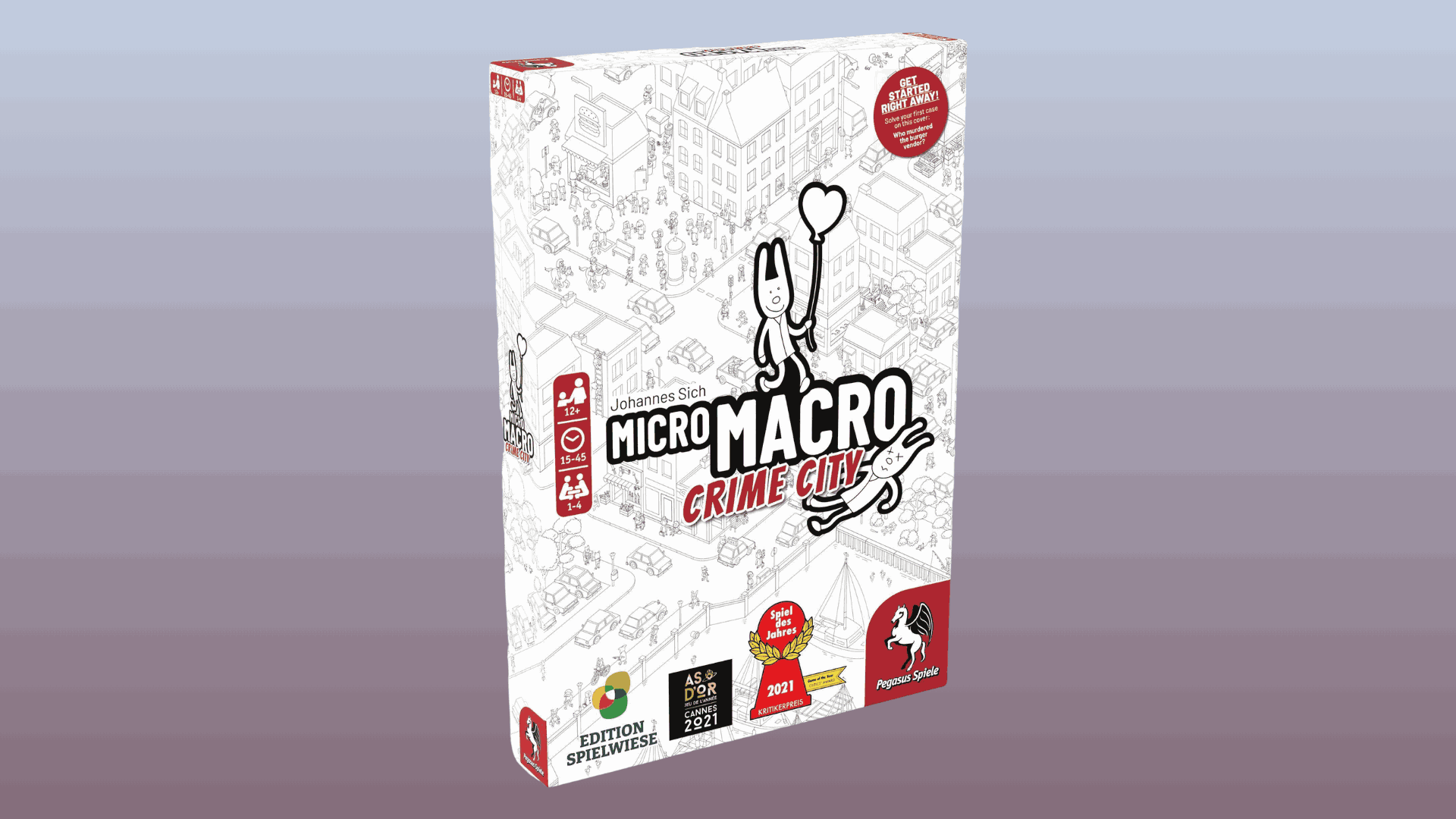
This innovative investigation game earns its place for its unique visual gameplay and engaging group problem-solving. It’s easy to learn yet deeply satisfying to play.
- Best for: Choose this if your group wants a casual, chatty investigation without complex rules or a long setup.
- Play profile: 1–4 / 15–45 min / Light.
- What to know: It needs table space and has limited replay per case, but quarterbacking is low because observation is shared. Multiple map versions exist.
- Similar picks: Chronicles of Crime; Sherlock Holmes Consulting Detective.
14. Horrified (series)
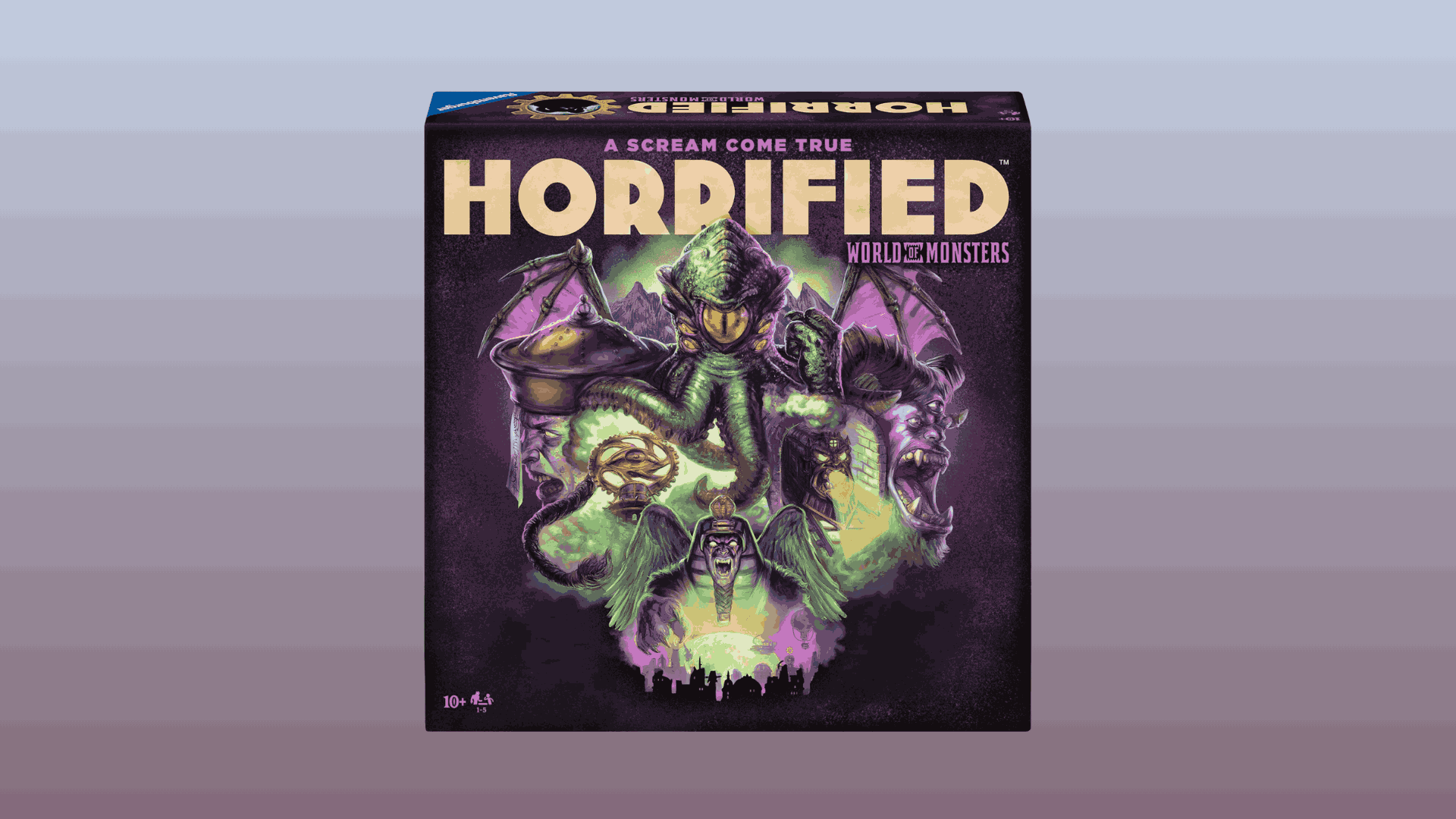
A fantastic family-friendly co-op, Horrified ranks for its approachable gameplay and thematic charm. It balances accessibility with just enough challenge to stay exciting.
- Best for: Families and casual groups who want an approachable co-op with a fun monster-hunt theme.
- Play profile: 1–5 / 45–60 min / Light-Medium.
- What to know: Luck can swing outcomes, and quarterbacking can appear, so give players ownership of tasks and targets. Multiple monster combinations available.
- Similar picks: Pandemic; Forbidden Desert.
15. Forbidden Island
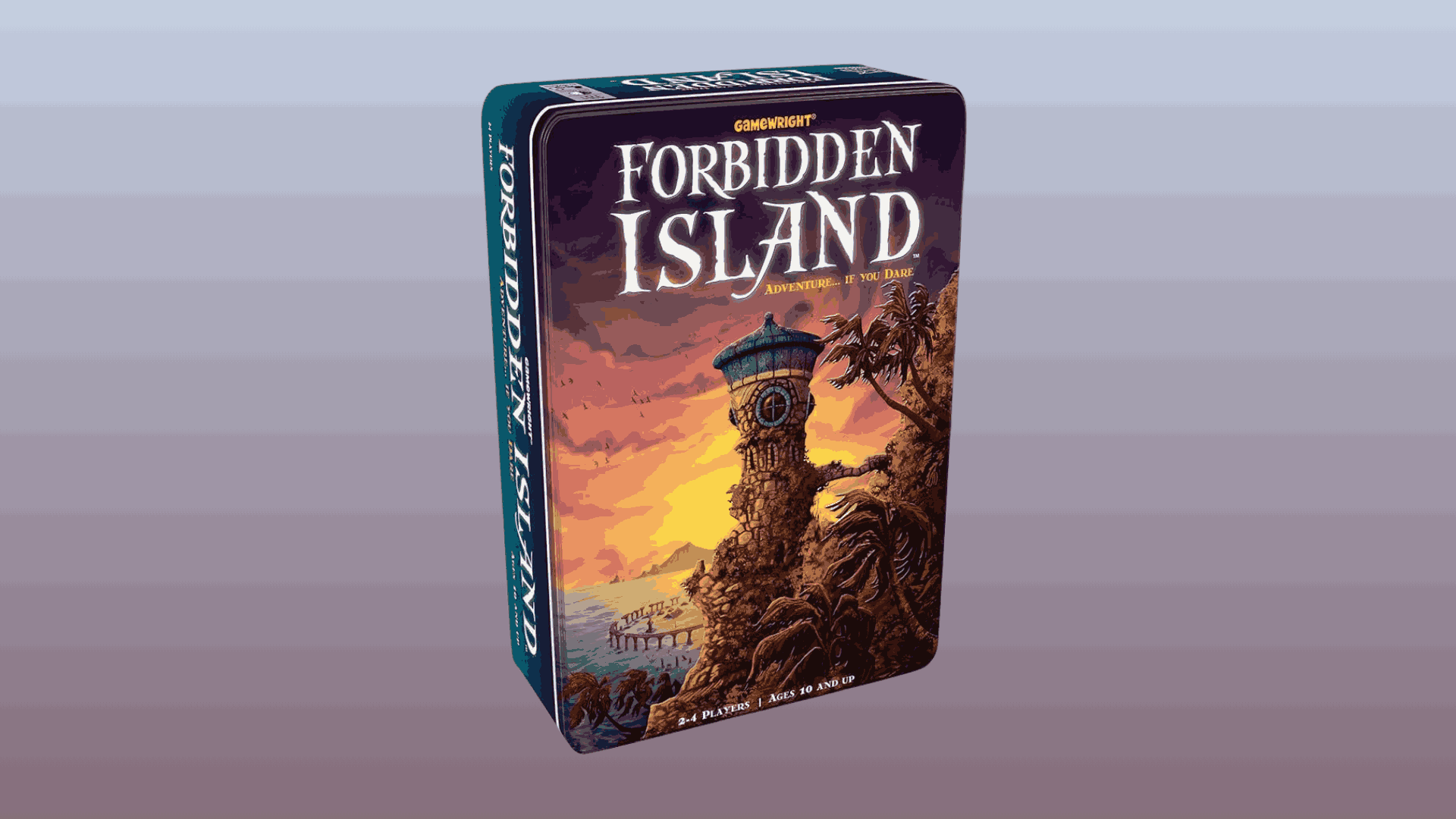
Perfect for beginners, this game is known for its simplicity and fast-paced cooperative mechanics. It’s an excellent introduction to teamwork-based board gaming.
- Best for: Pick this if you need an easy, fast co-op that brings non-gamers in immediately.
- Play profile: 2–4 / ~30 min / Light.
- What to know: Depth is lighter than heavier co-ops, and quarterbacking can rise unless each role leads its own plan. Great for introducing cooperative mechanics.
- Similar picks: Forbidden Desert; Pandemic: Hot Zone.
16. The Captain Is Dead
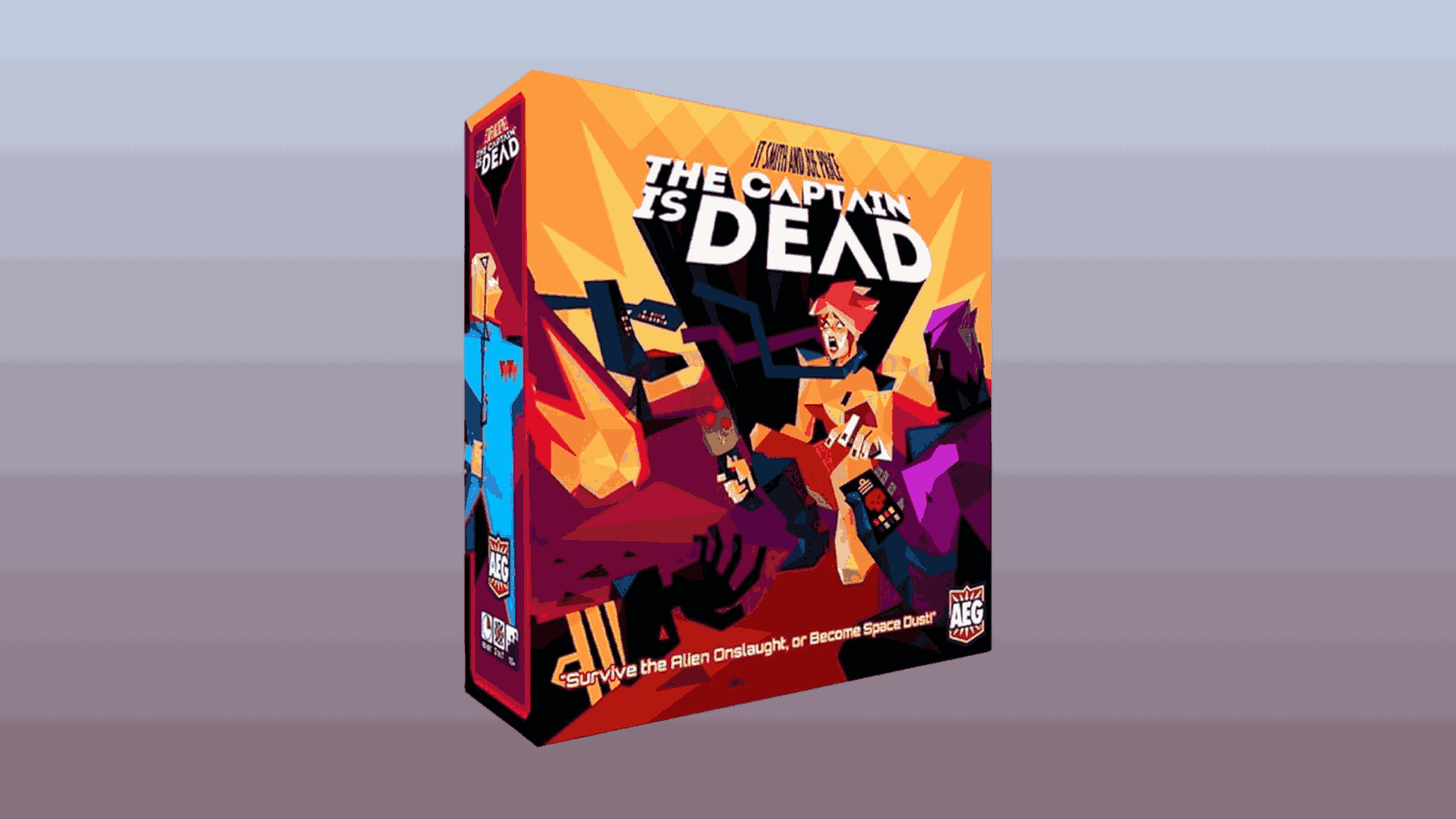
This high-pressure co-op stands out for its chaotic, crisis-management gameplay. It ranks here because of its strong role specialization and intense team coordination.
- Best for: Choose this if your group loves frantic crisis management, role specialization, and high-pressure teamwork.
- Play profile: 2–7 / 60–90 min / Medium.
- What to know: It can get chaotic and swingy, so split ship systems by player to reduce quarterbacking. Difficulty levels adjust intensity.
- Similar picks: Space Alert; Project: ELITE.
17. The Mind
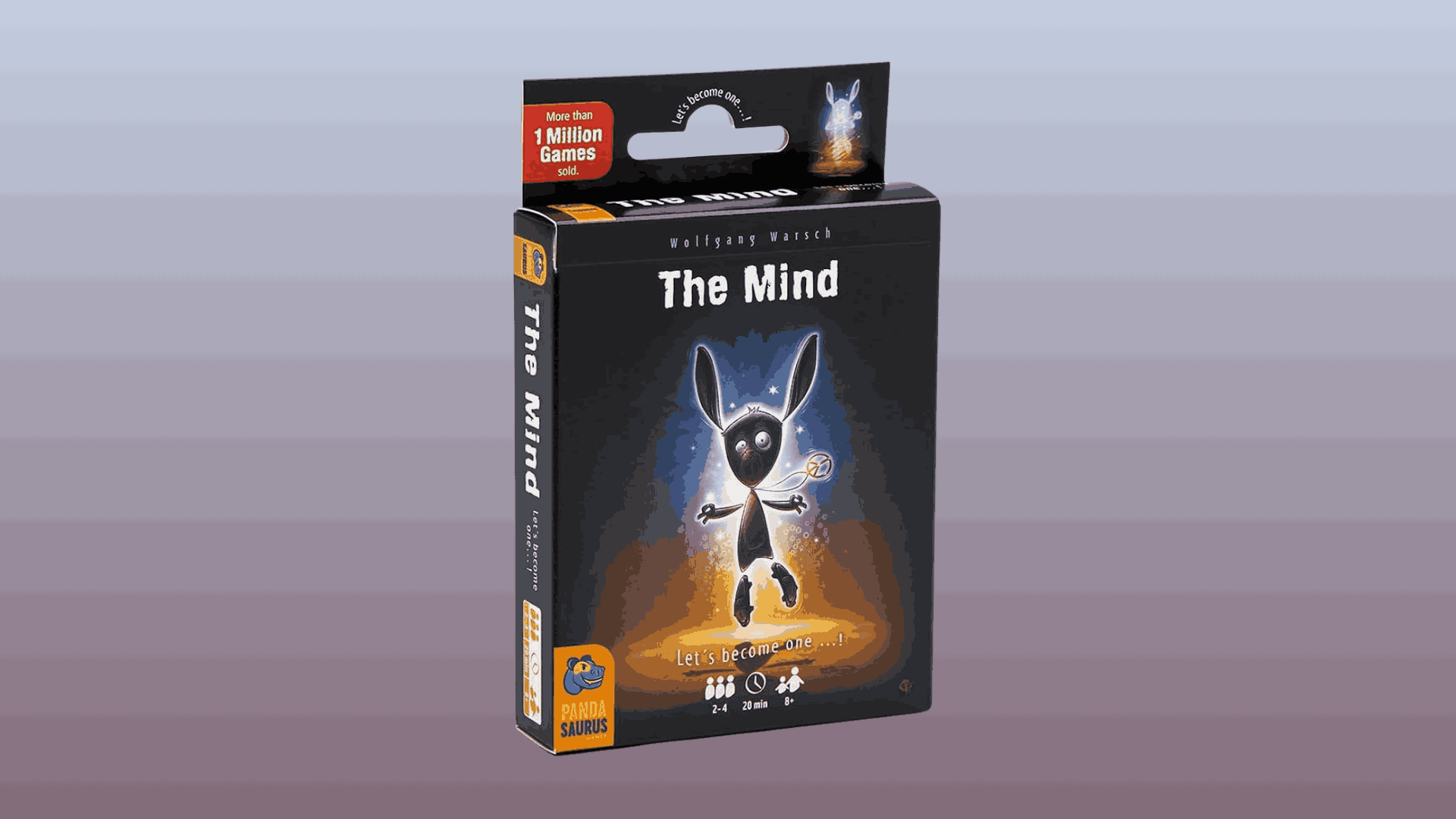
A minimalist yet powerful experience, The Mind ranks for its unique silent gameplay that builds genuine group connection. Its simplicity hides surprising emotional depth.
- Best for: Pick this if you want a fast, low-rules co-op that creates weirdly emotional group synchronicity.
- Play profile: 2–4 / ~15 min / Light.
- What to know: It’s group-dependent, but quarterbacking is near zero because talking is the whole point you can’t do. Levels gradually increase in difficulty.
- Similar picks: The Crew; Hanabi.
18. Flash Point: Fire Rescue
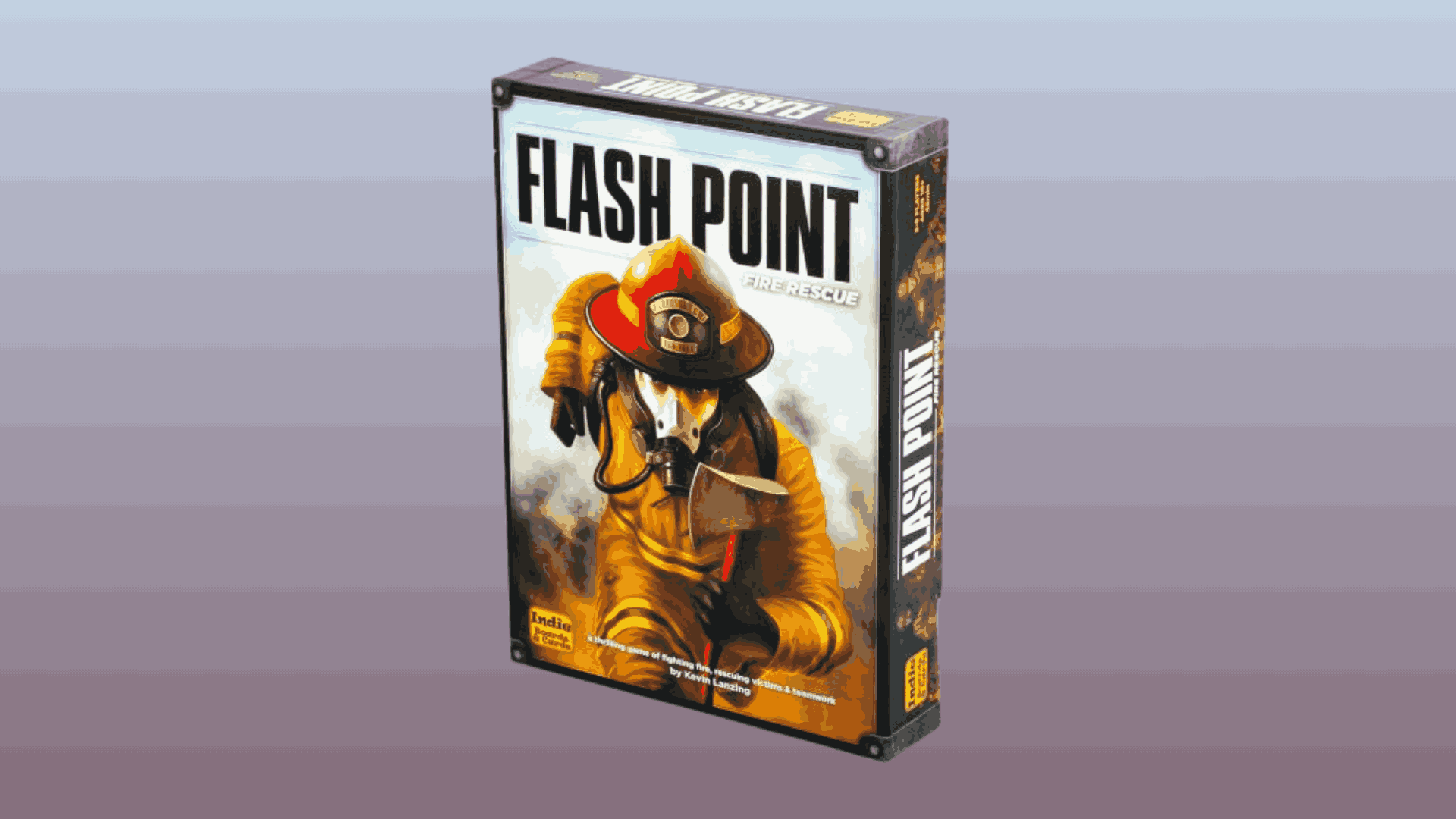
A tactical rescue game that ranks well for its clear objectives and evolving challenges. It offers a great balance between strategy and accessibility.
- Best for: Choose this if your group wants tactical movement, problem-solving, and a theme everyone understands instantly.
- Play profile: 2–6 / 45–60 min / Medium.
- What to know: Setup is moderate, and quarterbacking can appear, so assign each player a “zone” or rescue focus. Family and experienced rules are available.
- Similar picks: Pandemic; Rescue: Polar Bears.
19. Exit: The Game (series)
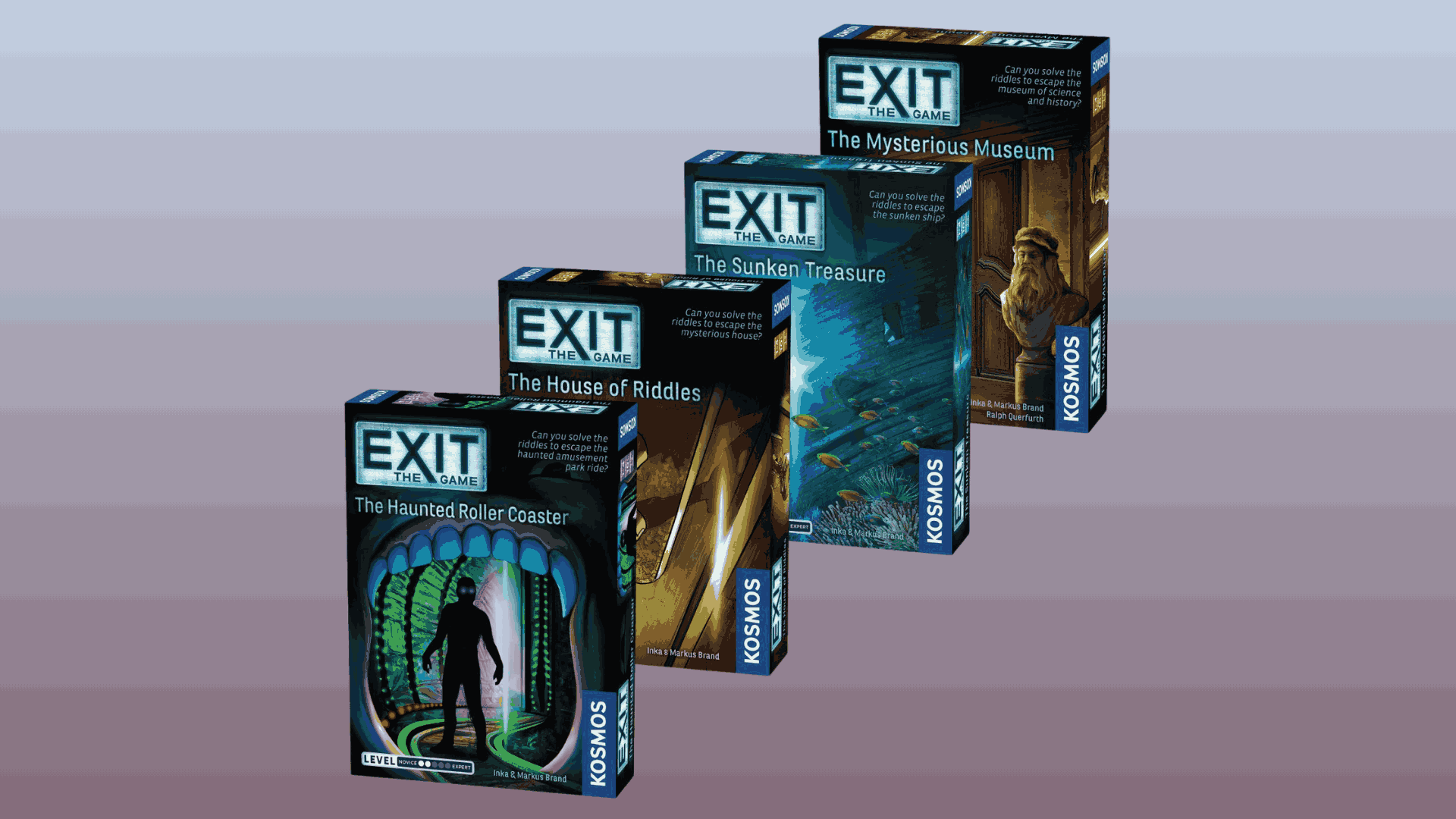
These escape-room-style games earn their spot for delivering engaging puzzles and collaborative problem-solving. They’re perfect for one-time, memorable game nights.
- Best for: Pick this if your group mainly wants puzzles and escape-room energy in one focused session.
- Play profile: 1–4 / 60–120 min / Light-Medium.
- What to know: Most are single-use, but quarterbacking is usually low because everyone can contribute ideas and solutions. Difficulty varies by scenario.
- Similar picks: Unlock! Sherlock Holmes Consulting Detective.
20. Bomb Busters
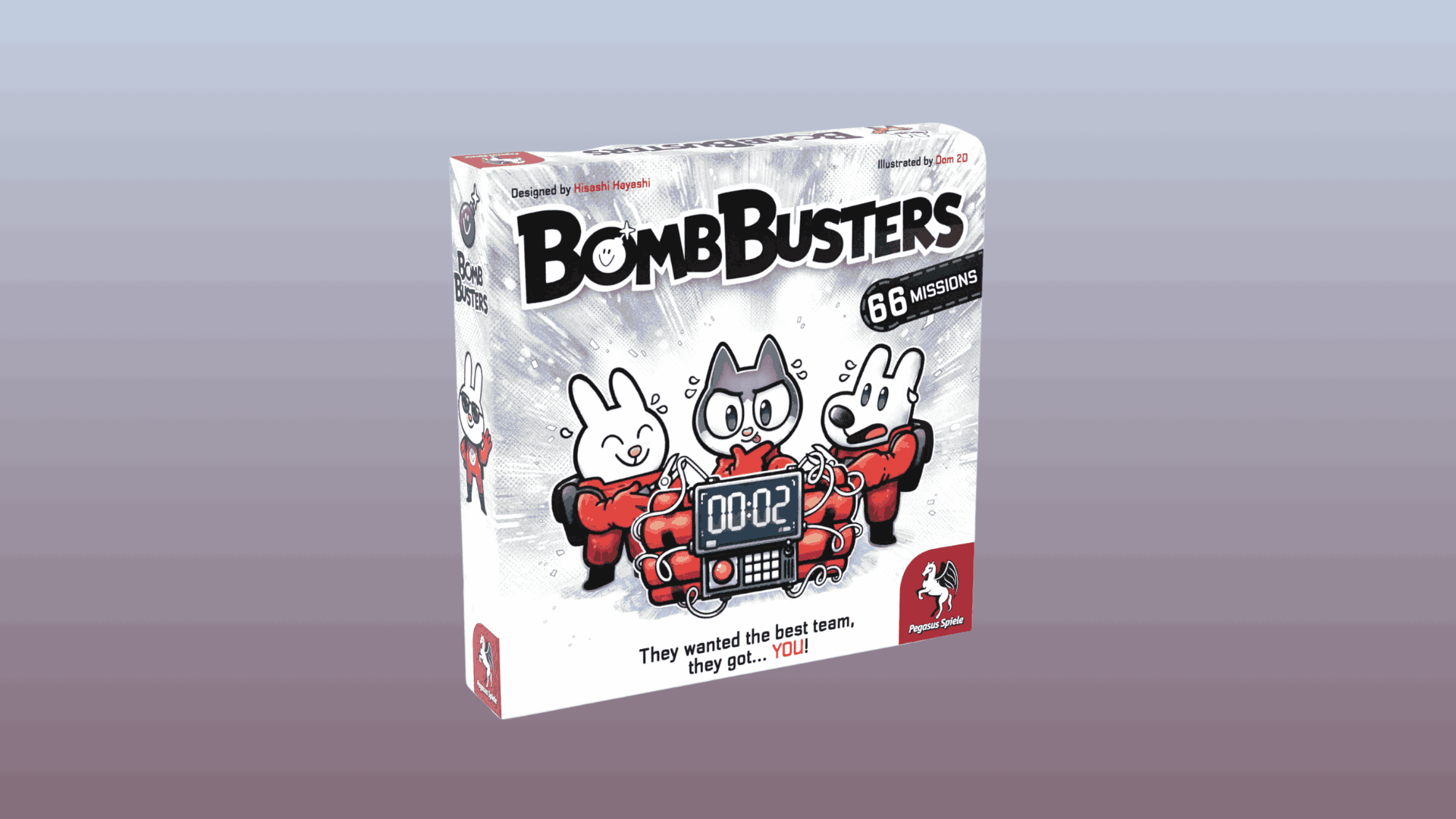
A modern standout, this deduction-based co-op ranks highly for its clever mechanics and strong replay value. It’s easy to learn but offers deep collaborative thinking.
- Best for: Choose this if your group loves cooperative deduction, shared logic, and quick setup with a big payoff.
- Play profile: 2–5 / 20–40 min / Light-Medium.
- What to know: Keep information distributed to avoid one person solving it, and rotate who proposes moves if needed. Won Spiel des Jahres in 2025.
- Similar picks: The Crew; Hanabi
The best cooperative board games aren’t just about winning; they’re about the shared experience, tough decisions, and unforgettable moments along the way. From quick party games to grand campaigns, there’s a perfect co-op experience for every group.
How to Choose the Right Cooperative Board Game
With so many options out there, picking the right one can feel overwhelming. But it doesn’t have to be. A few things can point you in the right direction.
- Know your group: Think about who you’re sitting down with. A game that works great for experienced players might completely lose a first-timer. And if kids are joining, complexity matters a lot more than you’d think.
- Match the game to your time: Some coop games wrap up in 30 minutes. Others run for hours. Pick something that fits your night, not the other way around.
- Get the player count right: Player count changes everything. Some games shine with two people but feel chaotic with five, so always check the sweet spot before buying.
- Think about the mood: A tense survival game feels very different from a light card game. The vibe you’re after should guide your pick just as much as the mechanics do.
Once you’ve sorted those out, the choice gets a lot easier. The right game isn’t the most popular one, it’s the one that fits your table.
Final Thoughts
Choosing the right coop board game isn’t always straightforward. There are many options, and not all of them deserve your time or money.
Once you find the right fit, coop board games have a way of turning an ordinary night into something your group talks about for weeks. The right game brings people together and keeps them coming back.
You now know what to look for, what to avoid, and which games are actually worth playing. All that’s left is picking one and getting it on the table.
So grab your group, clear some space, and start playing. Your next favorite coop board game might be just one click away.
Browse our top picks and find your perfect game today.
Frequently Asked Questions
Are Cooperative Board Games Replayable After You Beat Them Once?
Most are highly replayable due to variable setups, modular scenarios, difficulty scaling, expansions, or player-driven decisions that differ between sessions.
Do Cooperative Board Games Work Well with Large Groups?
Some scale better than others. Games with simultaneous actions or role specialization tend to handle five or more players without excessive downtime.
Are Cooperative Board Games Suitable for Competitive Players?
Yes, many co-ops reward optimization, efficiency, and tactical mastery, offering competitive-style challenge without direct player-versus-player conflict. Beating the game feels earned.