


The gaming world erupted in debate during the 2025 Game Awards when multiple smaller-studio titles landed major nominations; some with publisher backing, some without, all sparking the same question: what is an indie game, really?
Is it about money? Team size? Who signs the checks? Or is “indie” just a feeling we all recognize but can’t quite define?
This controversy isn’t new; Dave the Diver stirred similar arguments in 2023.
As publishers change, funding models shift, and studios grow without going fully AAA, the indie game definition has become less of a rulebook and more of a judgment call.
What Is an Indie Game? The Traditional Definition
At its simplest, “Indie” stands for independent. Traditionally, indie games were developed by individuals or very small teams, self-funded or crowdfunded, and self-published without major corporate oversight. That definition worked about 15 years ago.
Today, many games considered indie have external publishers, venture funding, mid-sized teams, and marketing budgets that dwarf early indie classics.
Yet they’re still widely accepted as indie by players, critics, and award panels alike. While independence remains the foundation, it’s no longer the complete answer.
Budget and Team Size: How Indie Games Differ from AAA
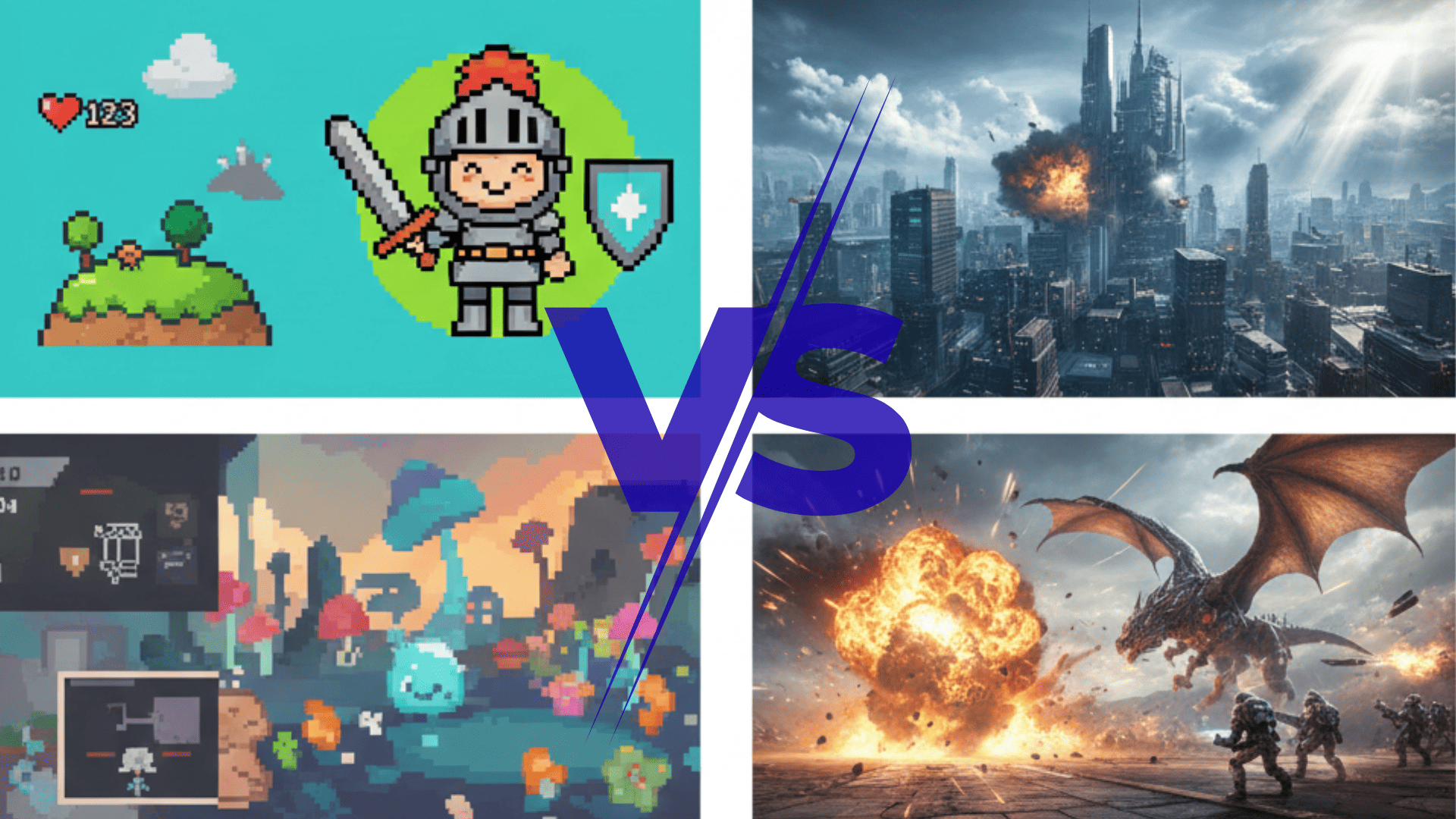
If you’re looking for something close to an objective metric, budget and scope remain the clearest starting points.
1. Indie Budgets
Most indie games operate on significantly smaller budgets than AAA titles. AAA productions today regularly exceed $150–300 million, including marketing, while indie projects range from shoestring solo efforts to multi-million-dollar productions that remain modest by AAA standards.
Budget affects visual fidelity, world size, team specialization, and development timelines.
However, budget does not correlate to quality, something Steam’s top-rated lists make abundantly clear.
2. Team Size and Scope
Most indie games are built by solo developers or small teams of 2–20 people. AAA games involve hundreds of developers, multiple studios, and outsourcing pipelines across continents.
Smaller teams usually mean tighter mechanics, more focused ideas, fewer features, but greater intent. That’s why many indie games feel sharper, stranger, or more personal than their blockbuster counterparts.
Publishing and Independence: Where Lines Blur
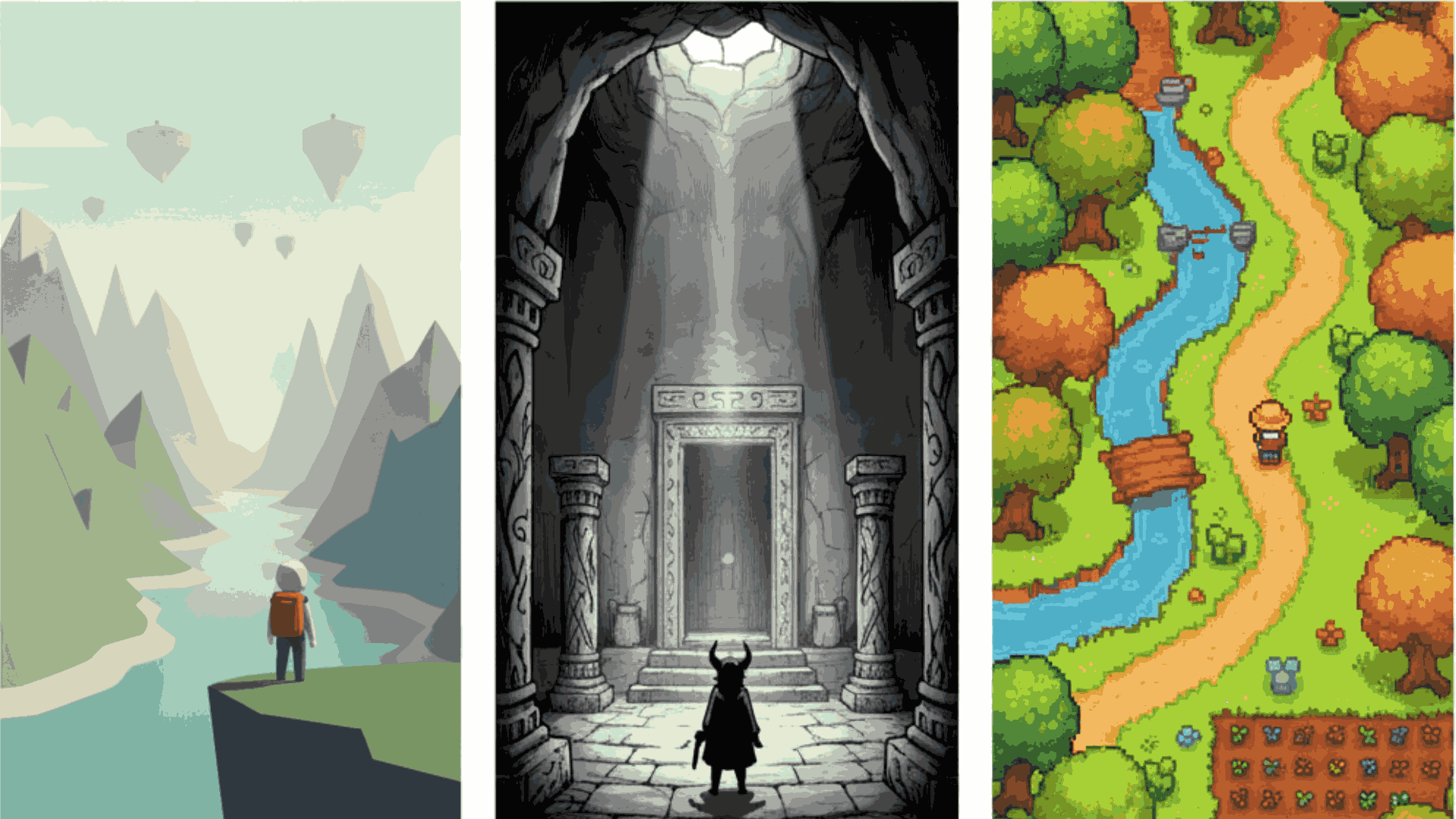
This is where definitions start breaking. Modern indie games can exist in multiple funding scenarios, and that’s why award debates keep flaring up.
The Game Awards’ own wording for “Best Independent Game” highlights work made outside the traditional publisher system, but in practice, the category still requires discretion.
| Indie Game Funding Model | Creative Control | Why It Still Feels “Indie” |
|---|---|---|
| Fully self-published | Complete autonomy | No outside interference at all. |
| Published by indie labels | Mostly independent | Publisher handles distribution/marketing, not creative decisions. |
| Funded by investors | Varies by agreement | Money enters without losing creative control. |
| Backed by large companies | Retained by developers (sometimes) | Financial support doesn’t automatically mean creative compromise. |
Here’s the problem: Money can enter without creative control leaving. That’s why some games feel “indie” even when the funding situation doesn’t look indie on paper.
The “Indie Look” Is Basically a Vibe We All Recognize
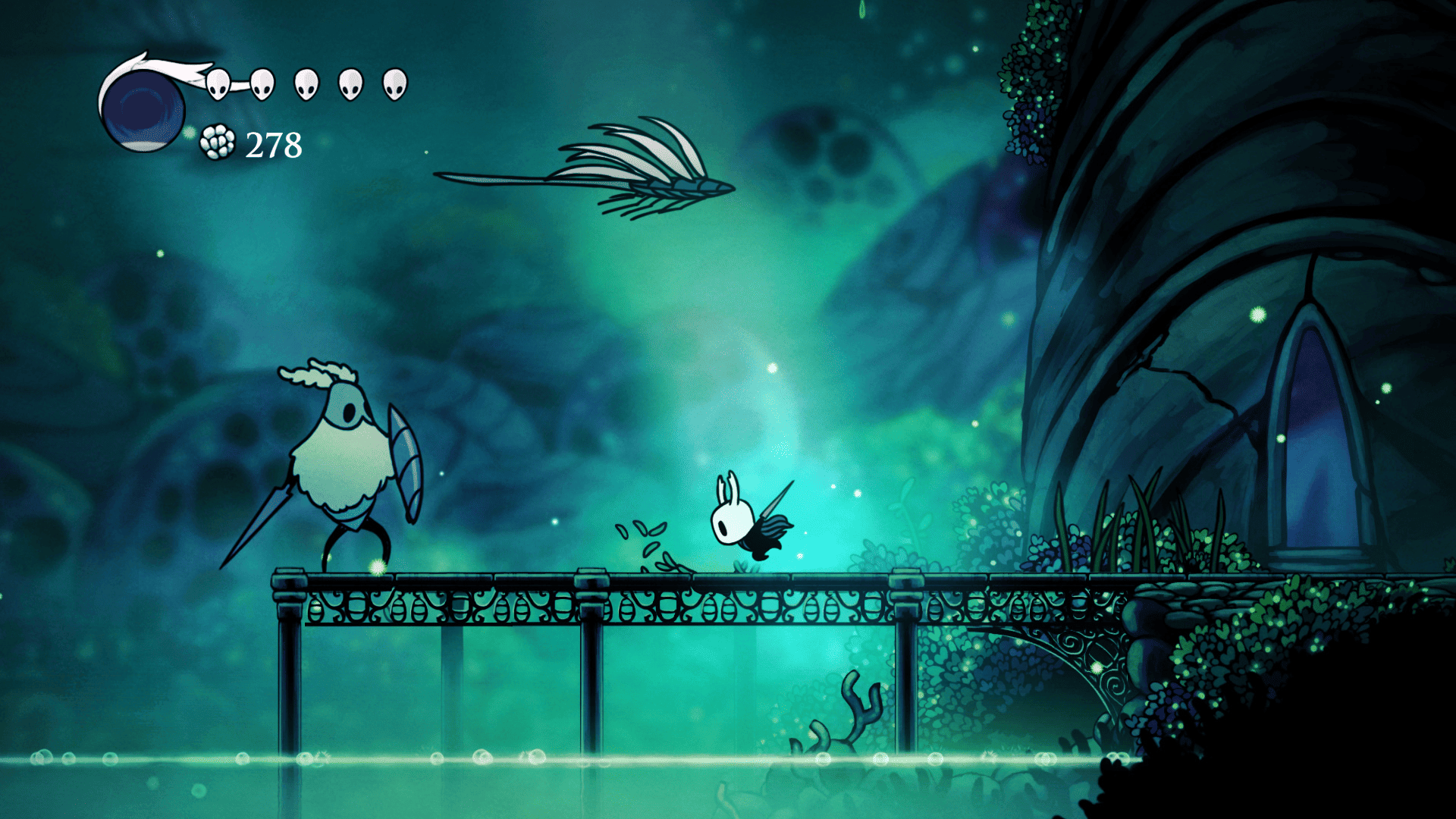
When gamers argue about what counts as indie, they rarely argue like accountants. They argue like people who’ve played enough indie games to recognize the fingerprints.
Indie games tend to look and feel a certain way, not because every indie game follows the same template, but because limitations (and freedom) push developers toward styles that prioritize identity over realism.
Common indie traits players recognize:
- Stylized visuals: Pixel art, hand-drawn, minimalist, low-poly instead of photorealism.
- Atmosphere over scale: Mood matters more than massive maps.
- Handcrafted feel: Everything feels intentional, not generic.
- Risk-taking: Weird genres, niche ideas, unconventional storytelling.
Hollow Knight is a perfect example; its hand-drawn style is the kind of “indie signature” players instantly recognize. It stopped being only about funding and started becoming shorthand for intent.
What Are Indie Games When It’s Commercial vs Art?
This is where the argument gets real, because people aren’t actually arguing about funding structures. They’re arguing about purpose.
AAA games are often built like products first: big reach, broad appeal, safer decisions designed to satisfy market expectations.
Indie games are often built like art first: specific vision, niche audiences, emotional weirdness, risks that might not be profitable.
That doesn’t mean indie games can’t make money or that AAA games can’t be artistic. But when players say “that doesn’t feel indie,” they usually mean: This feels designed to sell, not express.
That’s why the indie definition keeps collapsing into vibe checks. People aren’t judging budgets; they’re judging freedom versus market math.
Final Verdict
Indie isn’t a clean label anymore. It’s a spectrum. Budget and team size still matter, but publisher involvement doesn’t automatically erase “indie” if the studio keeps real creative control.
Even major award bodies acknowledge that the category is complicated in practice. That’s why the what is an indie game debate keeps coming back: some people measure the business, others measure the freedom, and plenty just go by vibe.
In the end, “indie” has become shorthand for games that take risks, feel personal, and aren’t built by committee. So where do you draw the line: ownership, budget, or creative control?