




An Outer Worlds 2 review should answer one simple question – does the sequel live up to expectations?
I looked closely at how the game handles story, gameplay systems, visuals, and overall polish to find that answer. The sequel brings back its sci-fi setting, sharp humor, and focus on player choice, while also trying to improve on the original game’s weaker areas.
Some elements feel more refined, especially combat and progression, while others still show clear limits.
With mixed reactions from major gaming outlets, it helps to break down what works, what falls short, and what players should realistically expect before jumping in.
Outer Worlds 2 Review: What Critics Are Saying?
Reviews from Metacritic, GamesRadar+, and IGN show that The Outer Worlds 2 has received a mixed but mostly positive response from critics. On Metacritic, the game holds a score in the mid-70s, based on reviews from several well-known gaming outlets.
IGN and GamesRadar+ praise the improved combat system, stronger RPG mechanics, and sharper writing compared to the first game.
Critics also appreciate the freedom in character builds and player choices. However, some reviewers point out technical problems, frame rate drops, and a story that does not always leave a strong impact.
Critics say the game is fun and well-made, but hampered by performance issues and safe design choices.
Story & Narrative: Does the Plot Live Up to the Hype?
The story in The Outer Worlds 2 focuses on choice and consequence, and I felt that was its biggest strength.
Many reviewers note that quests often branch in clear ways, letting player decisions, like those in other choice-heavy RPGs, change outcomes, dialogue, and even faction support.
That freedom helps the world feel reactive and personal.
At the same time, criticism arises regarding pacing and stakes. Some main story moments arrive too quickly, while others lack enough tension to feel urgent.
A few plot threads end without a strong payoff. Across critical discussions, the satire and humor still land well, but the narrative does not always reach the emotional weight people expected from a sequel.
Gameplay & Mechanics: How It Feels to Play
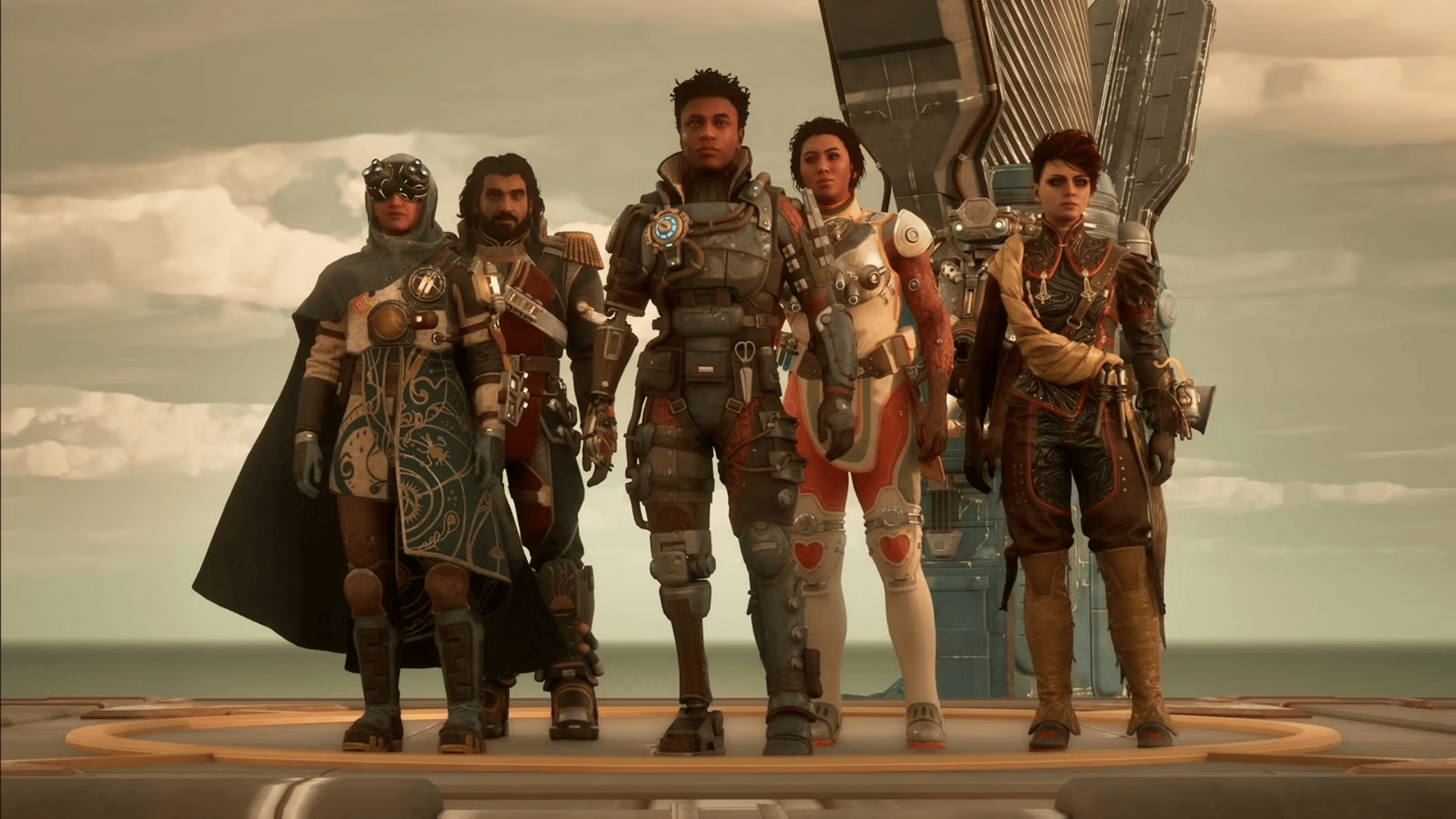
The gameplay in the Outer Worlds 2 feels smoother and more confident than before. I noticed a better balance between action and role-playing systems, which makes moment-to-moment play more engaging.
Combat That Feels More Polished
Combat is one of the clearest improvements over the first game. I found gunplay more responsive, with smoother aiming and better feedback during fights. Enemy behavior feels smarter, which keeps encounters from feeling repetitive.
Weapons have clear strengths, and special abilities add variety beyond basic shooting. The pacing supports both fast action and careful planning, helping combat stay engaging over longer sessions.
RPG Systems, Skills, and Flaws Explained
Character progression remains a strong point throughout the game. Skills and perks support focused builds, similar to what you see in popular RPG sequels, whether players prefer combat, dialogue-heavy choices, or balanced roles.
I liked how the Flaw system creates meaningful trade-offs with bonuses for weaknesses. These decisions add depth to builds while remaining easy to understand, making long-term progression rewarding rather than complicated.
Graphics, World Design, and Audio
Visually, The Outer Worlds 2 stands out in a positive way thanks to its strong art style and detailed environments built on Unreal Engine 5.
I found the use of color, lighting, and environmental detail to be consistent and appealing across different locations. The world feels well-designed and gives each area its own identity.
On the audio side, the voice acting is solid and matches the characters’ the, while the music and radio tracks support the sci-fi setting.
Together, the visuals and sound design create a polished presentation that shows clear improvement over the first game and leaves a mostly positive impression.
Controls, UI & Player Experience – Accessibility Matters
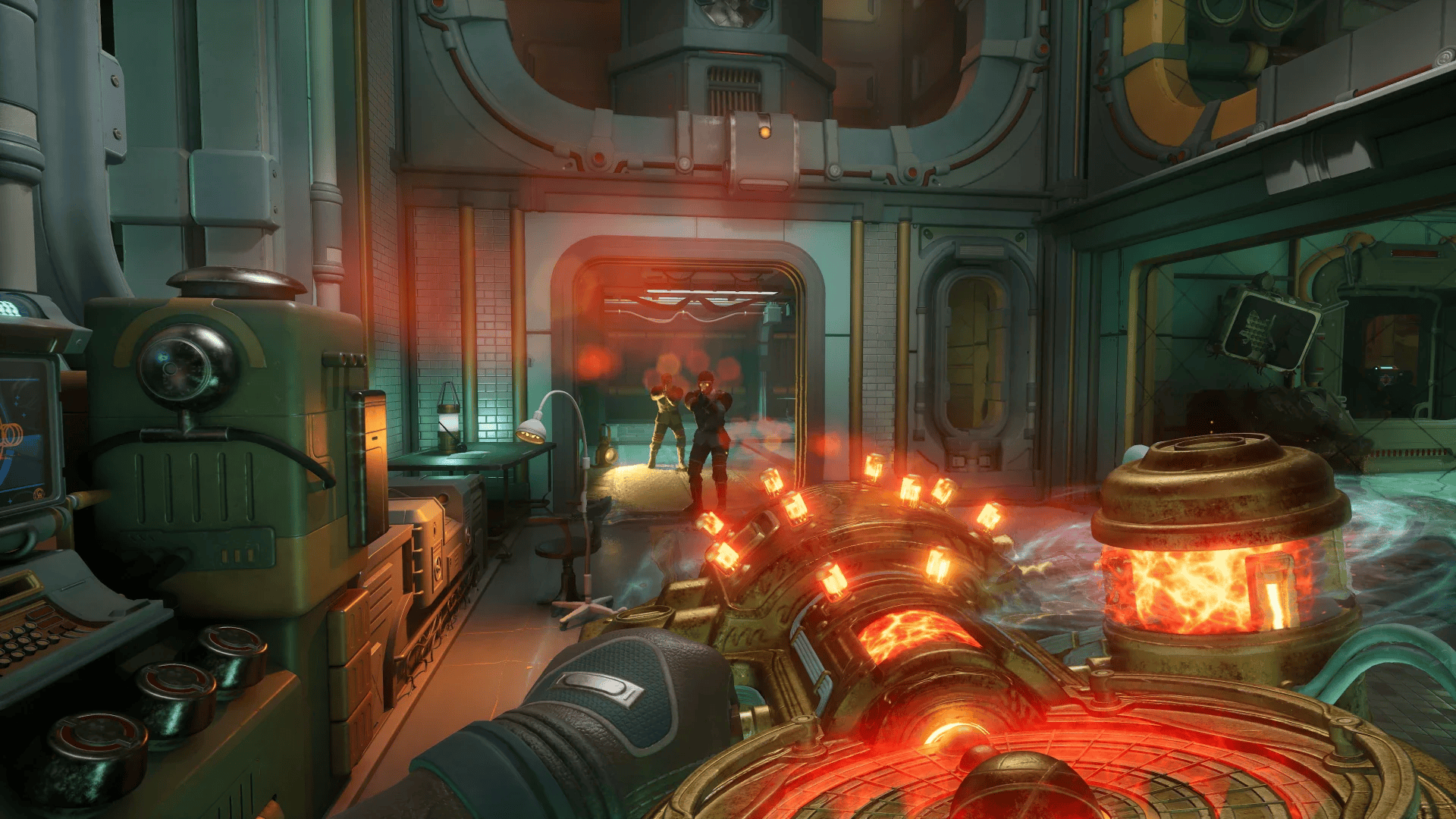
The controls in The Outer Worlds 2 are mostly smooth and easy to pick up. I found movement and aiming responsive, which helps during combat and exploration.
Basic actions feel well-mapped, making the game approachable for new players. The UI, however, has a few weak spots. Menus can feel crowded, and some options are buried deeper than expected, leading to extra scrolling.
Switching between inventory, skills, and quests is not always quick. Text size and icons are clear, but the layout could be cleaner.
Overall, the player experience is solid, with responsive controls doing much of the heavy lifting, even though the interface still needs better organization and faster access to key features.
Should You Buy The Outer Worlds 2?
The Outer Worlds 2 is a game I can recommend, especially for players who enjoy choice-driven RPGs with strong combat systems.
While it is not perfect, the improvements in gameplay, visuals, and overall polish make it a solid sequel.
I would give it a 7.5 out of 10. Fans of the first game will feel right at home and will likely enjoy the refined mechanics and familiar tone.
Newcomers can also jump in without much trouble, as the systems are easy to understand and well-explained. Performance issues may slow things down at times, but they do not fully take away from the fun.
Overall, it is a good pick for RPG fans looking for a story-focused sci-fi experience.
Summing It Up
The Outer Worlds 2 offers a solid experience, but a few issues hold it back. I feel it succeeds most in gameplay improvements and player choice, while performance issues and uneven story pacing limit its full potential.
Fans of the original game will likely appreciate the familiar structure and refined mechanics, while newcomers may notice both strengths and weaknesses more evenly.
It sits comfortably as a solid RPG rather than a standout one. If you have already played The Outer Worlds 2 or are planning to pick it up, drop a comment below and share your opinion on how it compares to the first game.