



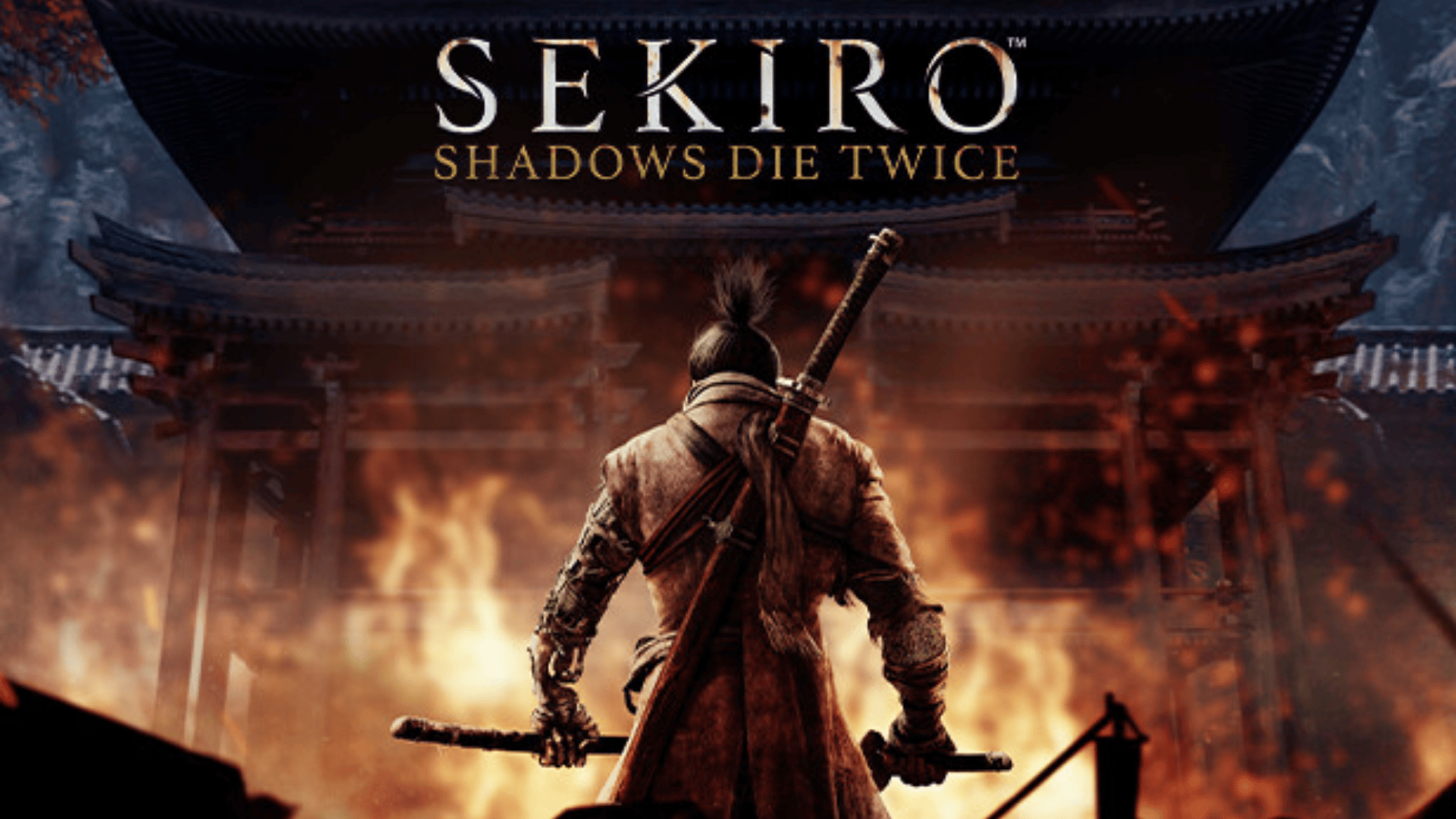
I have finished a lot of difficult games, but Sekiro: Shadows Die Twice is the only one that made me question whether I was actually getting worse at games.
For over 20 hours, I died constantly. Not the fun kind of death either. The kind that makes you put the controller down, stare at the wall, and ask why you are doing this to yourself.
And yet, when it finally clicked, Sekiro delivered the most satisfying combat experience I have had in a long time.
This Sekiro: Shadows Die Twice review breaks down the mechanics, the madness, and the magic that turned a punishing action game into a modern legend.
From the blood-soaked battlefields to the whispered secrets of Ashina, every brutal detail makes this game exceptional. Ready to face what lurks in the darkness? The shinobi’s path awaits those brave enough to walk it.
The Tale of Wolf and His Cursed Mission
Sekiro’s story worked for me because it felt grounded, even when it leaned into the supernatural. Playing as Wolf, a disgraced shinobi bound by loyalty to a young lord, immediately gave me more narrative focus than most FromSoftware games.
I always knew why I was fighting, even when I did not fully understand what was happening. Ashina feels less like a fantasy world and more like a dying country.
Every area looks worn down, broken, and hostile. Ancient temples crumble, castles feel occupied rather than majestic, and enemies behave like they actually want you dead instead of waiting politely for their turn.
What impressed me most was how much story I absorbed without cutscenes. Walking through misty valleys or enemy-infested fortresses, I could feel that this land was already lost. Sekiro does not tell you Ashina is doomed. It shows you, quietly and relentlessly.
Comparing Sekiro to Dark Souls and Bloodborne
I have played every modern FromSoftware title, and Sekiro is easily the one that made me unlearn the most gaming habits.
The differences are pretty obvious, and you will find them out very quickly once you play.
| Feature | Sekiro | Dark Souls | Bloodborne | Elden Ring |
|---|---|---|---|---|
| Combat Style | Rhythm-based parrying | Shield and roll defense | Aggressive dodging | Open-world variety |
| Character Customization | Fixed protagonist | Full customization | Full customization | Full customization |
| Difficulty Scaling | Fixed difficulty | Summoning help available | Summoning help available | Multiple options |
| World Design | Interconnected linear | Interconnected maze | Gothic labyrinth | Massive open world |
| Stamina System | No stamina meter | Stamina-based | Stamina-based | Stamina-based |
This Game Will Break You (And That’s The Point)
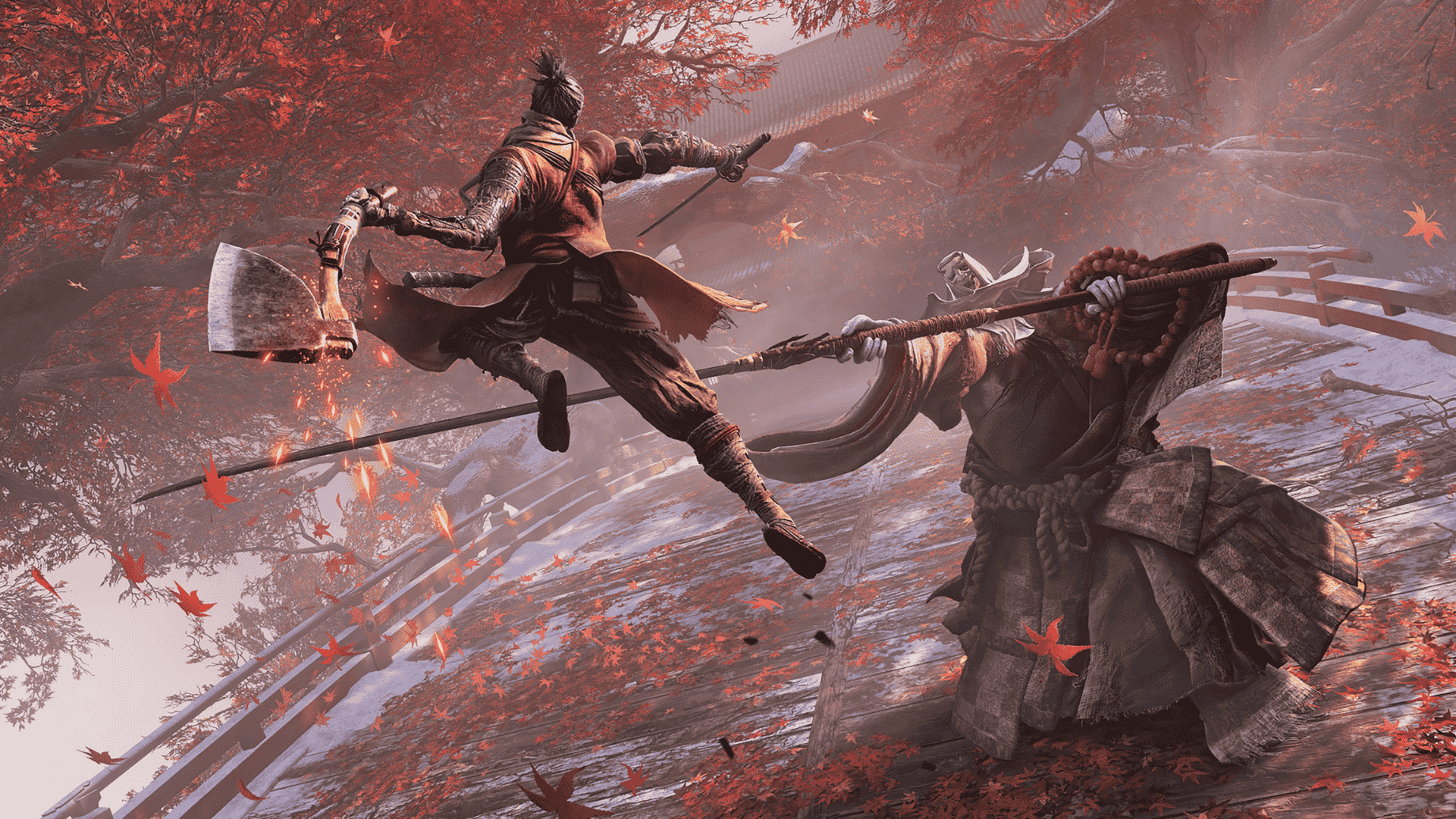
This game is not just hard. It is aggressively uninterested in meeting you halfway. Early on, Sekiro felt unfair. Enemies attacked faster than I could react, bosses punished every mistake, and death felt meaningless until I realized it actually was not.
- No summoning safety net: I hated this at first. Facing every boss alone felt cruel. But when I finally won, there was no doubt the victory was mine.
- Combat that punishes panic: Button mashing gets you killed. Hesitation gets you killed. Sekiro forces calm under pressure in a way few games ever have.
- Limited healing items: I could not rely on healing to fix mistakes. I had to stop making them.
- Enemies that never stop attacking: Bosses do not wait. They overwhelm. That constant pressure made every fight feel intense instead of scripted.
- Death penalties: Dying affects NPCs and world progression, adding real consequences beyond simple respawning mechanics. Stakes matter here.
My Experience vs. What the Reviews Promised
The gap between professional reviews and my feedback doesn’t always match, but it’s interesting where we disagree.
Critics praised the innovation and mastery-driven design, while I struggled with mechanics that don’t click until hours into the game.
| Aspect | Critics Say | Personal Say |
|---|---|---|
| Difficulty | Extremely challenging but rewarding for those who persist, though some critics argue it can feel punishing. | Too harsh for casual players and often frustrating. |
| Combat System | Skill-based and deeply satisfying, centered on precise timing and posture management. | Frustrating until mastered, then highly enjoyable. |
| Story Delivery | More direct than other FromSoftware titles, but still subtle and best appreciated through exploration. | Confusing and easy to miss without close attention. |
| Replay Value | Multiple endings add replay potential, though limited customization may reduce long-term appeal. | One playthrough is enough for many players. |
| Overall Reception | Widely acclaimed by critics as a standout FromSoftware release, with rare dissenting opinions. | A divisive, love-it-or-hate-it experience. |
The Combat System That Finally Made Me Feel Skilled
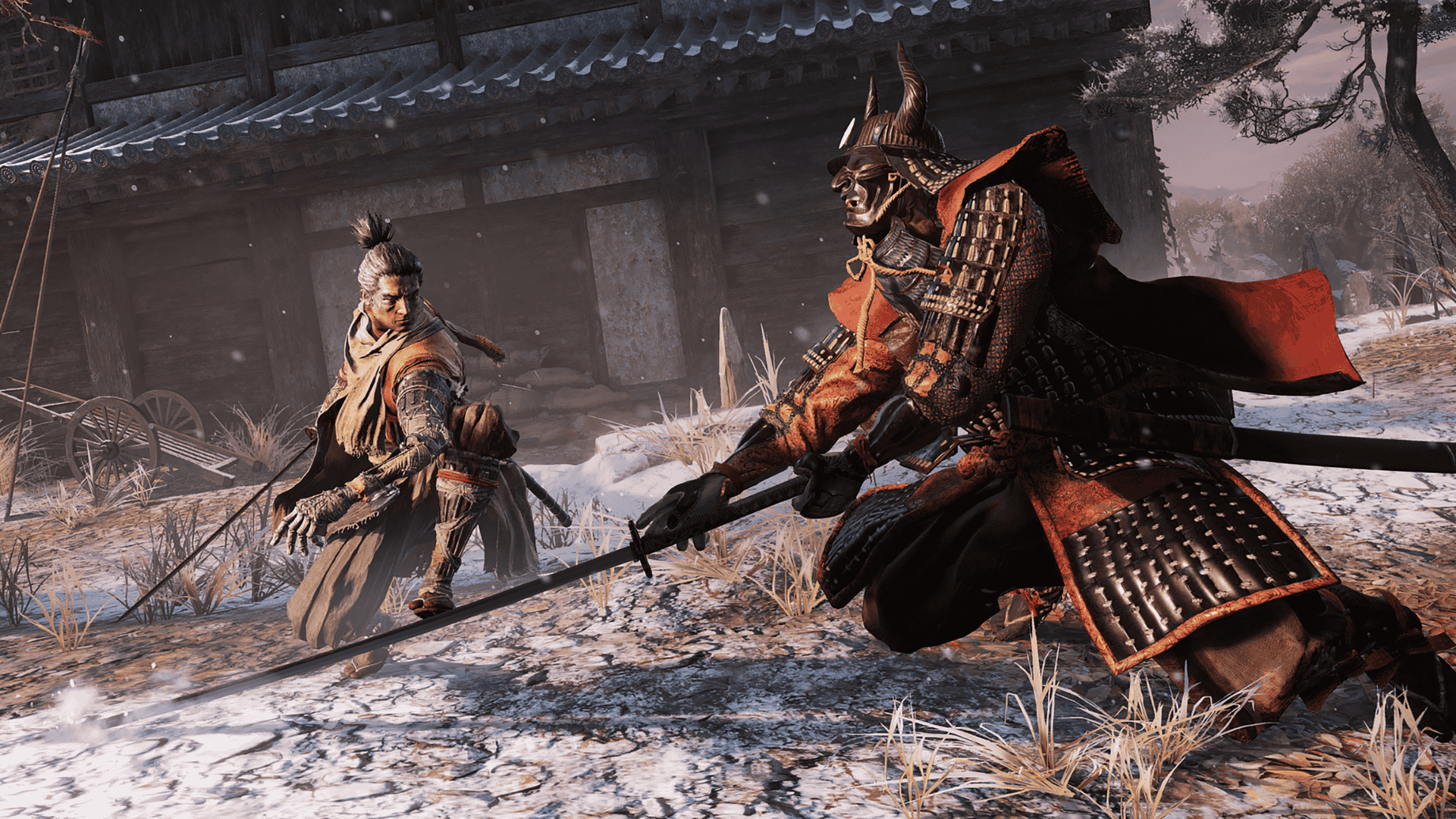
The combat system separates Sekiro from every other action game on the market and stands as one of the best combat designs in gaming history.
1. The Posture System Changed How I Fought Everything
The posture meter forced me to stop playing defensively. Sitting back gets you killed. Aggression is survival. Once I understood that breaking posture mattered more than draining health, combat became a tense back-and-forth instead of a slow war of attrition.
The failure here is onboarding. The game explains posture, but not well enough. Too many players quit before understanding what Sekiro actually wants from them.
2. Deflection Timing Made Me Earn Every Victory
Learning to deflect properly was the hardest and most rewarding part of Sekiro for me. Perfect timing turns enemy aggression into your greatest weapon and makes fights feel rhythmic and intense.
Early on, it felt unfair and inconsistent. Later, it felt incredible. I still think clearer feedback early would help players learn without weakening the challenge.
3. The Prosthetic Arm Never Reached Its Potential
I wanted to love the prosthetic tools, but most of the time I ignored them. While they offer creative options, sword combat dominates nearly every major encounter.
If a system feels optional during the game’s hardest moments, it is not well integrated. Sekiro missed an opportunity to make prosthetics feel essential rather than situational gimmicks.
4. Stealth Helped Me Survive But Never Evolved
Stealth gave me breathing room when clearing areas, but it never felt deep or rewarding. Boss fights completely ignore stealth mechanics, making the system feel disconnected from the rest of the game.
For a story about a shinobi, stealth should have mattered more. It works, but it never becomes a defining or memorable mechanic.
5. Skill Trees Look Deep, But Rarely Matter
Unlocking skills felt underwhelming more often than not. Most abilities did not meaningfully change how I played or approached combat.
While I appreciate Sekiro avoiding stat grinding, the skill trees feel padded with minor upgrades. Fewer, more impactful skills would have made progression feel exciting instead of forgettable.
6. Boss Fights That Pushed Me to My Limits
Sekiro’s bosses are the reason I kept going. Each major fight tested a specific skill and punished bad habits hard. Victories felt earned, not accidental.
Genichiro forced mastery, Guardian Ape shocked me completely, and Isshin pushed everything to the limit. Difficulty spikes were inconsistent, but the highs were unforgettable.
7. A World That Feels Hostile in Every Detail
Ashina looks and sounds incredible. Environmental design, Japanese voice acting, and sound cues during combat pulled me into the world completely.
Sword clashes even helped with timing. That said, some late-game interiors felt repetitive, which stood out more when frustration was already high. Still, the atmosphere carried the experience.
The combat mechanics, progression paths, and presentation work in harmony to deliver an unforgettable masterpiece even with these notable shortcomings.
My Final Thoughts on This Masterpiece
Sekiro: Shadows Die Twice is one of the most satisfying games I have ever finished, but it is not flawless. The combat system is unmatched. The boss fights are legendary. The atmosphere is unforgettable.
But the prosthetics feel underused, the skill trees lack impact, the story demands too much effort to follow, and the refusal to offer accessibility options is not something I will defend.
This is what gaming should be when it’s firing on all cylinders: challenging, rewarding, and uncompromising. After countless deaths and hard-won victories, I can confirm that picking up the controller and accepting this challenge will become a personal triumph.
If you commit to it, truly commit, the payoff is unlike anything else in gaming. Just be prepared to suffer before you succeed.