




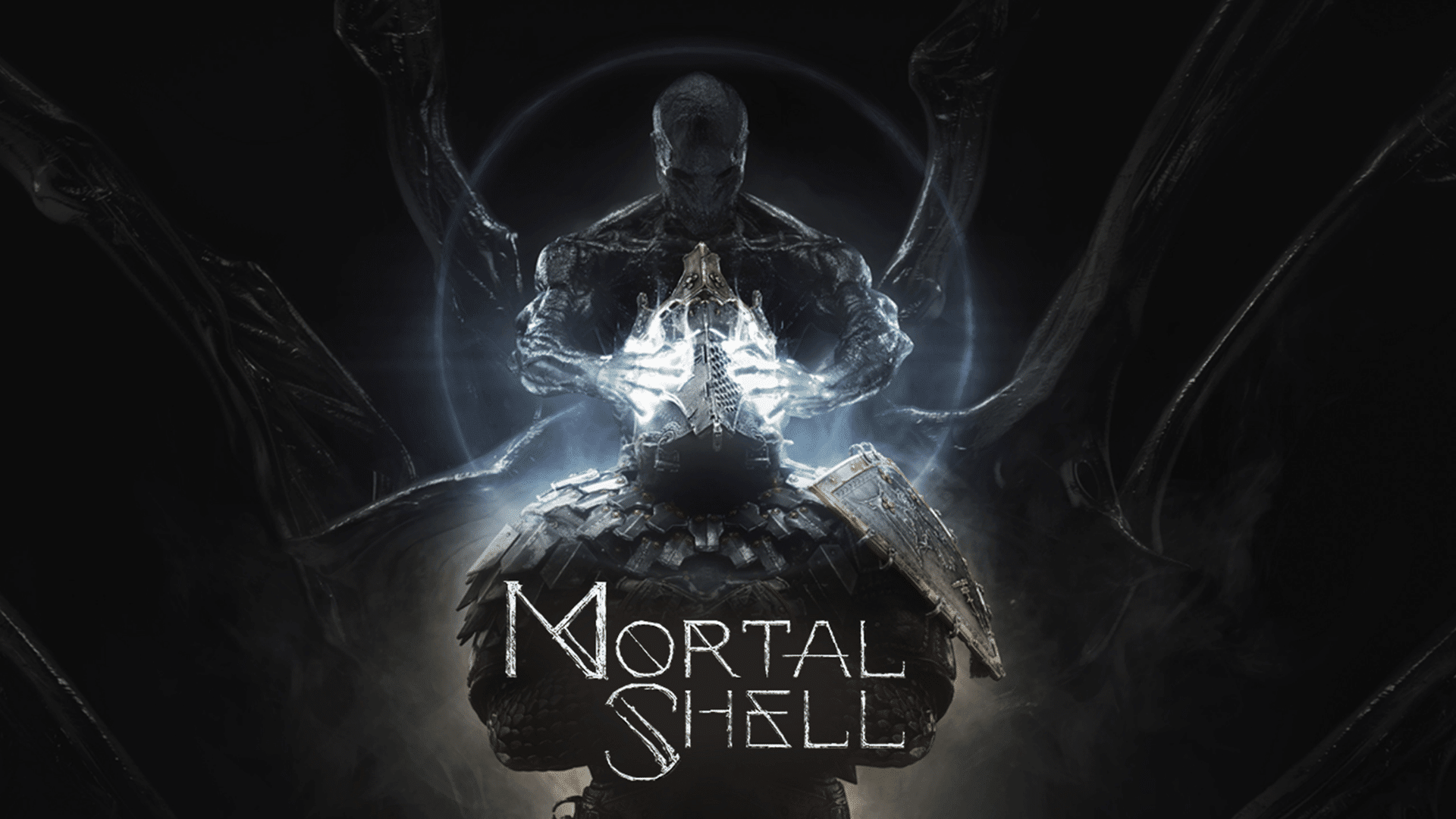
I didn’t come across Mortal Shell while watching videos or digging through reviews.
I came across it the hard way, by playing it, getting absolutely destroyed by a monster that looked like it could knock over my fridge, and immediately thinking, “That looks cool… and also like it might annoy the hell out of me.”
That pretty much sums up Mortal Shell.
Any time people talk about this game, the exact phrases come up: “punishing,” “soulslike,” “you’ll love it once it clicks.”
Which is really just gamer shorthand for: this game is going to beat you up, and you might still keep playing it anyway.
So yeah, is Mortal Shell good? For me, it ended up being yes… but only in short bursts.
The World Never Lets You Relax
From the moment Mortal Shell starts, it feels clear the game isn’t interested in making me comfortable.
I didn’t stumble into any cheerful villages, and I never found a spot that felt safe enough to relax. I was moving through dark swamps, ruined temples, and empty paths where even the silence felt off.
What really stuck out to me was how tense everything felt, even when nothing was actually happening.
I could be walking forward with no enemies on screen and still feel uneasy, like something bad was about to jump out at any second.
Visually, everything looked worn down and drained, as the worst had already happened, and I showed up late to whatever disaster took place.
Early on, that atmosphere carried me harder than the mechanics did.
After a while, though, places started to blur together, and I found myself getting confused more often than curious.
The Shell System Is Cool, But I Mostly Stuck to One
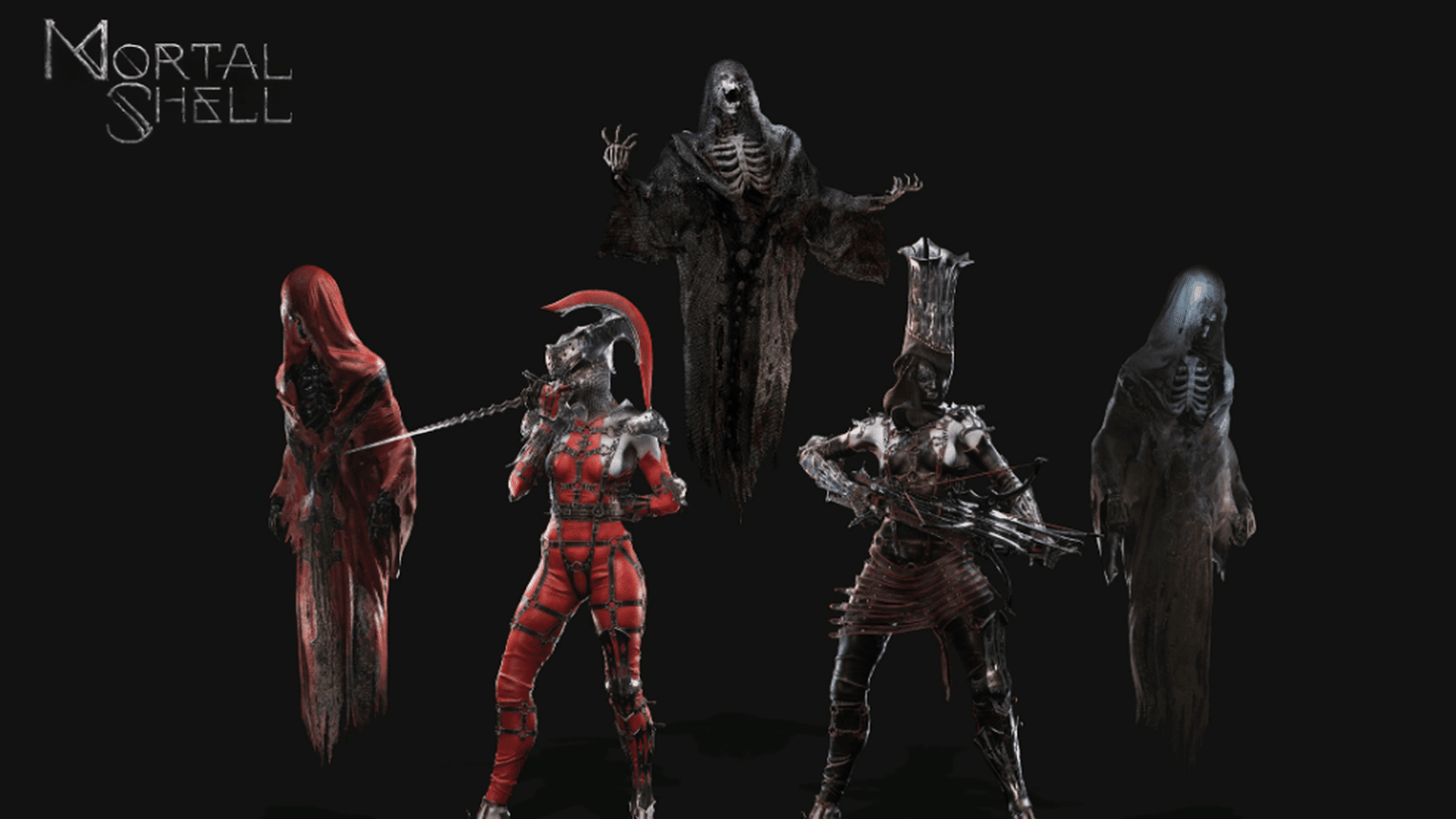
When different Shells started unlocking, I honestly thought I’d be switching between them constantly.
Different stats, different survivability, different playstyles, on paper, it sounded great, and I liked the idea of experimenting.
And the Shells really do push you toward different approaches:
- Eredrim felt like the safer, tankier option, built to take hits and stay in the fight.
- Harros was the balanced, no-drama Shell, kind of the “training-wheels” pick early on.
- Tiel leaned into high stamina and aggression, but felt way more fragile if I messed up.
- Solomon seemed made for players who like parries, Resolve, and using abilities more often.
In reality, switching Shells or weapons wasn’t quick or convenient, and I didn’t feel like running all the way back to the hub every time I wanted to try something new.
I also got turned around in the world enough that backtracking felt more annoying than fun.
Later on, swapping Shells becomes way easier once you start finding Effigies, which let you swap instantly without returning to the hub.
So even though the variety is real, I mostly committed to one setup, not because I didn’t want to experiment, but because it never felt smooth enough to do it mid-run.
Once I locked into that setup, a lot of the variety the system promised faded away for me.
Combat Lost Its Surprise Once I Settled Into a Rhythm
The biggest reason combat feels different here is the Hardening mechanic. At any moment, you can basically turn to stone and tank a hit, even mid-swing.
It’s simple, but it changes everything.
You can trade safely, bait attacks, or recover from mistakes in a way that feels unique compared to other Soulslikes.
And once it clicks, you realize there’s more depth here than the game explains upfront.
Weapon abilities, Resolve, even swapping weapons mid-fight, there are a lot of little systems that can make combat feel fast and aggressive if you actually lean into them.
You’ve got dodges, rolls, and parries too, but Hardening is what everything ends up orbiting; it’s the safety net that makes the game feel like its own thing.
I liked how slow and heavy everything felt, and I liked that every hit actually mattered. Learning enemy patterns and surviving tough fights felt satisfying at first.
After a while, though, I realized I was handling most encounters the same way.
Wait for an opening. Hit once. Back off. Recover stamina. Repeat.
Once that rhythm clicked for me, the game rarely forced any real adjustment. Even with all that extra depth sitting there, I could use the same safe pattern on regular enemies, and it carried over into boss fights, too.
Combat didn’t become bad; it just became familiar, and I felt like patience mattered more than learning anything new.
“At some point, it stopped feeling like I was learning and started feeling like I was just executing.”
I Felt Boss Fights Tested My Patience More Than Skill
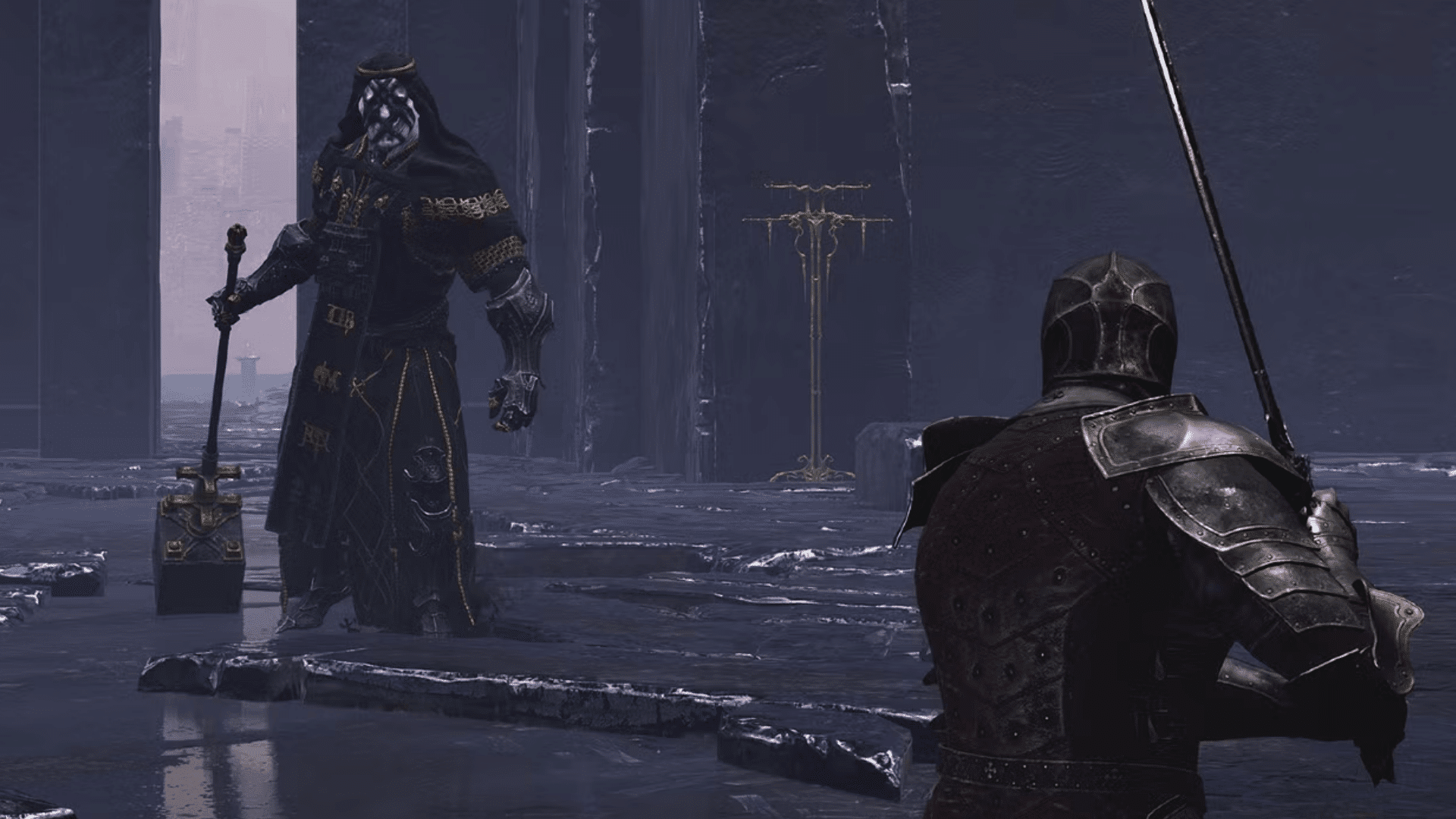
I didn’t hate any of the bosses like some of the Souls games’ bosses.
None of them felt awful to fight, but none really stuck with me either. What stood out more was how long some of those fights dragged on once I figured out a safe way to deal damage.
A few bosses turned into endurance tests for me. I wasn’t learning anything new; I was repeating the same pattern over and over until the health bar finally emptied.
Late-game fights pushed this the hardest, especially when I started running into more ambushes, bear traps, and enemies placed to catch me off guard. At that point, frustration started creeping in more than tension.
Getting Lost Happens a Lot
I got turned around more than I expected.
Sometimes the lack of direction felt intentional, and I actually liked figuring things out on my own.
Other times, I honestly couldn’t tell whether I was making progress or just looping back through the same area.
Because so many places look similar, I found it really easy to get lost. When that happened, exploration stopped feeling deliberate and started feeling aimless.
In some sessions, it didn’t bother me much. In other sessions, I definitely felt it.
The Story Never Really Landed
I wanted the story to grab me more than it did.
There’s a lot of atmosphere in Mortal Shell, but I never felt truly pulled into what was happening. Everything stayed vague, cursed world, doomed fate, cryptic characters — and none of it really stuck emotionally.
I kept going more out of curiosity than investment. I wanted to see what was next, but I never felt attached to it.
By the time the final confrontation arrived, it felt less like a payoff to me and more like something inevitable. I didn’t feel much surprise or emotional weight there.
For a game this moody, the lack of a strong narrative stood out to me in a big way.
Final Thoughts
Would I recommend Mortal Shell? Hell yeah, with expectations in check.
It’s enjoyable, especially early on. The atmosphere is intense, the combat feels good at first, and the overall experience works best in shorter sessions.
Repetition, confusing navigation, tanky bosses, and a weak story keep it from becoming something special, but it’s still a solid Soulslike worth trying.
You might bounce off it. Or you might find yourself saying, “Alright… one more try.”
And honestly, that’s precisely how Mortal Shell felt to me.