

If you’re a Mortal Kombat fan, you already know the best part isn’t just the fights, it’s the characters.
From masked ninjas to thunder gods, the roster is packed with fighters who each have their own look, powers, and style.
But with so many games and so many names, it’s easy to forget who’s who (and who belongs to which side).
That’s why this list of Mortal Kombat characters is here. In this blog, you’ll find a clear, easy-to-scan list of Mortal Kombat characters that helps you quickly spot favorites,
learn new names, and remember what makes each fighter stand out. It’s written in simple language, so it’s great for newer players too.
Doesn’t matter if you’re picking a main, building a dream lineup, or just having fun reading through the roster, this guide keeps everything in one place.
Let’s jump into the characters and meet the legends, the villains, and everyone in between.
A Brief History of Mortal Kombat
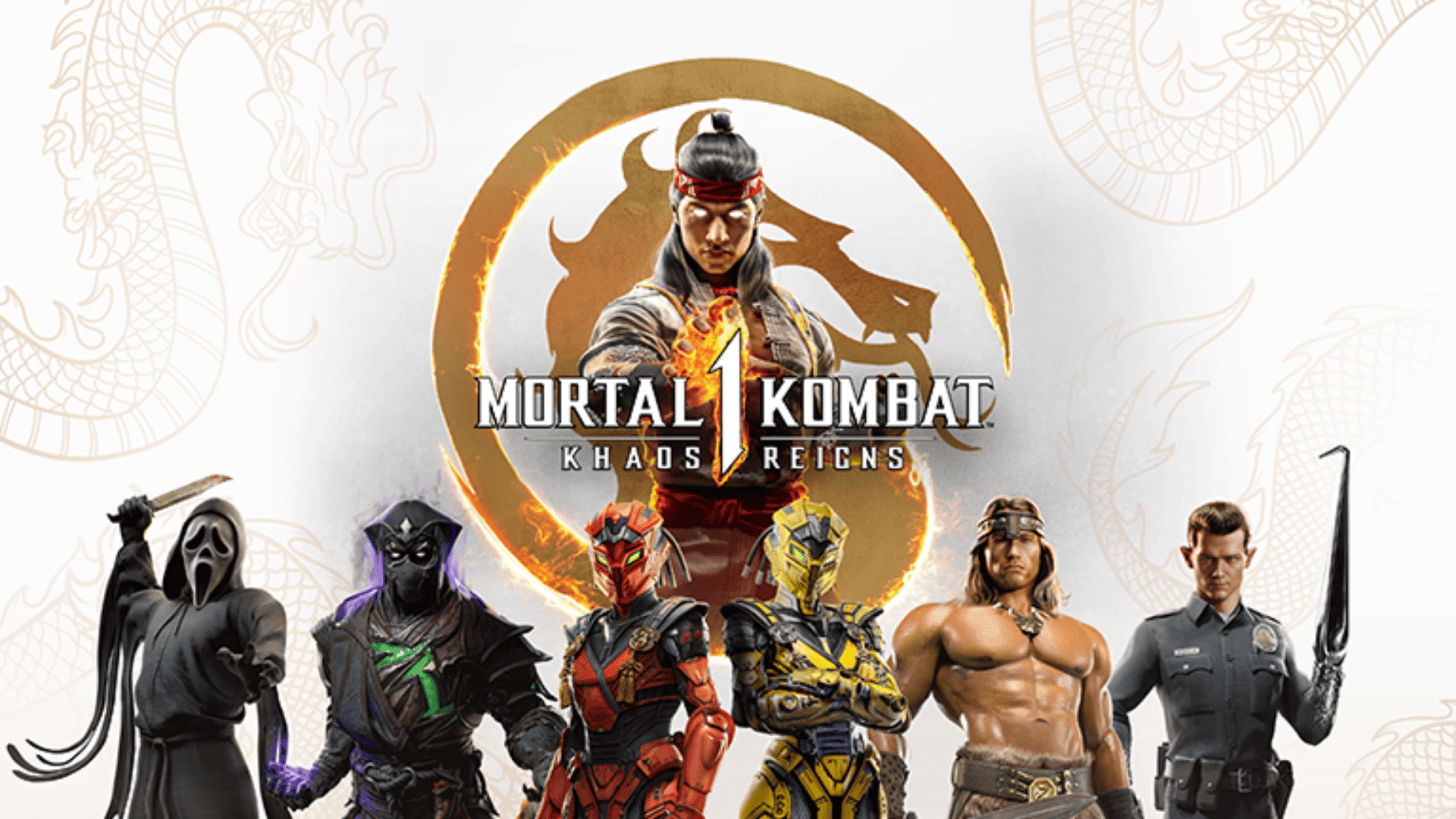
Mortal Kombat began in 1992 as an arcade fighting game created by Ed Boon and John Tobias.
It quickly stood out because of its realistic characters, intense fights, and famous finishing moves called Fatalities. These bold features made the game very popular and also very controversial.
As the series grew, Mortal Kombat moved from arcades to home consoles and added more fighters, stories, and worlds.
Each new game is built on a deep storyline about different realms, mighty warriors, and epic battles for control. Characters like Scorpion, Sub-Zero, and Raiden became fan favorites over time.
Today, Mortal Kombat is one of the most well-known fighting game franchises in the world.
With updated graphics, cinematic story modes, and an extensive character roster, the series continues to attract both longtime fans and new players.
List of All Mortal Kombat Characters
This A–Z list covers Mortal Kombat characters from the games, including fighters, bosses, and key story characters. Each entry includes the year they first appeared, plus a quick look at who they are and what makes them stand out.
1. Ashrah
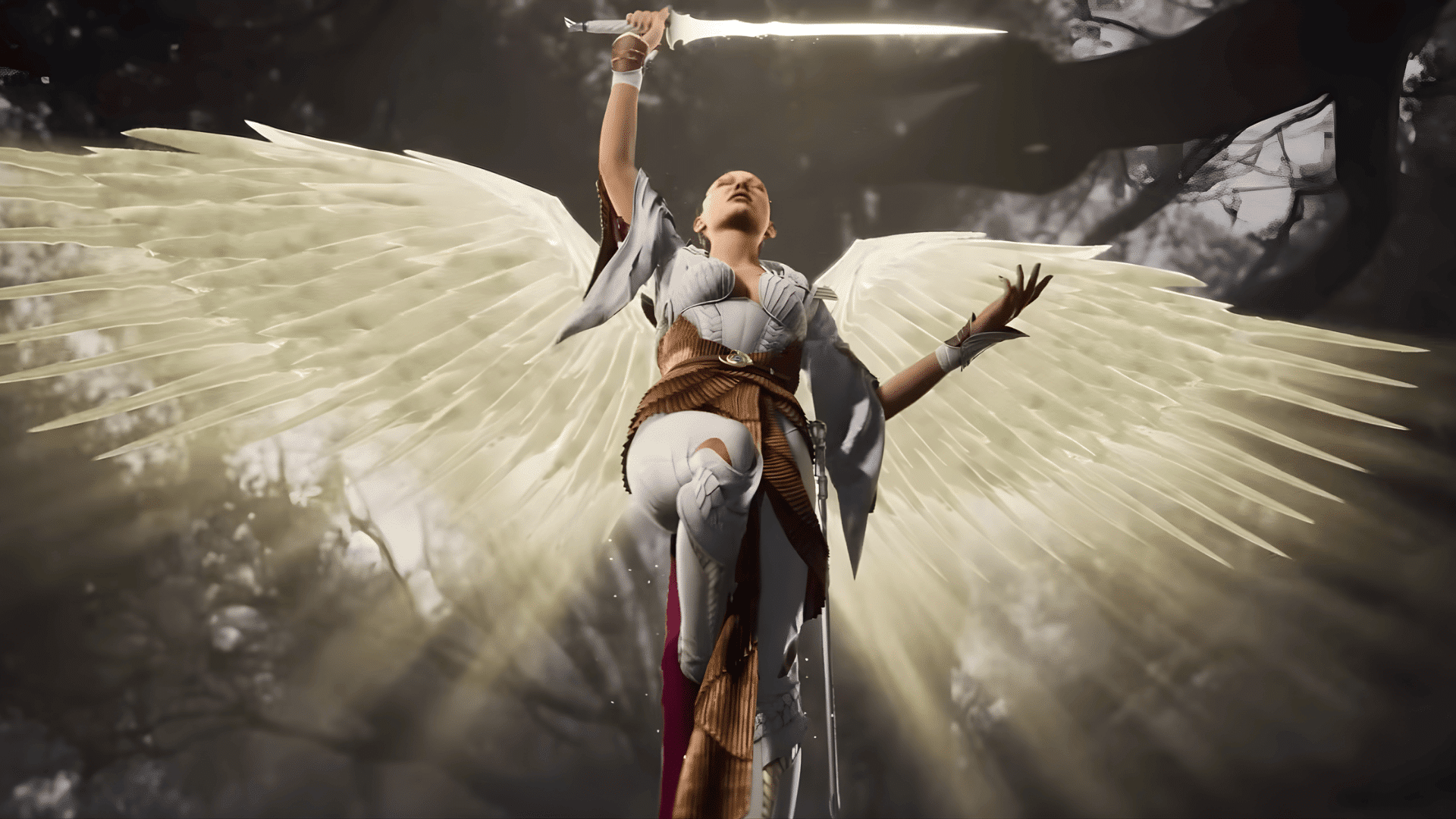
Seen for the first time in Mortal Kombat: Deception (2004), Ashrah is a mysterious Netherrealm demon who seeks redemption by purifying herself through battle. Wielding the sacred Kriss blade, she’s calm, focused, and almost hauntingly serene compared to other hellish fighters.
Her vibe blends holy purpose with dark origins, making her feel like a warrior caught between light and darkness, deadly, graceful, and driven to cleanse her soul.
2. Blaze
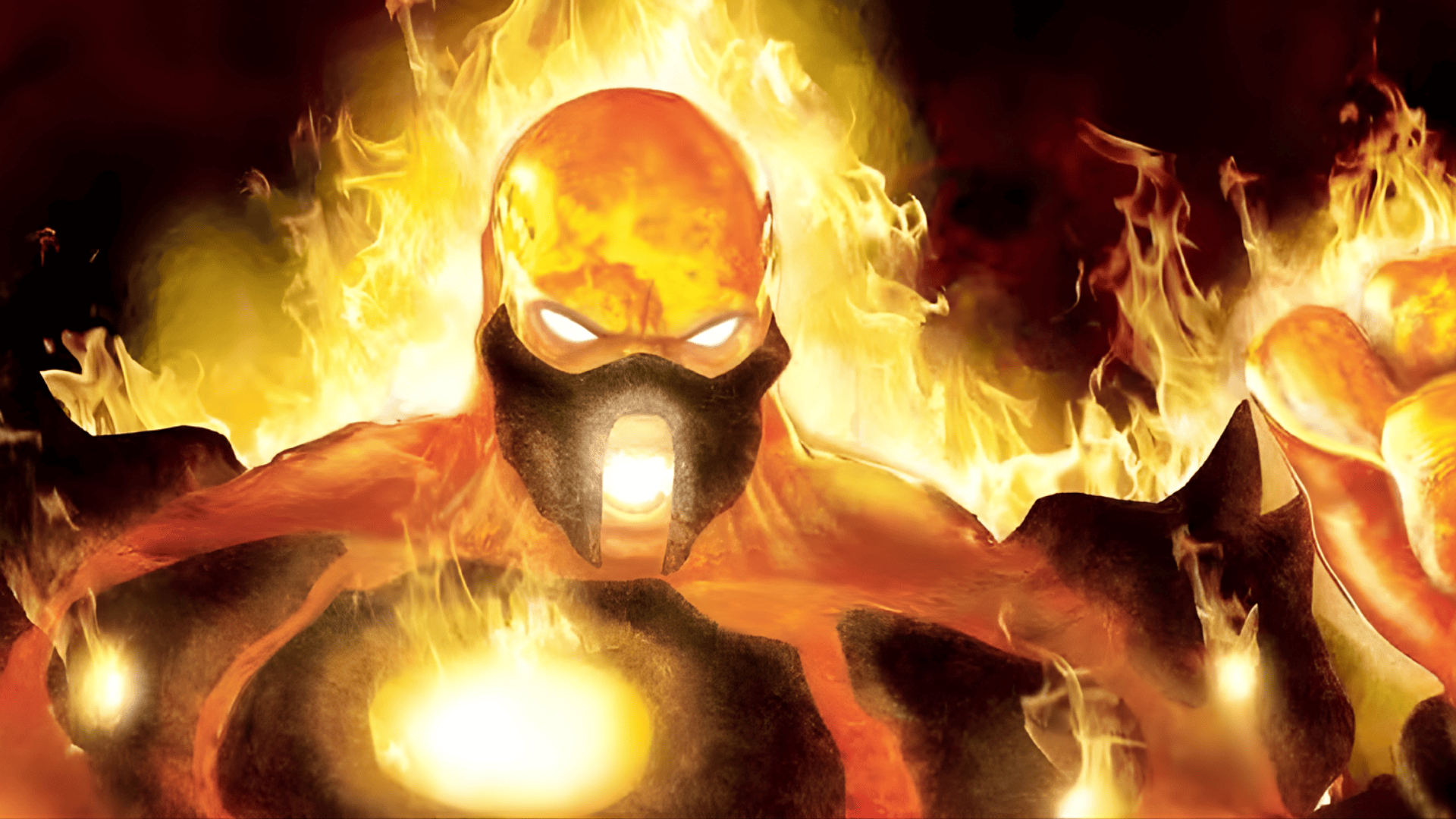
Introduced in Mortal Kombat: Deadly Alliance (2002), Blaze is a mysterious elemental warrior made of living fire. He often appears as a powerful guardian figure tied to ancient prophecies and world-shaking conflicts.
Blaze feels less like a normal character and more like a walking force of nature, silent, intense, and dangerous. His fiery design gives him a mythic presence, like a final challenge meant to test champions rather than build friendships or alliances.
3. Bo’ Rai Cho
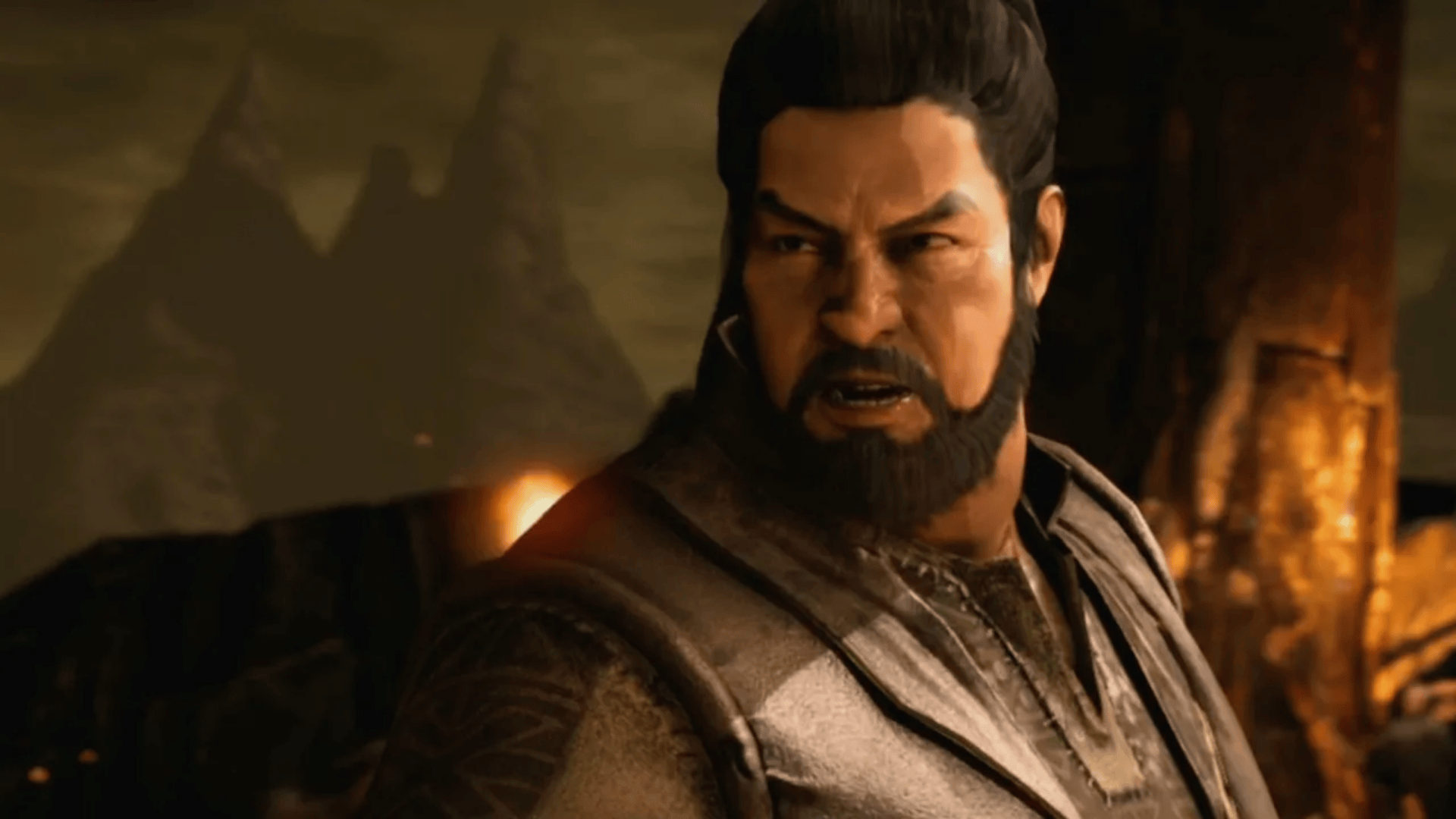
Came out in Mortal Kombat: Deadly Alliance (2002), Bo’ Rai Cho is an Outworld martial arts master with a unique, comedic style. Known for being messy, loud, and constantly underestimated, he’s still one of Earthrealm’s most skilled teachers.
Despite his goofy habits, Bo’ Rai Cho has surprising wisdom and power, training fighters like Liu Kang and Kung Lao. He feels like a chaotic mentor, equal parts hilarious and deadly, proving that mastery doesn’t always look serious or polished.
4. Chameleon
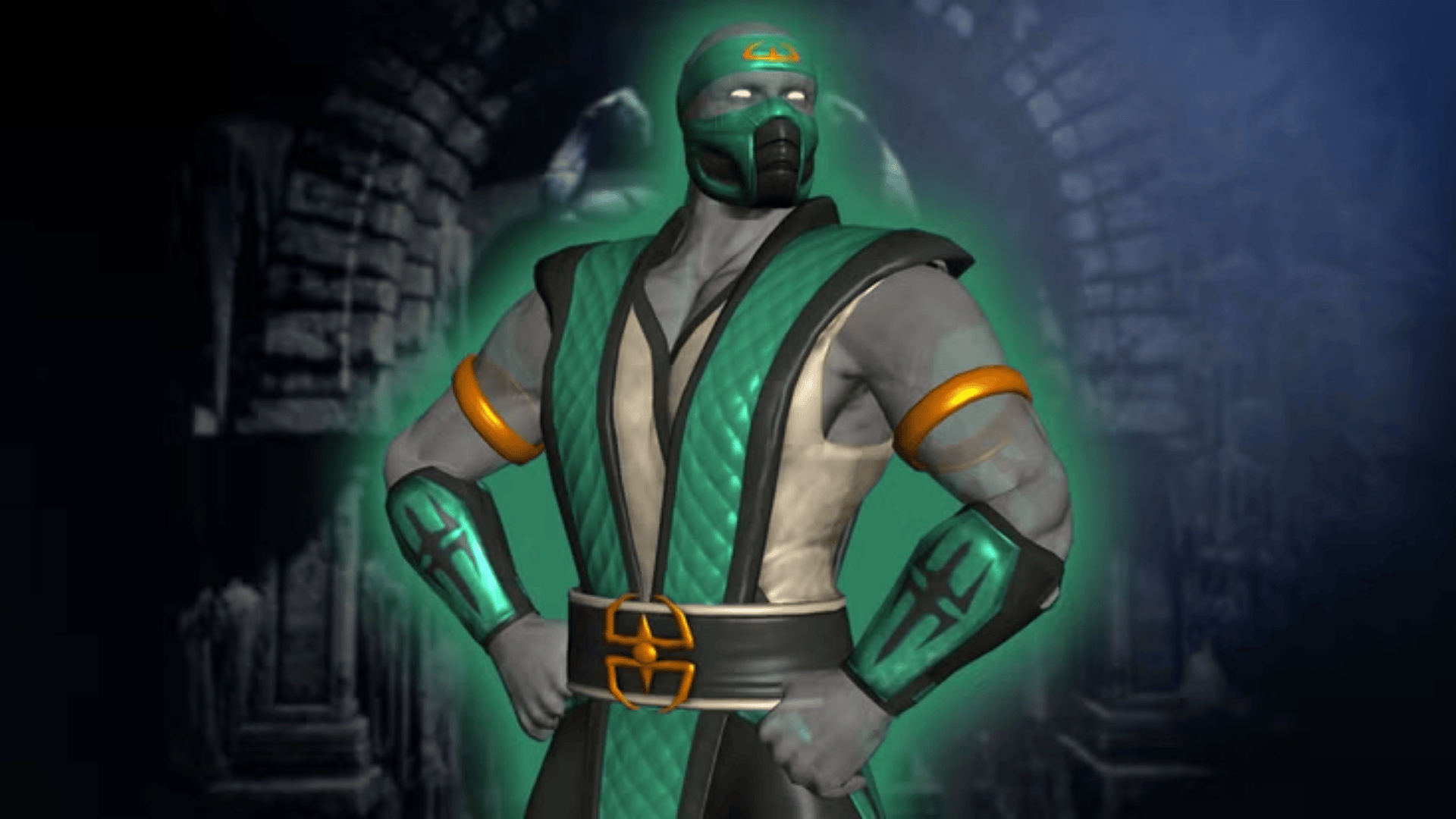
Appeared in Mortal Kombat (1992), Chameleon is a mysterious Saurian warrior with the ability to imitate multiple ninja fighters. He’s quiet, rare, and usually treated as an almost hidden character rather than a major story presence.
What makes Chameleon interesting is the uncertainty around him; he feels like a myth within the roster. His copy-style identity gives him a “ghost in the shadows” vibe, like a secret weapon that can shift tactics instantly and keep opponents guessing.
5. Cyrax
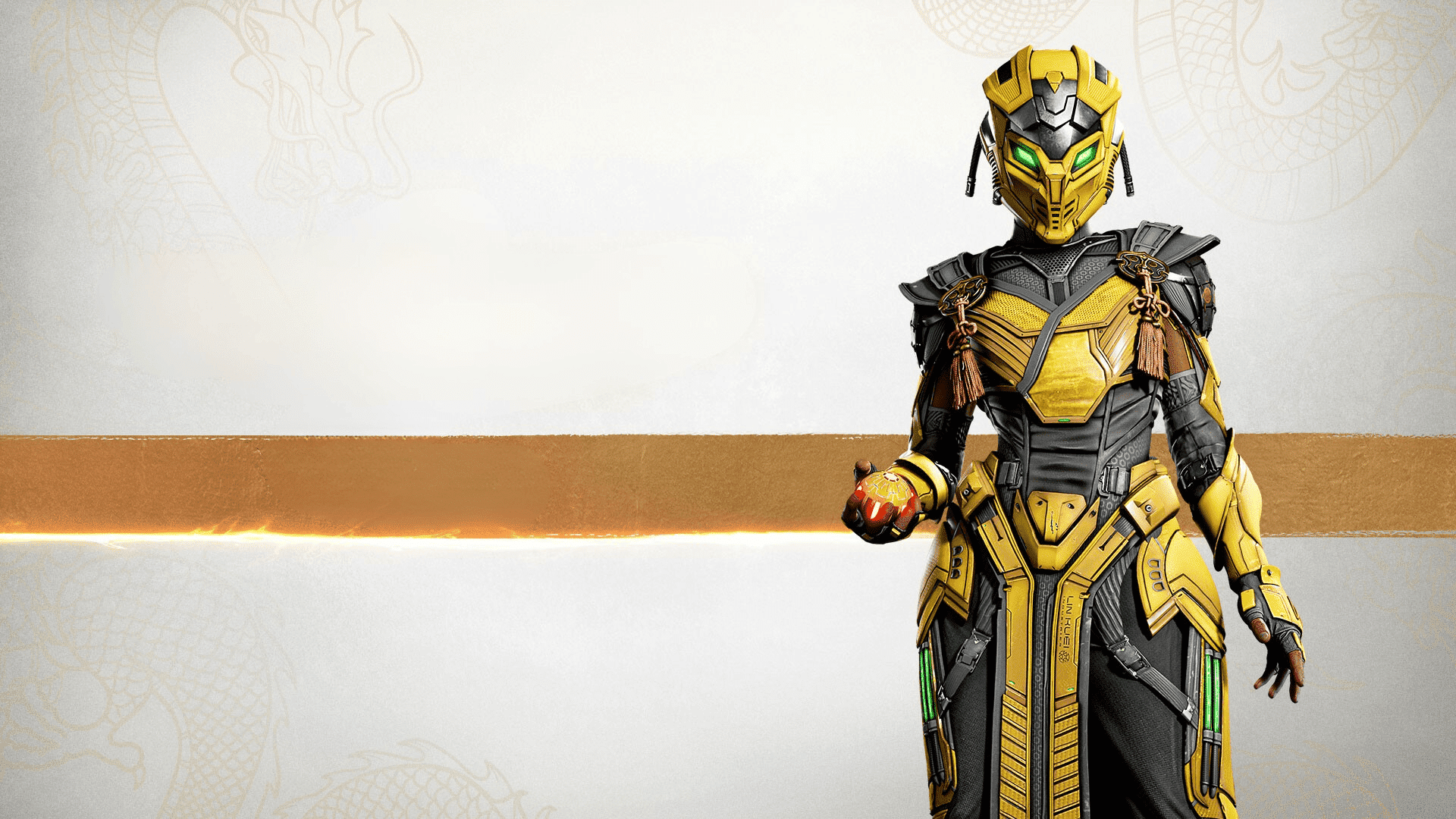
Appearing for the first time in Mortal Kombat 3 (1995), Cyrax is a Lin Kuei assassin turned cybernetic warrior. He’s disciplined, dangerous, and torn between his programmed purpose and the humanity still buried inside him.
Cyrax stands out as a fighter with both brutality and tragedy. He’s equipped with bombs, nets, and high-tech weapons, but his story often focuses on lost identity. He feels like a soldier trapped in a machine, struggling to regain control.
6. Daegon
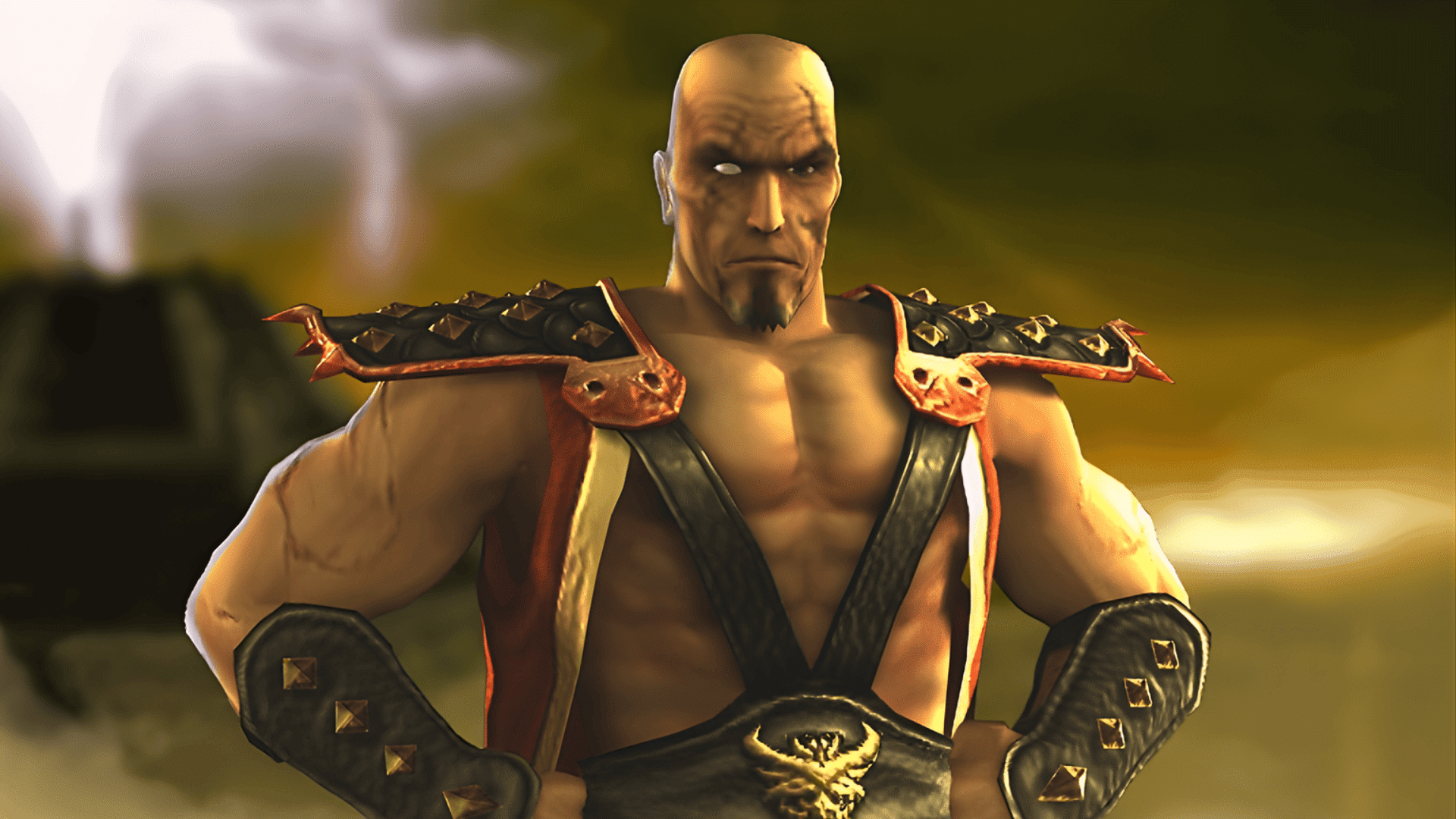
Seen in Mortal Kombat: Armageddon (2006), Daegon is a powerful demigod and Taven’s brother, tied to the prophecy that shapes Armageddon. He’s ambitious, ruthless, and convinced he deserves ultimate power.
Daegon feels like a villain built on pride and destiny, less on honor than on conquest. His presence brings “chosen one gone wrong” energy, making him dangerous not just because of strength, but because he truly believes the world should belong to him.
7. Dairou
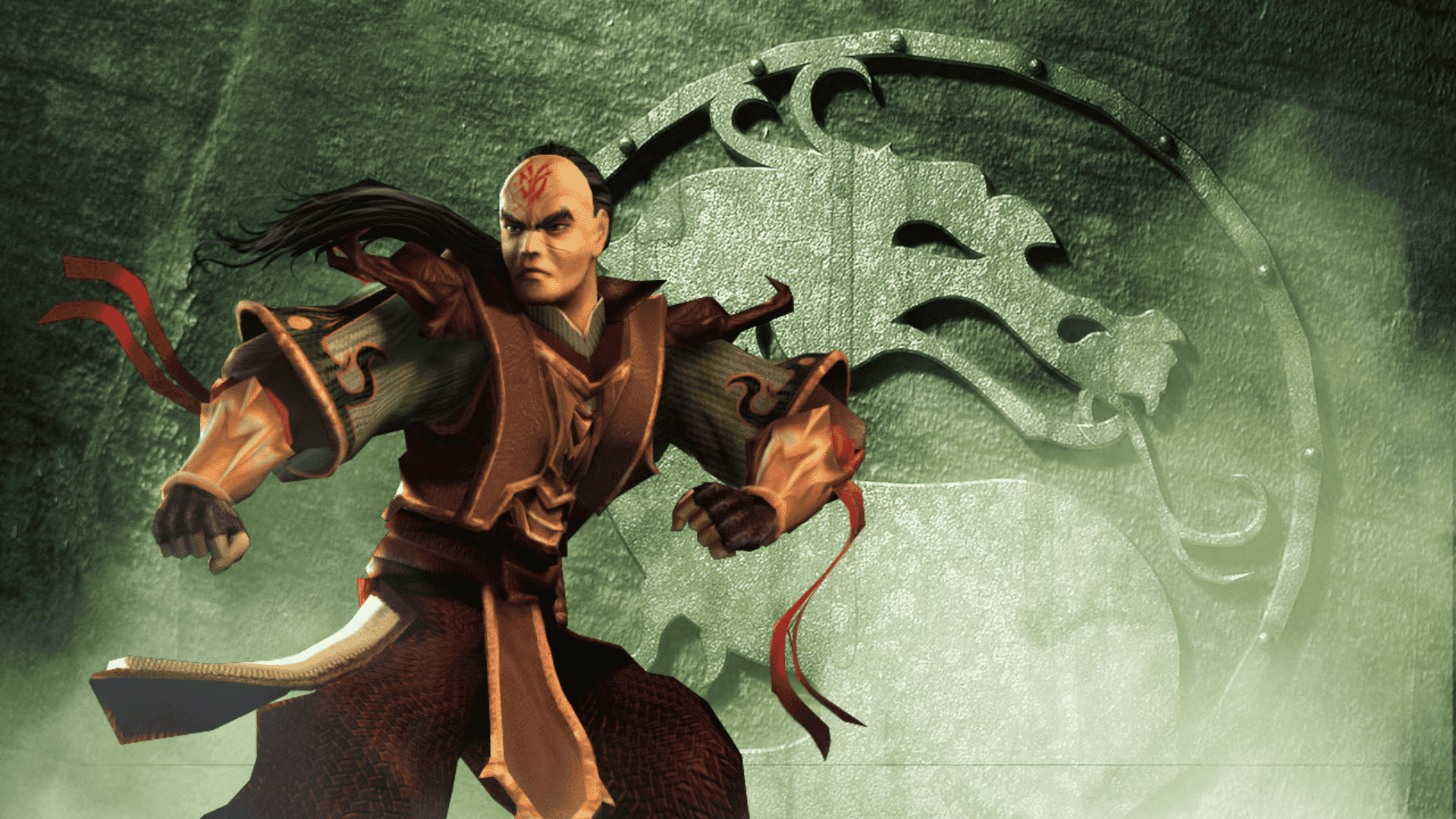
Introduced in Mortal Kombat: Deception (2004), Dairou is a former Seidan guard turned rebel after losing faith in the strict Orderrealm system. He’s gritty, practical, and motivated more by survival than heroism.
Dairou has a grounded, street-level vibe compared to the gods and demons around him. He feels like someone caught in a political mess, throwing hands because he has to. His style is rough and direct, a fighter shaped by betrayal and hard choices.
8. Dark Kahn
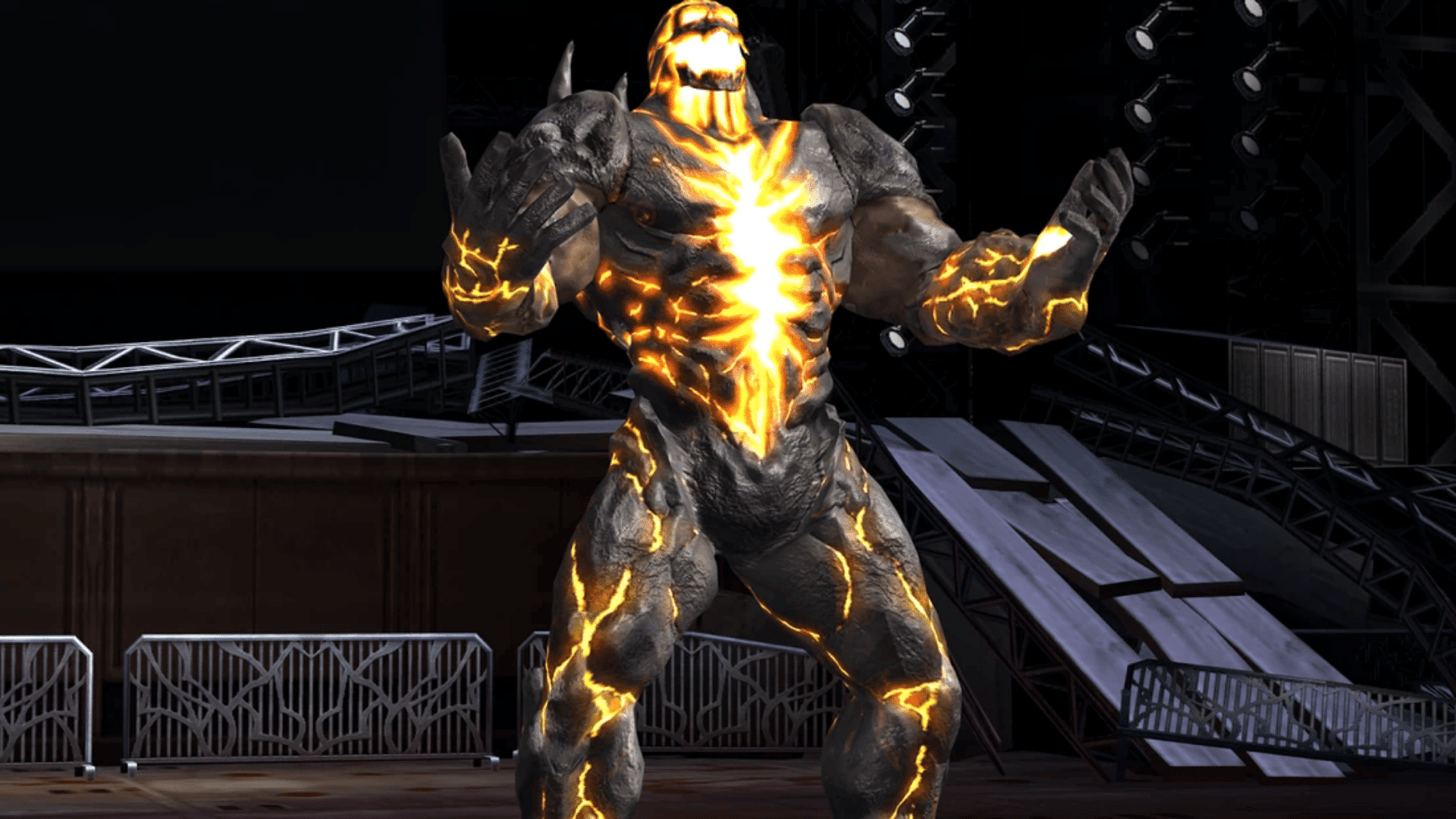
Appearing in Mortal Kombat vs. DC Universe (2008) for the first time, Dark Kahn is a towering fusion of Shao Kahn and Darkseid, created by a reality-warping clash between worlds. He’s pure domination, cold, tyrannical, and absurdly powerful.
Dark Kahn feels like a “final boss” concept made real: larger-than-life, brutal, and unstoppable. Instead of having a personal journey, he represents catastrophe itself, an enemy born from two universes colliding, built to conquer everything in his path.
9. Darrius
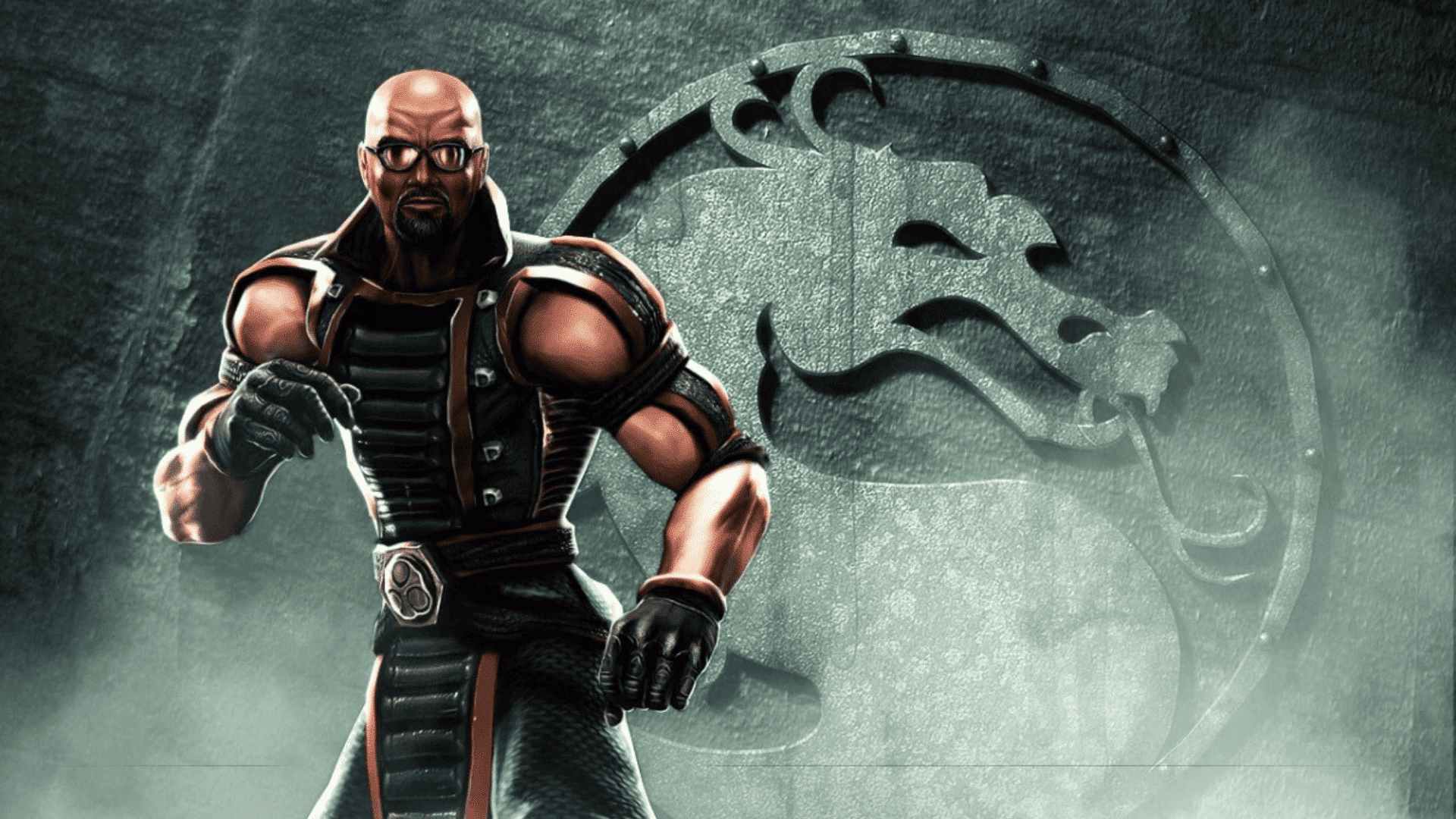
First seen in Mortal Kombat: Deception (2004), Darrius is a rebel leader from Orderrealm who fights back against strict, controlling rule.
He’s all about rebellion and change, even if it means using ruthless methods. In a story sense, he represents chaos in politics and the “order vs rebellion” theme.
10. Delia
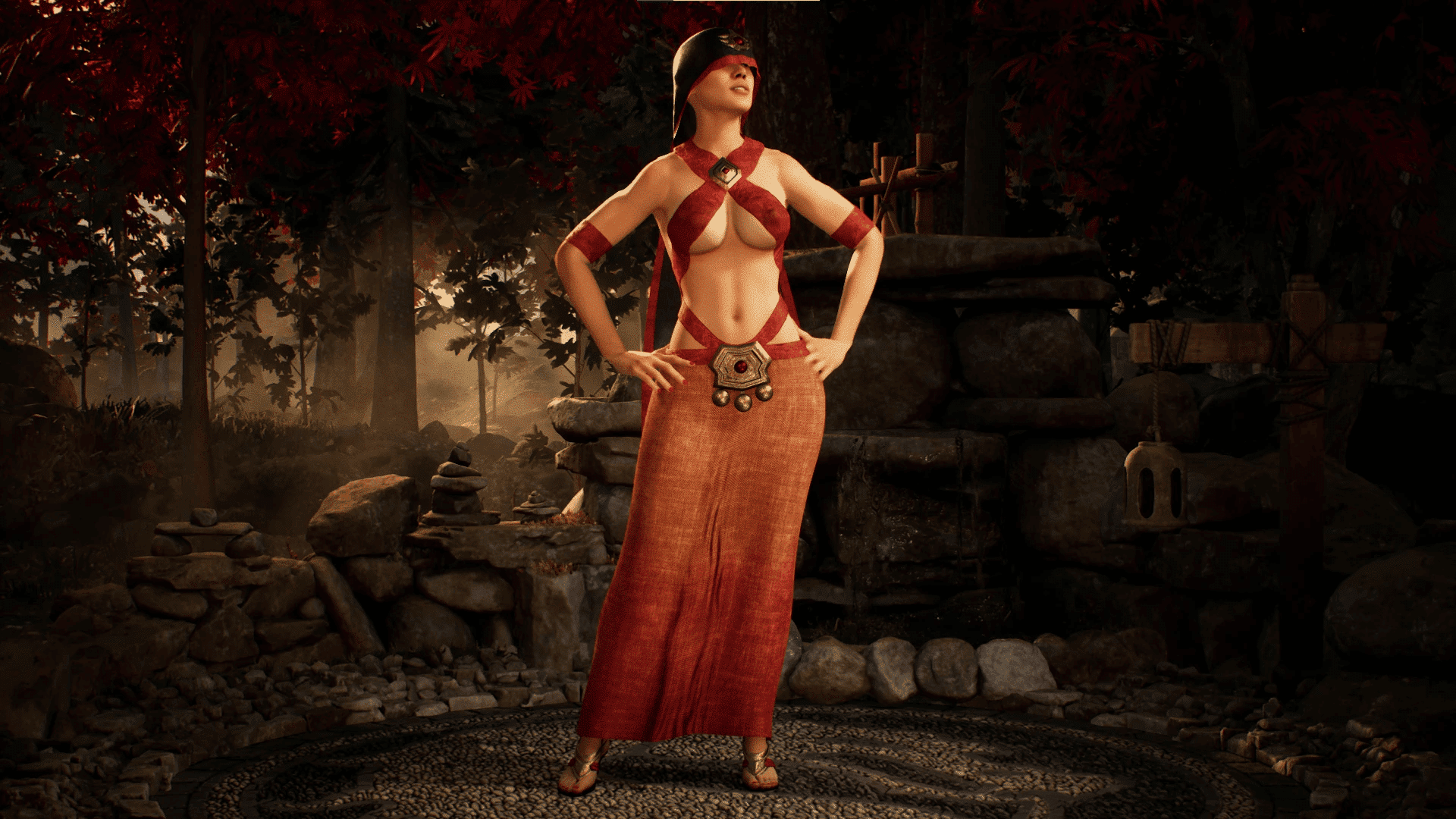
Appearing in Mortal Kombat: Armageddon (2006), Delia is a powerful Edenian sorceress and an important lore figure connected to prophecy.
She’s tied to the larger “end times” storyline and the coming conflict of Armageddon. Delia isn’t a typical brawler; she’s more of a wise, magic-linked character in the background.
11. Drahmin
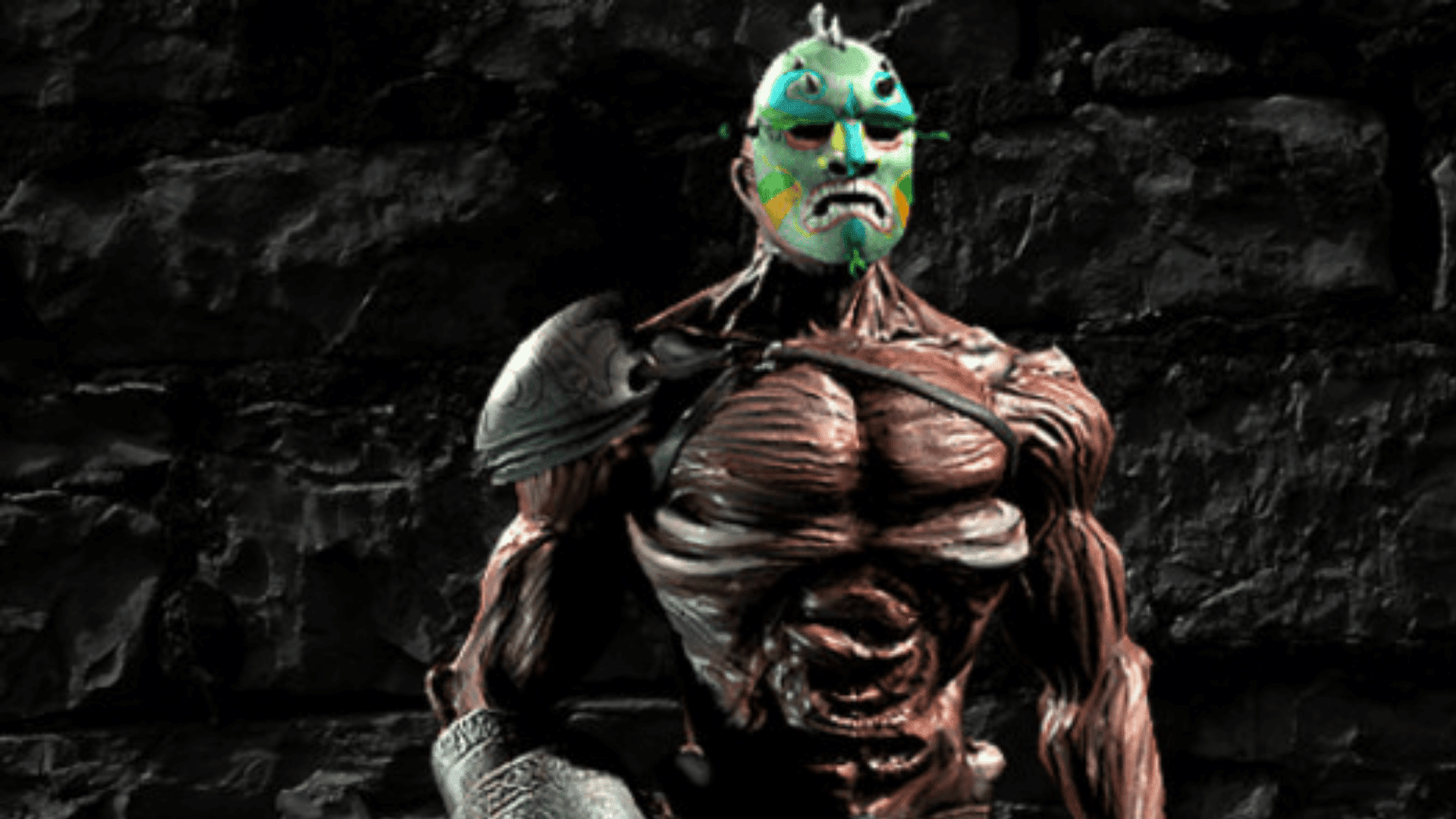
Introduced in Mortal Kombat: Deadly Alliance (2002), Drahmin is a terrifying Netherrealm demon with a brutal, monster-like design. He’s often portrayed as muscle-strong, aggressive, and hard to stop once he starts swinging.
His horror vibe and heavy-hitter style make him feel like a walking nightmare rather than a clever strategist.
12. D’Vorah
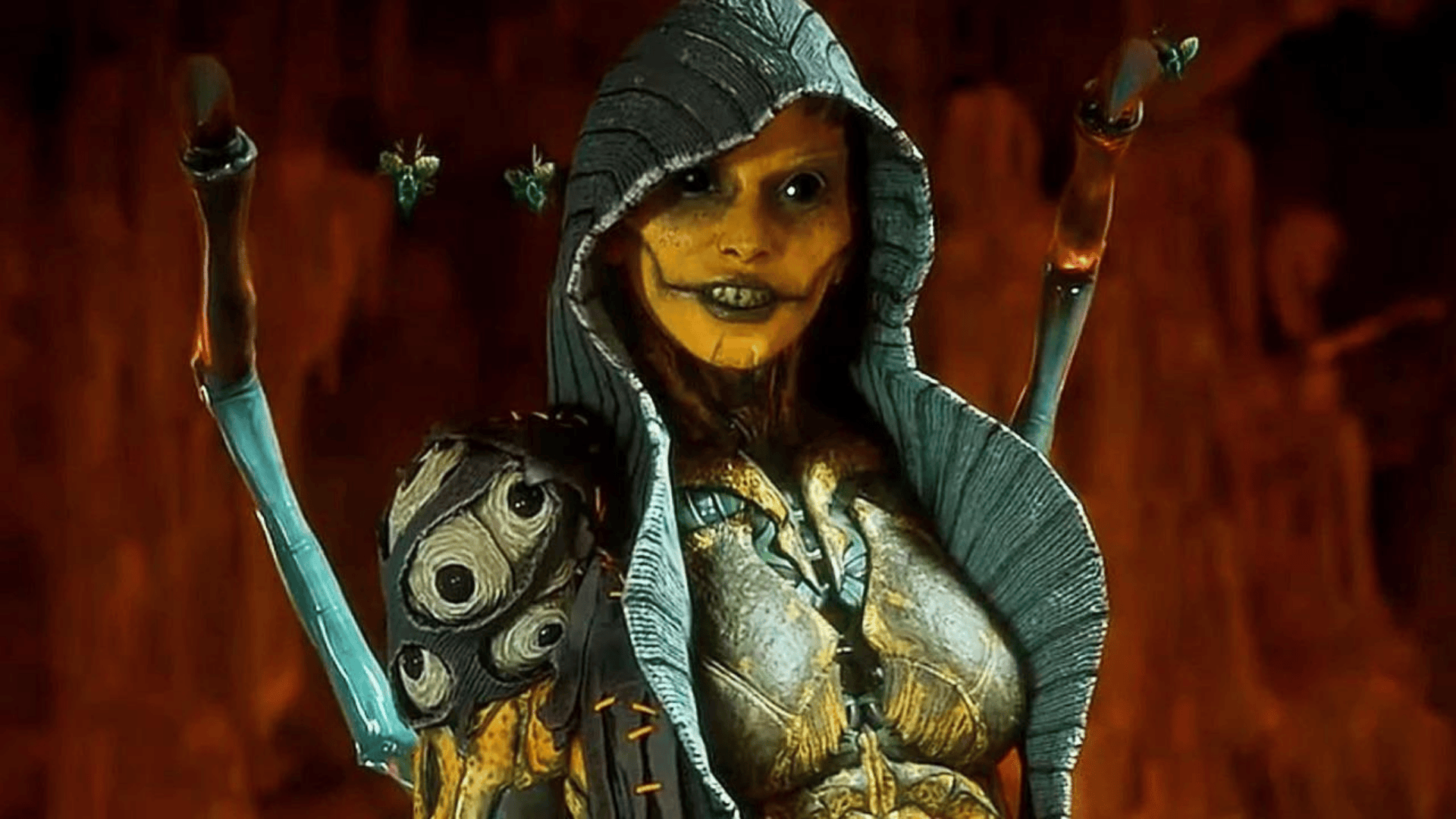
Debuting in Mortal Kombat X (2015), D’Vorah is an insectoid assassin known for poison, swarms, and unsettling insect powers.
In the story, she’s dangerous partly because she’s unpredictable and willing to betray anyone to survive. Her fighting identity leans into bugs, venom, and creepy movement, making her one of the most unique threats.
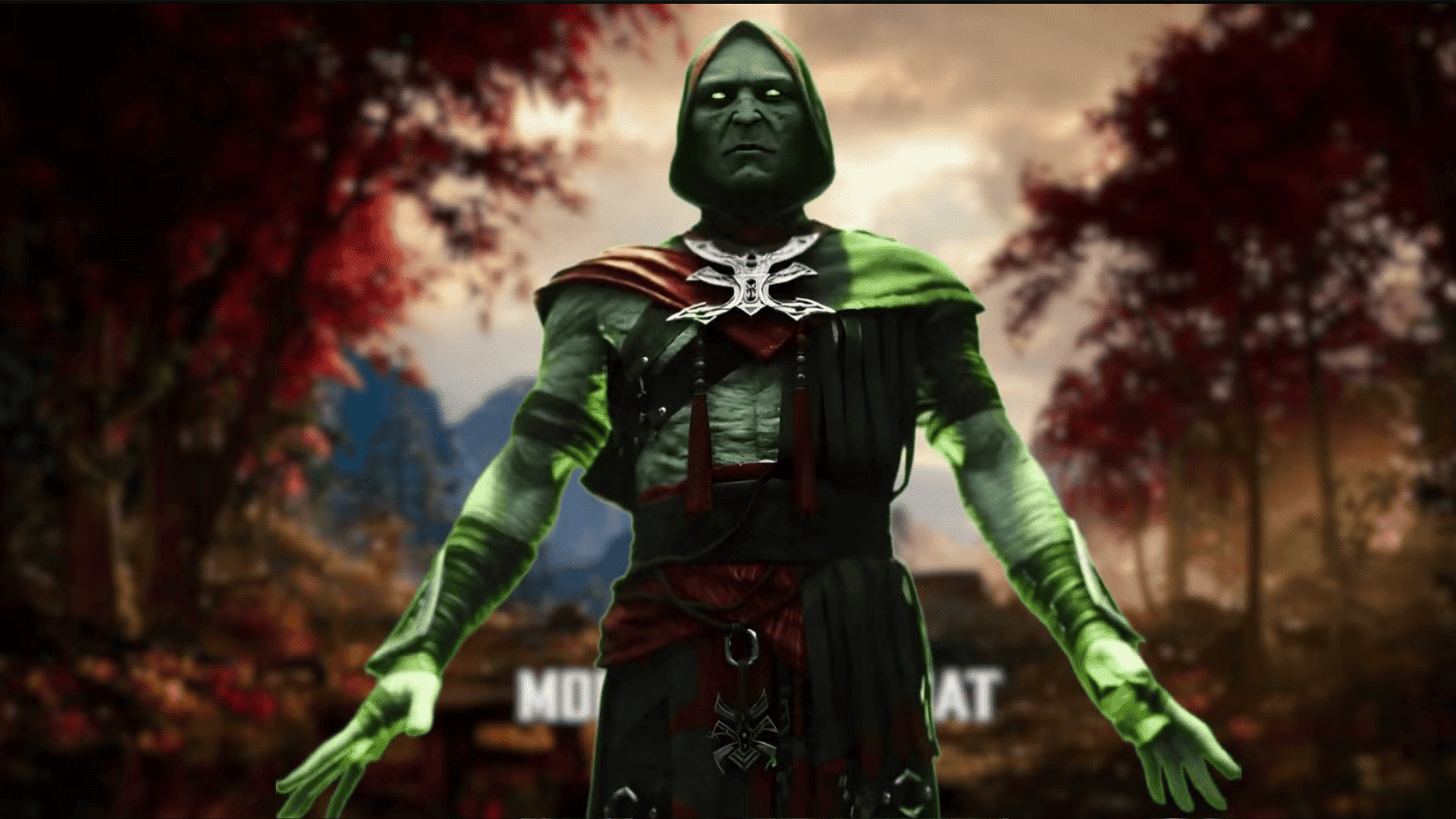
13. Ermac
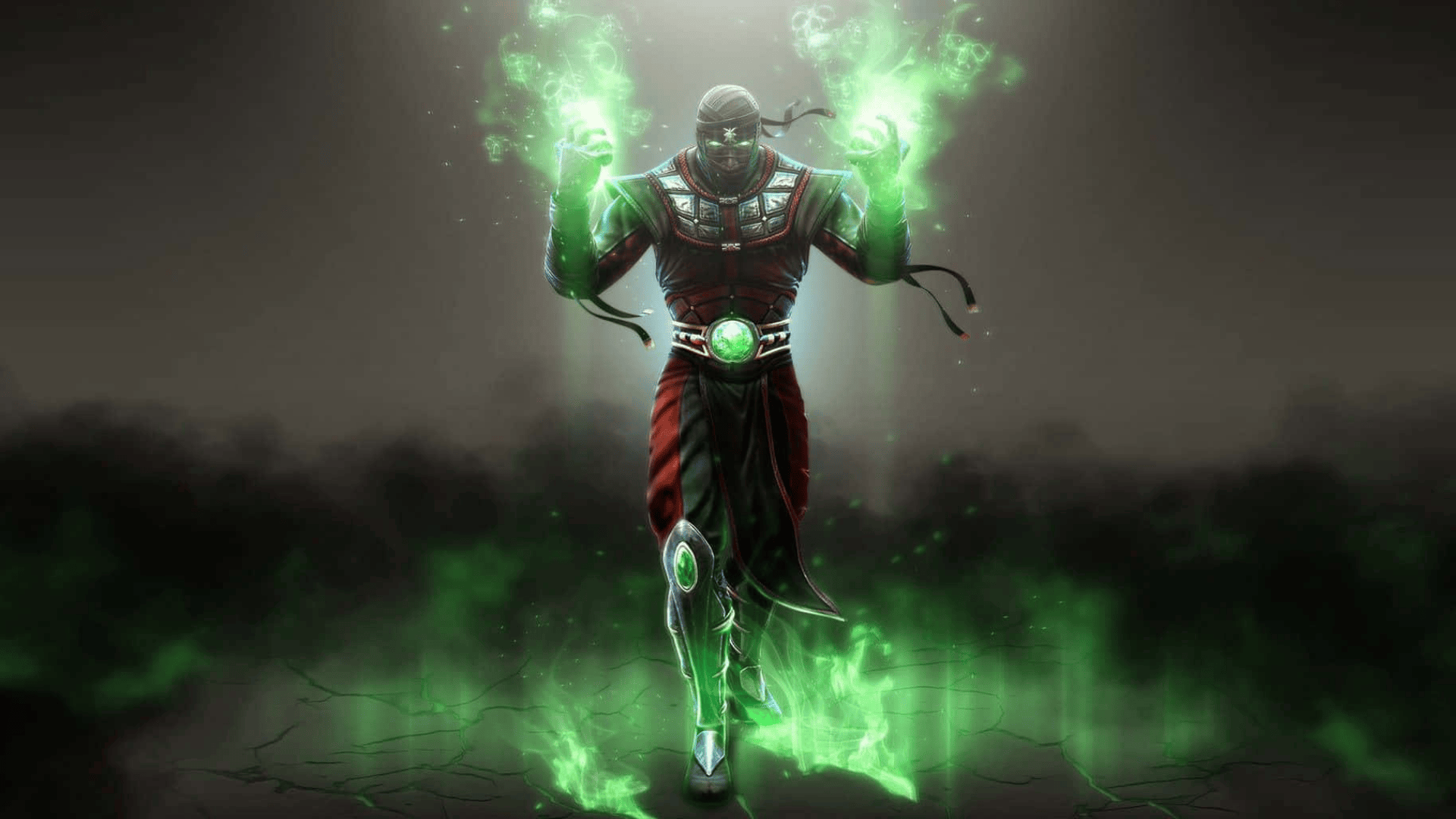
Ermac became iconic in Ultimate Mortal Kombat 3 (1995) as a being formed from many souls fused into one body. He’s known for telekinesis, floating attacks, and soul-based powers that feel mystical and eerie.
Ermac often represents the idea of spirit energy turned into a weapon—powerful, disciplined, and not fully human.
14. Erron Black
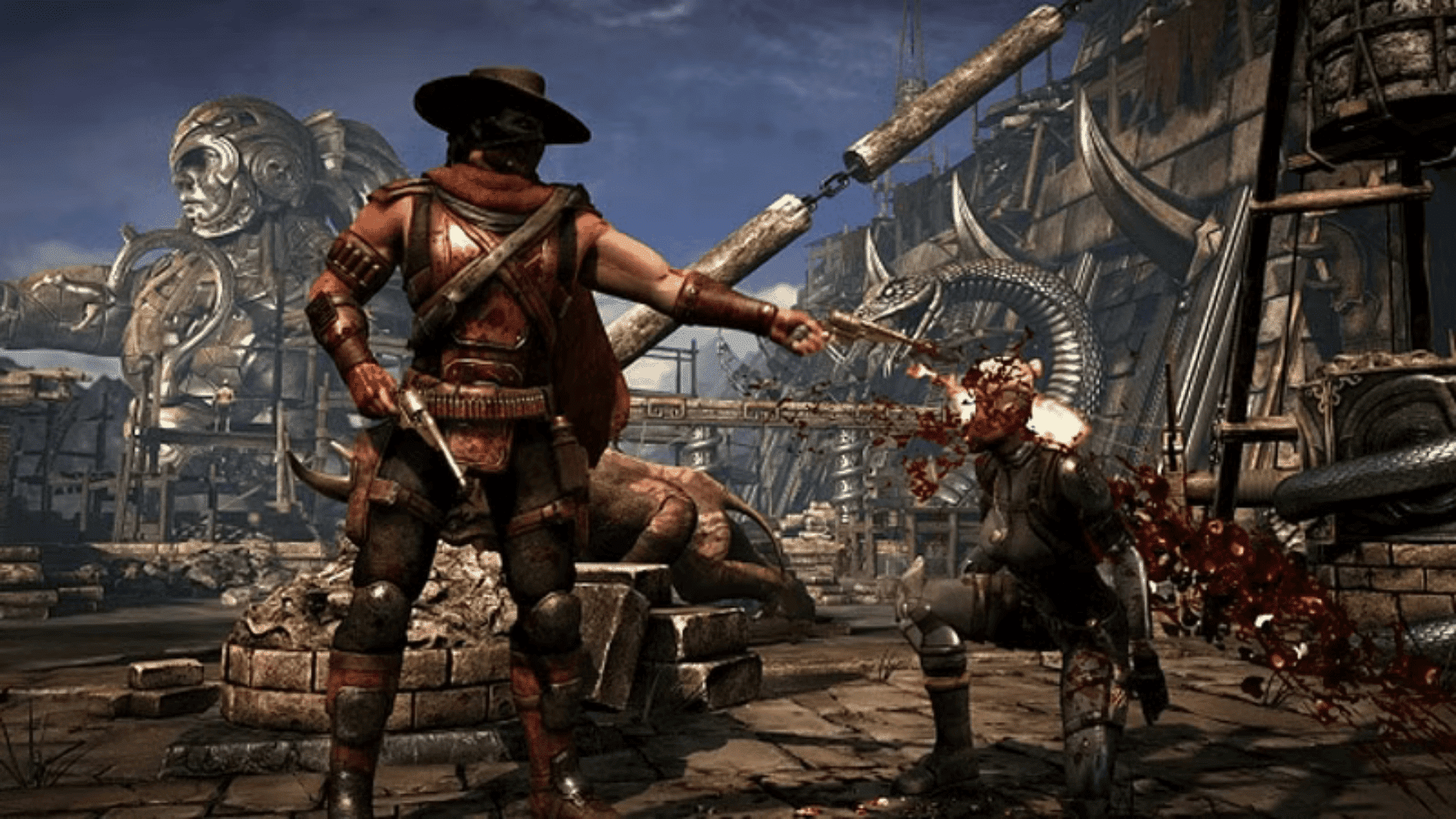
Introduced in Mortal Kombat X (2015), Erron Black is an Outworld gunslinger who fights like a ruthless mercenary.
He uses pistols, traps, and dirty tricks instead of honorable duels. His “cowboy” style makes him stand out from the ninjas and sorcerers, and his vibe is all about grit, gadgets, and quick, sharp pressure.
15. Ferra / Torr
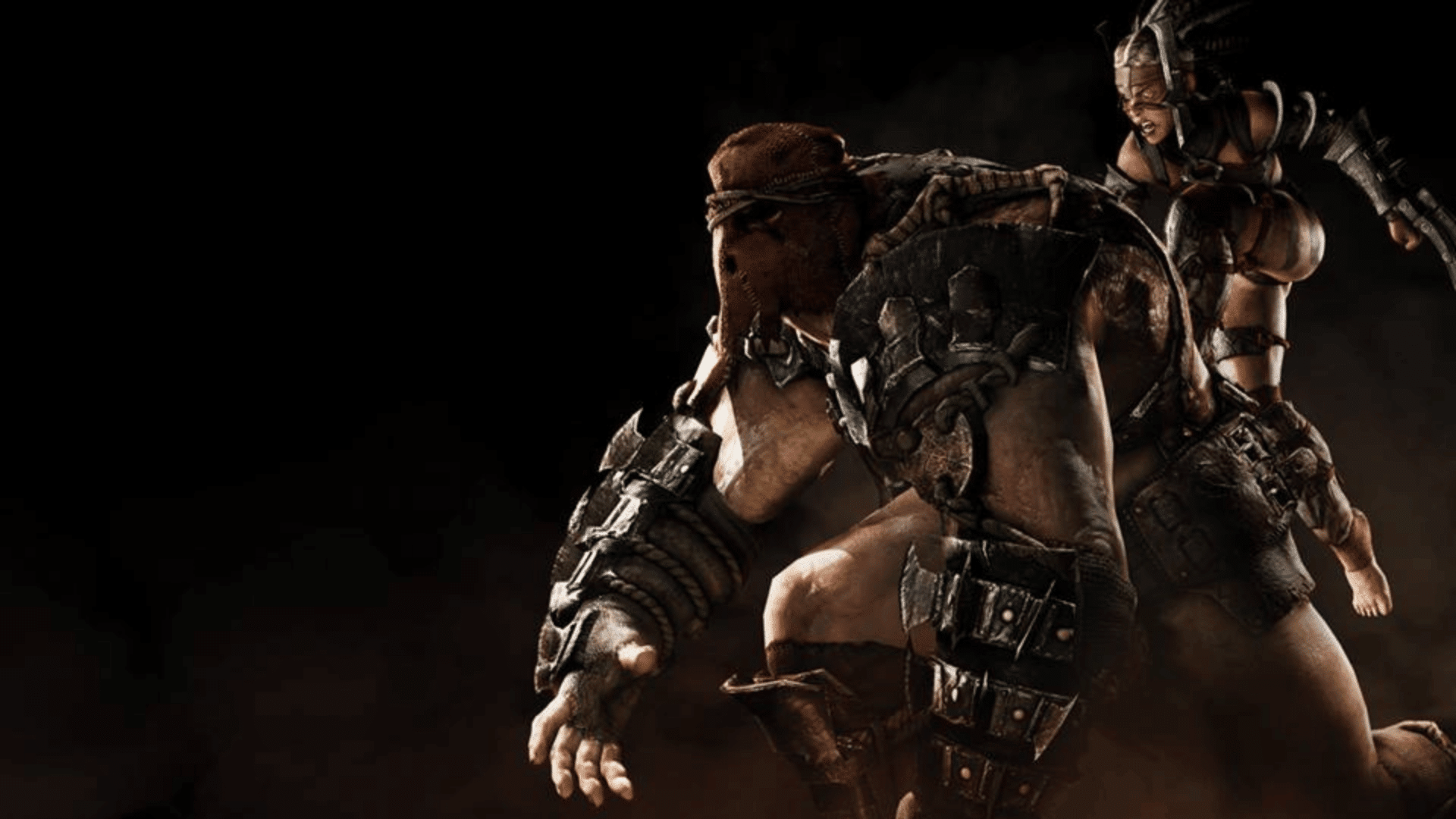
Debuting in Mortal Kombat X (2015), Ferra/Torr are a duo fighter: Ferra is the small rider, and Torr is the giant brute.
Their gameplay and story lean into teamwork, with Ferra using Torr as a moving weapon. The pair feels raw and powerful, with unique combo setups that highlight their strange partnership.
16. Frost
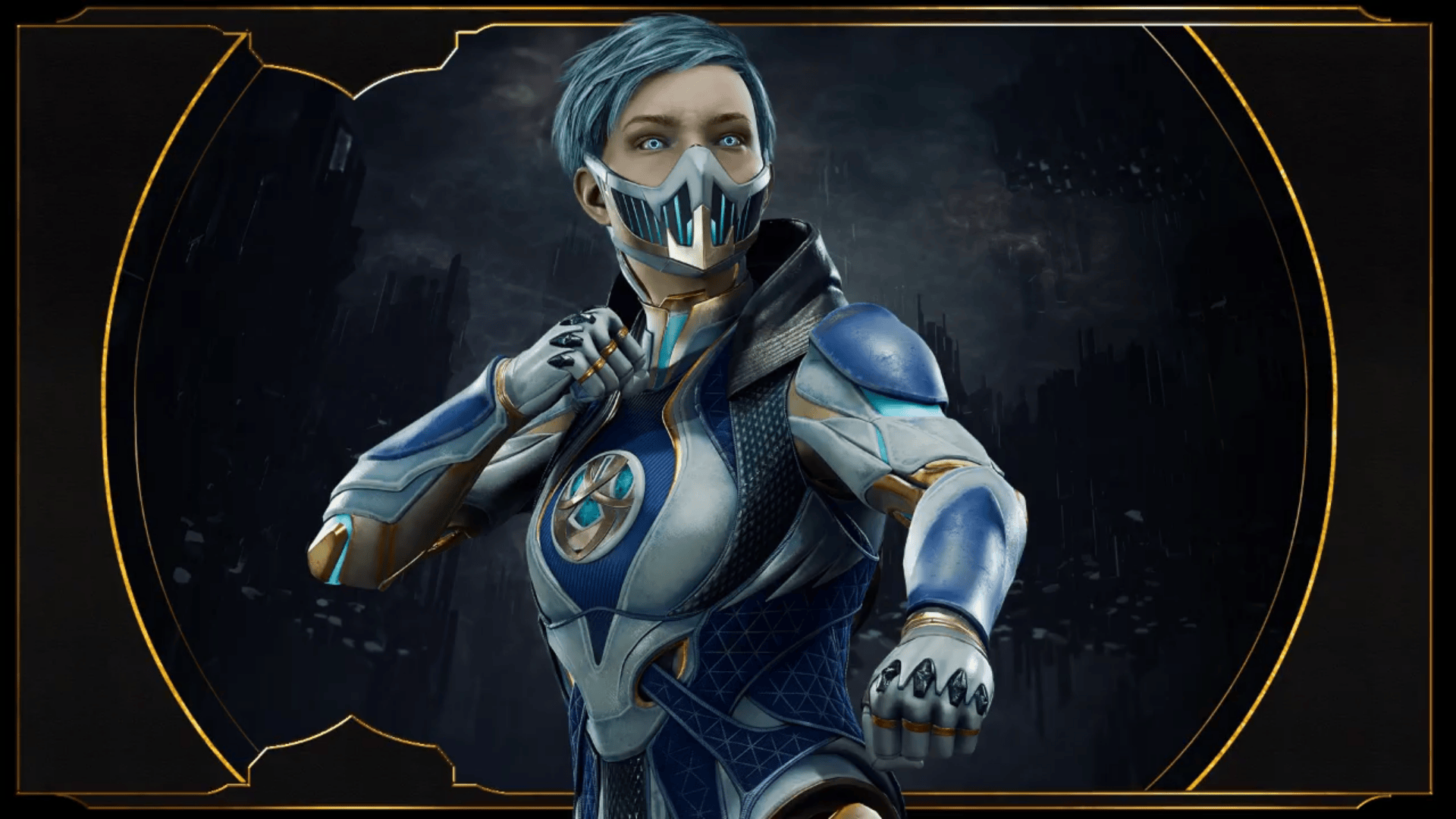
First appearing in Mortal Kombat: Deadly Alliance (2002), Frost is a Lin Kuei warrior who wants power, respect, and recognition, often at any cost.
She uses ice abilities similar to Sub-Zero but with a sharper, more competitive personality. Frost’s story usually centers on ambition, jealousy, and proving she’s stronger than the heroes she resents.
17. Fujin
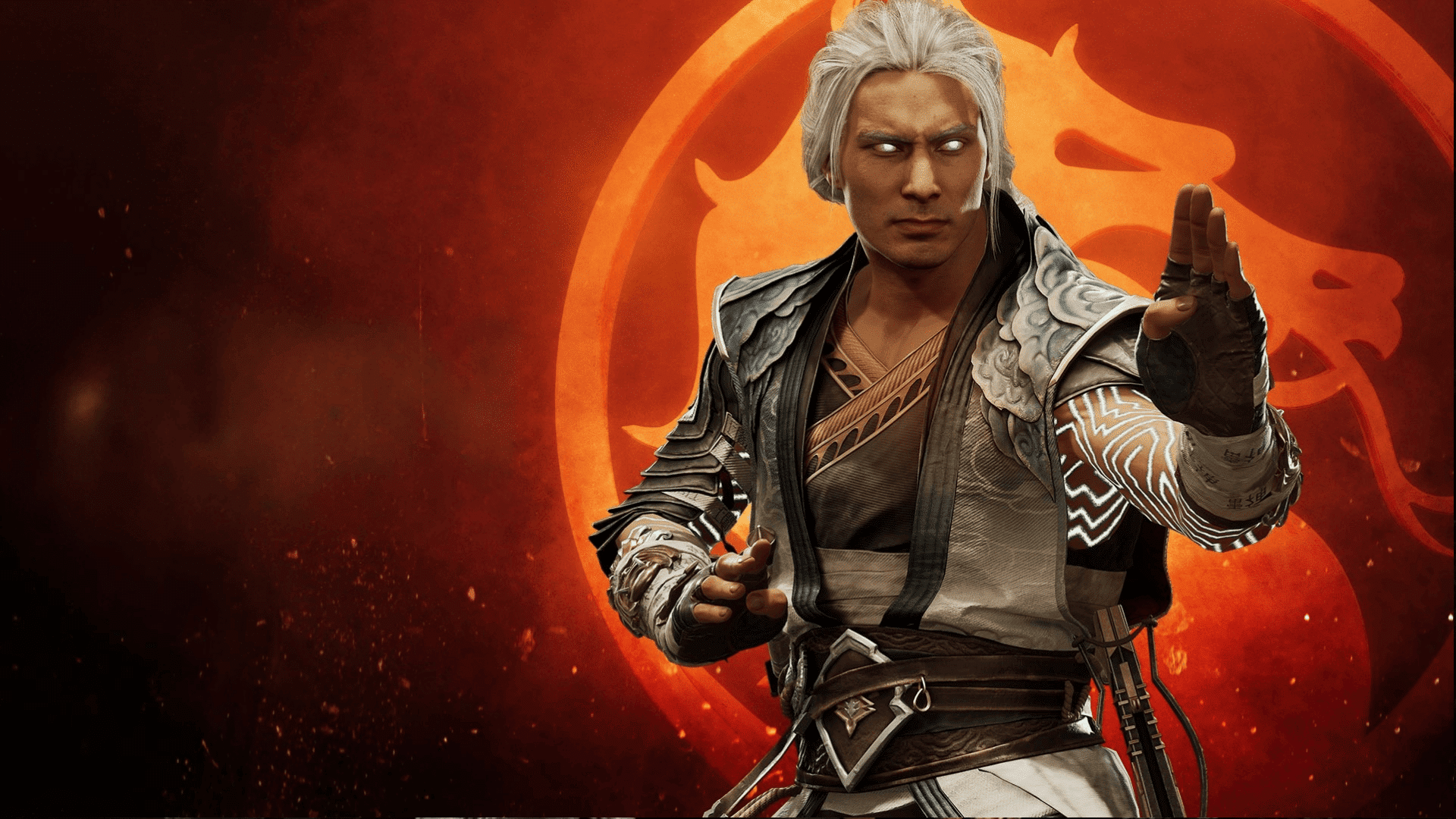
Fujin first appeared as a boss in Mortal Kombat Mythologies: Sub-Zero (1997) and debuted as a playable character in Mortal Kombat 4 (1997) as a wind god who supports Earthrealm’s defenders.
He’s calm, loyal, and protective, often acting like a steady ally rather than a loud hero.
With wind control and divine energy, Fujin brings a graceful, leader-like presence, balancing power with responsibility and patience.
18. Geras
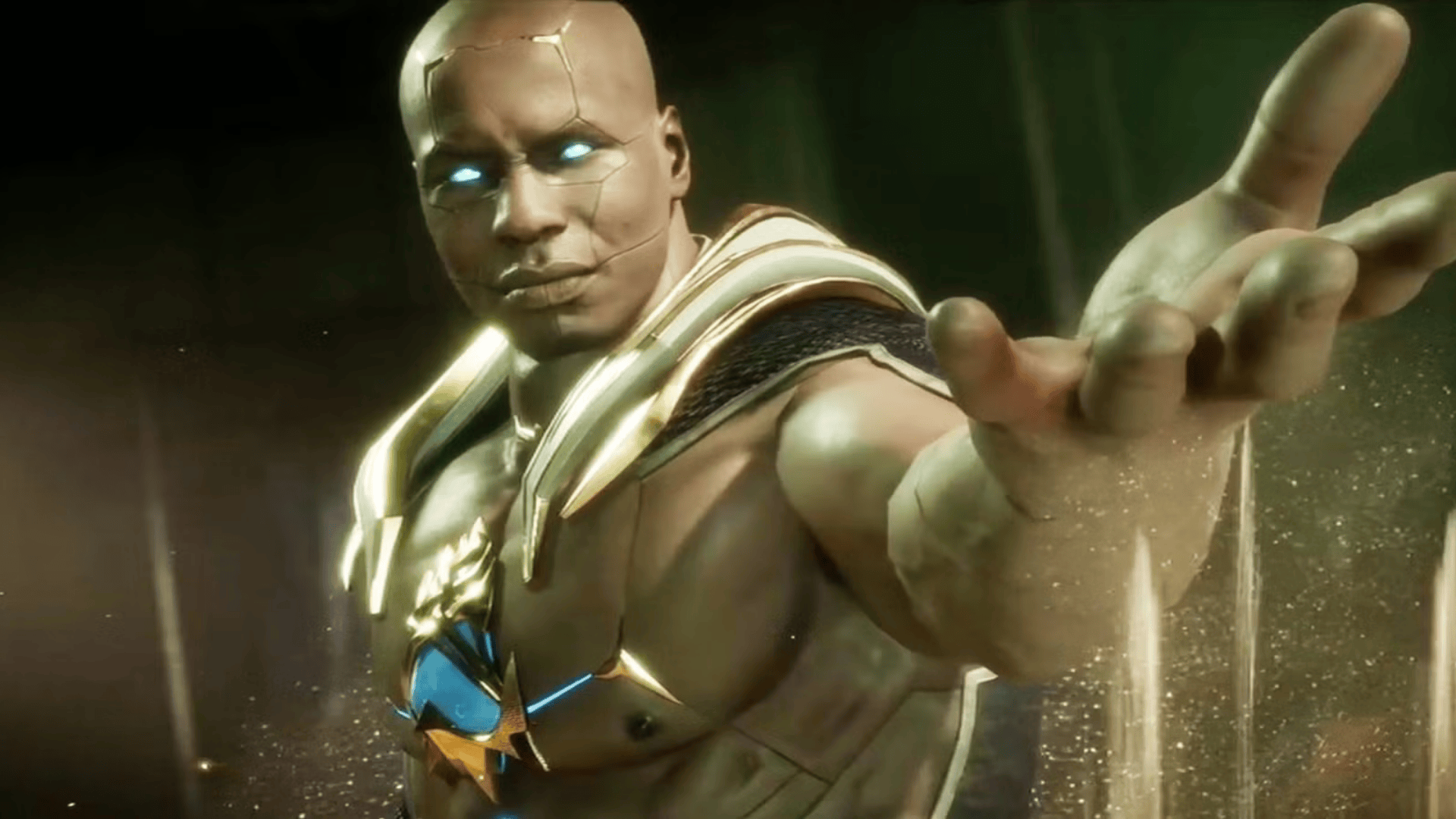
Introduced in Mortal Kombat 11 (2019), Geras is a time-linked enforcer built to endure and return again and again.
He’s extremely durable, relentless, and tied to themes of timeline control. In story and vibe, he feels like a living weapon, calm, unstoppable, and hard to permanently defeat, because time itself is part of his identity.
19. Goro
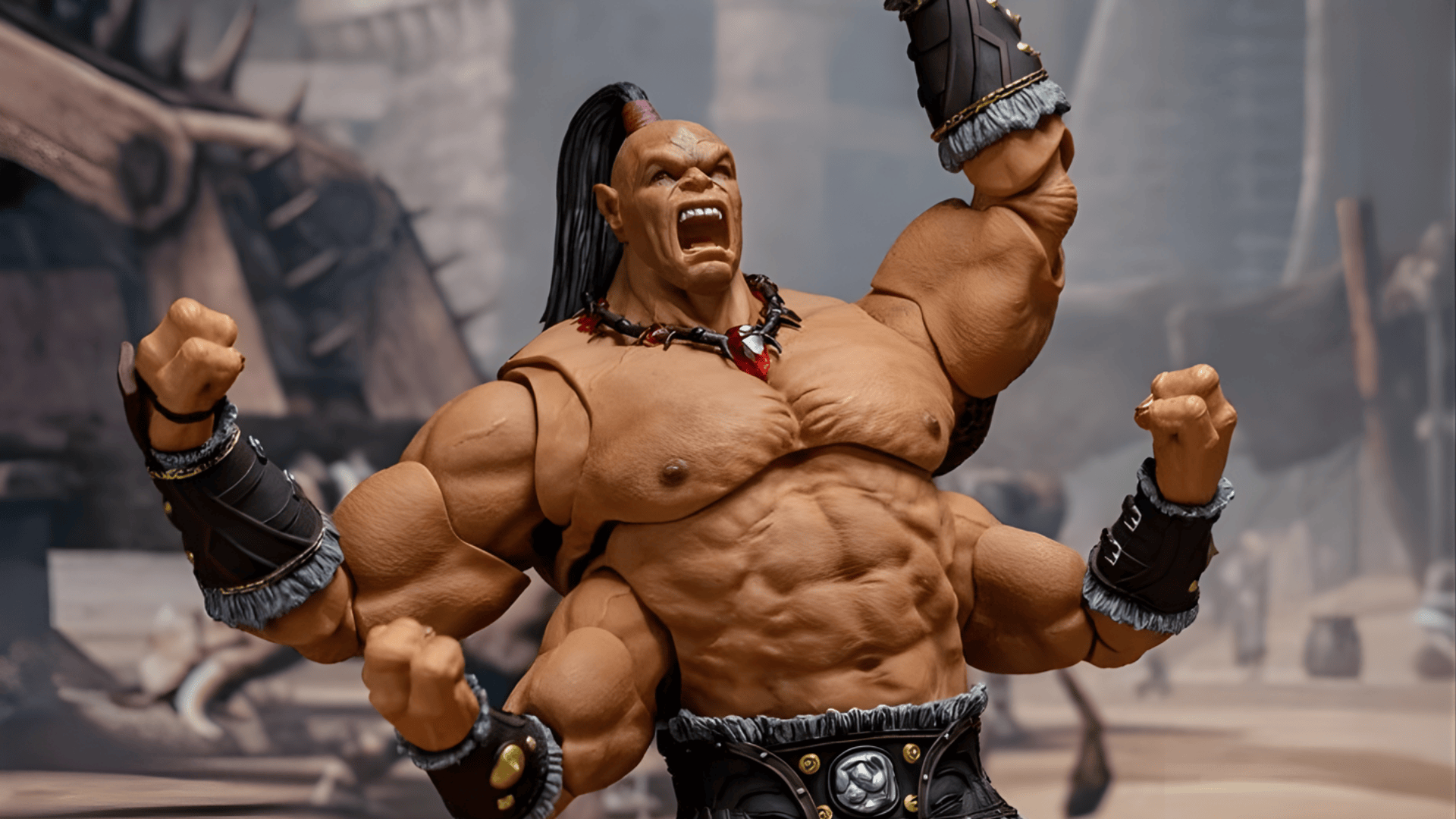
Goro debuted in Mortal Kombat (1992) as a Shokan prince and one of the franchise’s most famous sub-bosses.
With four arms and massive strength, he’s built to intimidate and overpower. In the story, he represents Outworld’s dominance and brutal tradition. His presence screams “boss fight,” mixing raw power with royal warrior pride.
20. Havik
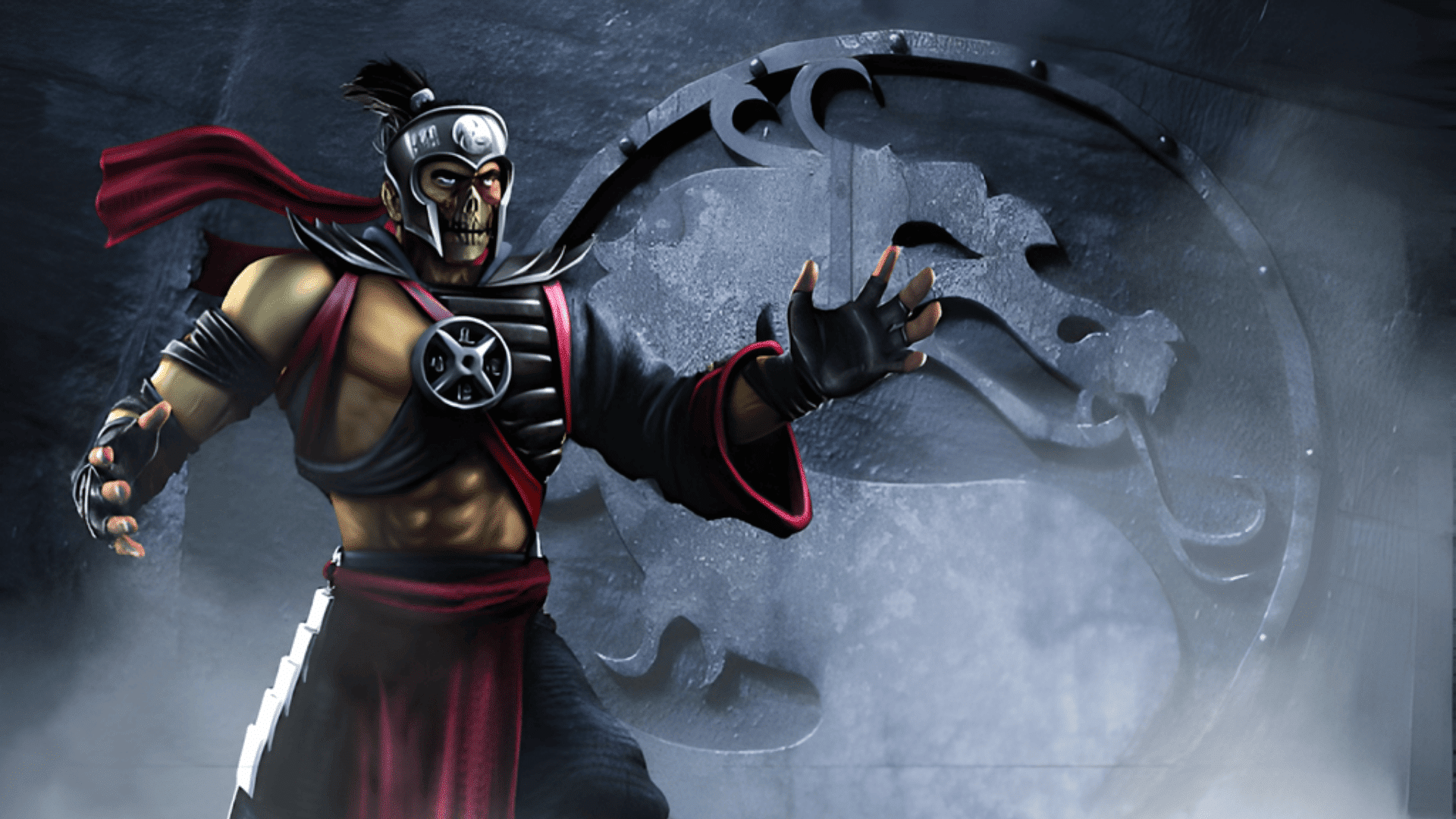
First seen in Mortal Kombat: Deception (2004), Havik is a Chaos realm anarchist who believes disorder should spread everywhere. He’s creepy, unpredictable, and strangely hard to stop, often shown with disturbing resilience.
Havik’s whole vibe is “rules are a trap,” and he fights and speaks like someone who enjoys breaking systems just to watch them collapse.
21. Hotaru
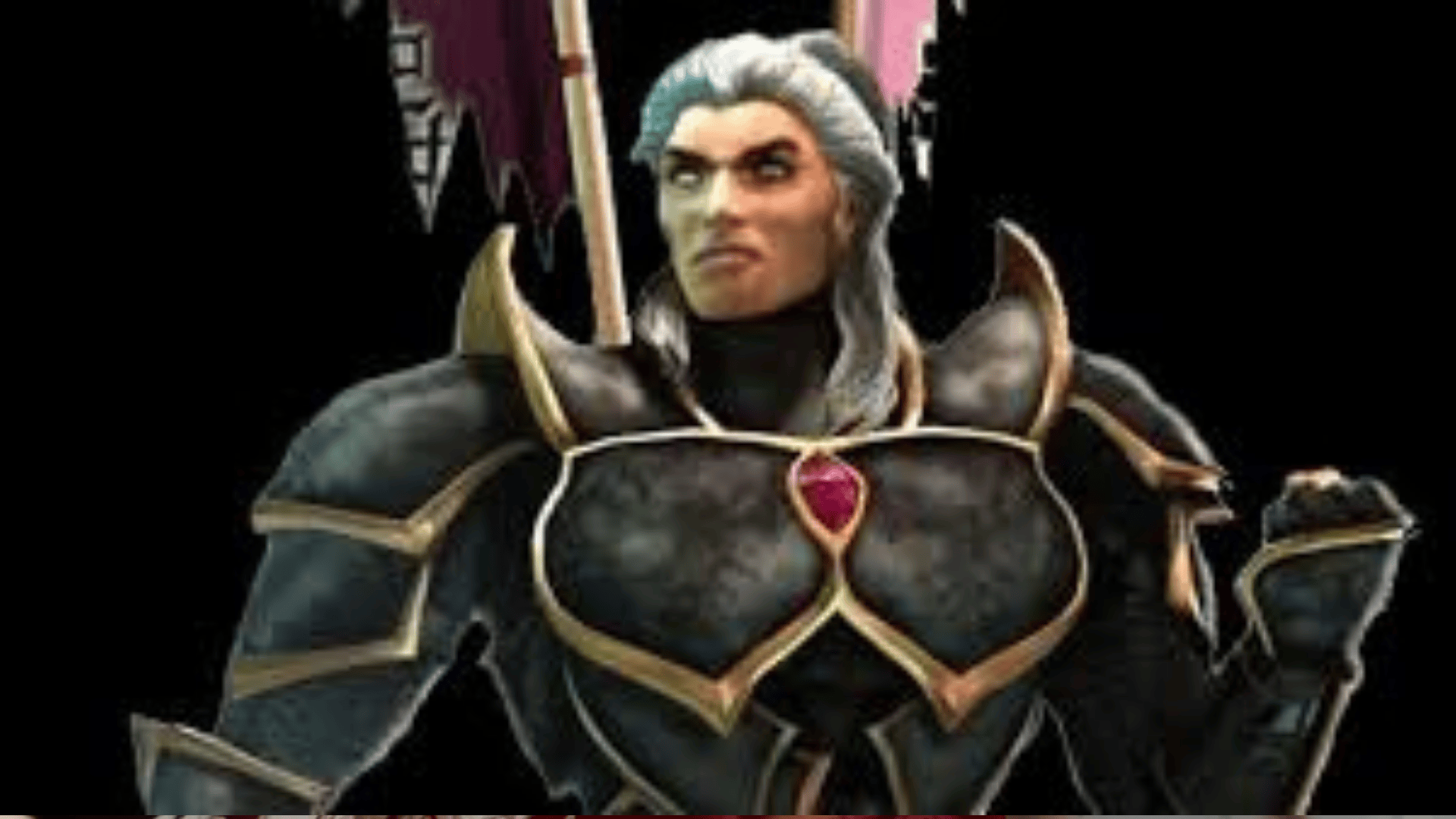
Introduced in Mortal Kombat: Deception (2004), Hotaru is an Orderrealm warrior who believes strict law is the only path to peace.
He’s disciplined, rigid, and loyal to structure above personal feelings. Hotaru represents the opposite of Havik’s order at any cost. His theme fits control, duty, and the belief that rules matter more than freedom.
22. Hsu Hao
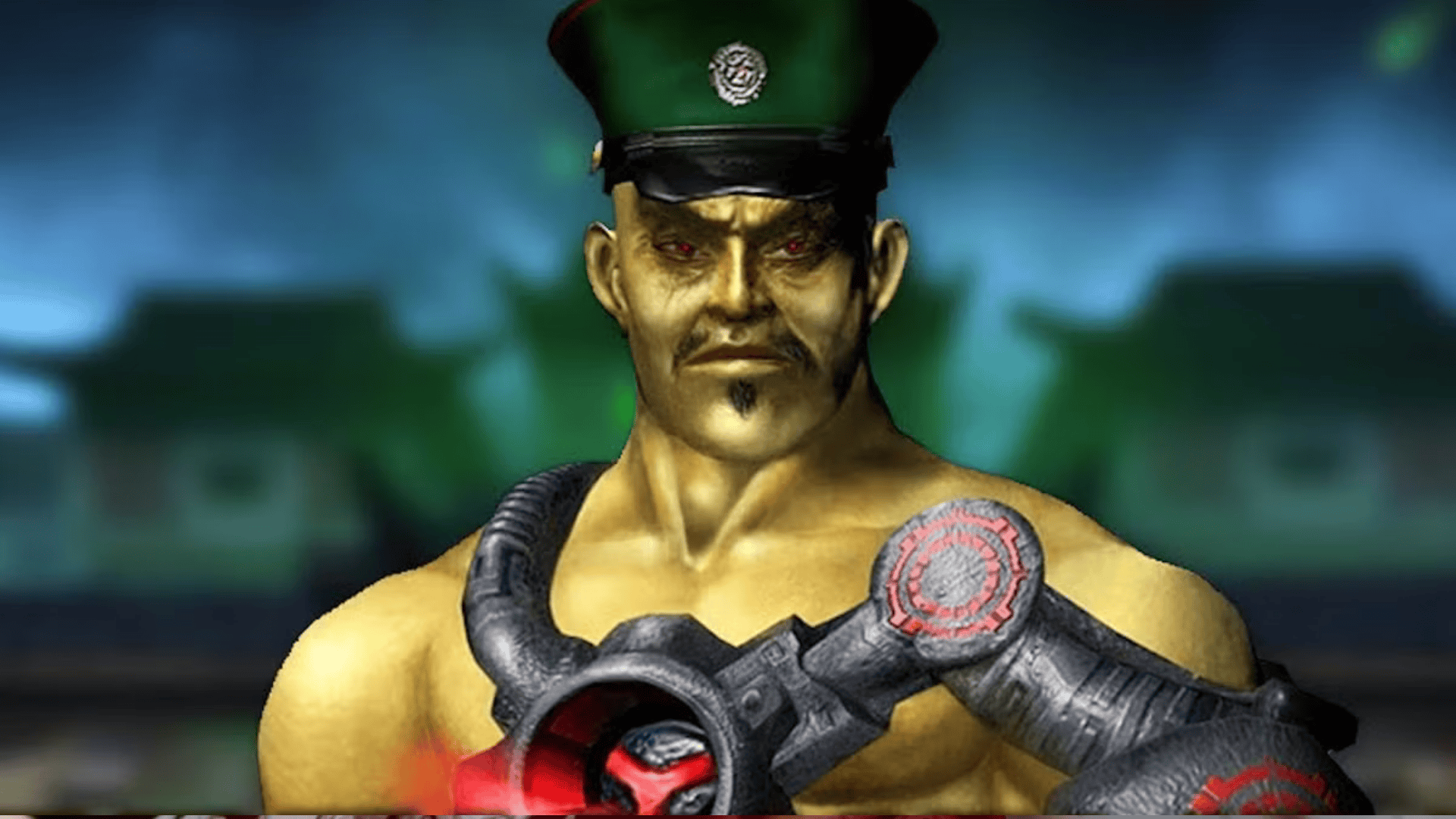
Appearing in Mortal Kombat: Deadly Alliance (2002), Hsu Hao is a soldier-type character tied to later-era conflicts and faction battles.
He gives off a military, brute-force energy, sometimes mixed with tech enhancements. While not the most famous fighter, his concept leans into toughness and aggression more “enforcer” than hero, and more force than finesse.
23. Jade
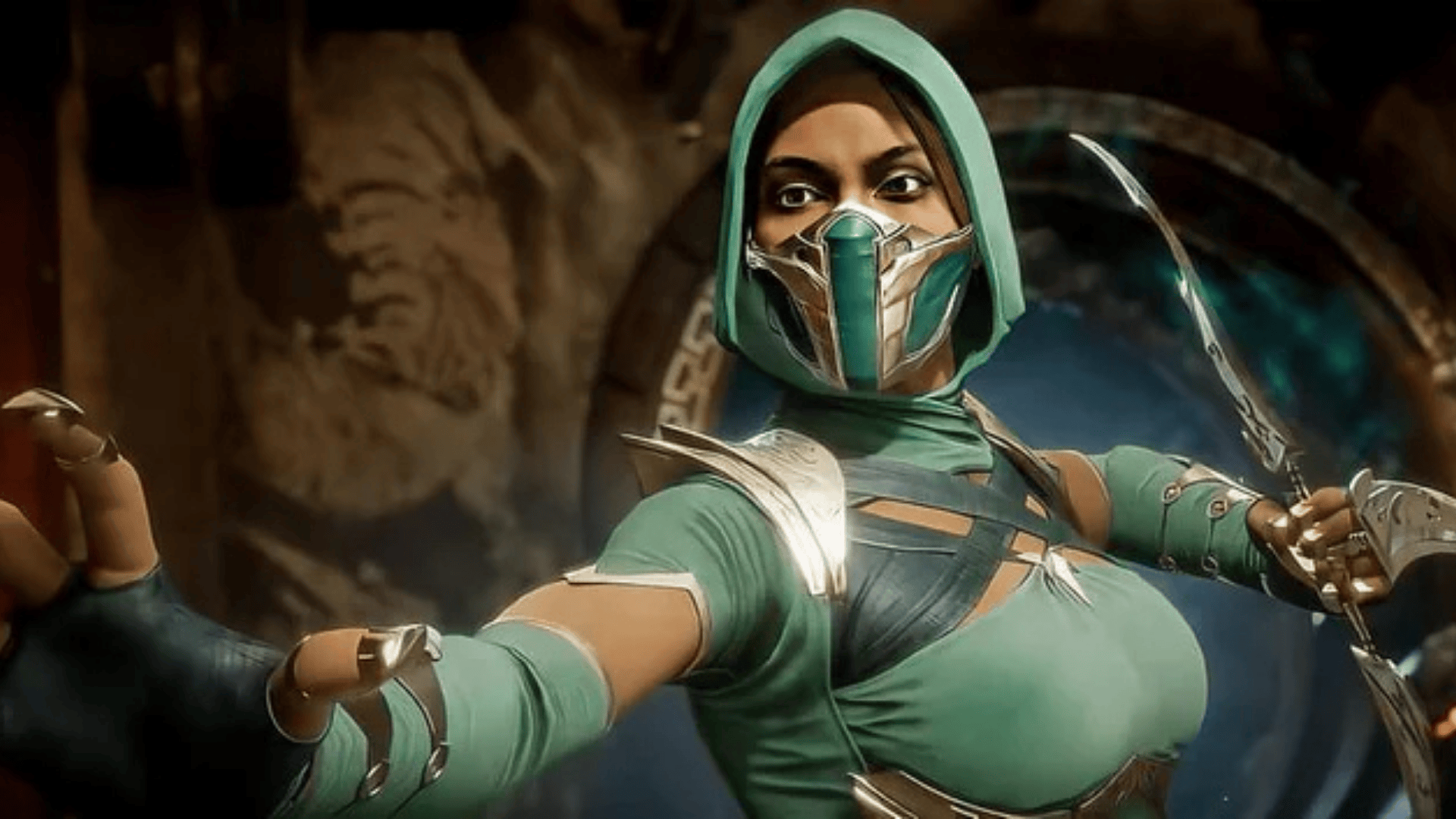
Jade first appeared in Mortal Kombat II (1993) and is often linked to Edenian royalty and Outworld politics. She’s known for her athletic fighting, mastery of the staff, and a strong protective streak.
Jade’s vibe balances elegance and power. She’s loyal, fierce, and skilled, often acting as a guardian figure who stands between danger and the people she protects.
24. Jarek
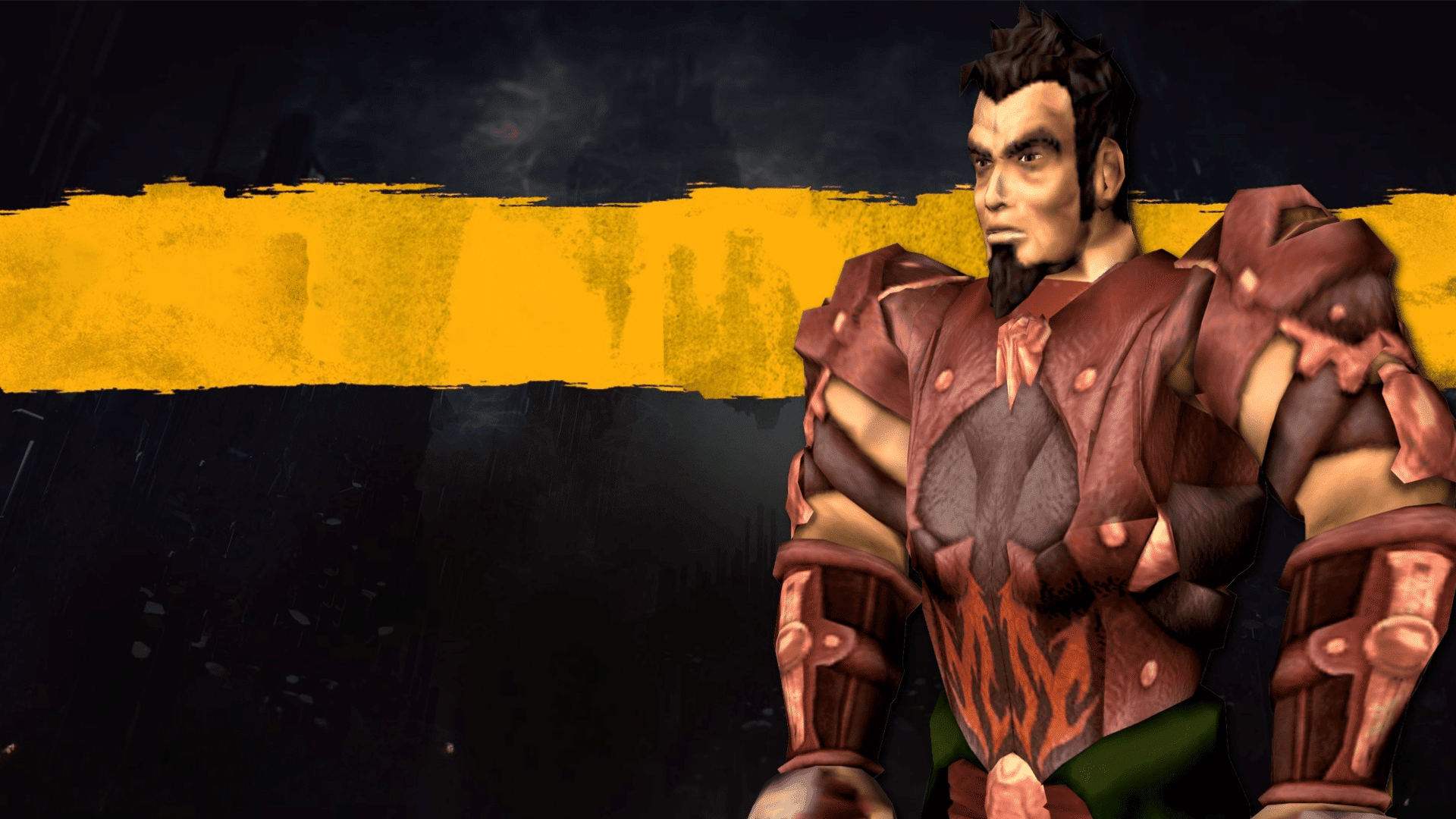
Introduced in Mortal Kombat 4 (1997), Jarek is tied to criminal faction energy and the rougher side of the MK world.
He’s portrayed as a gritty fighter connected to schemes, betrayal, and survival tactics. Jarek’s vibe is ruthless and street-level, less mystical, more “bad guy brawler.” He fits stories involving gangs, factions, and dirty deals.
25. Jax Briggs
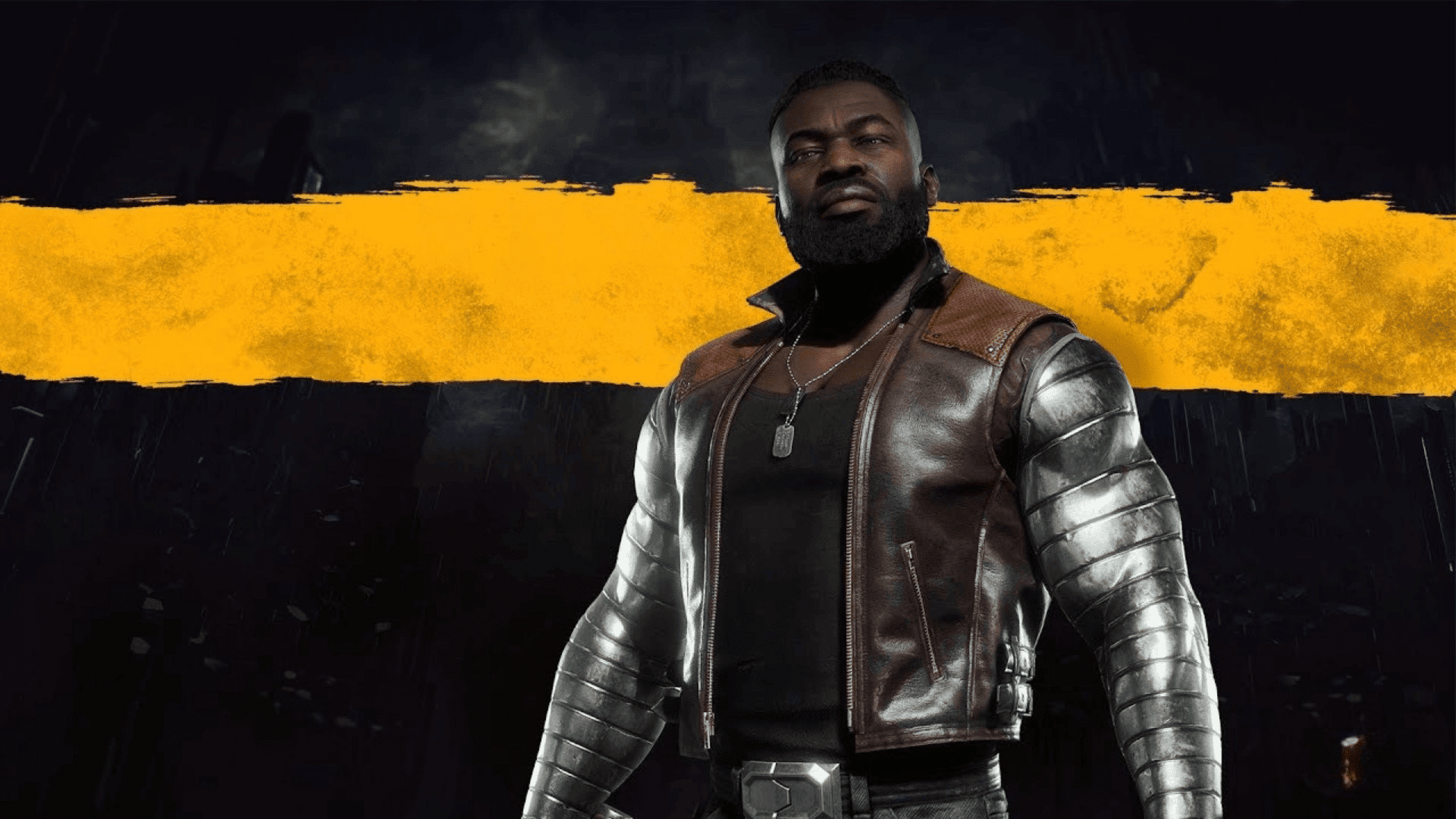
Jax debuted in Mortal Kombat II (1993) as a Special Forces hero and a key Earthrealm defender. His metal arms and super strength make him feel like a powerhouse who can still fight smart.
Jax is dependable, brave, and leader-like, someone who shows up when it matters. His style blends military discipline with raw, hard-hitting combat.
26. Jerrod
Jerrod helps explain royal conflicts and motivations, adding depth to Edenian drama and the struggle for power. First referenced in Mortal Kombat 9 (2011) story as an Edenian king and Kitana’s father, tied to the royal family history and political background.
He isn’t mainly known for combat; his role adds depth to Edenian drama and power struggles. Jerrod helps explain royal conflicts and motivations in the lore.
27. Johnny Cage
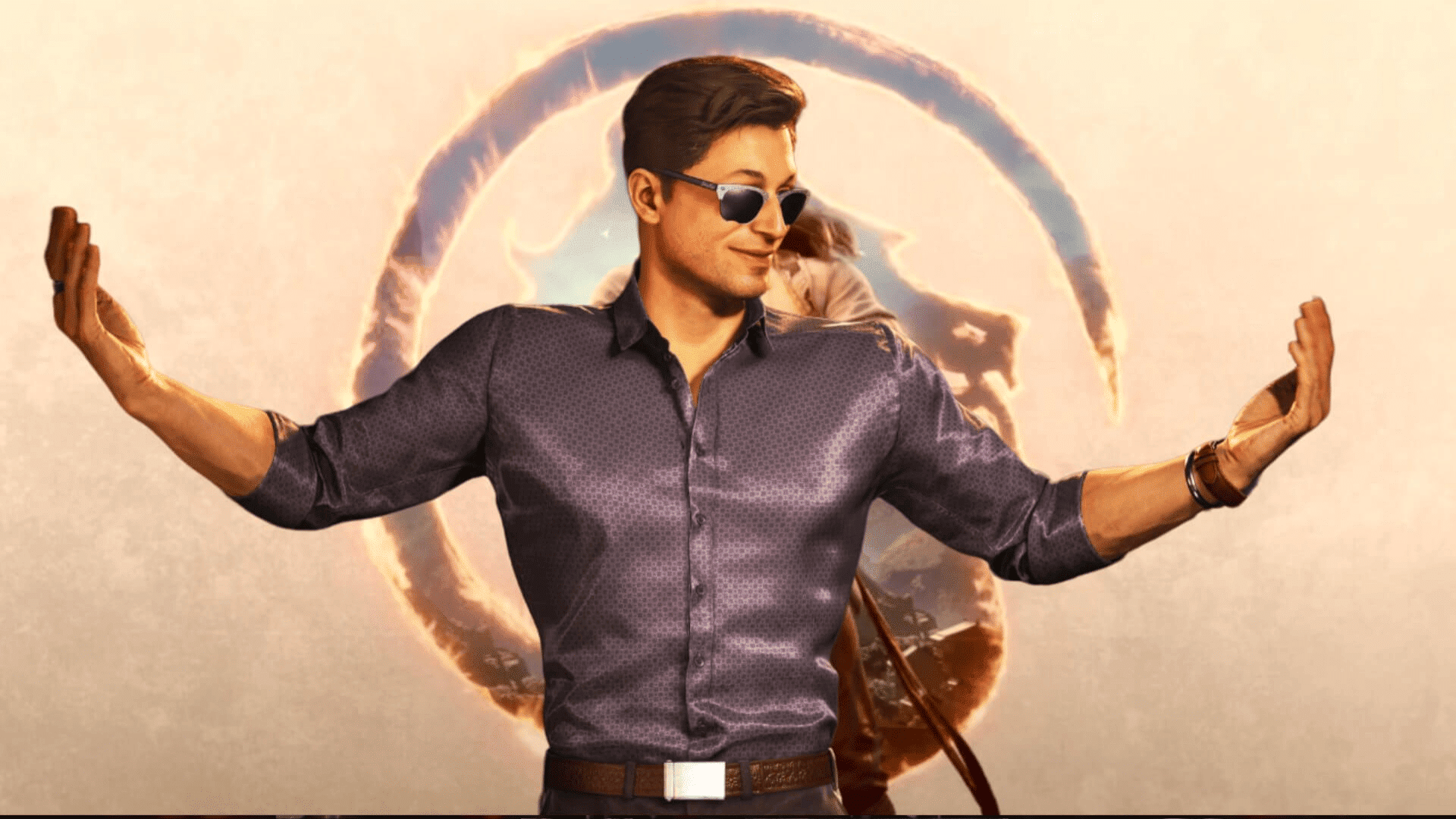
Johnny Cage has been in MK since Mortal Kombat (1992), starting out as a cocky movie star who becomes a real hero.
He’s funny, confident, and flashy, but also brave when it counts. His fighting style mixes show-off moves with real skill. Johnny’s vibe is humor plus heart. He talks big, then actually backs it up.
28. Kai
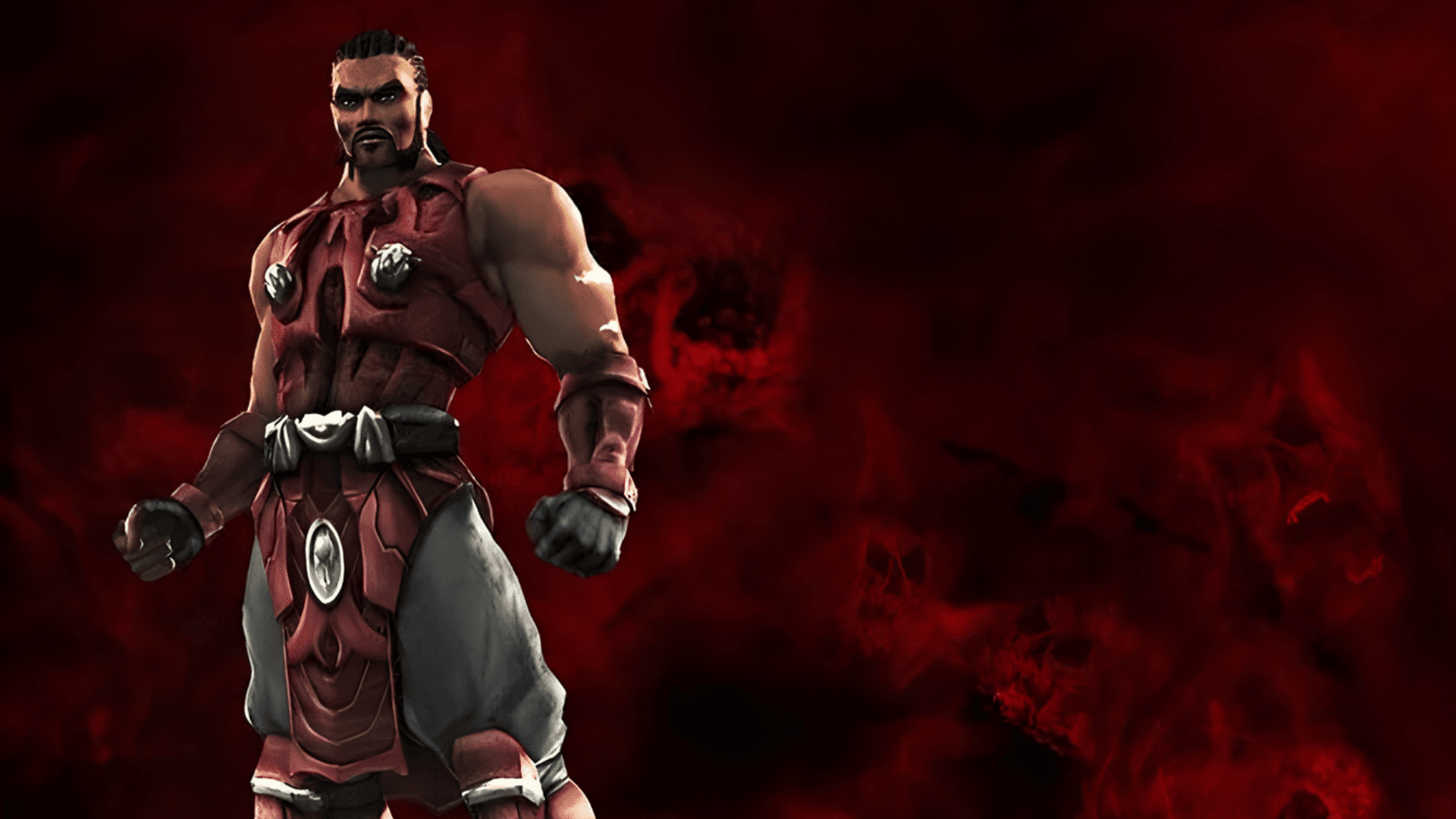
Introduced in Mortal Kombat 4 (1997), Kai is linked to Shaolin and White Lotus traditions, giving him a grounded, loyal fighter identity.
He’s more straightforward than many characters, focused, disciplined, and committed to helping the heroes. Kai embodies the classic martial arts energy of training, balance, and steady effort. He’s the kind of ally who supports the mission without drama.
29. Kabal
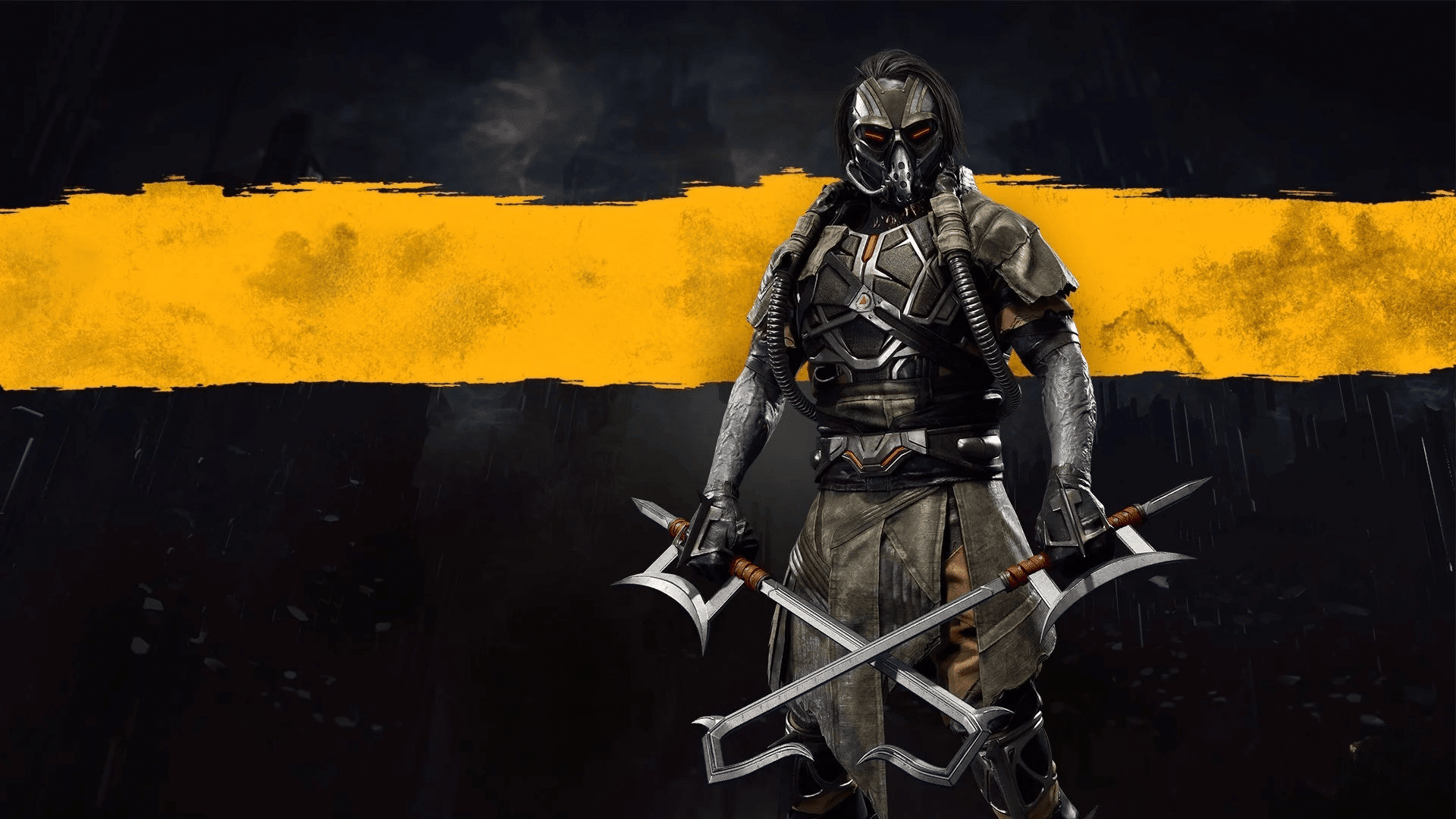
Kabal became iconic in Mortal Kombat 3 (1995) as a masked speed fighter with hook swords. His super speed makes him relentless, pressuring opponents before they can breathe.
Story-wise, he’s tied to crime and chaos, with a gritty, scarred look that fits his harsh world. Kabal’s vibe is fast, aggressive, and intimidating like a storm you can’t outrun.
30. Kano
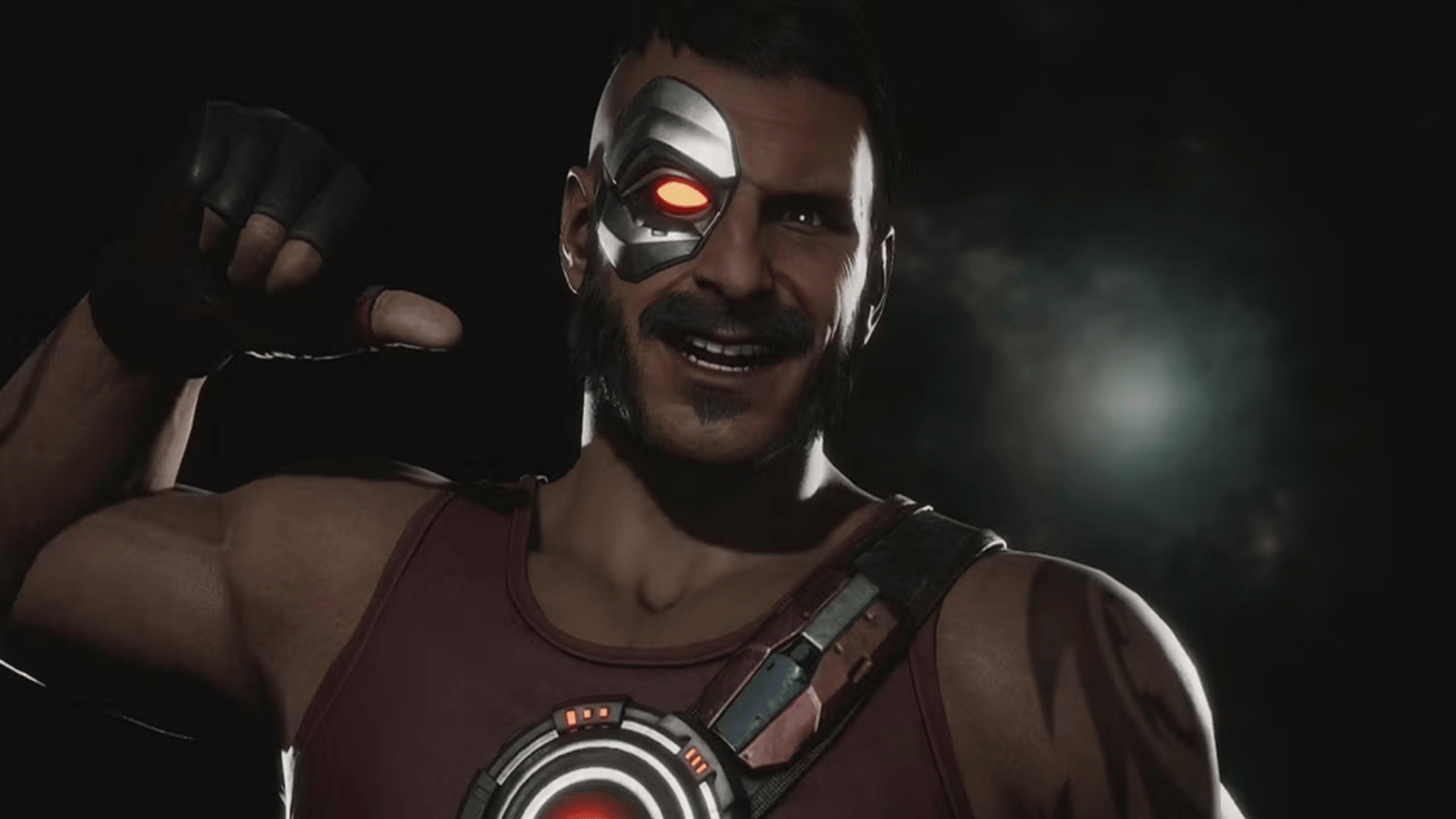
Kano has been a major villain since Mortal Kombat (1992), leading the Black Dragon and clashing with Special Forces. He’s brutal, selfish, and always looking for profit or power.
Kano fights dirty, using tricks, weapons, and whatever it takes to gain an edge. His vibe is pure criminal energy: street-smart, ruthless, and hard to trust, even when he pretends to be helpful.
31. Kenshi Takahashi
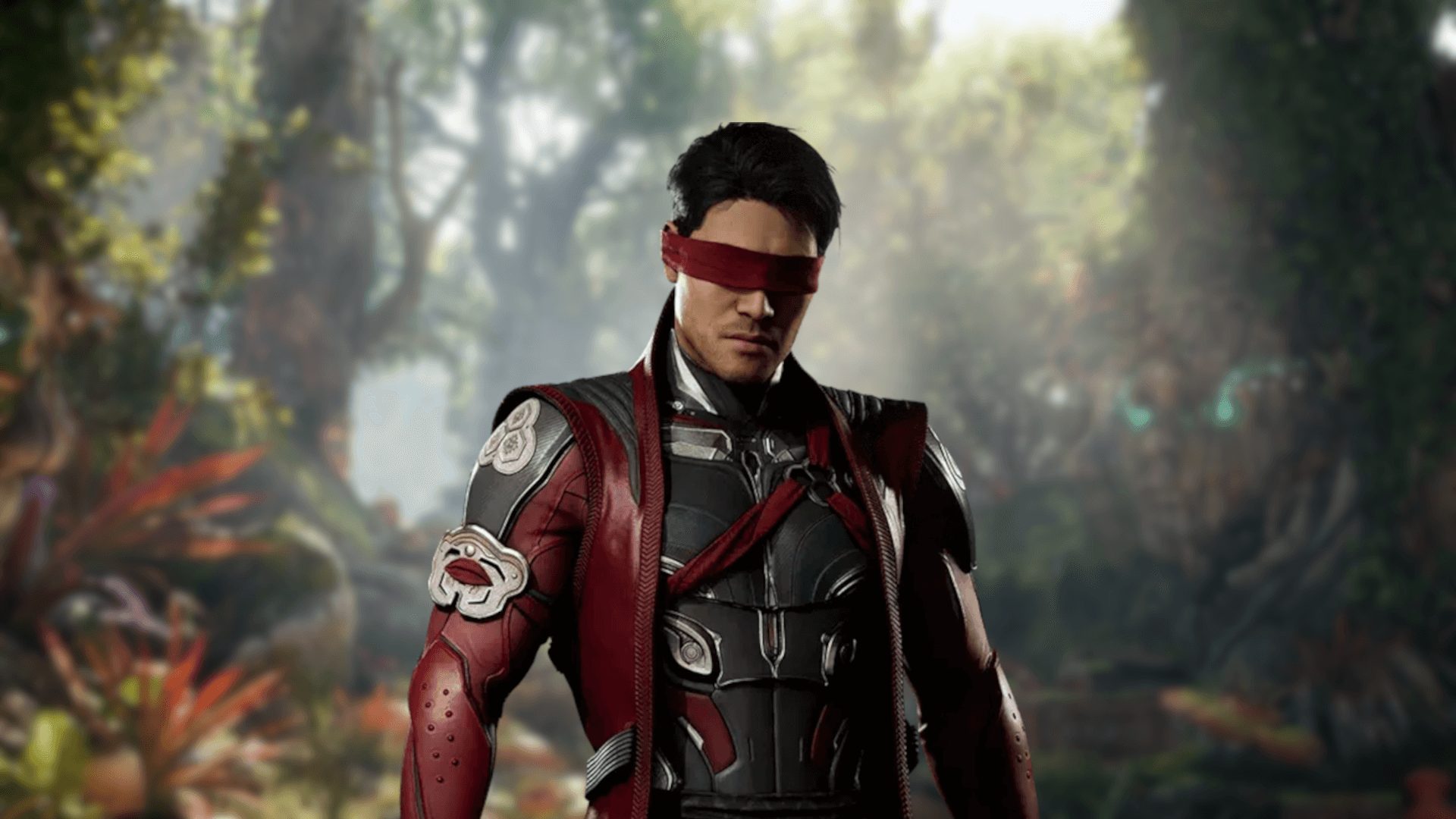
Kenshi debuted in Mortal Kombat: Deadly Alliance (2002) as a blind swordsman who fights through discipline, skill, and psychic power.
He’s known for sharp blade work and telekinetic-style abilities that help him sense enemies. Kenshi’s vibe is calm and serious, focused on purpose over ego. He feels like a warrior monk with a modern edge.
32. Khameleon
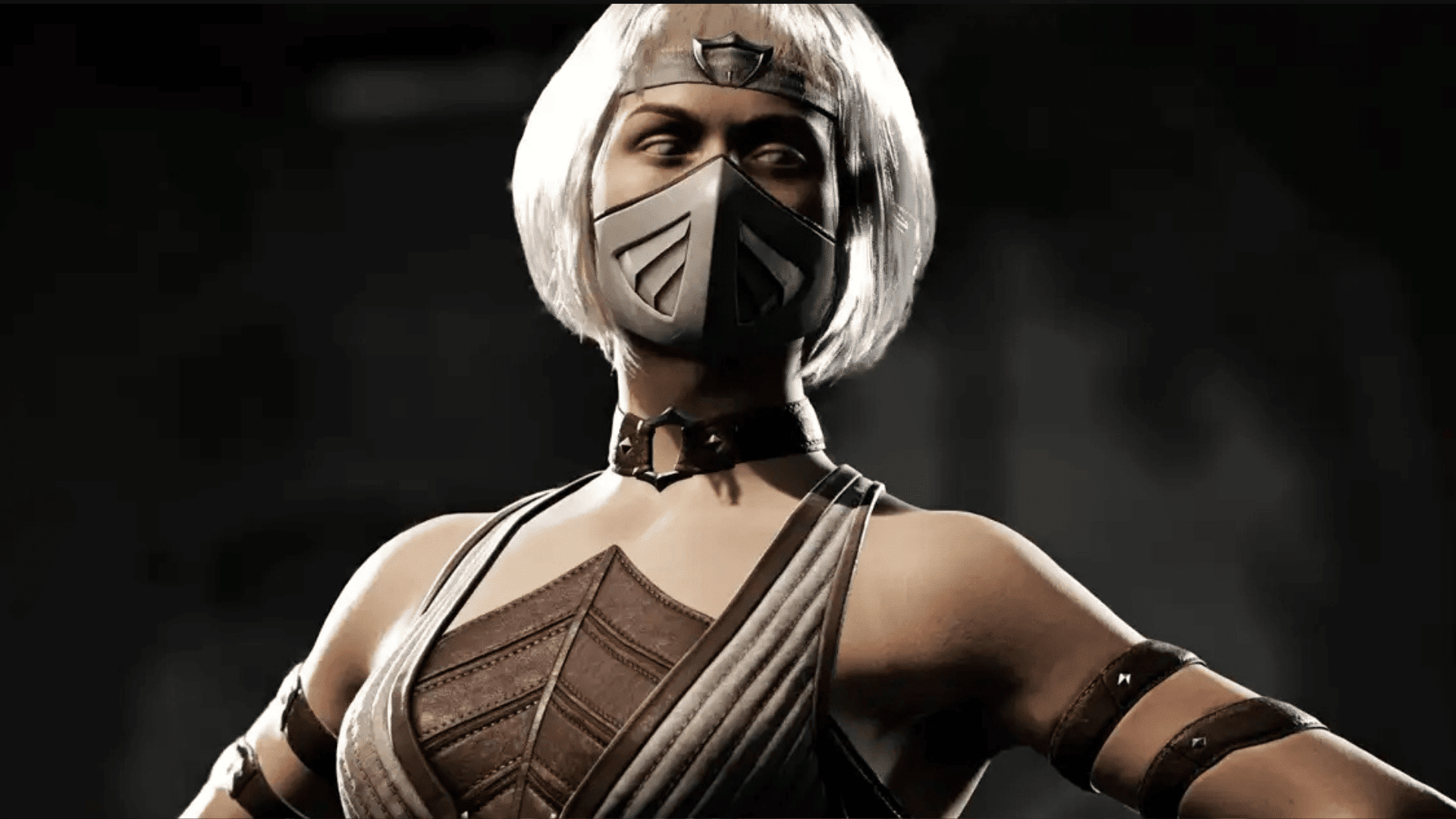
Khameleon debuted in Mortal Kombat Trilogy (1996) as a playable female Saurian ninja who mimics others.
She’s mysterious and secretive, tied to stealth lore rather than spotlight fights. Her vibe is hidden strength, quiet power, and intrigue as a rare survivor of her race.
33. Kintaro
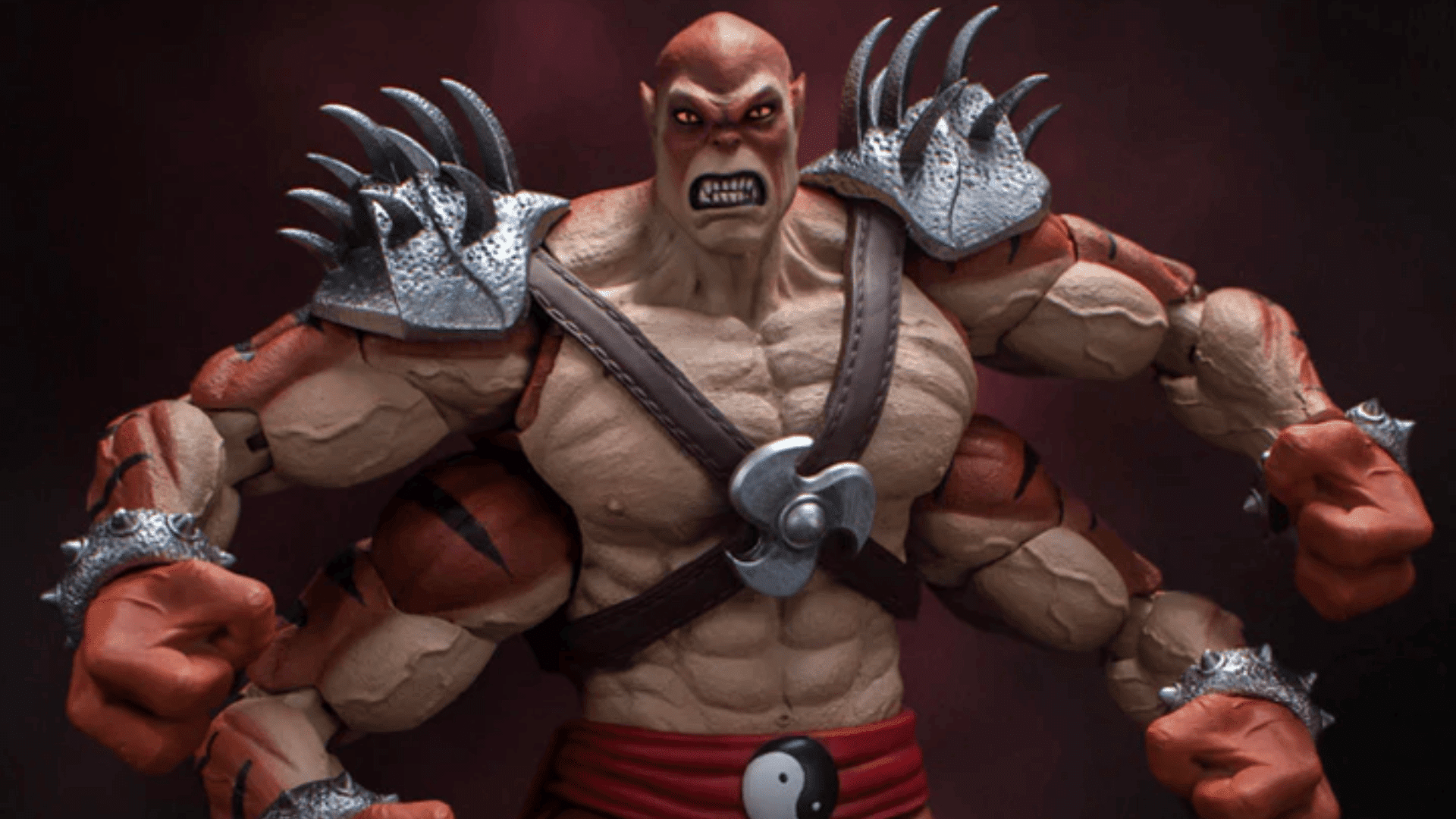
Kintaro debuted in Mortal Kombat II (1993) as a terrifying Shokan powerhouse and a major enemy figure. Like Goro, he has four arms and overwhelming strength, but he’s often portrayed as even more ferocious.
Kintaro’s vibe is intimidation and brute force built to be a wall you fear. He fits the “monster boss” role: big, brutal, and hard to handle.
34. Kira
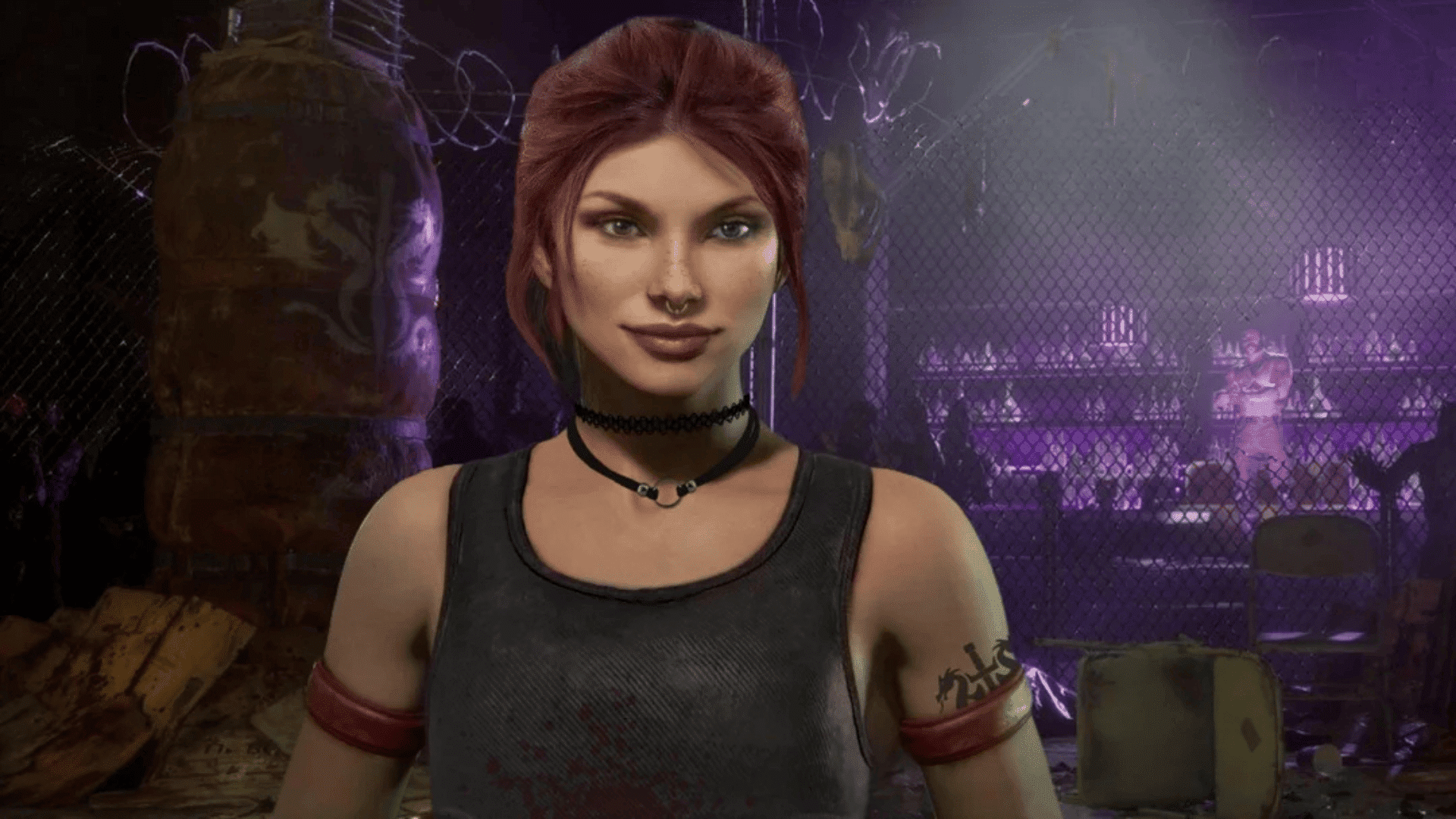
Introduced in Mortal Kombat: Deception (2004), Kira is tied to criminal faction stories and has an aggressive, street-smart vibe. She fights with a rough, knife-and-brawler style, fitting the “dangerous outlaw” feel.
Kira’s character energy leans into survival and toughness rather than magic or honor. She’s the type who plays dirty, moves fast, and doesn’t hesitate.
35. Kitana
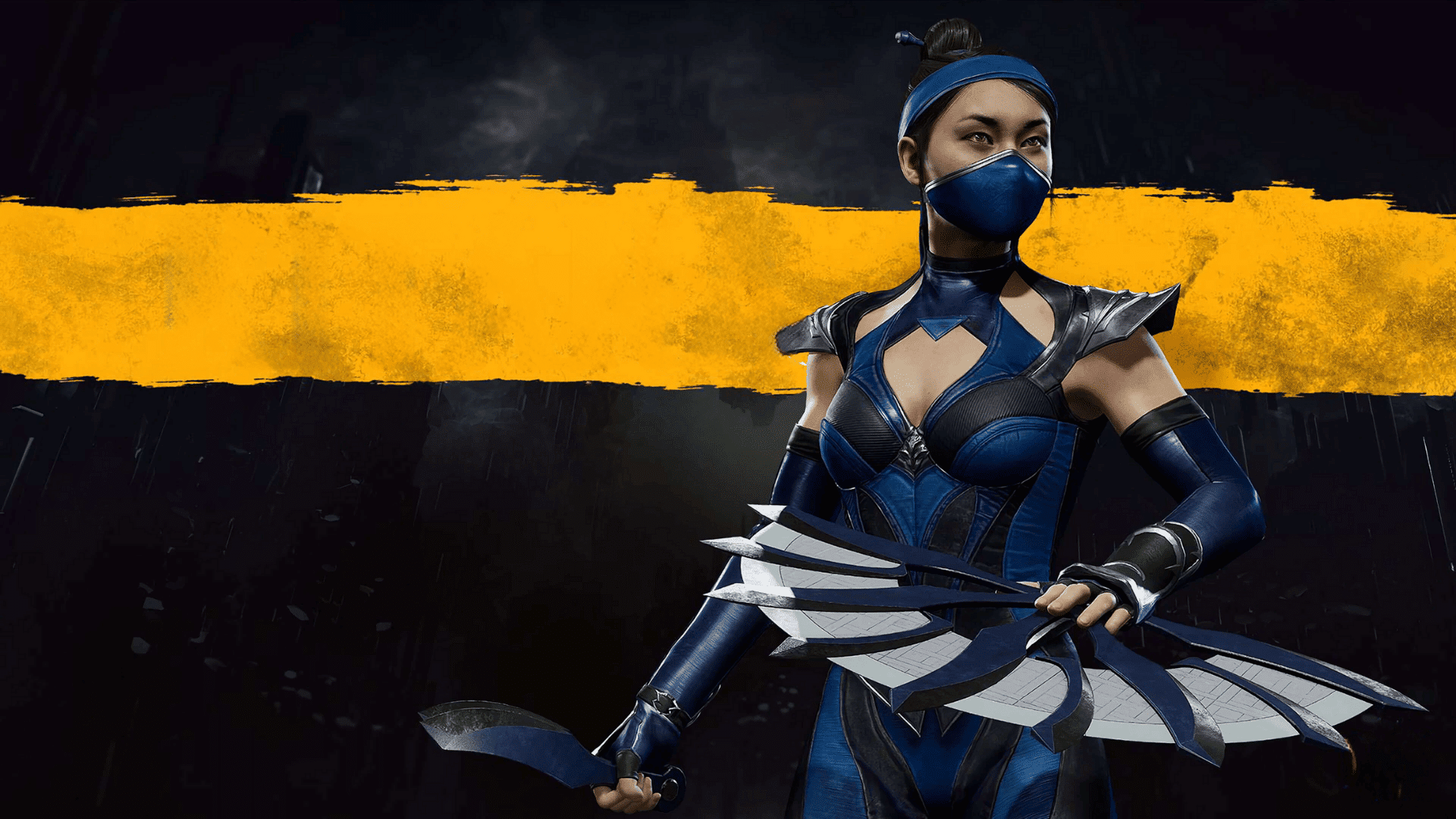
Kitana first appeared in Mortal Kombat II (1993) and is one of the most important royal warriors in the series.
She’s tied to Outworld’s throne drama, rebellion stories, and strong moral choices. Using her steel fans, she fights with grace and deadly skill. Kitana’s vibe is loyalty and strength. She can be calm and noble, but also fierce when the fight demands it.
36. Kobra
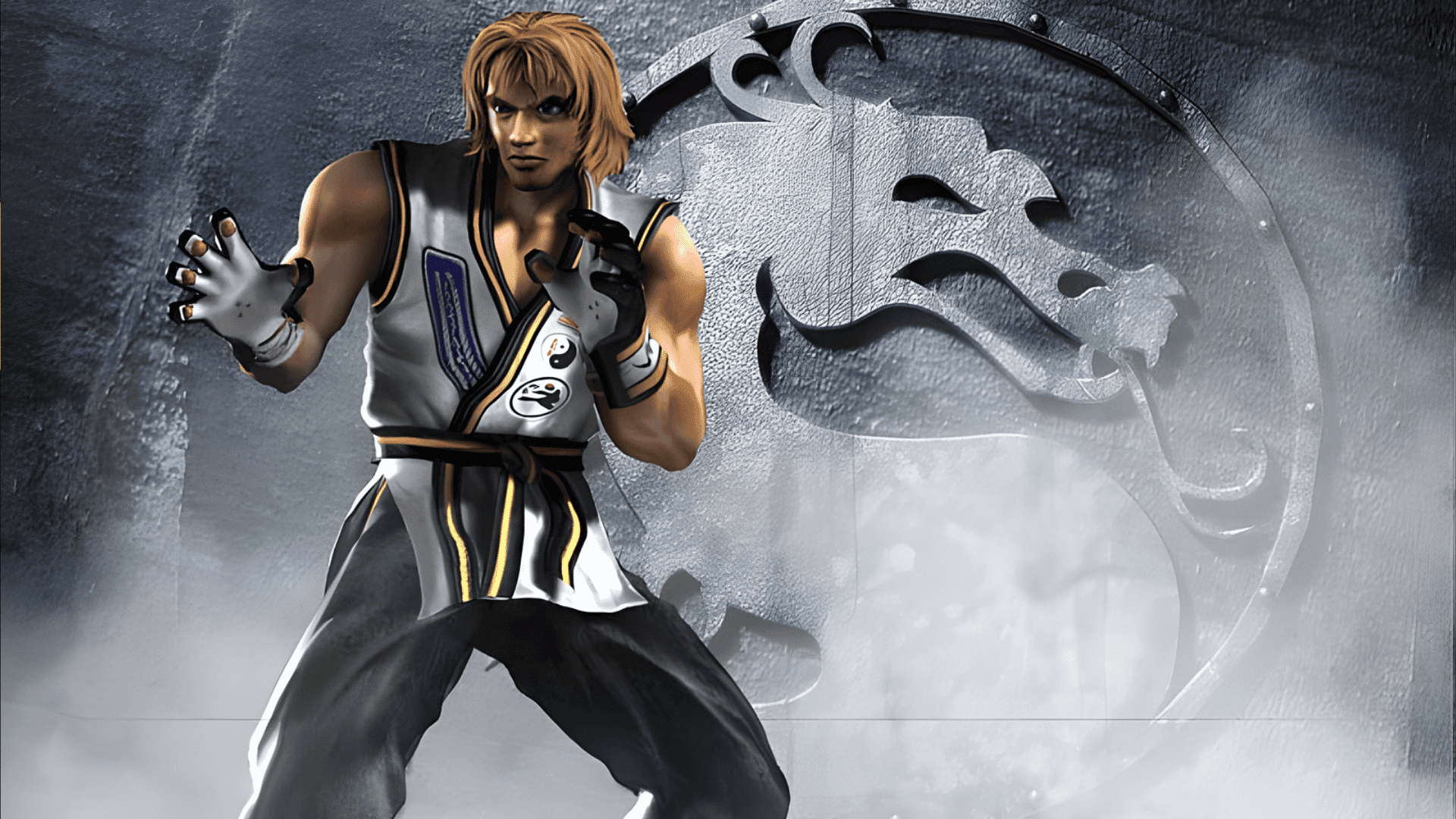
Kobra debuted in Mortal Kombat: Deception (2004) as a reckless street brawler who gets pulled into bigger conflicts. He’s hot-headed, aggressive, and fights with raw punches rather than special powers.
His vibe is chaotic energy, someone who enjoys violence and doesn’t think far ahead. Kobra fits the “wild card” role: dangerous up close, unpredictable, and driven by impulse.
37. Kollector
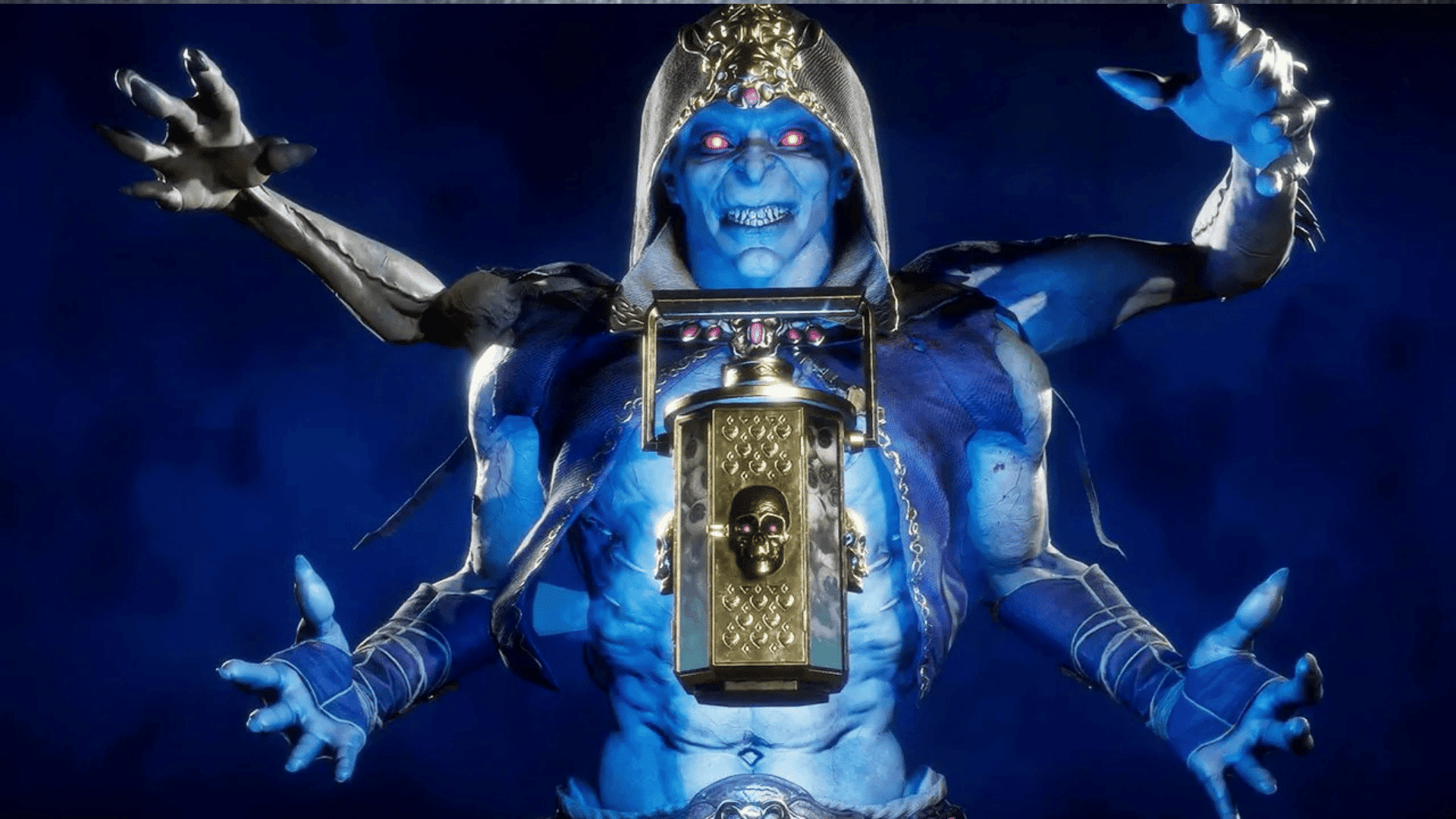
Introduced in Mortal Kombat 11 (2019), Kollector is an Outworld enforcer who serves power through greed and fear.
He’s known for multiple arms and strange tools that let him trap, grab, and pressure opponents in unusual ways. Kollector’s vibe is creepy and threatening—like a twisted tax collector hunting debts. He stands out as a weird menace, more monster than man.
38. Kotal Kahn
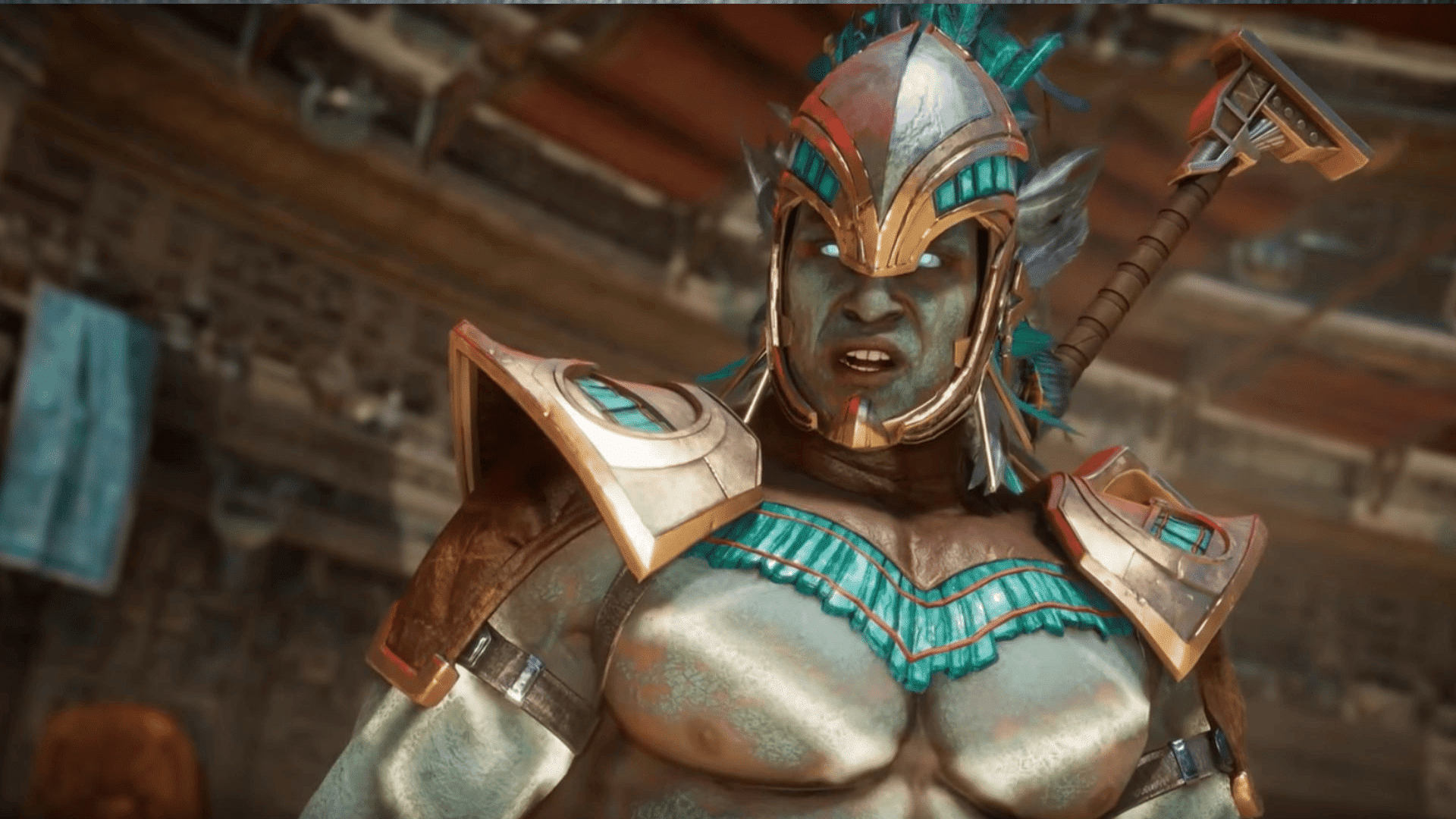
Kotal Kahn entered the series in Mortal Kombat X (2015) as a warrior-ruler tied to Outworld leadership struggles.
He has a commanding presence and fights like a heavy hitter, often showing pride and discipline. Kotal represents power mixed with duty, trying to rule, but facing constant conflict. His vibe is strong and regal, like a king who prefers battle to speeches.
39. Kronika
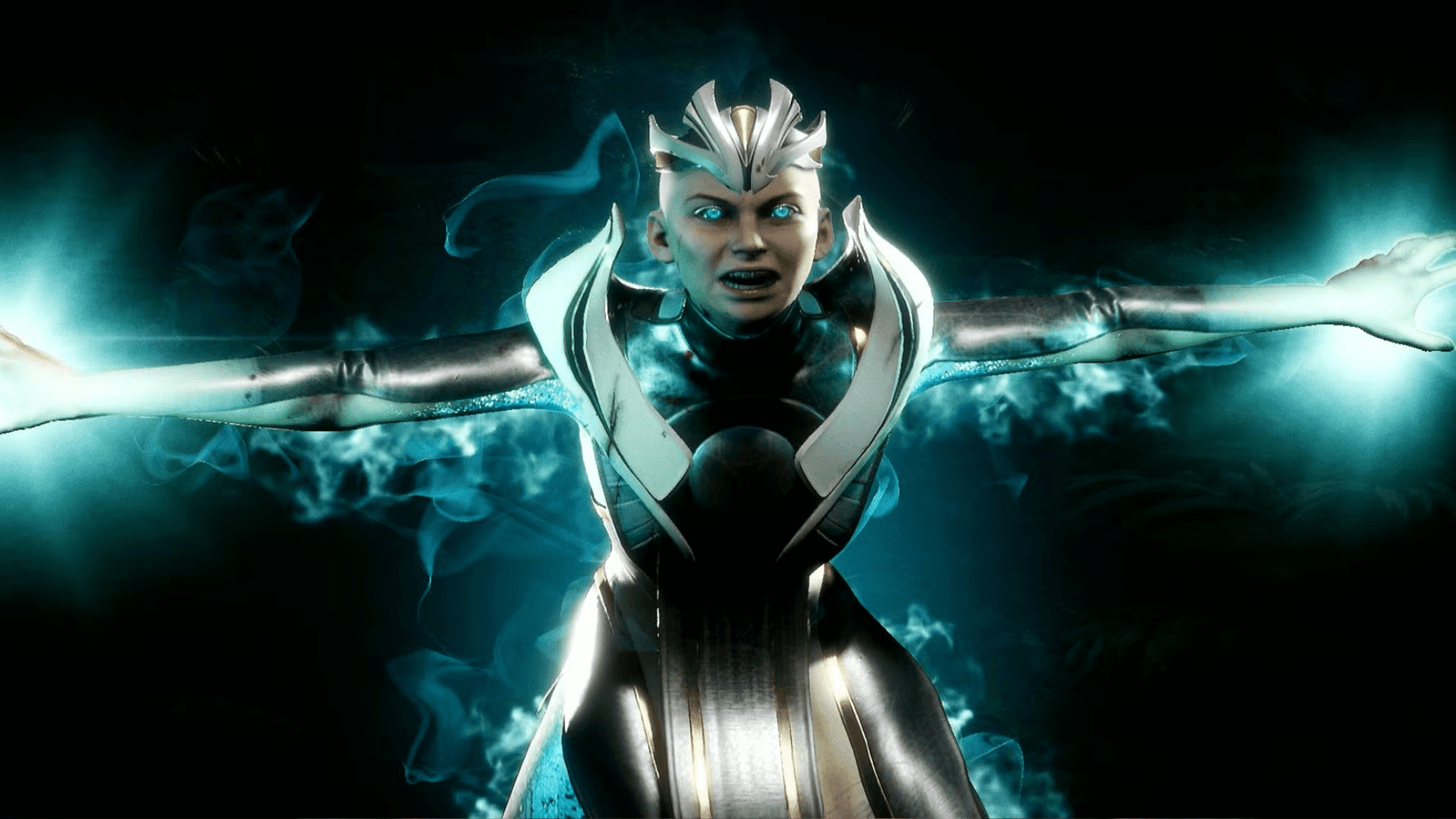
Kronika debuted in Mortal Kombat 11 (2019) as a major timeline villain who tries to rewrite history to control the future.
She’s tied to time manipulation and “endgame boss” energy, raising the stakes to huge, reality-changing levels. Kronika’s vibe is cold and calculating, less personal rage, more cosmic control. She feels like a judge who decides what history should be.
40. Kuai Liang (Sub-Zero)
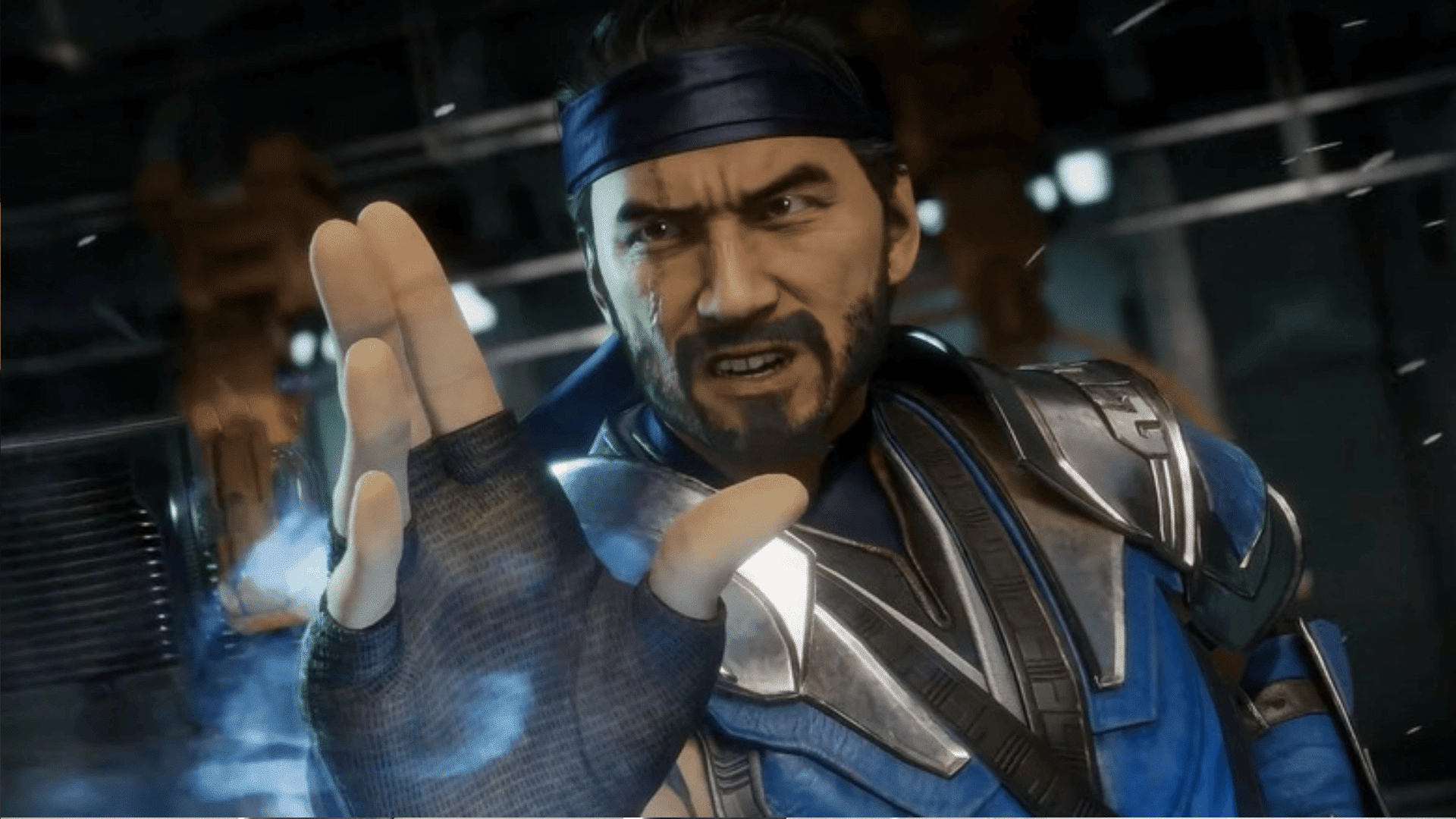
Kuai Liang became the main Sub-Zero identity from Mortal Kombat II (1993) onward, shaping the character’s legacy after the original era.
He’s known for ice mastery, calm discipline, and a protector-style mindset. Kuai Liang often feels honorable and steady, focused on responsibility and rebuilding. His vibe is controlled strength, quiet power that protects allies and shuts down enemies with precision.
41. Kung Jin
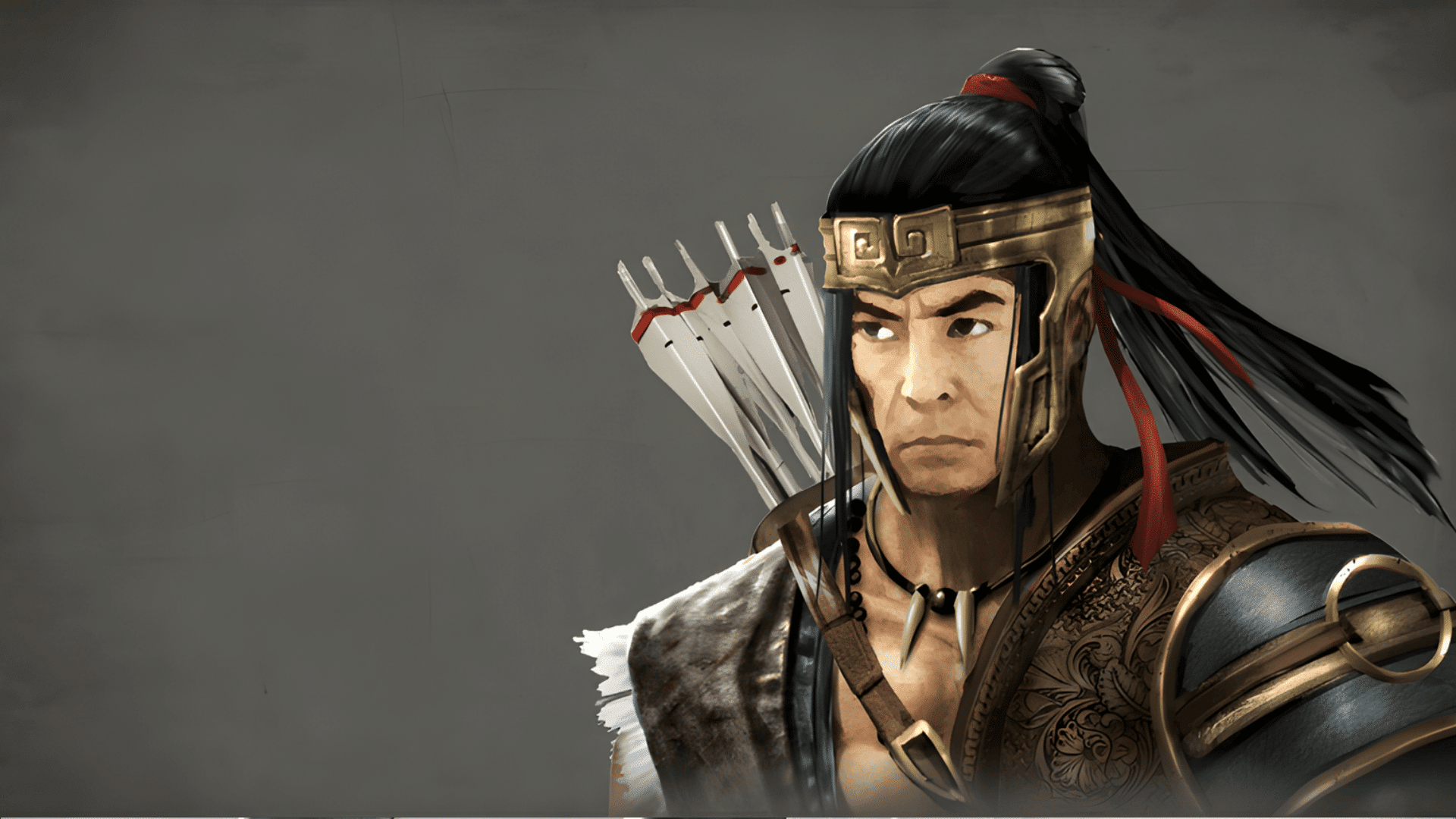
Kung Jin debuted in Mortal Kombat X (2015) as a next-generation fighter tied to the Shaolin legacy. He uses a bow and fast movement, giving him a sharp, agile fighting identity.
His story energy is about growth, proving himself, and finding his place among heroes. Kung Jin’s vibe is determined and modern: skilled, quick, and hungry to show he belongs.
42. Kung Lao
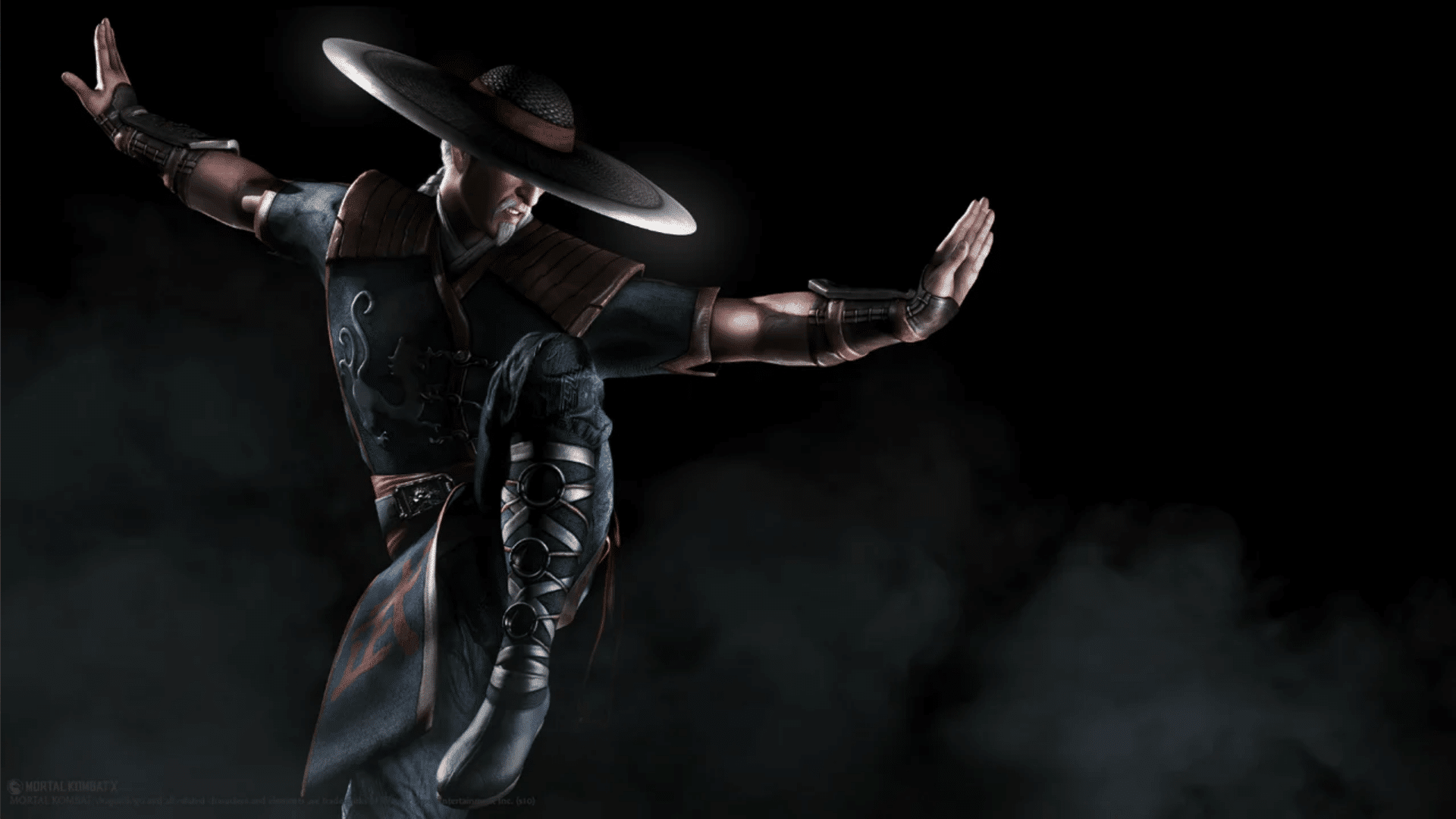
Kung Lao entered Mortal Kombat II (1993) as a proud Shaolin champion and key ally of Earthrealm.
He’s famous for his razor hat and fearless attitude, mixing style with real skill. Kung Lao’s vibe is brave and confident, sometimes cocky, but loyal when it matters. He represents tradition and honor, yet he fights with flair that makes him stand out.
43. Li Mei
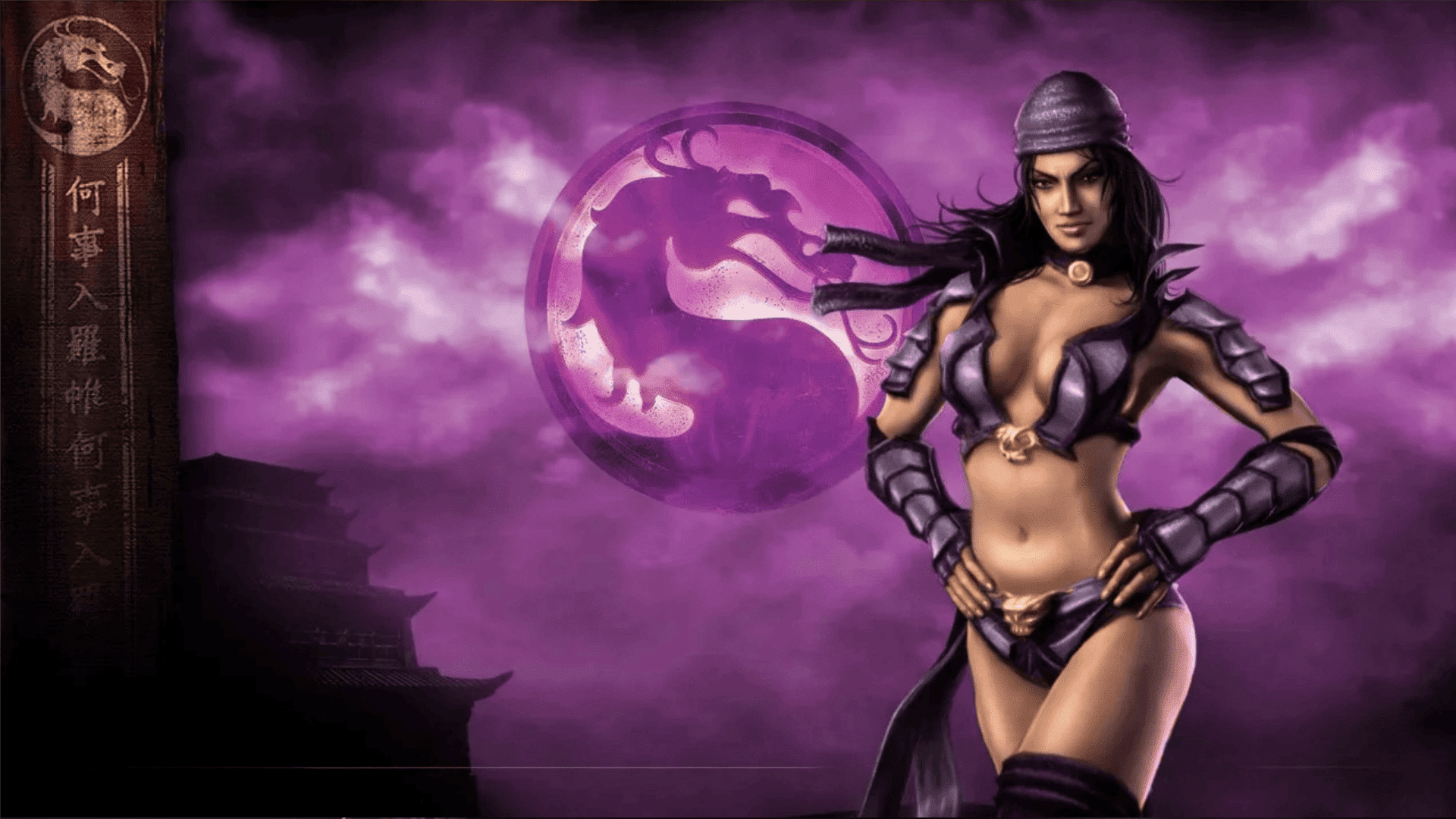
Li Mei debuted in Mortal Kombat: Deadly Alliance (2002) as a warrior tied to Outworld politics and survival struggles.
She’s determined, duty-driven, and often caught between bigger powers fighting for control. Li Mei’s vibe is resilience, someone trying to protect her people and stay strong in a brutal world. Her style is solid and direct, leaning on fundamentals over flashy tricks.
44. Liu Kang
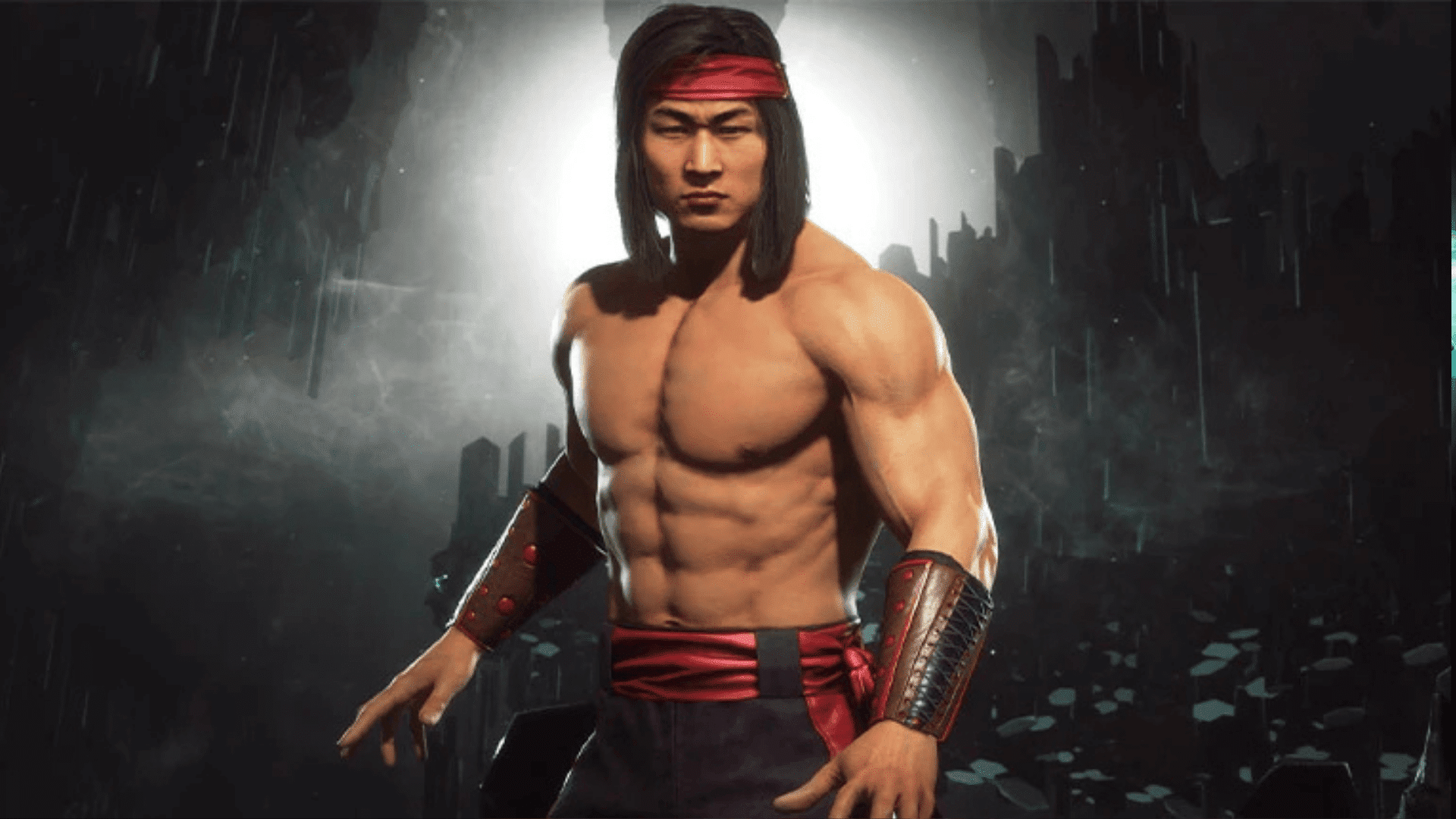
Liu Kang has been central since Mortal Kombat (1992) as a Shaolin champion and one of Earthrealm’s greatest heroes.
He fights with fast martial arts and often carries fire or dragon-themed power. Liu Kang’s vibe is pure hero energy, disciplined, brave, and focused on protecting others.
He’s often the heart of the story, representing hope, skill, and leadership in chaos.
45. Mavado
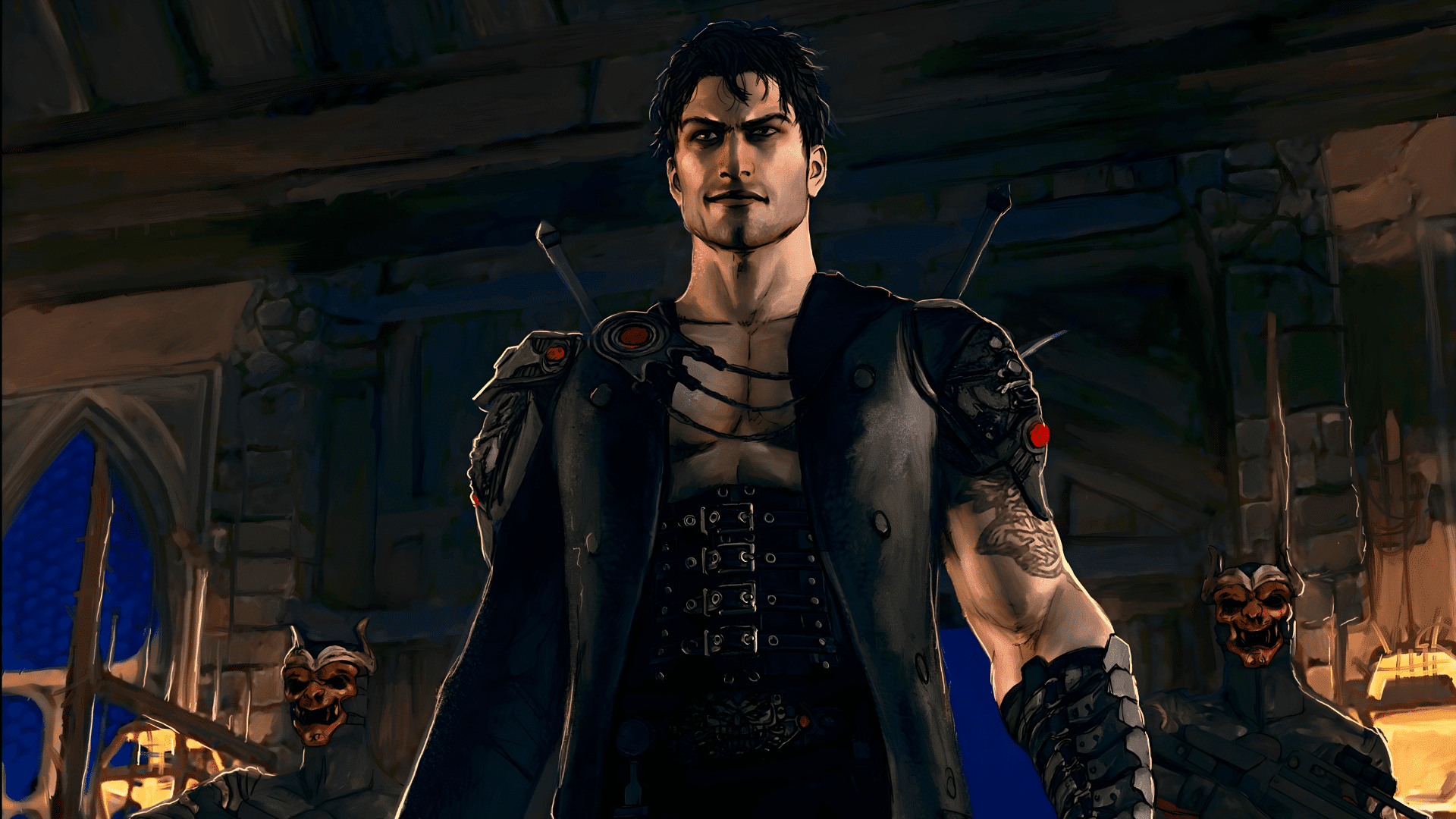
Introduced in Mortal Kombat: Deadly Alliance (2002), Mavado is tied to criminal faction rivalries and tactical violence. He feels like a planner, ruthless, strategic, and willing to do anything to win faction wars.
His vibe is “organized crime meets fighter,” with less magic and more cold efficiency. Mavado represents power struggles on the ground level, where loyalty is a tool, not a value.
46. Meat
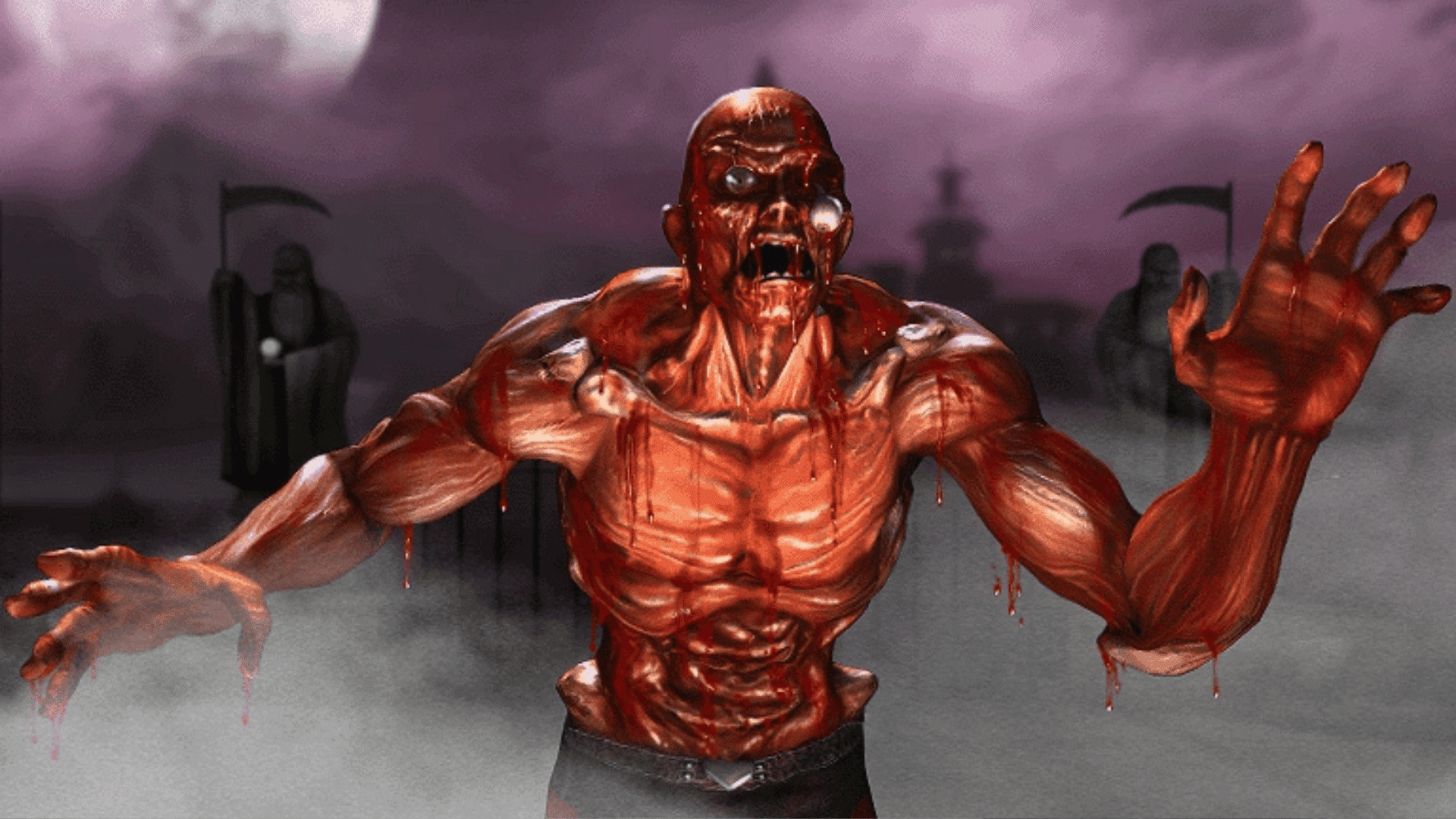
Meat first appeared in Mortal Kombat 4 (1997) as a hidden secret character, a gruesome construct of flesh without skin.
He’s memorable for his creepy, experimental design, like raw muscle turned fighter. Meat’s vibe is weird and unsettling, representing MK’s bizarre horror elements and dark humor.
47. Mileena
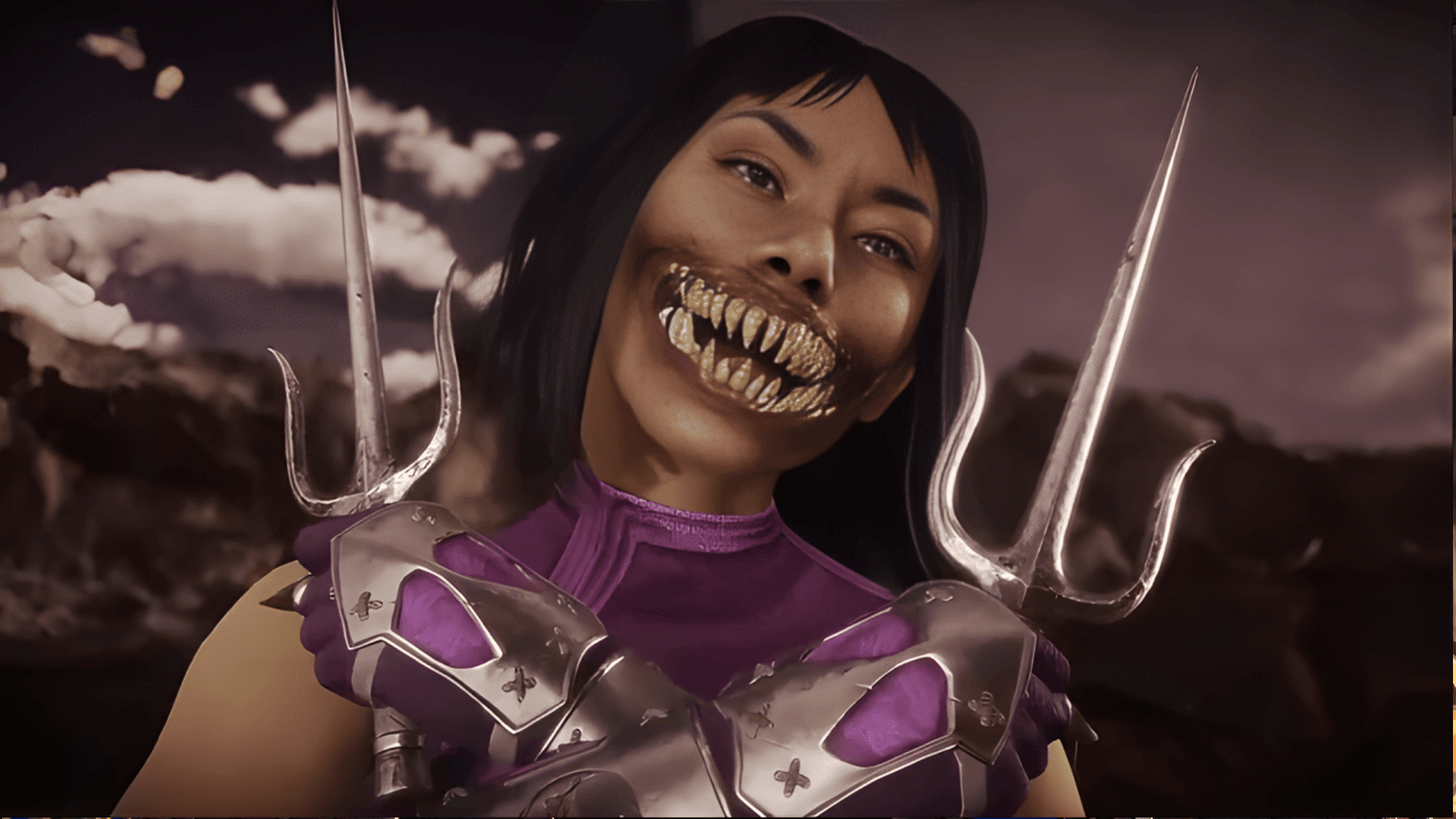
Mileena debuted in Mortal Kombat II (1993) as a dangerous rival tied to royal power struggles and violent ambition.
She fights savagely and close-range, often feeling unpredictable and feral. Her vibe mixes charm and threat, smiling one second, attacking the next.
Mileena represents chaos within royalty: power-hunger, jealousy, and brutality, wrapped in a character who never feels safe enough to trust.
48. Mokap
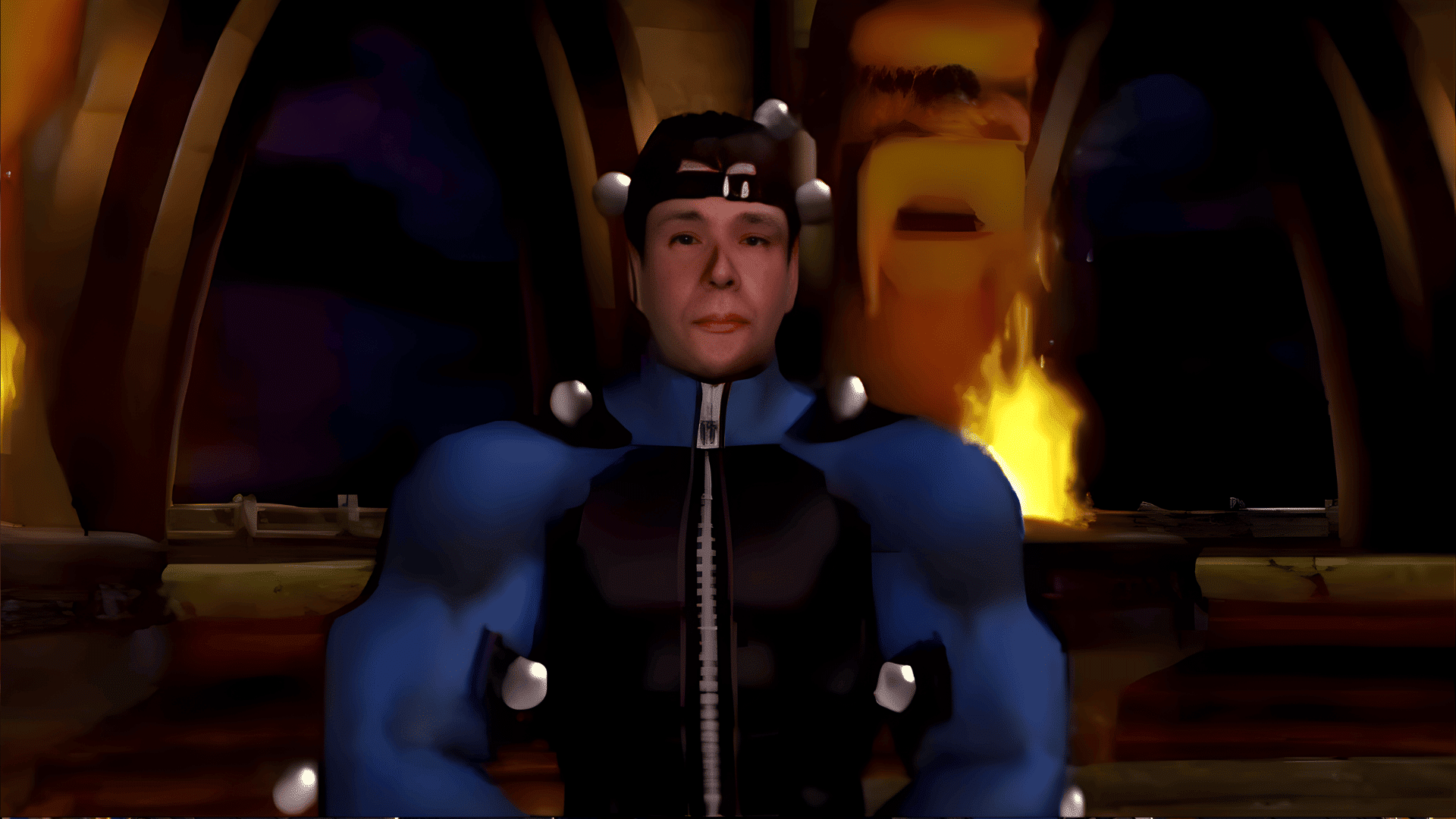
Introduced in Mortal Kombat: Deadly Alliance (2002), Mokap is a meta, joke-style character inspired by motion-capture work.
Even though he’s meant to be funny, he can still fight in some versions, which adds to the odd charm.
Mokap’s vibe is comedy and self-awareness, MK winking at its own creation. He stands out because he’s less lore-heavy and more of a playful Easter egg.
49. Moloch
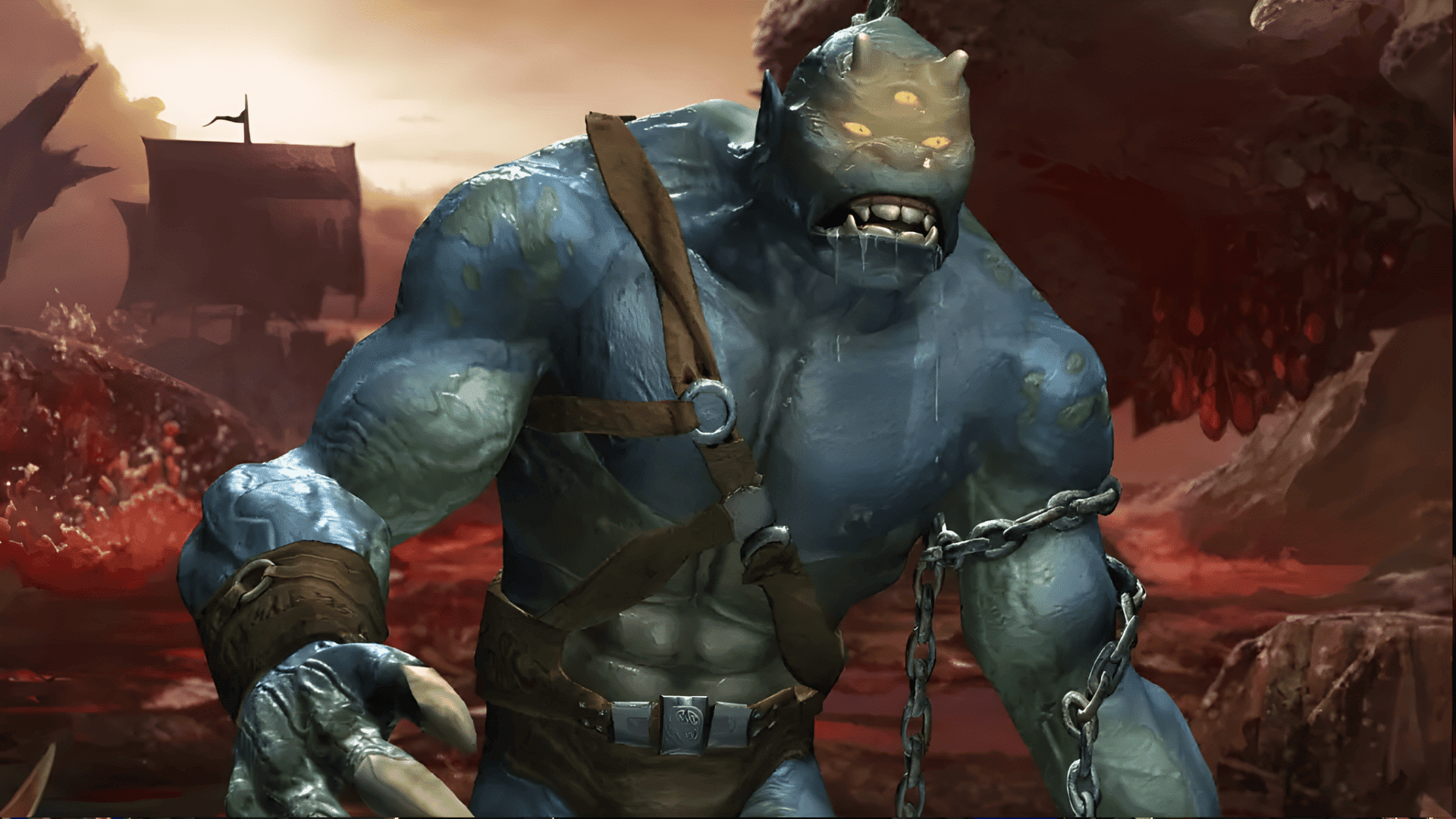
Moloch appears in Mortal Kombat: Deadly Alliance (2002) as a massive Netherrealm brute used as an enforcer.
He’s built for crushing strength and intimidation, feeling like a demon whose job is simply to break things and block paths.
Moloch’s vibe is heavy and brutal, no finesse, all power. He fits the “giant monster guard” role, making heroes feel small and threatened.
50. Motaro
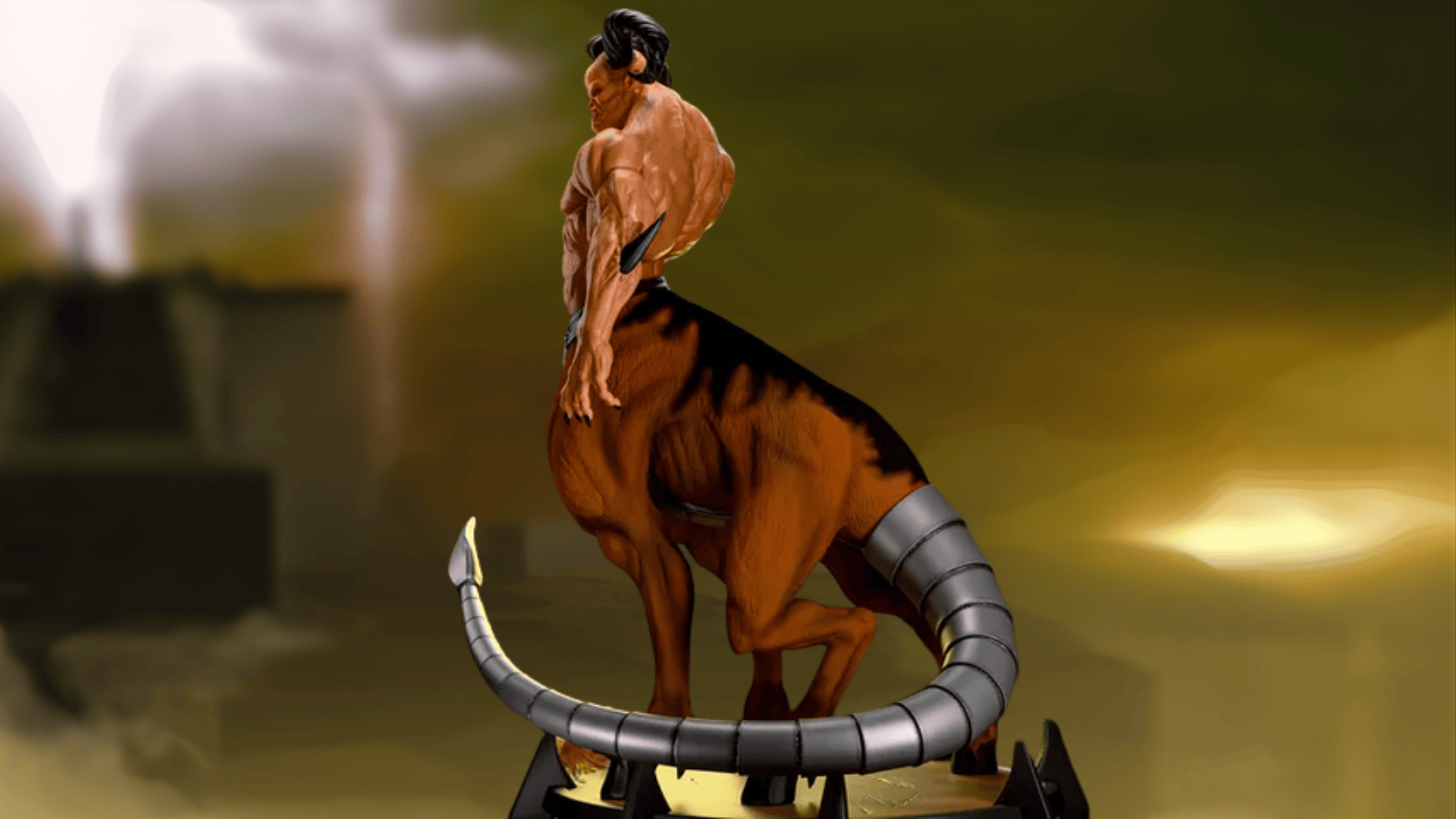
Motaro debuted in Mortal Kombat 3 (1995) as a centaur-like boss known for being a tough wall to beat. He’s remembered for serious damage, aggressive moves, and a “boss fight” presence that feels unfair in the best way.
Motaro’s vibe is relentless pressure, charging, hard strikes, and forcing players to react quickly. He represents classic arcade challenge: big, scary, and designed to punish mistakes.
51. Nightwolf
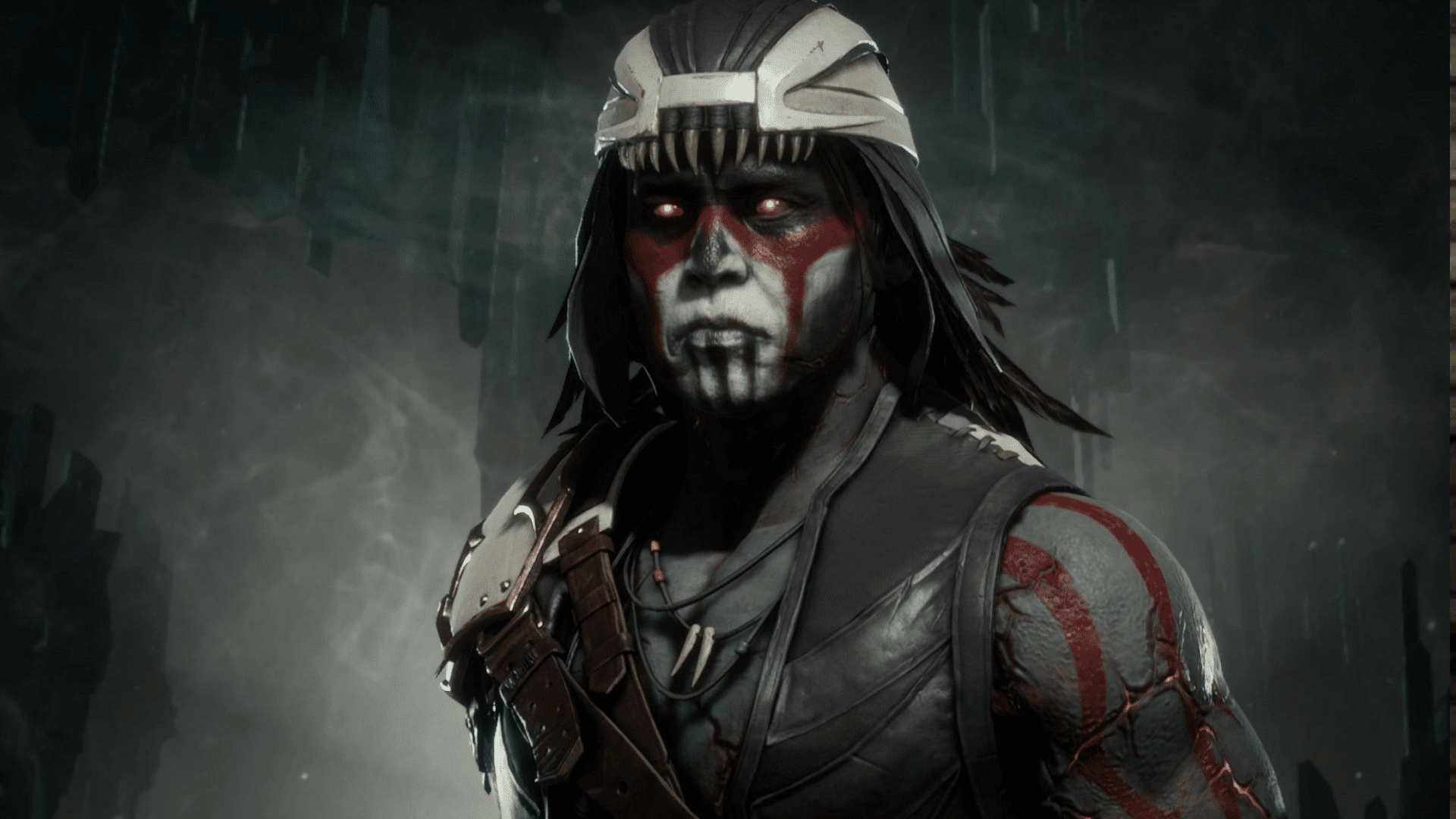
Nightwolf joined Mortal Kombat 3 (1995) as a spiritual defender fighting to protect Earthrealm. He uses spirit energy and sacred weapons, giving him a calm, steady strength rather than flashy cruelty.
Nightwolf’s vibe is protector energy focused, serious, and guided by belief and tradition. He often conveys the idea that inner strength and purpose can stand up to monsters, gods, and sorcerers.
52. Nitara
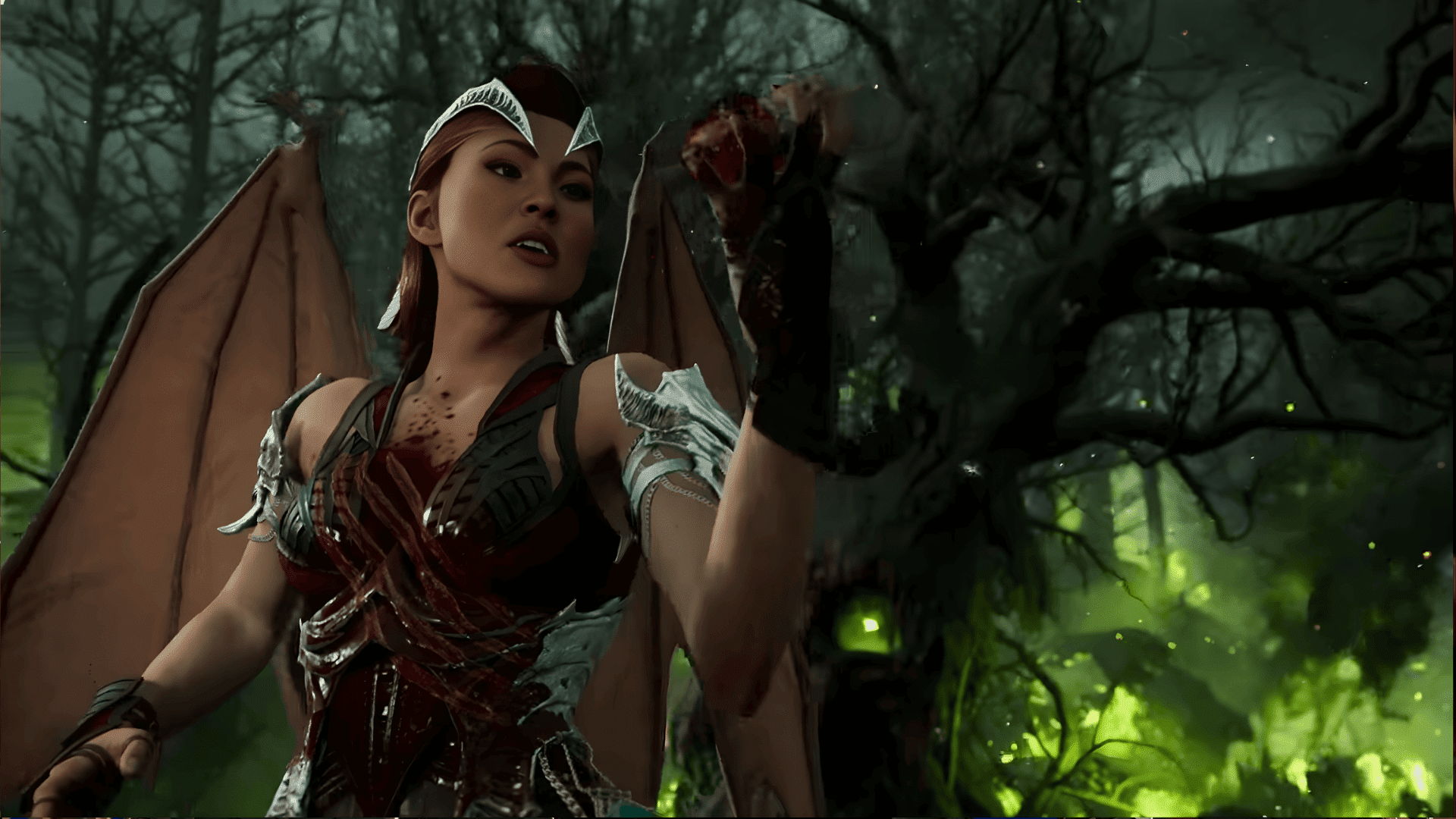
Introduced in Mortal Kombat: Deadly Alliance (2002), Nitara is a vampire-themed fighter linked to darker Outworld stories. She’s fast, predatory, and often uses flight to attack from angles others can’t handle.
Nitara’s vibe is sleek danger, like a hunter who enjoys the chase. She represents survival and hunger, leaning into a horror fantasy style that stands out from ninjas and soldiers.
53. Noob Saibot
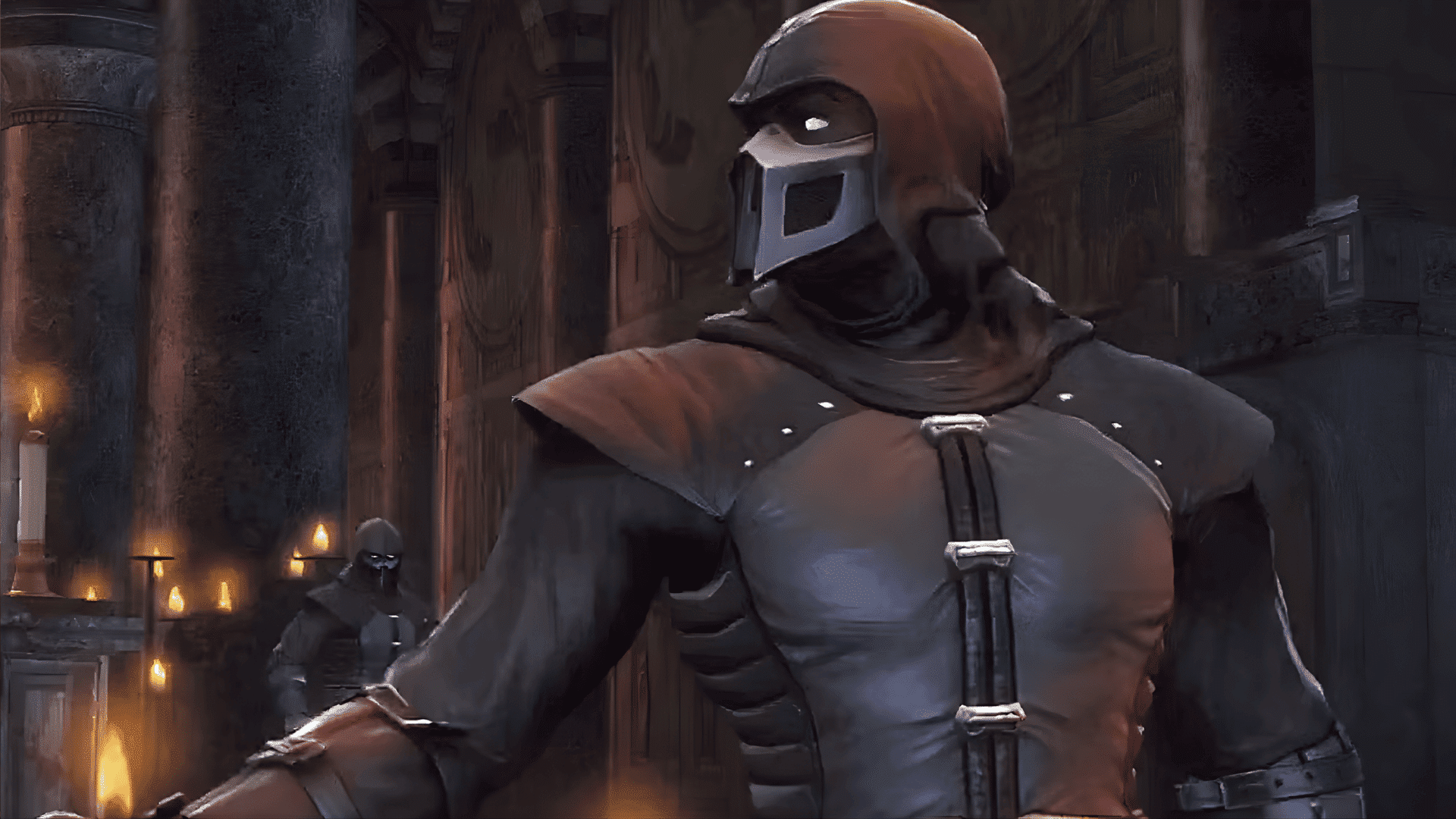
Noob Saibot first appeared in Mortal Kombat II (1993) as a shadowy wraith tied to the original Sub-Zero in many storylines.
He’s known for darkness, shadow clones, and silent menace. Noob’s vibe is cold and haunting, as revenge has become a living shadow.
He represents corruption and tragedy, where a once-human warrior becomes a dark force that spreads fear without speaking much.
54. Onaga (Dragon King)
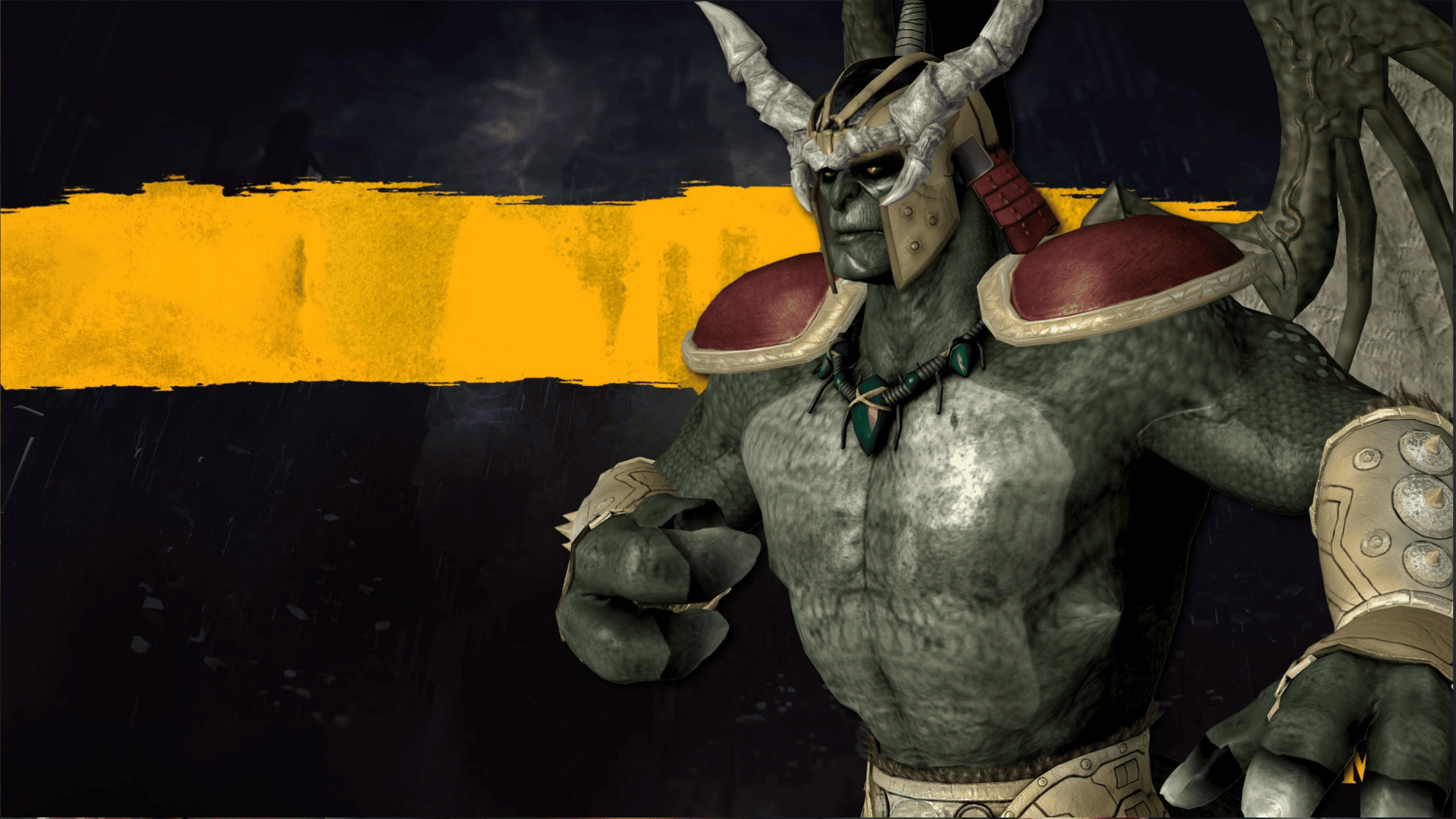
Onaga became a major threat in Mortal Kombat: Deception (2004), returning as an ancient ruler with overwhelming power.
He’s portrayed as a mythic disaster, huge, unstoppable, and tied to “ancient evil returns” storytelling.
Onaga’s vibe is pure end-boss energy, but older than the usual villains. He represents history coming back to crush the present, making everyone’s fights feel small in comparison.
55. Quan Chi
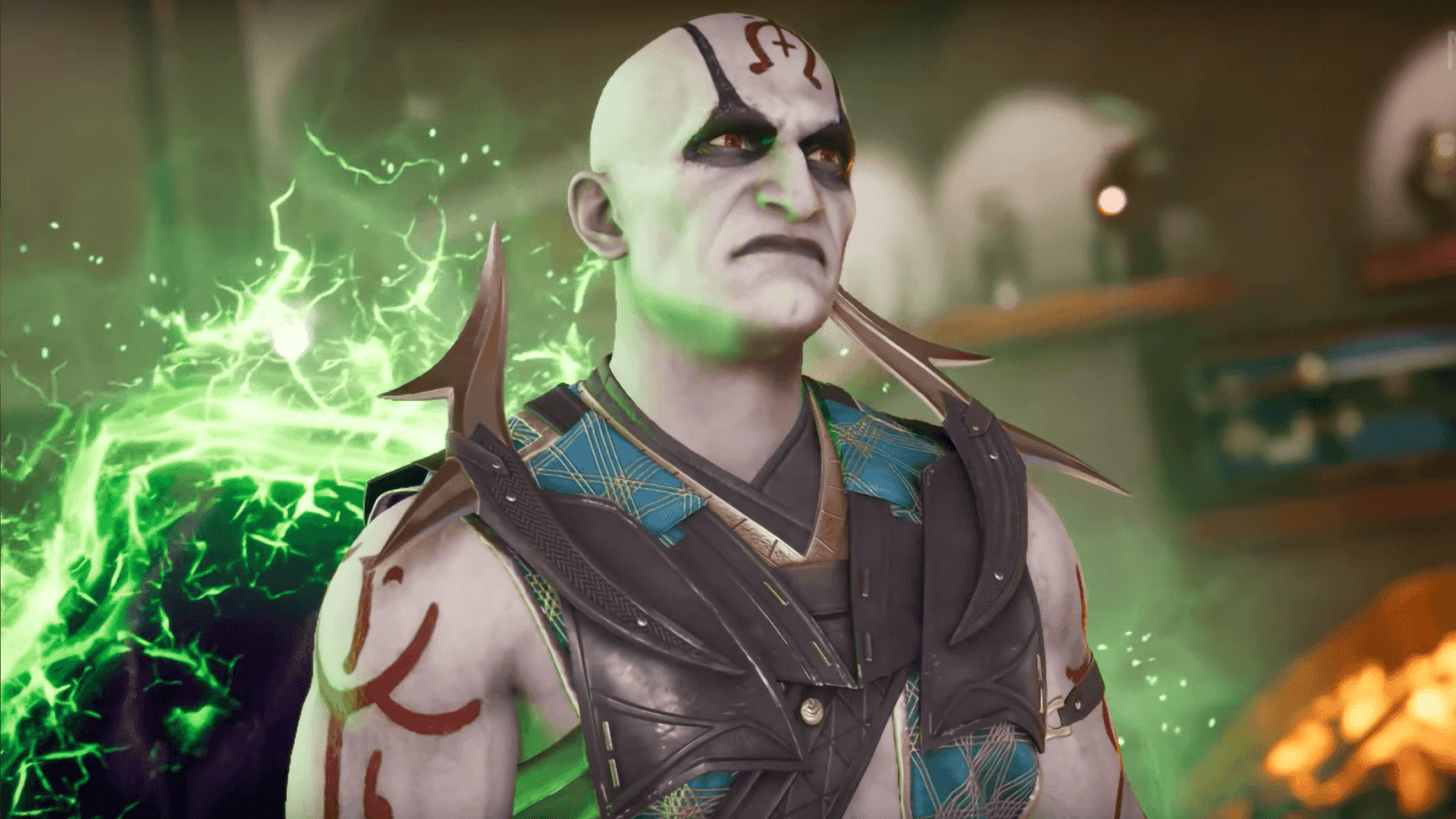
Quan Chi debuted in Mortal Kombat 4 (1997) as a villain sorcerer famous for manipulation and dark schemes.
He uses magic, mind games, and necromancy-like powers, often causing disasters by turning people against each other.
Quan Chi’s vibe is cruel and calculating—he doesn’t just fight, he tricks. He represents the kind of evil that wins through strategy, betrayal, and twisted spellcraft, not just muscles.
56. Raiden
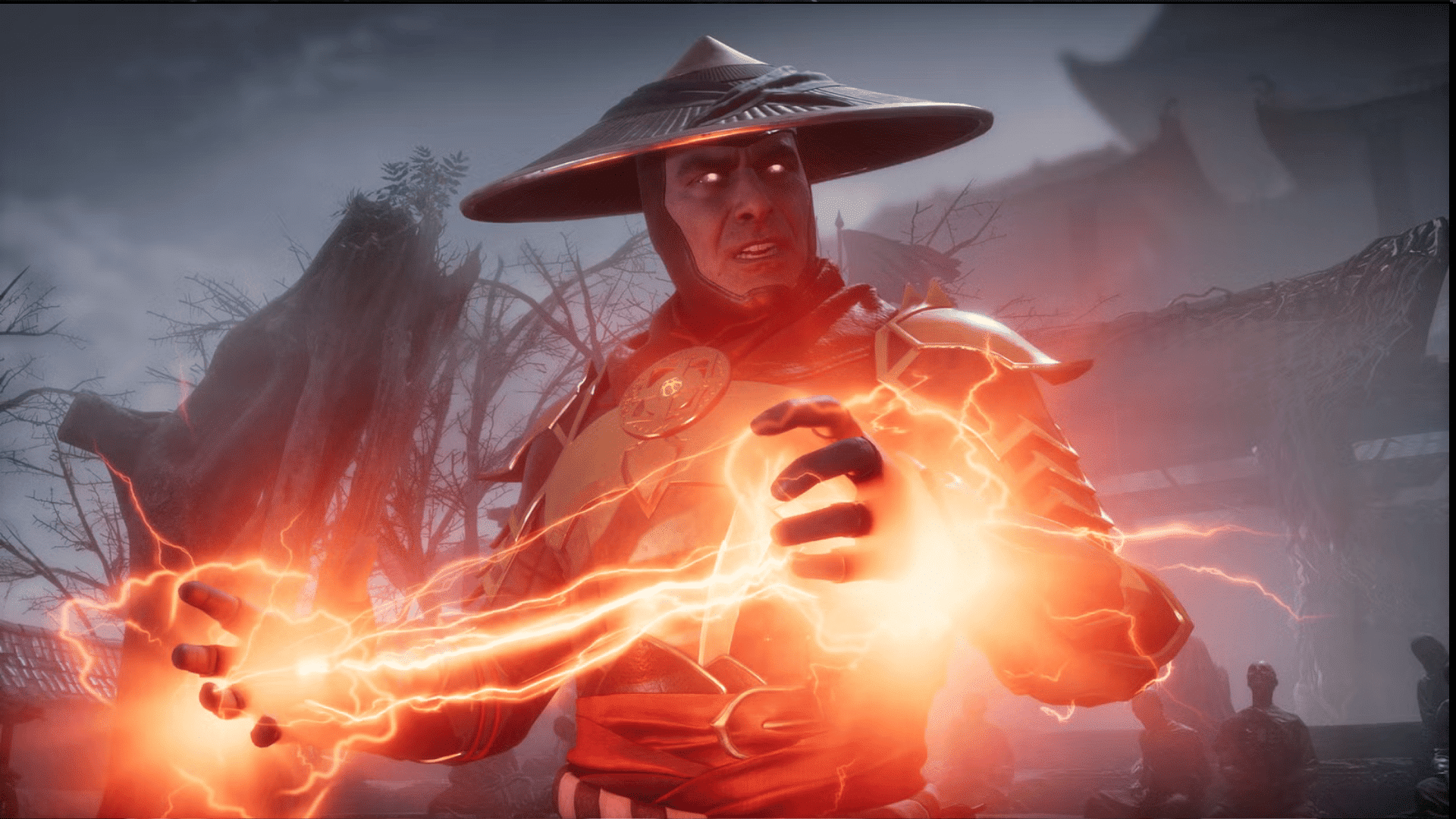
Raiden has been a core character since Mortal Kombat (1992) as the thunder god who protects Earthrealm and guides its champions.
He uses lightning, teleporting, and divine authority, often acting like a leader with heavy responsibility.
Raiden’s vibe is wise but intense, trying to make the right call in impossible situations. He represents duty, protection, and the burden of power when every choice affects entire realms.
57. Rain
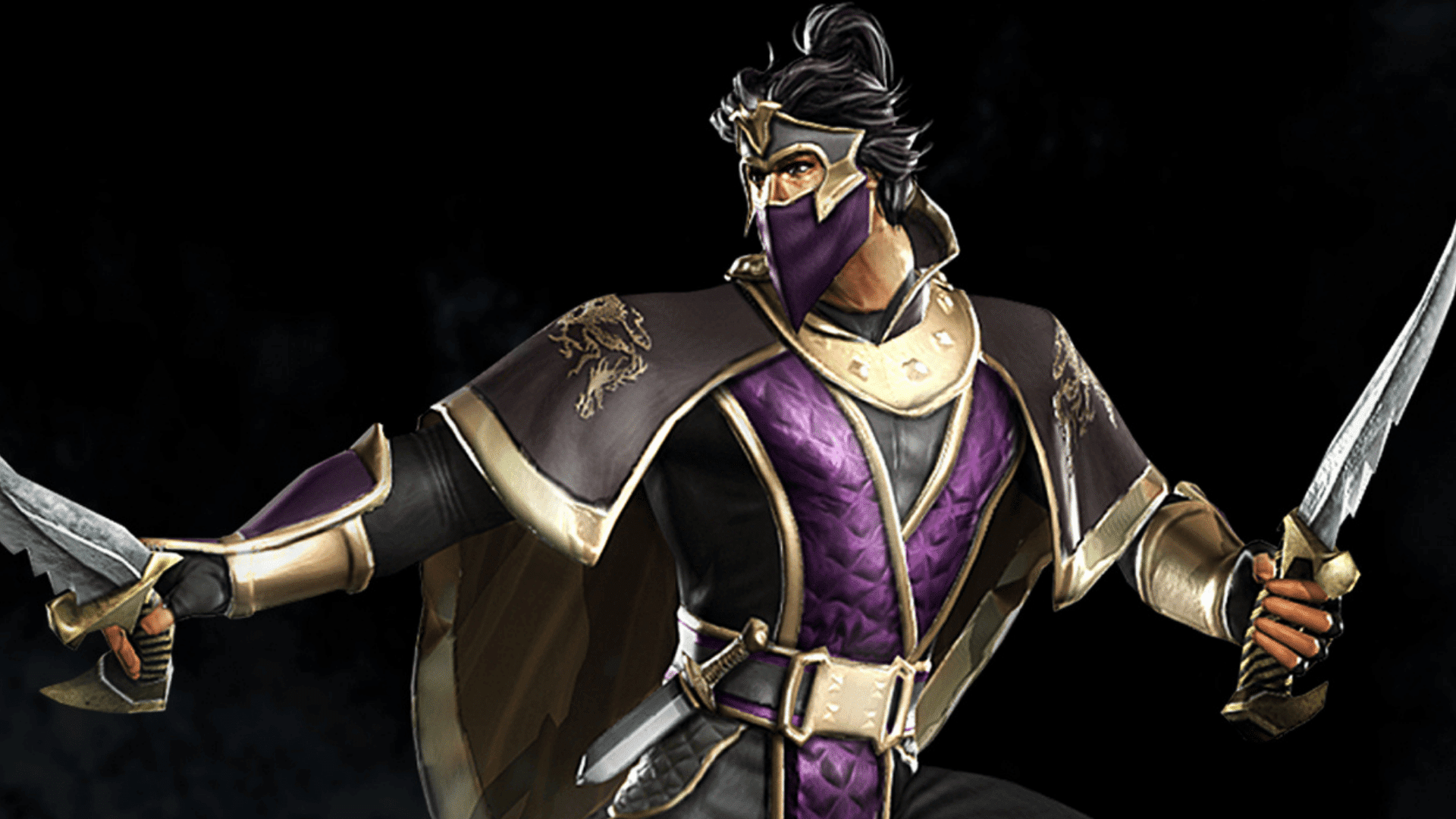
Rain became known in Ultimate Mortal Kombat 3 (1995) as an Edenian with storm- and water-themed moves and a proud, stylish attitude.
He mixes speed and flair with magic-like effects tied to weather. Rain’s vibe is confident and dramatic. He fights as he knows he looks cool doing it. He represents royal pride and ambition, often wanting more recognition and power than he’s given.
58. Reiko
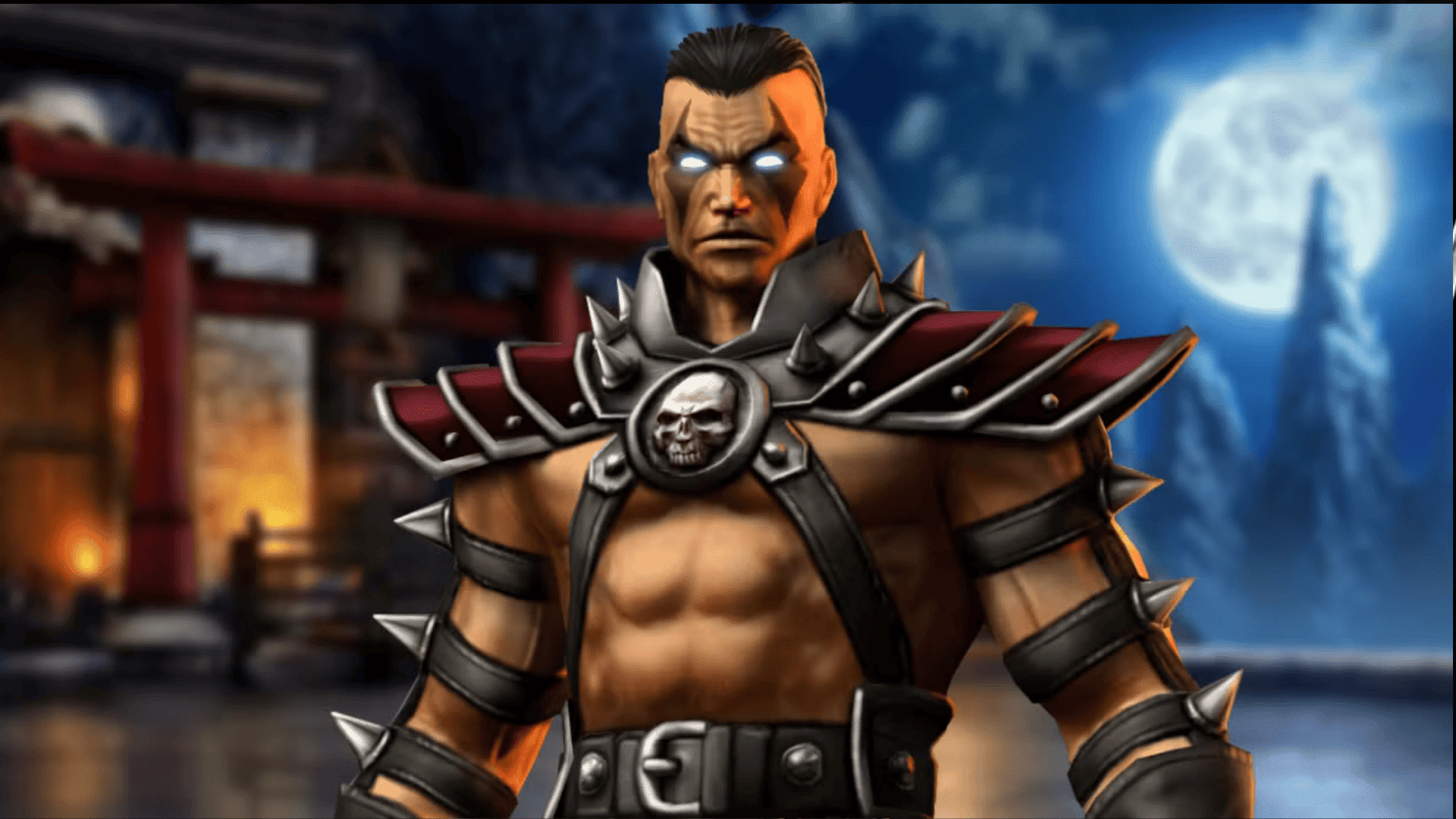
Reiko debuted in Mortal Kombat 4 (1997) as an Outworld warrior/general type tied to power-hungry plots. He’s aggressive, ambitious, and often loyal only when it benefits him.
Reiko’s vibe is military brutality, someone who thrives in war and wants a higher seat at the table.
He represents the “climb the ranks” villain energy: disciplined enough to lead, ruthless enough to betray, and always chasing more control.
59. Reptile (Syzoth)
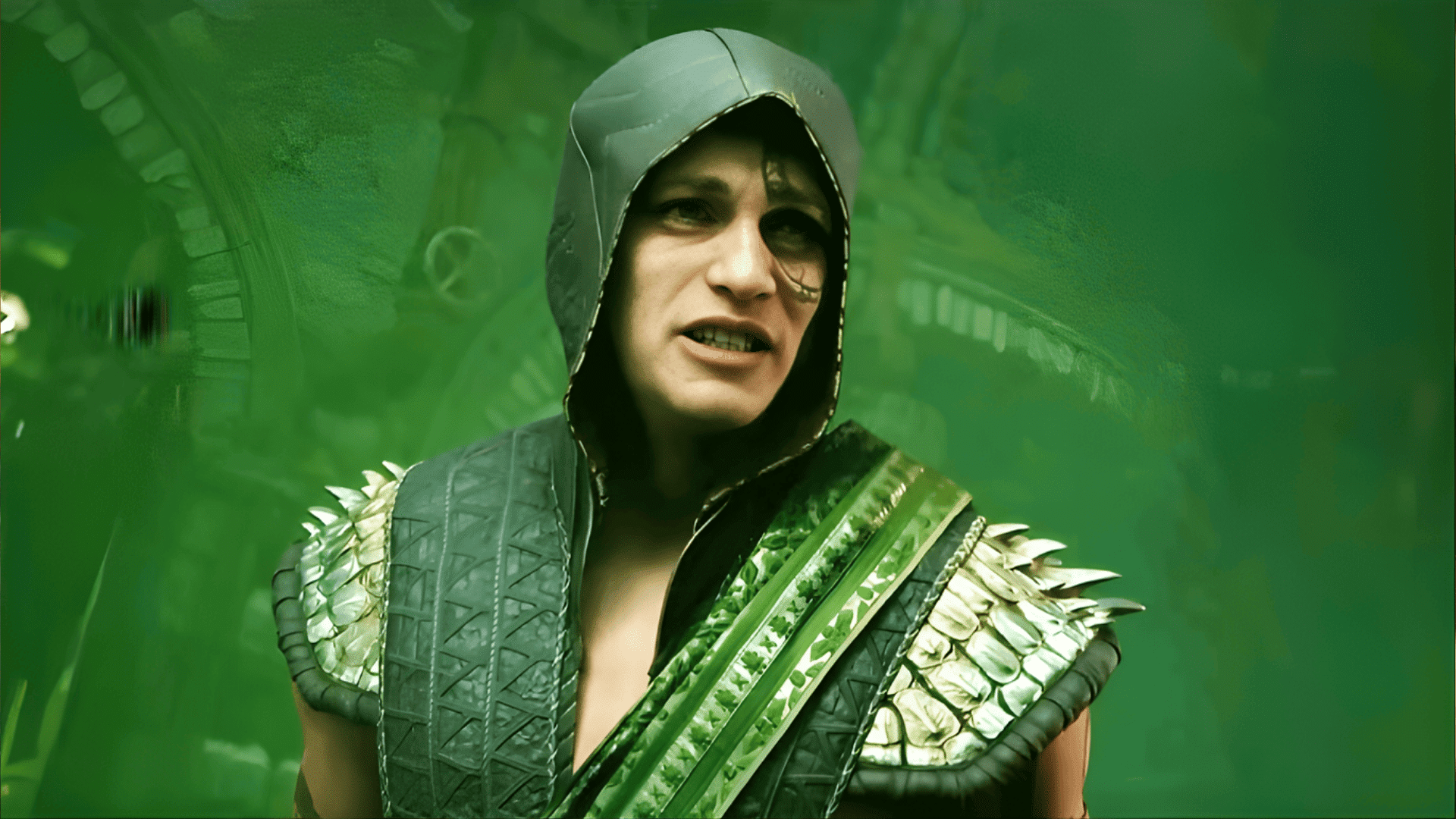
Reptile has been around since Mortal Kombat (1992) as a stealthy survivor tied to a reptilian race across many eras. He’s known for invisibility-style stealth, acid attacks, and assassin-like movement.
Reptile’s vibe is loyal and desperate, often serving stronger villains while hoping to restore his people. He represents the outsider fighter: dangerous, sneaky, and tragic, caught between survival and identity.
60. Sareena
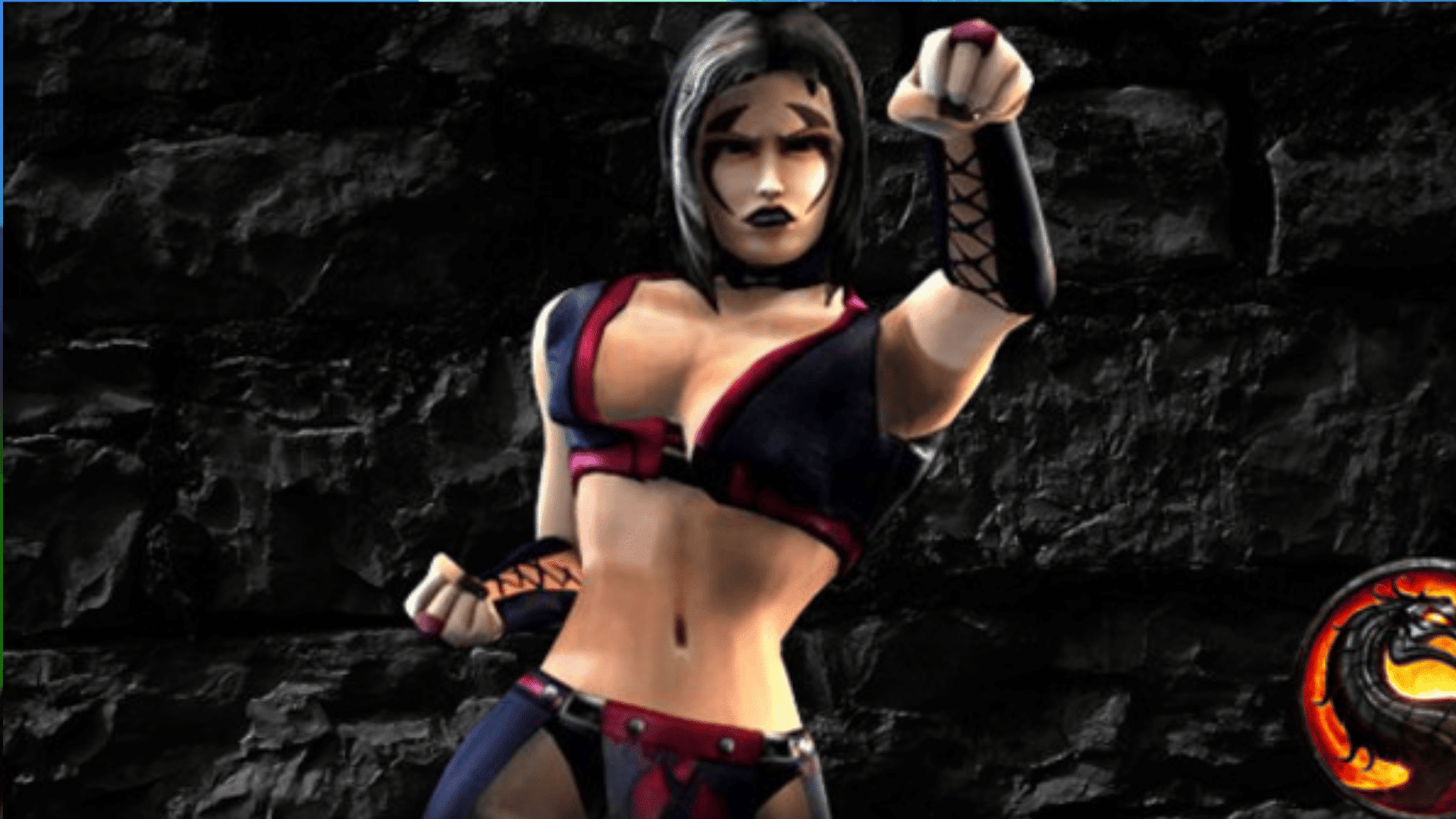
Sareena appears in Mortal Kombat Mythologies: Sub-Zero (1997) as a demon-assassin figure with a conflicted moral path.
She’s tied to dark magic and assassin skills, but her story energy leans toward redemption and struggle.
Sareena’s vibe is “dangerous but not fully evil,” someone who has done bad things yet wants a different life. She represents the idea that even in the Netherrealm, choices still matter.
61. Scorpion (Hanzo Hasashi)
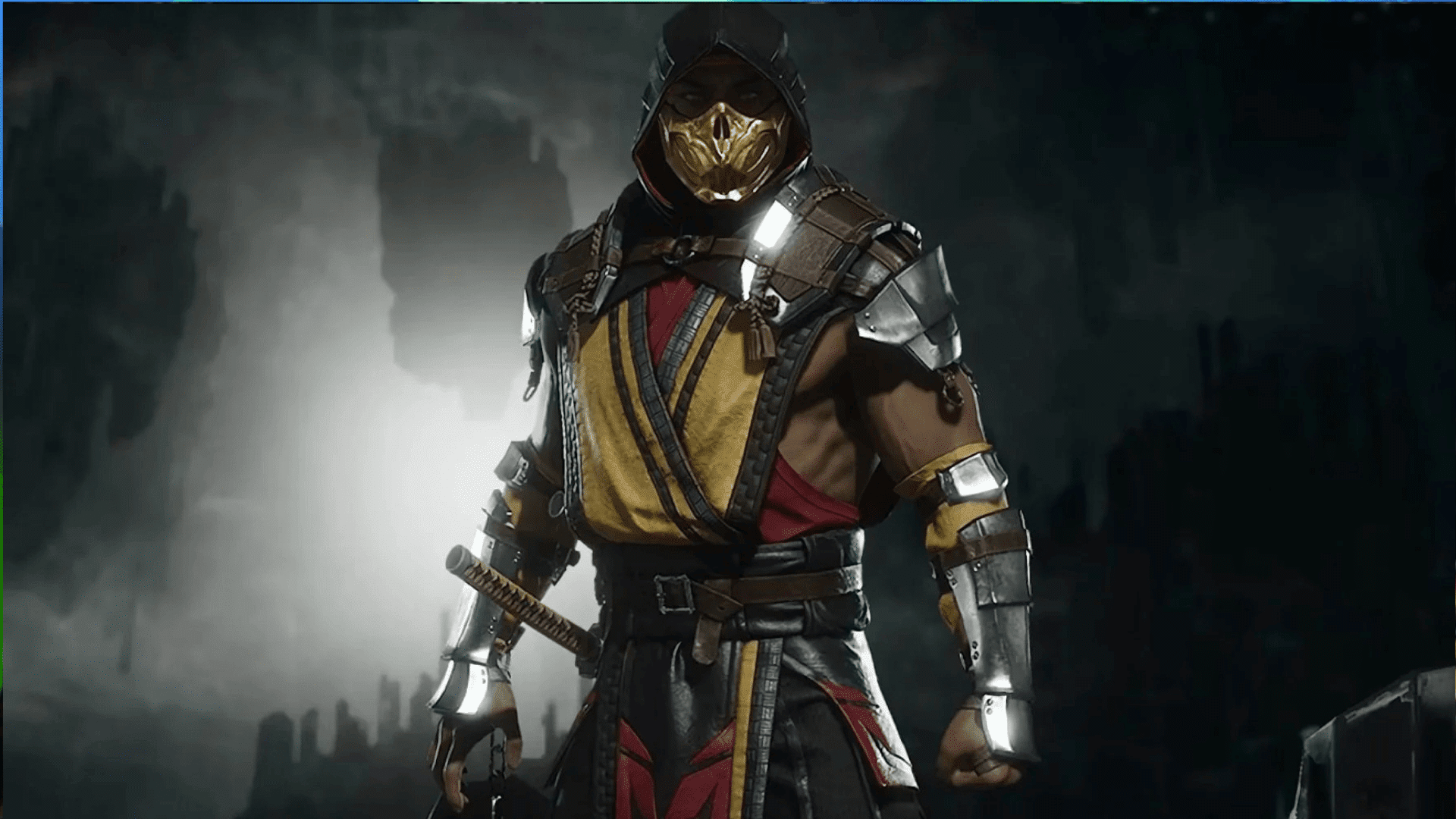
Scorpion has been iconic since Mortal Kombat (1992) as a specter ninja driven by tragedy and revenge. He uses fire powers, his spear, and relentless close-range attacks, famous for “Get over here!” Scorpion’s vibe is fierce loyalty mixed with pain.
He’s a warrior who can’t forget what happened to his family. He represents vengeance, honor, and the struggle to control rage while still fighting for a cause.
62. Sektor
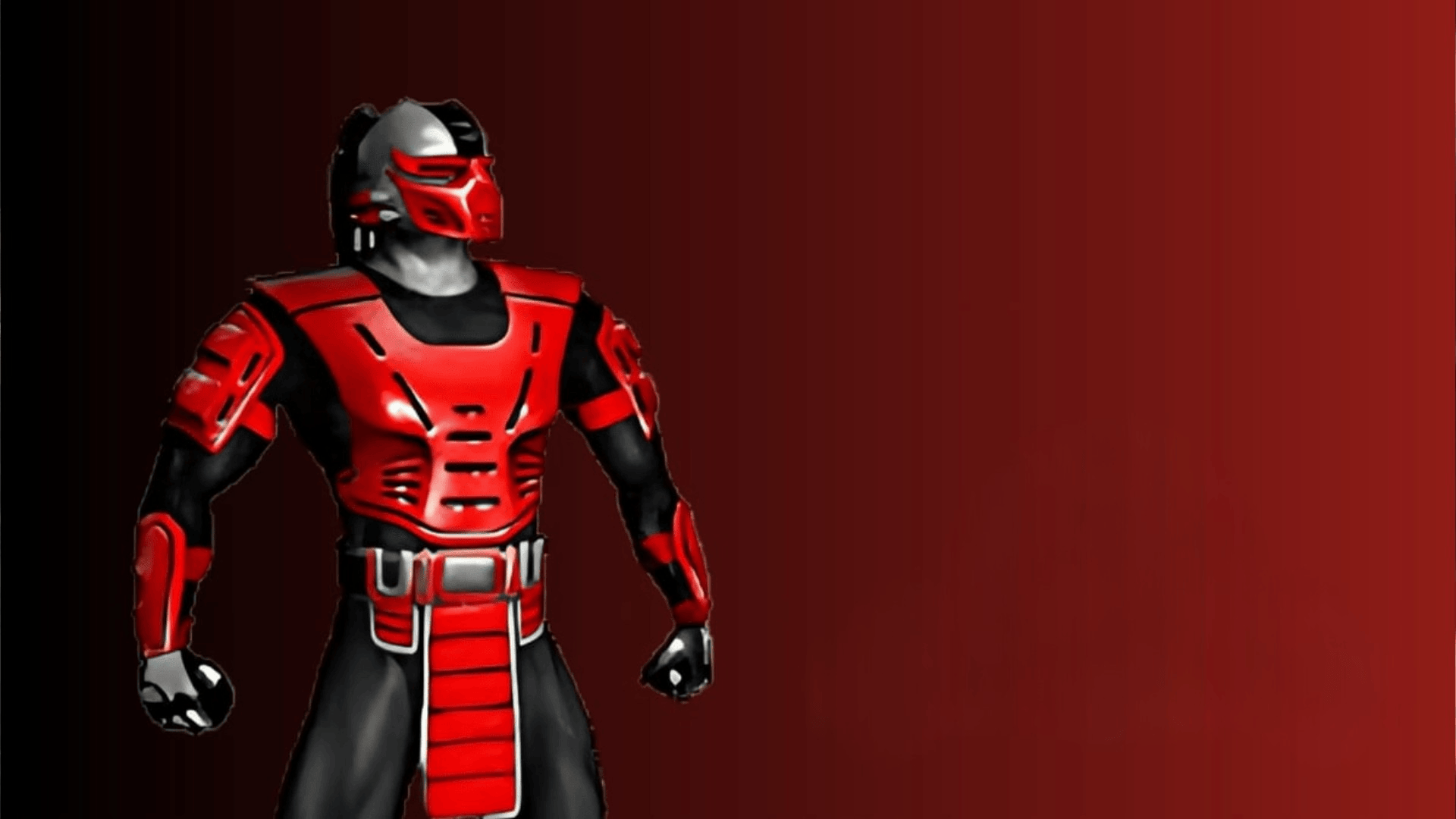
Sektor debuted in Mortal Kombat 3 (1995) as a cyber Lin Kuei enforcer tied to the clan’s robot program. He’s cold, strategic, and tech-driven, using missiles and machine-like pressure to overwhelm opponents.
Sektor’s vibe is “human turned weapon,” often choosing efficiency over emotion. He represents the fear of losing identity to technology, still fighting like a ninja, but with the heart removed and replaced by systems.
63. Shang Tsung
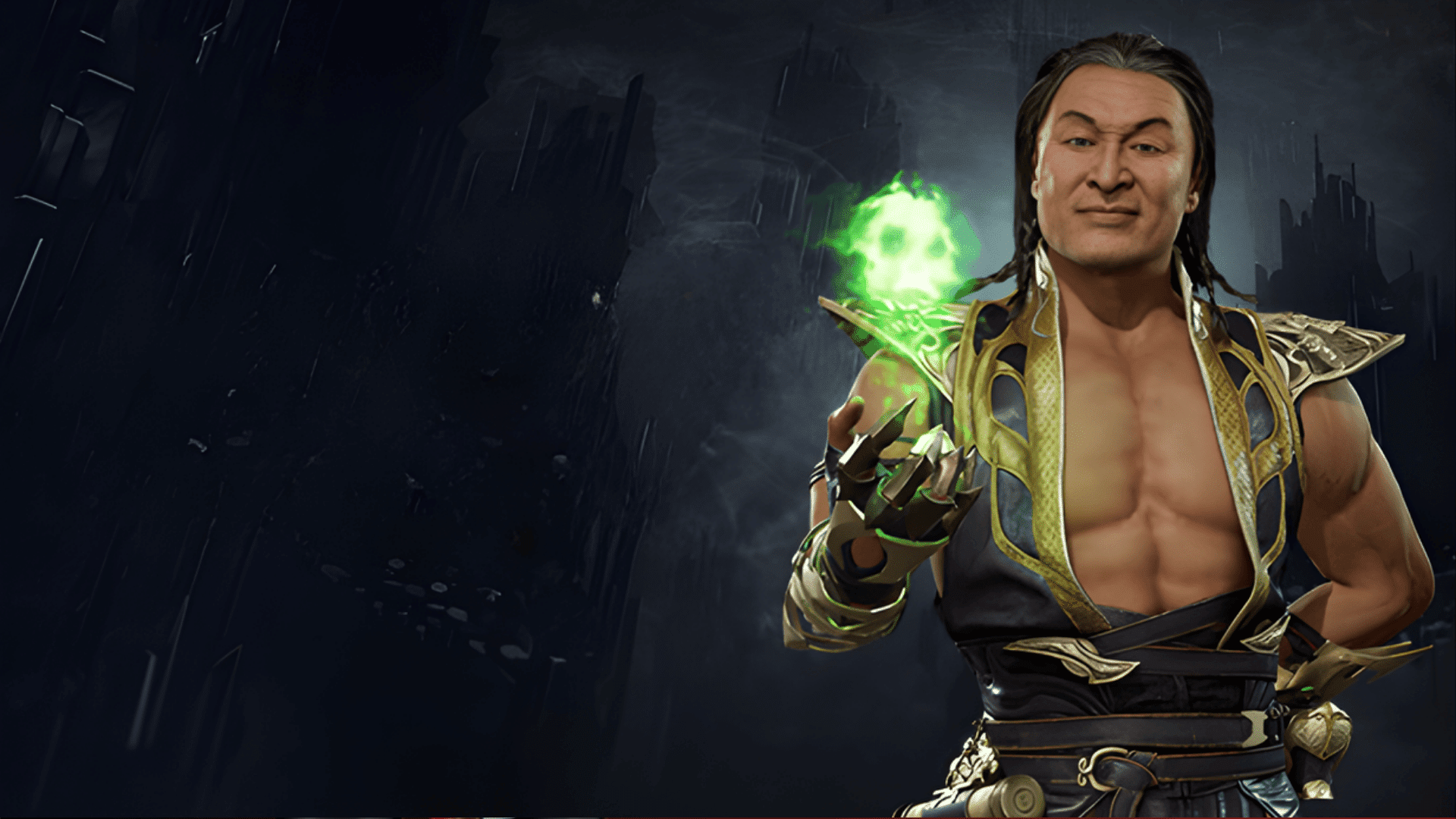
Shang Tsung has been a main villain since Mortal Kombat (1992), known for stealing souls and using deception to win. He can shapeshift into other fighters, making him a master of trickery and psychological pressure.
Shang Tsung’s vibe is smooth and dangerous like a liar who smiles while planning your downfall. He represents corruption through power: taking strength from others and twisting it into his own advantage.
64. Shao Kahn
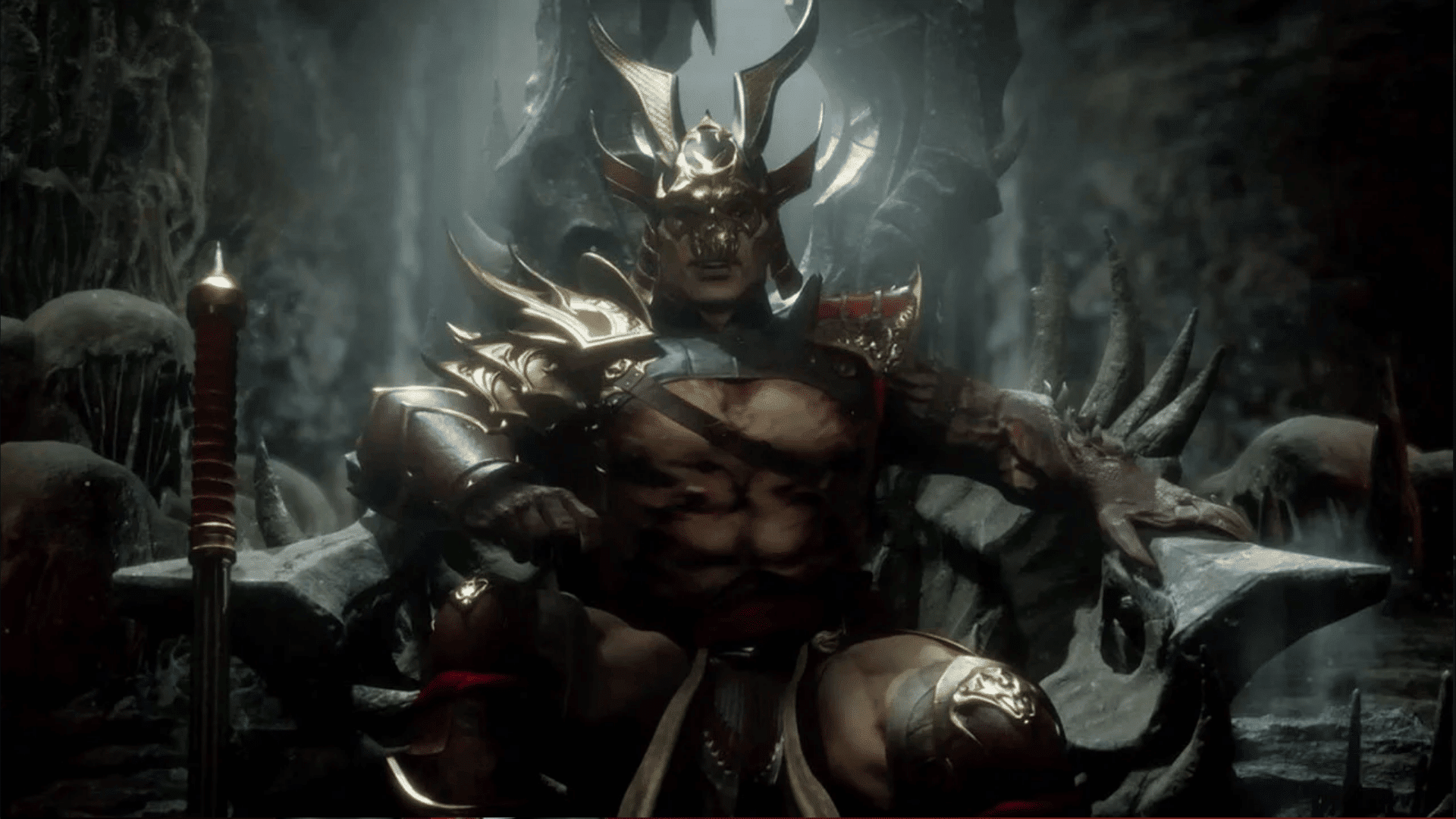
Shao Kahn rose as a top villain in Mortal Kombat II (1993), a conquering warlord determined to rule all realms.
He’s brutal, intimidating, and built like a final boss hammer, armor, and pure force. Shao Kahn’s vibe is domination: he doesn’t negotiate, he crushes.
He represents the threat of absolute power, where the villain’s goal is total control, and everyone else exists only to be conquered.
65. Sheeva
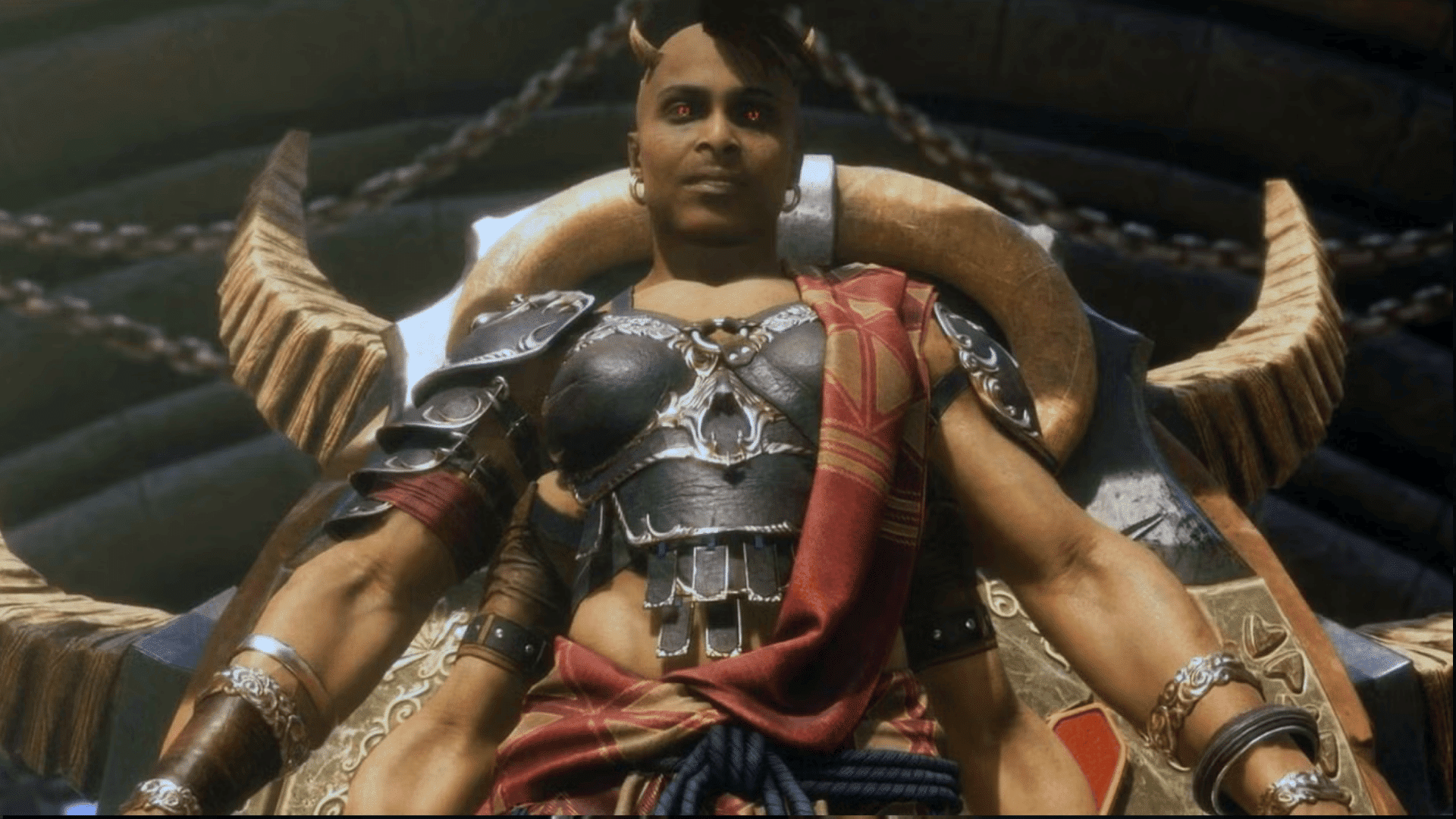
Sheeva debuted in Mortal Kombat 3 (1995) as a Shokan warrior tied to royal guard duty and war stories. With four arms and a powerhouse grappling style, she feels tough and direct, built to overpower opponents up close.
Sheeva’s vibe mixes strength with duty, often serving a cause larger than herself. She represents disciplined might: a warrior who doesn’t rely on tricks, just power, skill, and persistence.
66. Shinnok
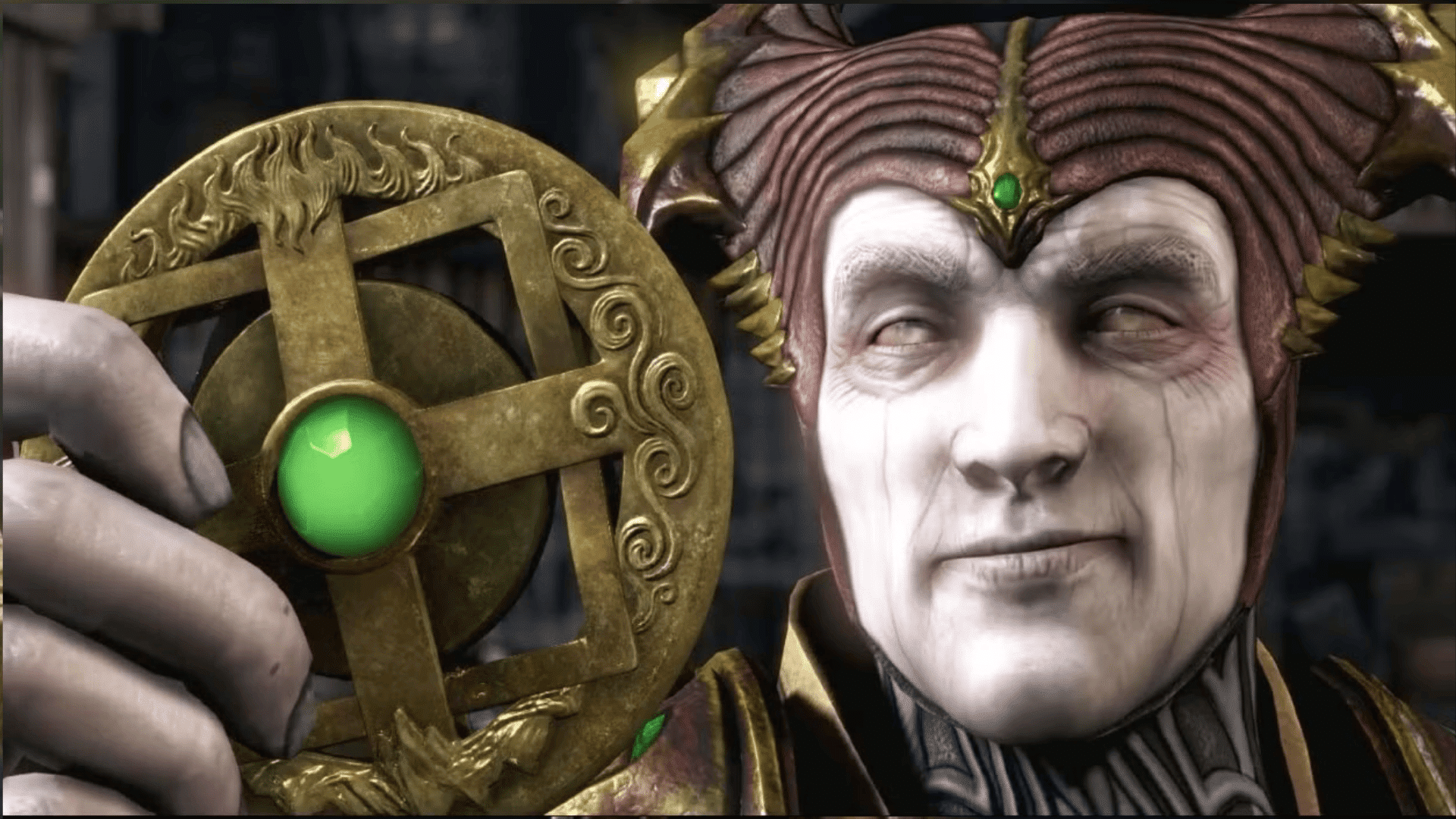
Introduced in Mortal Kombat 4 (1997), Shinnok is a fallen elder god villain tied to corruption, dark magic, and realm-threatening plans.
He represents “evil on a cosmic level,” manipulating events like a god who believes rules don’t apply to him.
Shinnok’s vibe is arrogant and poisonous, spreading decay into everything he touches. He’s the kind of villain who wants to break the balance of reality, not just win a fight.
67. Shujinko
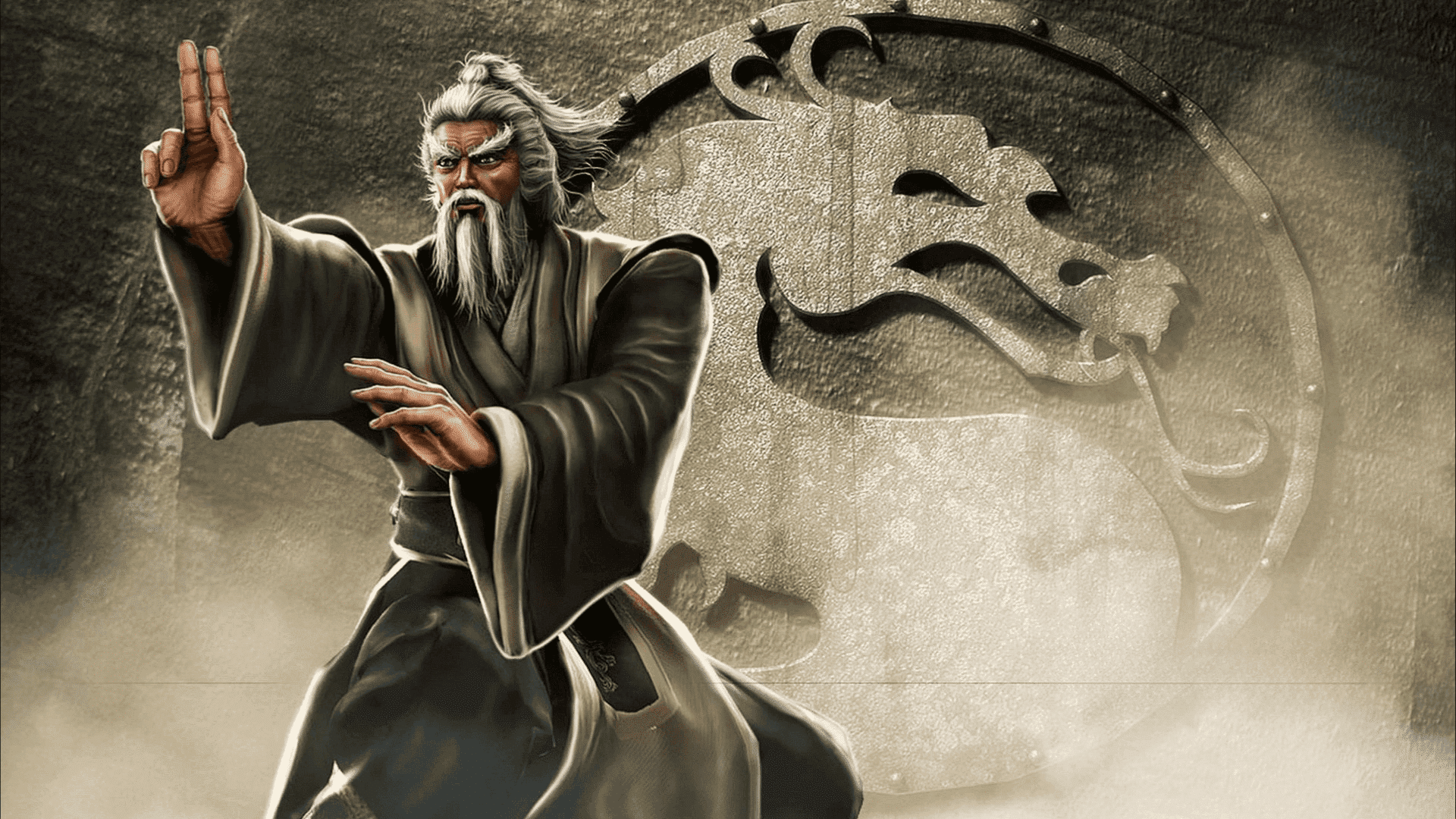
Shujinko stars in Mortal Kombat: Deception (2004) as a long-journey hero drawn into a massive deception plot. His story follows years of training and travel, as he learns from many sources and adapts as he grows older.
Shujinko’s vibe is determined and human, someone who keeps going even when used by bigger powers. He represents the idea that experience can be a weapon, but also a risk when trust is misplaced.
68. Sindel
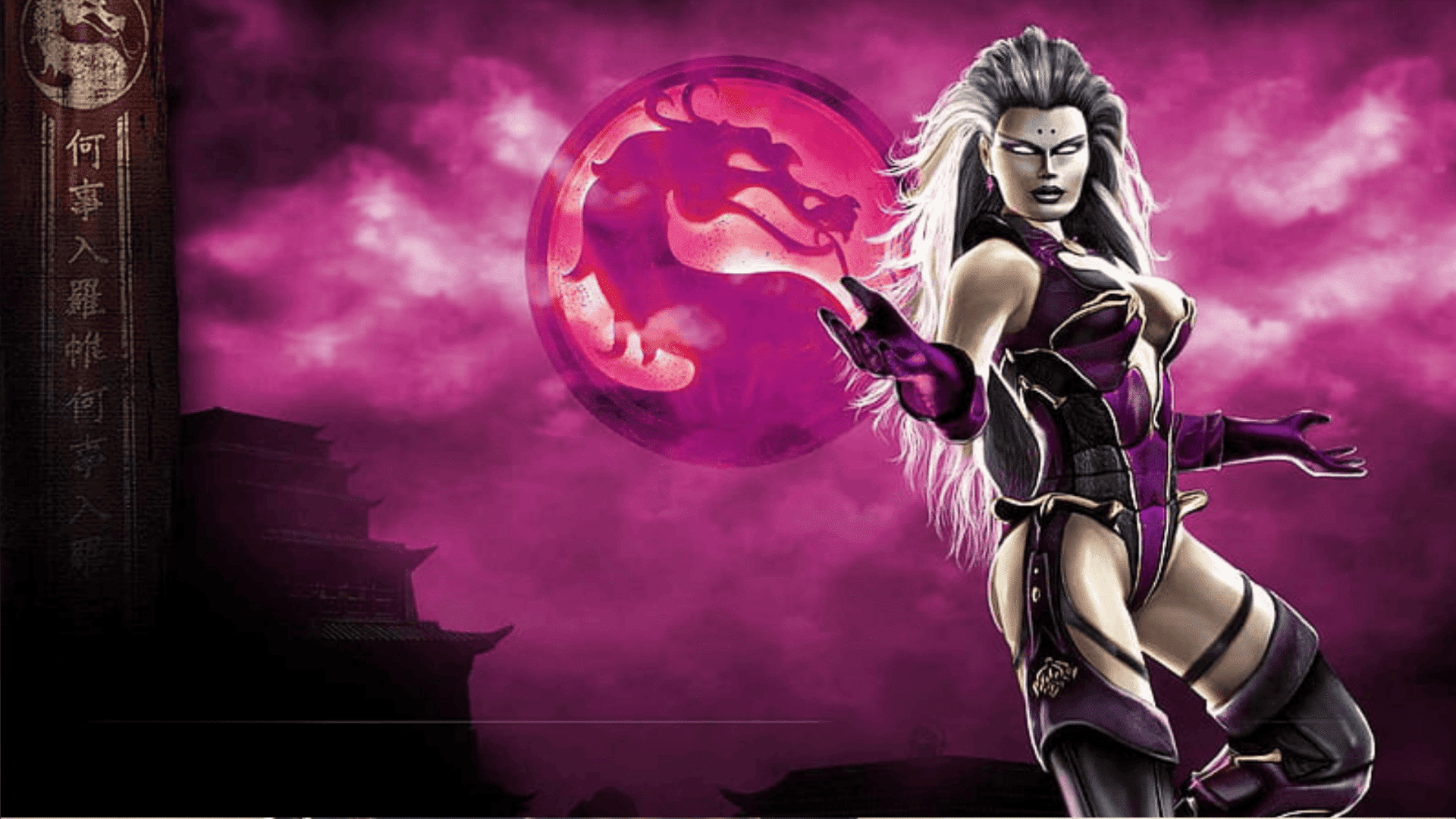
Sindel first appeared in Mortal Kombat 3 (1995) as a queen figure tied to royal family drama, power struggles, and major story twists.
She’s famous for her sonic scream and hair-based attacks, combining regal style with terrifying force. Sindel’s vibe is commanding and dangerous like royalty with sharp claws.
She represents how power and influence can become a weapon, especially when family and politics turn into war.
69. Skarlet
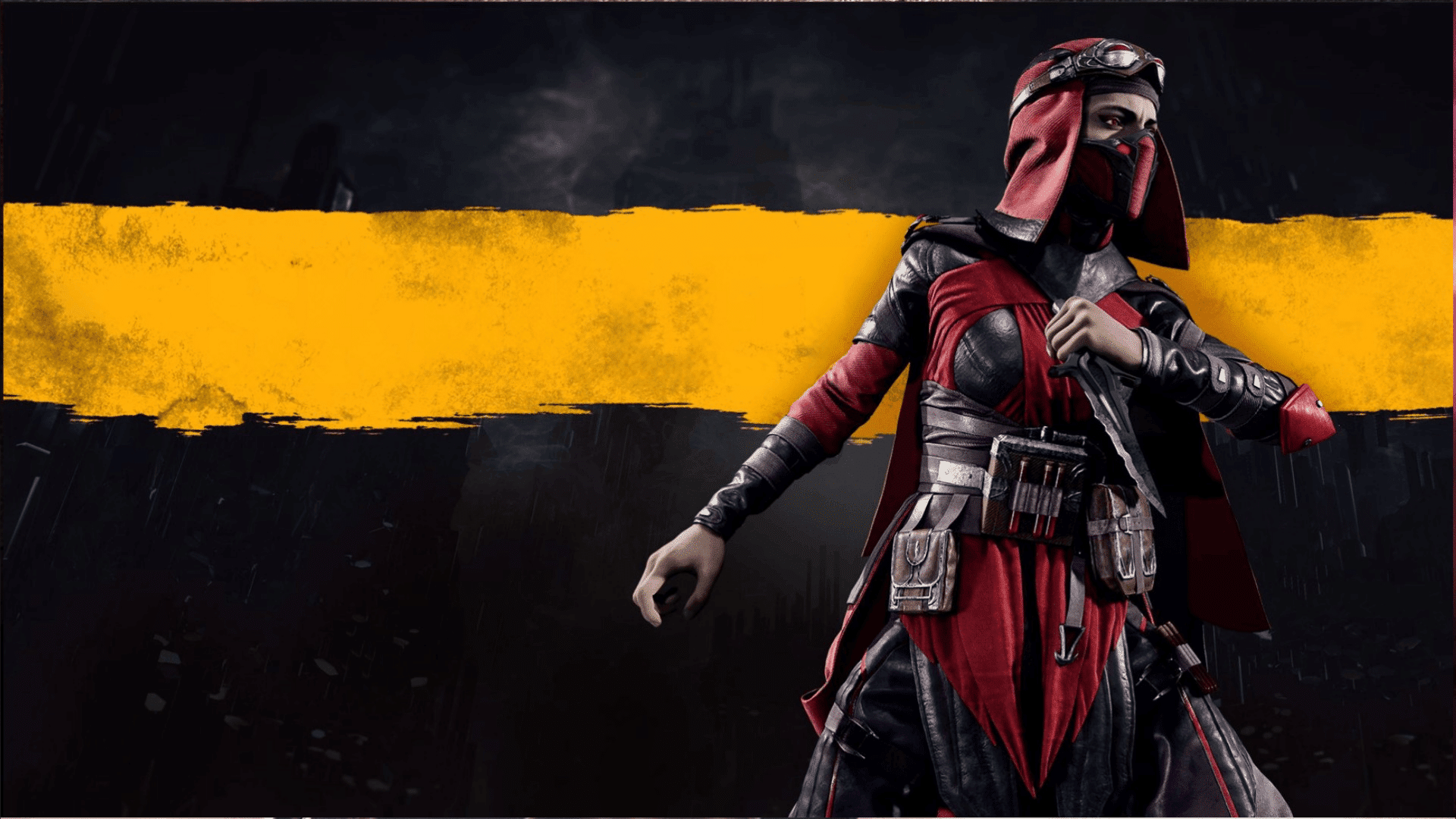
Added in Mortal Kombat (2011), Skarlet is a blood-magic assassin who brought a fresh, deadly theme to the modern era.
She uses blood control for sharp, precise pressure and attacks, giving her a ruthless, surgical vibe. Skarlet’s energy is focused and lethal, less chaos, more controlled violence.
She represents a warrior built for assassination: quick, dangerous, and tied to a creepy magic style that feels both powerful and unsettling.
70. Smoke
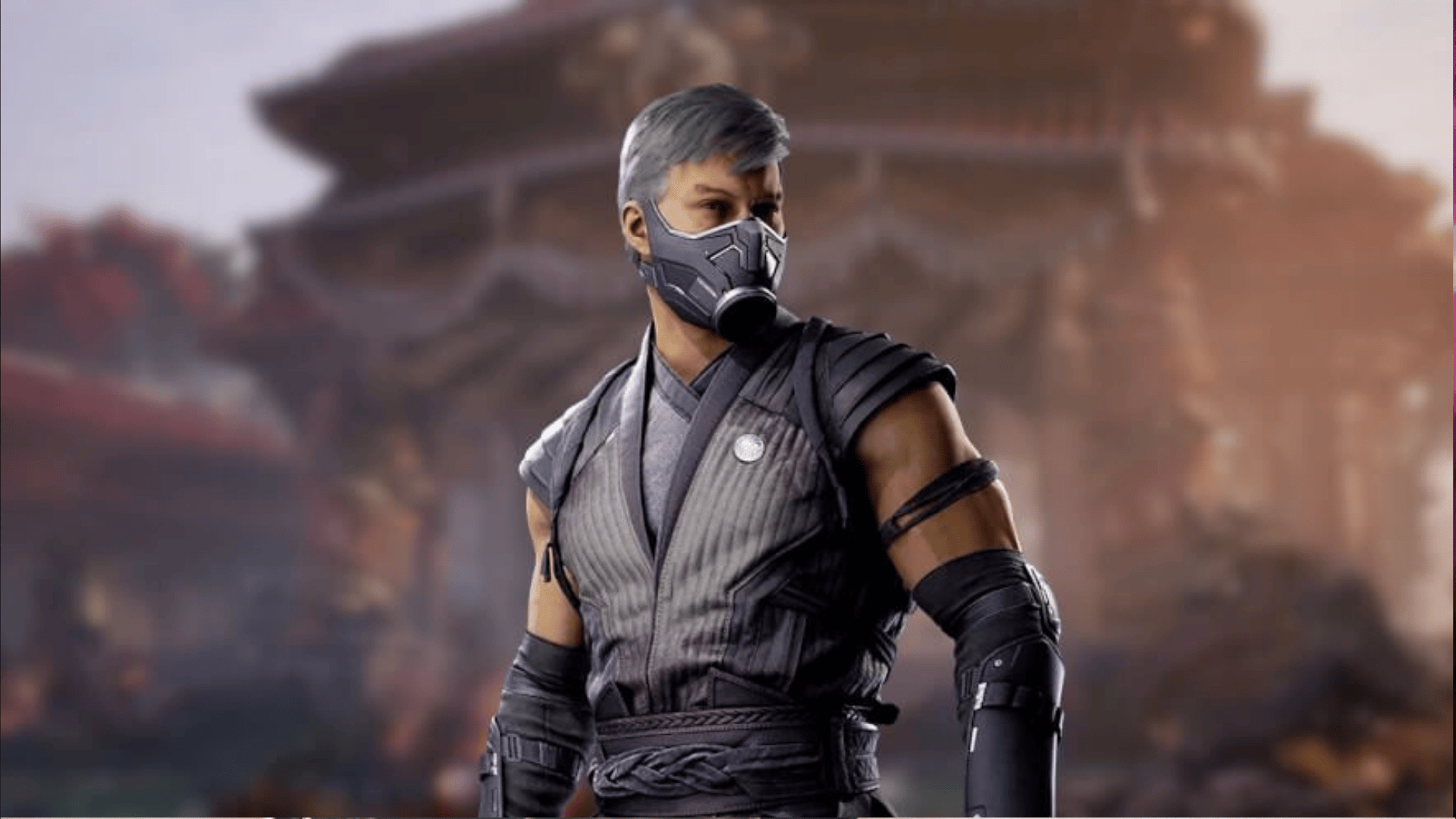
Smoke debuted in Mortal Kombat II (1993) as a ninja tied to Lin Kuei stories, with human and cyber versions depending on the era.
He’s linked to stealth, mystery, and a lighter, slippery fighting energy compared to heavier brutes.
Smoke’s vibe is quiet and cool like the “mystery ninja” who appears from nowhere. He represents hidden identity, shifting loyalty, and the struggle between humanity and machine.
71. Sonya Blade
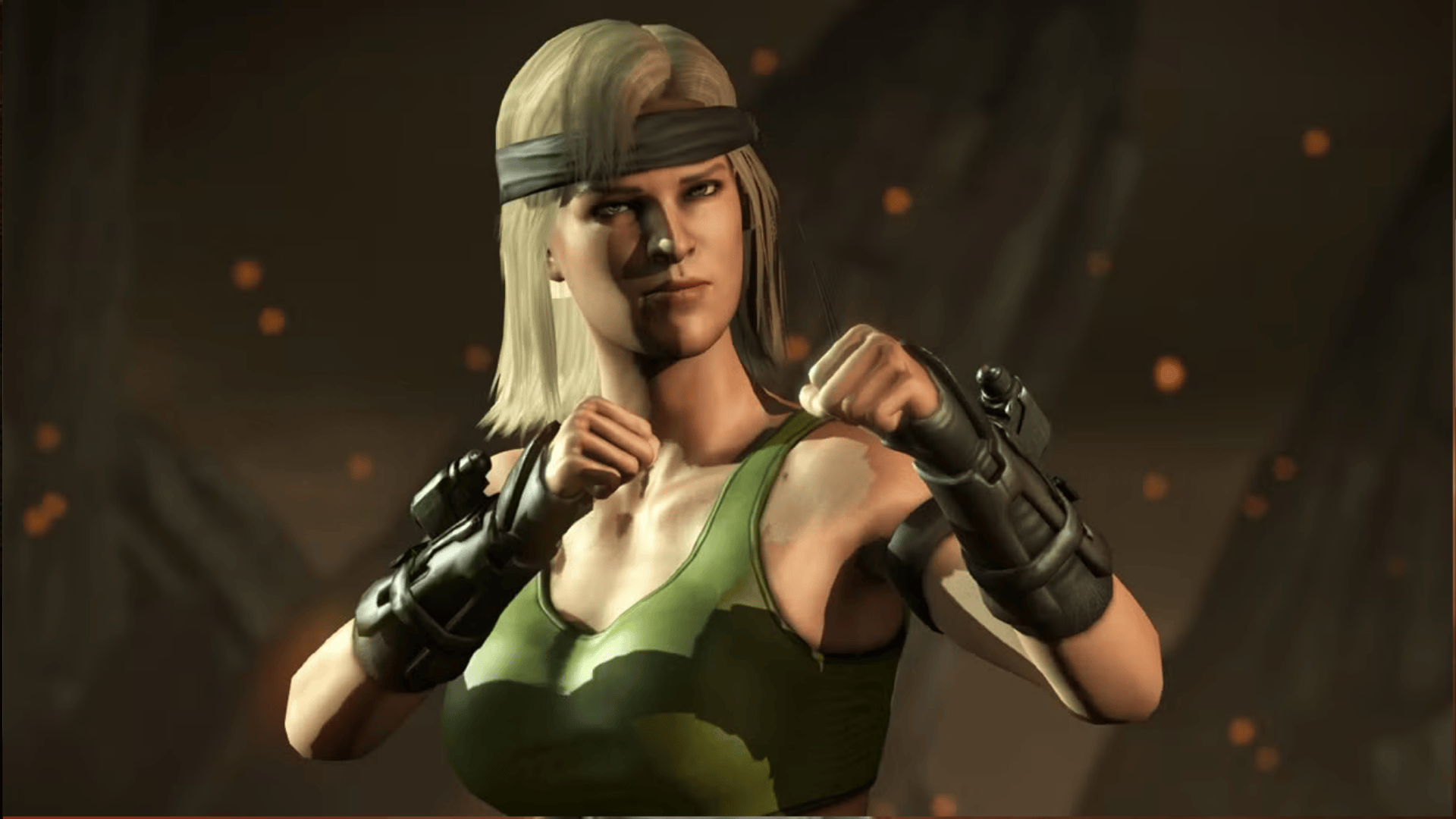
Sonya has been part of MK since Mortal Kombat (1992) as a Special Forces hero and one of Earthrealm’s toughest leaders. She’s fearless, disciplined, and tactical, often fighting with a mix of strikes and military precision.
Sonya’s vibe is no-nonsense strength; she doesn’t need magic to be dangerous. She represents the “human hero” who stands beside gods and monsters through training, grit, and leadership.
72. Stryker
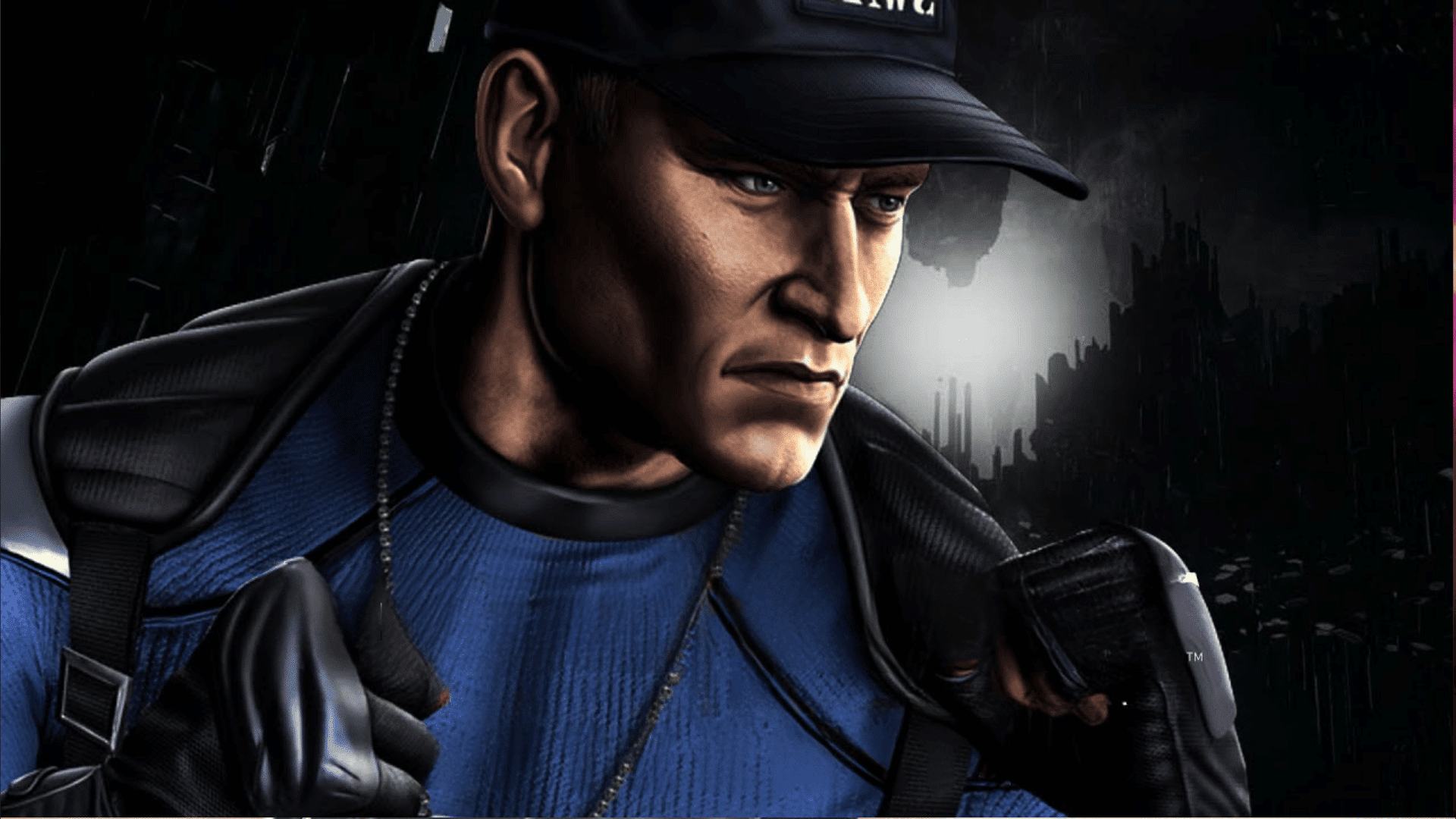
Stryker debuted in Mortal Kombat 3 (1995) as a regular cop pulled into supernatural wars way above his pay grade.
He uses weapons and practical tactics, making him feel grounded compared to sorcerers and ninjas. Stryker’s vibe is “everyday her,o” brave, determined, and surprisingly tough.
He represents the idea that you don’t need special powers to fight for what’s right, even when the enemy is impossible.
73. Takeda Takahashi
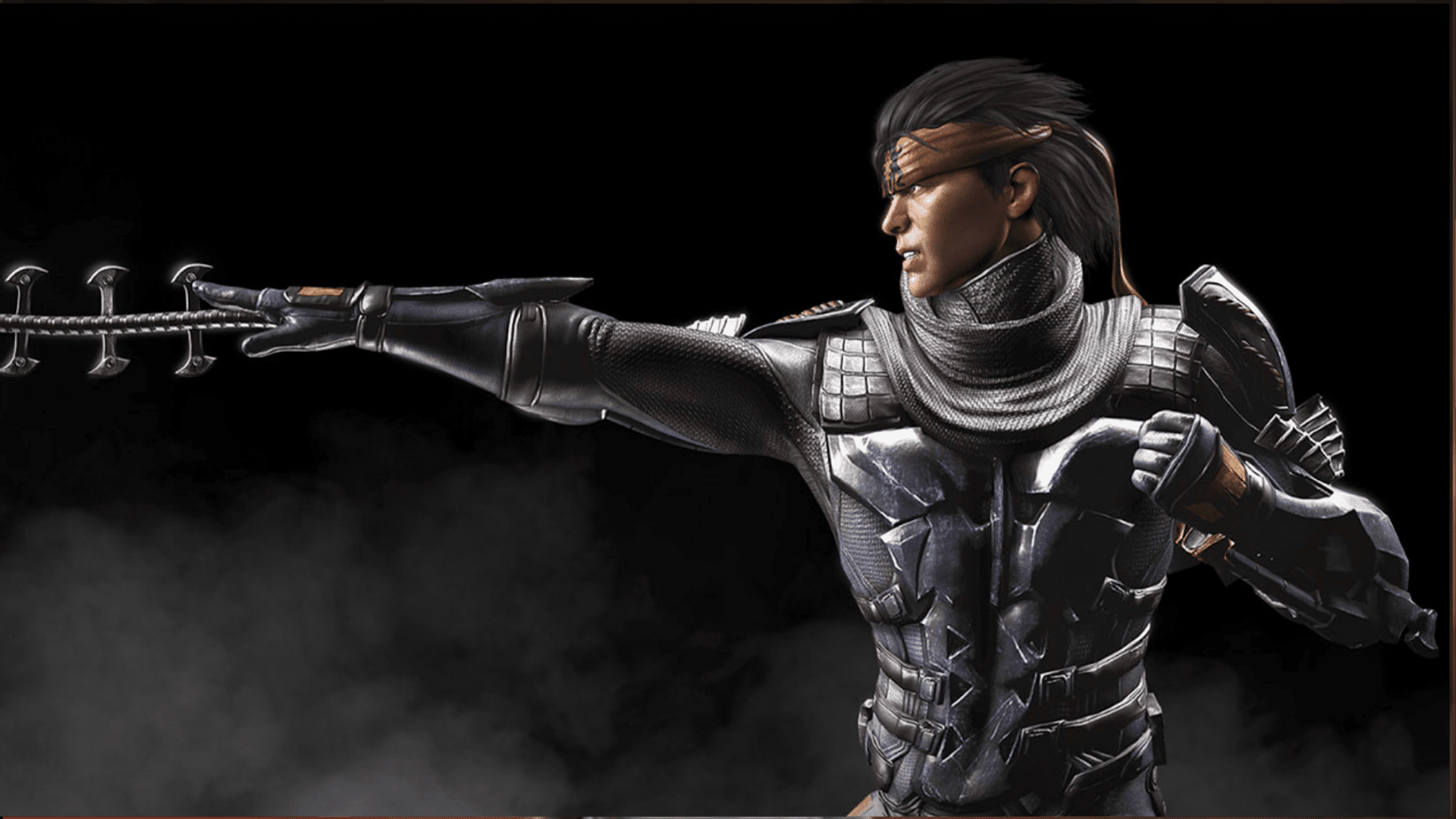
Takeda joined Mortal Kombat X (2015) as a next-gen warrior trained by mentors and tied strongly to legacy arcs. His fighting style uses whip-like blades and sharp, controlled movement, making him feel technical and skilled.
Takeda’s vibe is focused growth, someone shaped by training and purpose. He represents the new generation stepping up: respectful of the past, but strong enough to build their own identity.
74. Tanya
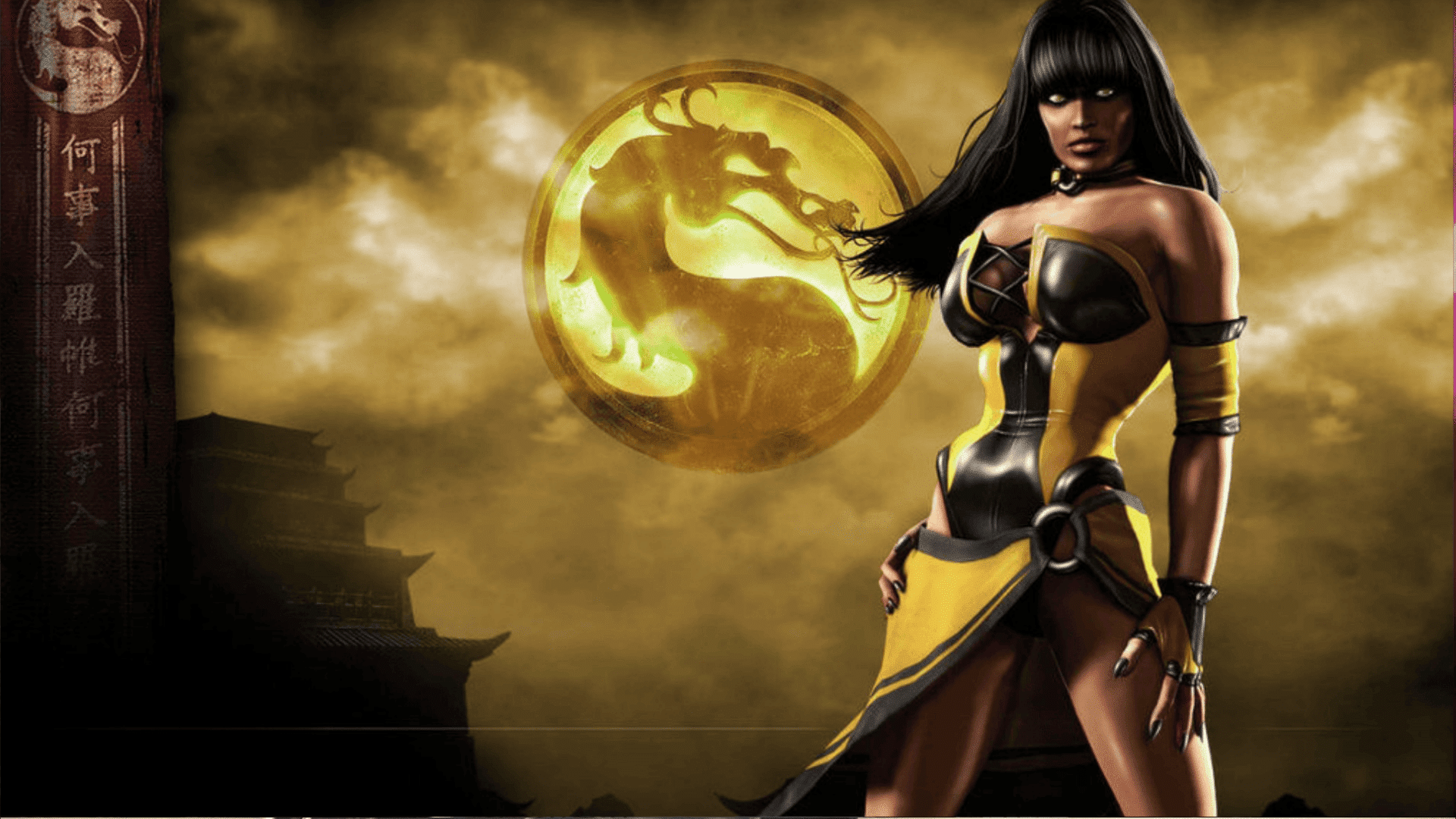
Tanya debuted in Mortal Kombat 4 (1997) as an Edenian fighter known for shifting alliances and a reputation for betrayal.
She’s agile and clever, often choosing the side that benefits her most. Tanya’s vibe is sharp and strategic, more brains than brute force. She represents mistrust in politics: the character who can smile, promise loyalty, and then flip the moment it serves her goals.
75. Taven
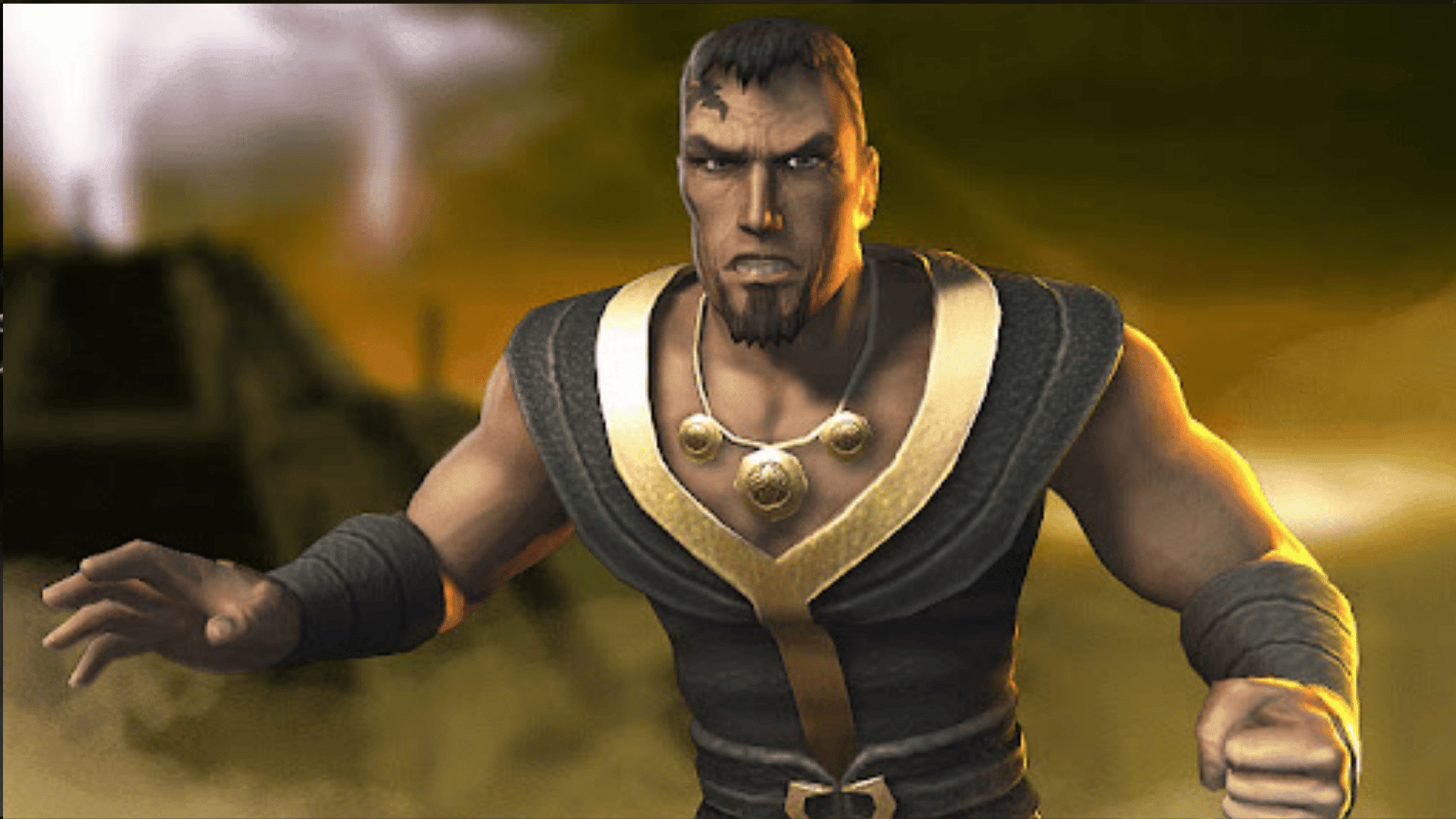
Taven appears in Mortal Kombat: Armageddon (2006) as a prophecy-linked hero trying to stop the events leading to Armageddon.
His story is destiny-driven, with a “chosen warrior” role and strong all-around fighter energy. Taven’s vibe is steady and heroic, less weird gimmick, more classic hero build. He represents duty and fate: someone pushed into a huge responsibility because the future depends on his actions.
76. Tremor
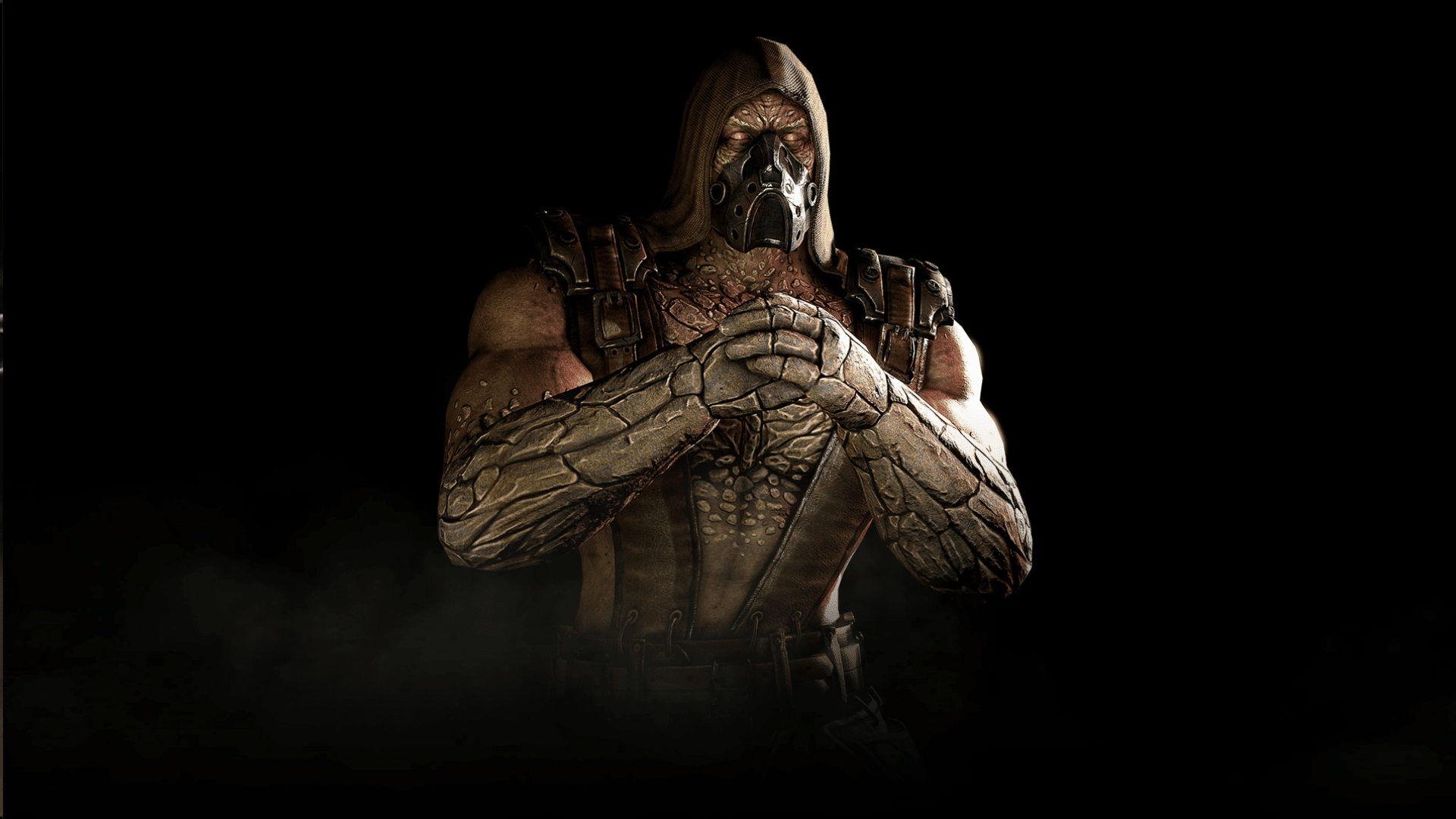
Tremor appears in Mortal Kombat: Special Forces (2000) and later becomes known as an earth-themed fighter tied to criminal faction stories.
He uses rock and ground-based power ideas, giving him a heavy, tough brawler feel. Tremor’s vibe is stubborn strength, slow but crushing, like the ground itself.
He represents the brute with elemental force: a fighter who can overpower others through raw durability and earth-shaking hits.
77. Tasia
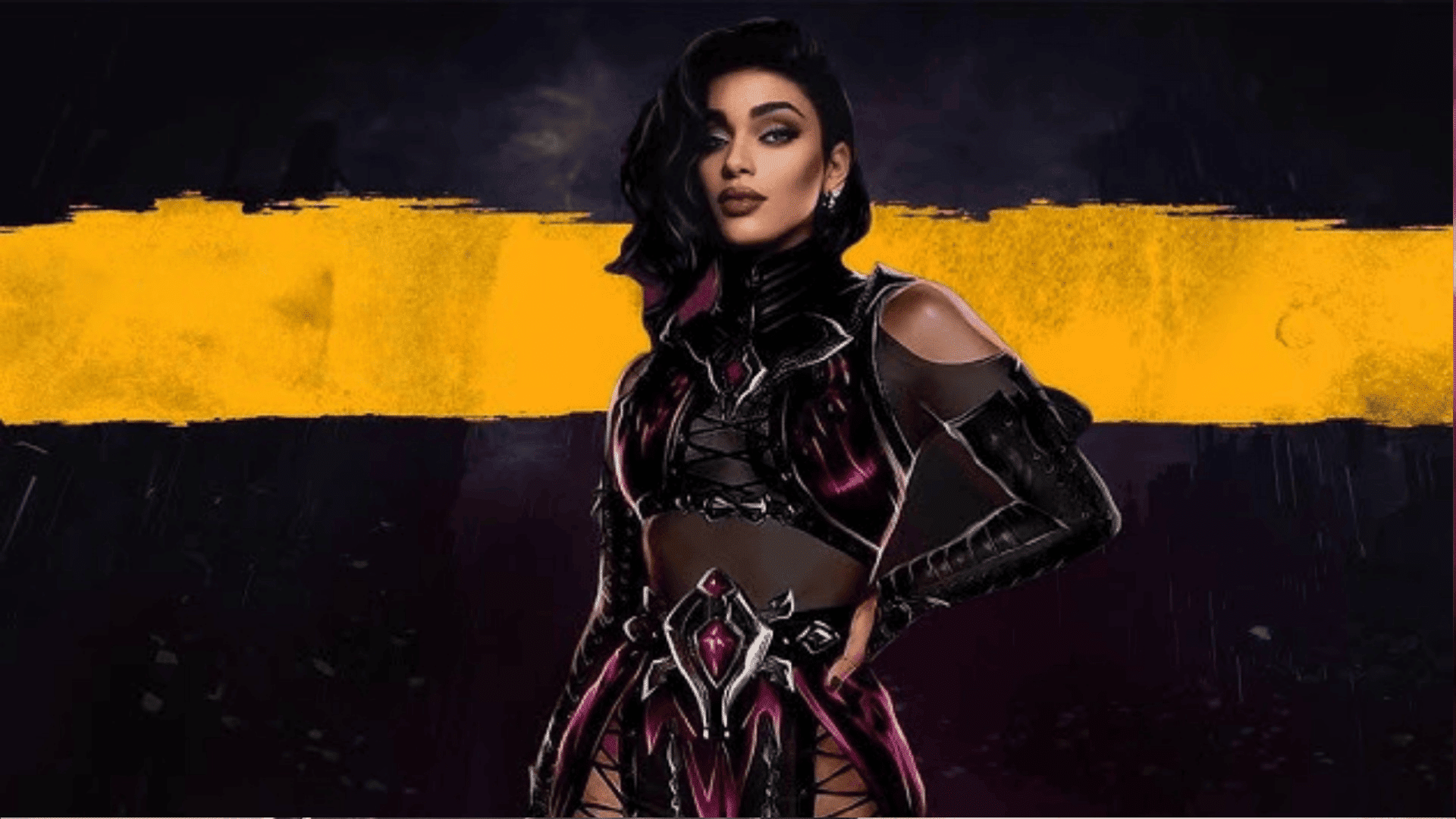
Introduced in Mortal Kombat: Special Forces (2000), Tasia is a Black Dragon operative from that era’s storyline. She’s connected to criminal missions and faction-based conflict rather than realm gods and prophecy.
Tasia’s vibe is agile and dangerous, more spy/operative energy than monster strength. While she’s less mainstream than core fighters, her concept fits the “criminal world” side of MK, adding variety beyond sorcery and ninjas.
78. Triborg
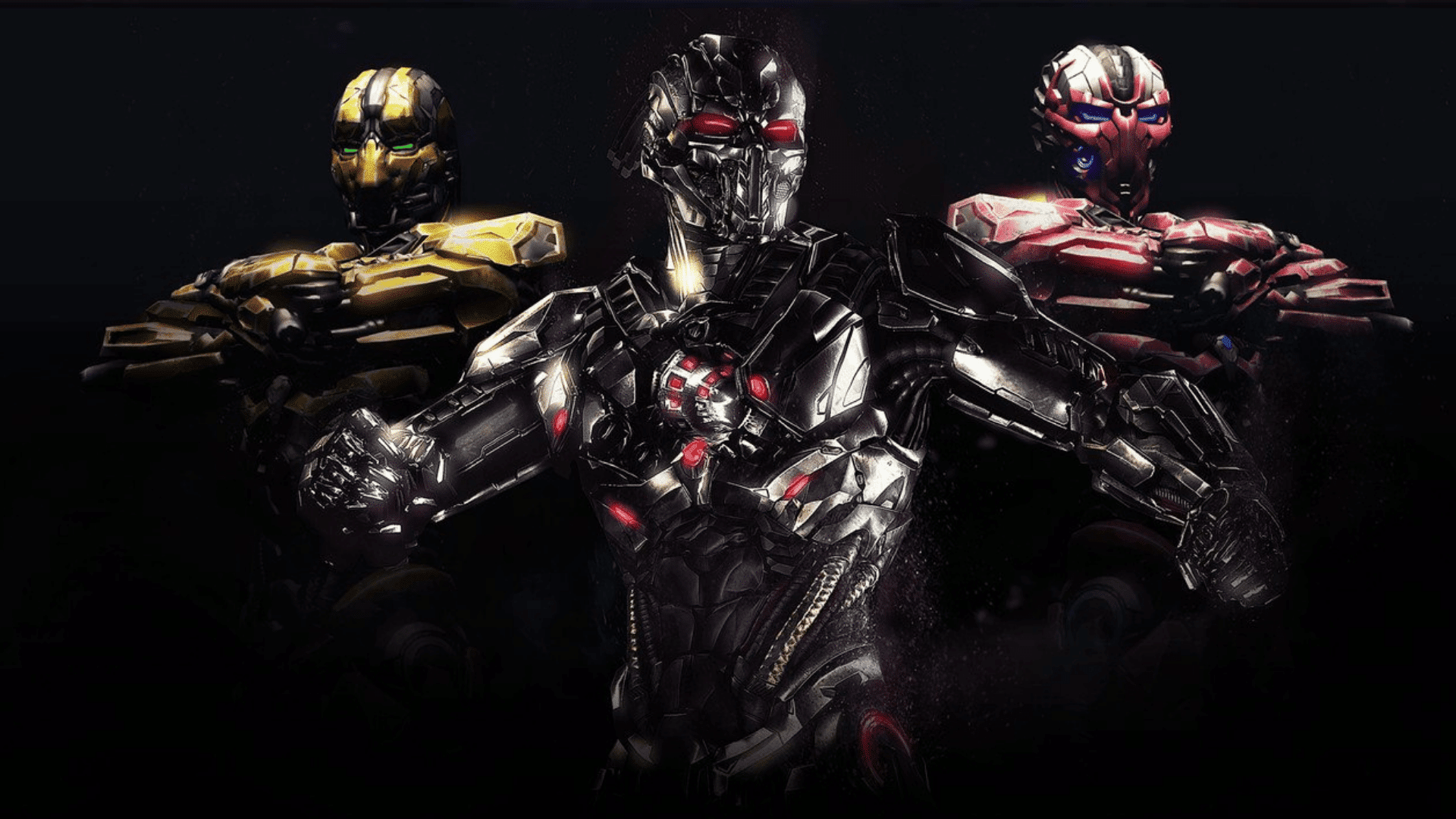
Triborg debuted in Mortal Kombat X (2015) as a cyber-ninja unit, designed as a tribute and combination of the cyber Lin Kuei.
It pulls together styles linked to characters like Sektor, Cyrax, and Smoke, making it feel modular and tech-heavy.
Triborg’s vibe is machine efficiency, cold, powerful, and built for combat. It represents the idea of ninja identity turned into a product: engineered, replaceable, and deadly.
79. Wu Lae
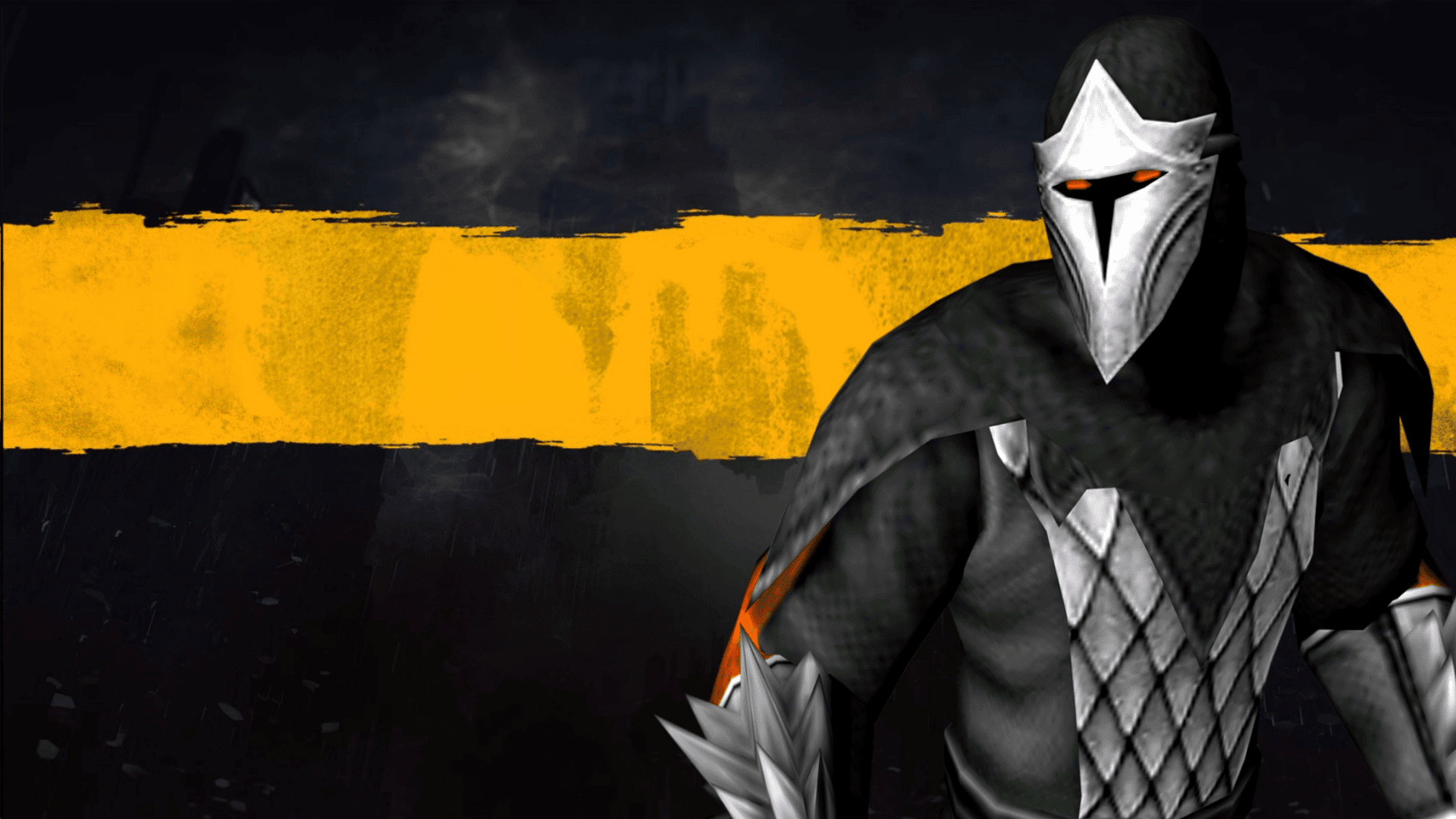
Wu Lae first appeared in Mortal Kombat: Armageddon (2006) as the leader of the Tengu clan in Konquest mode.
He isn’t a mainline roster staple but stands out in ninja conflict stories. Wu Lae’s vibe is stealthy leadership, commanding a rival clan with scythes and orange energy as a shadowy threat.
80. Wonder Woman
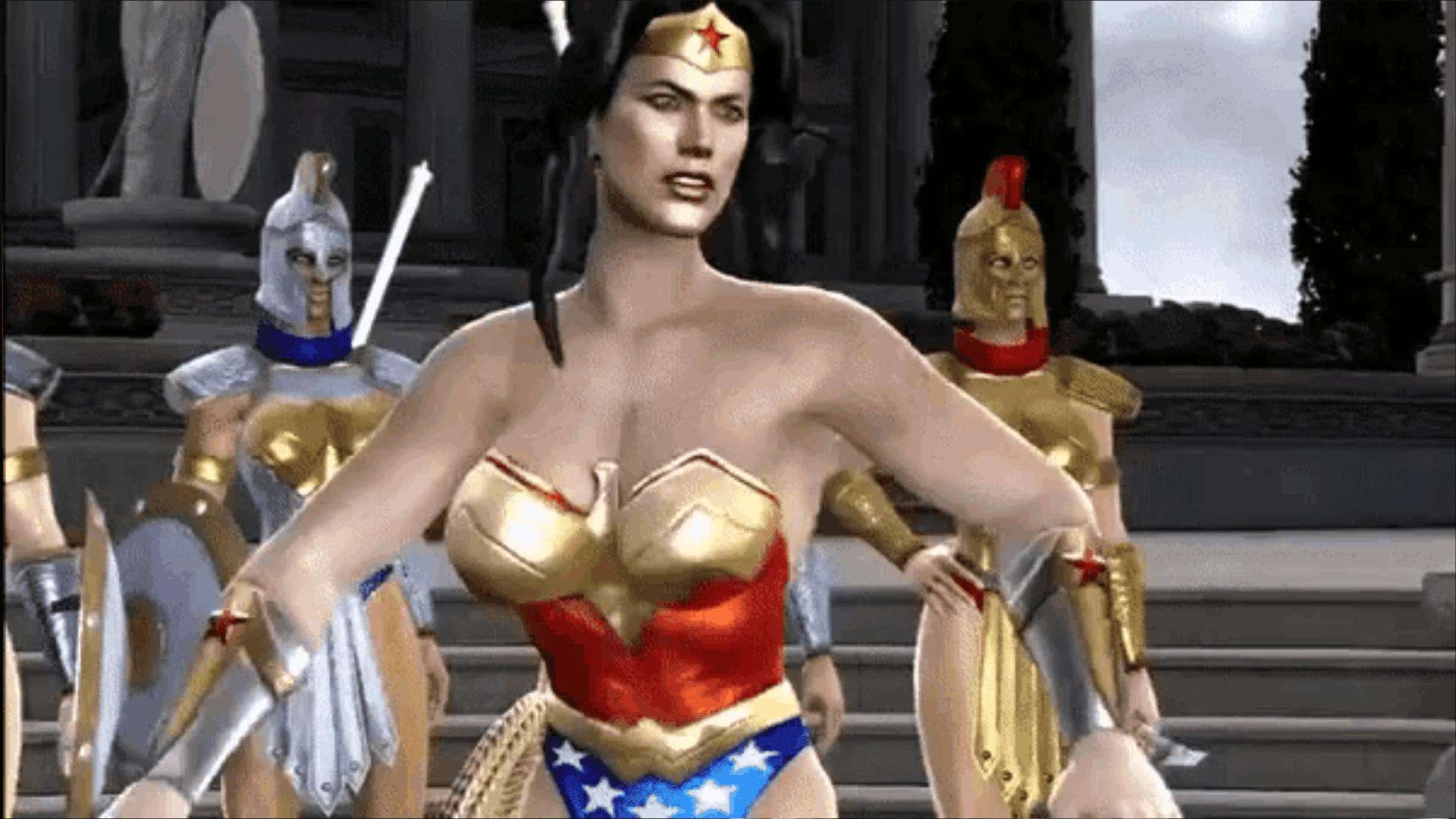
Appearing in Mortal Kombat vs. DC Universe (2008), Wonder Woman is a DC crossover fighter brought into MK’s world for that special clash. She’s an Amazon warrior known for strength, skill, and fearless combat.
Her vibe is disciplined, heroic, powerful, confident, but serious, trained for war and honor. In gameplay terms, she fits a strong melee fighter idea, mixing athletic strikes with warrior energy that can stand toe-to-toe with monsters.
81. Zatanna
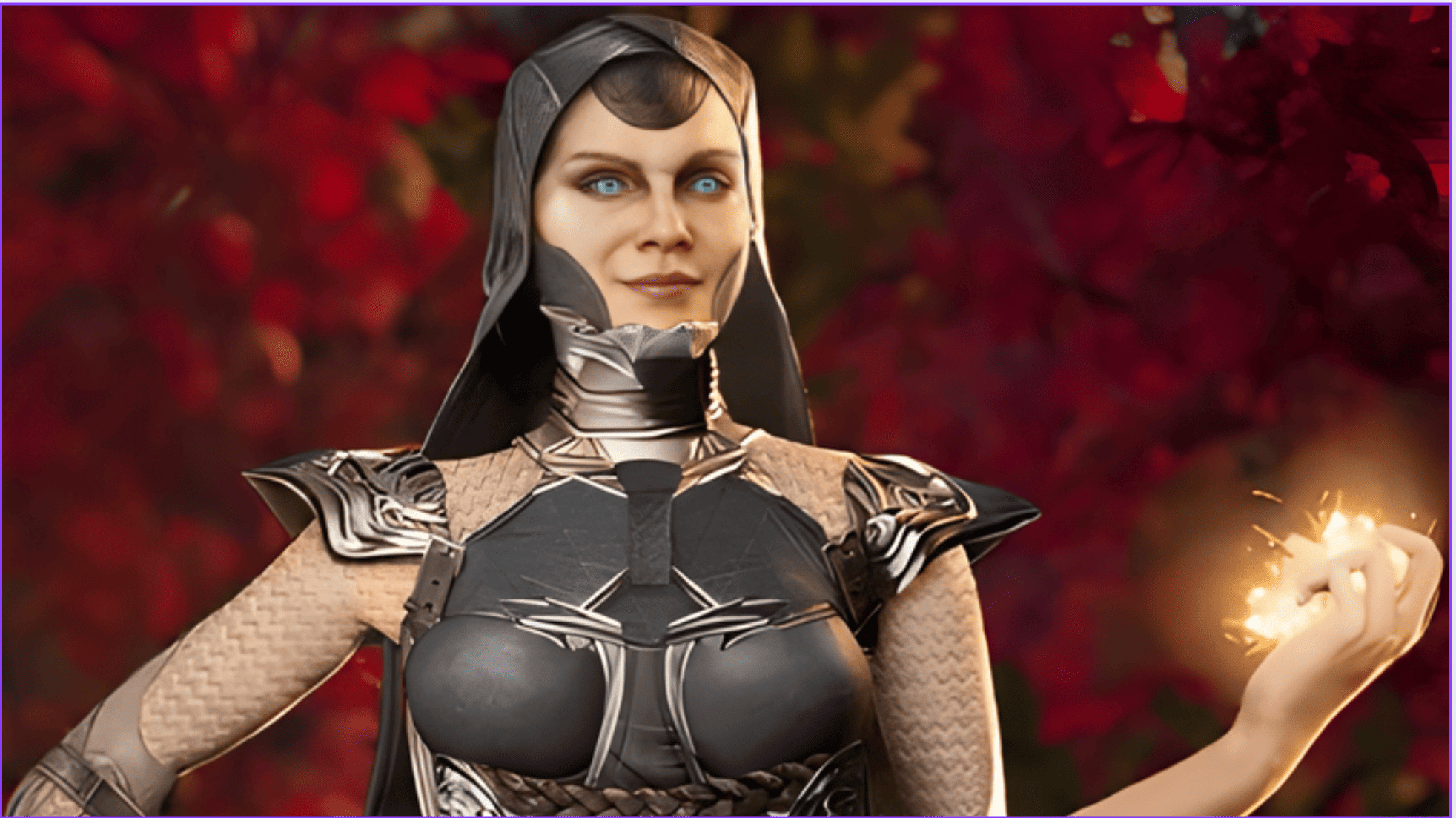
Zatanna appears in Mortal Kombat vs. DC Universe (2008) as a DC crossover fighter with a stage-magic themed spellcasting style. She mixes showmanship with real mystical power, making her feel like a performer who can still be a serious threat.
Zatanna’s vibe is clever and magical, using unusual spells and tricks to control fights. She represents the “mystic entertainer” archetype: charming on the surface, powerful underneath.
Bringing It All Together
Mortal Kombat isn’t just a fighting game series; it’s a whole universe filled with rival clans, realm wars, powerful gods, deadly royals, and some of the most memorable villains in gaming.
That’s why a complete list of Mortal Kombat characters can feel overwhelming, especially when names repeat across timelines or when older characters return in new versions.
Having everything in one place makes a big difference. This A–Z, games-only list is built to be easy to use for reference or research.
You can quickly find a character, see when they first appeared, and get a fast reminder of who they are and what they’re known for their role in the story, their abilities, and the vibe they bring to the roster.
It’s helpful whether you’re writing, building a wiki-style guide, comparing characters across games, or simply trying to remember where someone fits in.
Frequently Asked Questions
Is Mortal Kombat Suitable for Kids?
Mortal Kombat is rated for mature audiences due to violence and gore. It’s generally recommended for older teens and adults.
Can You Play Mortal Kombat Online with Friends?
Yes. Most recent Mortal Kombat games support online multiplayer, allowing players to fight friends or other players around the world.
Why Does Mortal Kombat Have Different Timelines?
The series uses timeline resets and reboots to refresh the story, bring back characters, and explore “what if” scenarios without being locked into a single version of events.