


The Battlefield series has played a major role in shaping large-scale shooter games for many years.
With releases spread across different eras, platforms, and gameplay styles, keeping track of the full series can feel confusing. That is where a clear look at all Battlefield games in order becomes useful.
Seeing the games by release date helps readers understand how combat systems evolved, how graphics improved, and how multiplayer ideas changed over time.
From early historical battles to modern and future settings, each title reflects the gaming trends of its period.
This clear timeline makes it easier to follow the growth of the franchise and understand how Battlefield became known for massive maps, teamwork, and vehicle combat.
Why Release Order Matters?
The Battlefield games do not follow one single story, but the release order still matters a lot. Playing Battlefield in order helps you see how the series has grown over time.
You can see how graphics improve, maps expand, and gameplay mechanics change with each new release.
Some readers use the release order to explore the history of multiplayer shooters, while others follow it to decide which games to play first. Content creators and longtime fans also use this order for reviews or retrospectives.
It is also helpful to know the difference between the main Battlefield titles and spin-offs or online-only games, since they offer very different experiences in gameplay, scale, and overall focus.
All Battlefield Games in Order
Each title shows how the series evolved over time, from early large-scale battles to more advanced combat mechanics.
Listing Battlefield in order makes it easier to track gameplay growth, setting changes, and platform support as the franchise expanded across PC and consoles.
1. Battlefield 1942 (2002)
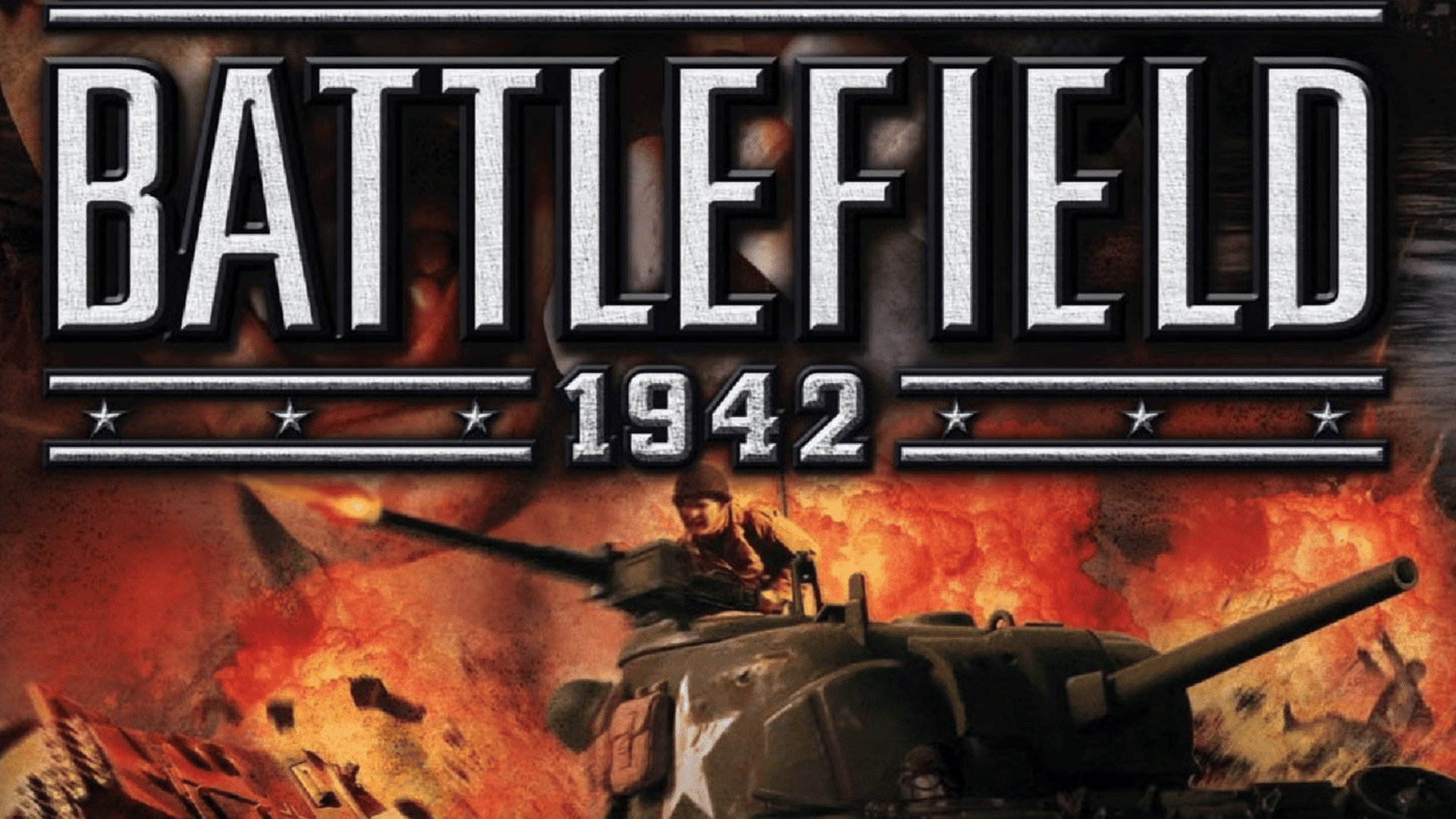
Battlefield 1942 introduced large multiplayer battles set during World War II. Players could choose different soldier roles and use tanks, planes, and ships across open maps.
The game focused heavily on team-based combat and vehicle warfare, which was rare at the time. Its multiplayer mode and mod support helped build a strong community and set the core style for future Battlefield games.
- Release Date: September 10, 2002
- Primary Platforms: Windows, Mac OS X
2. Battlefield Vietnam (2004)
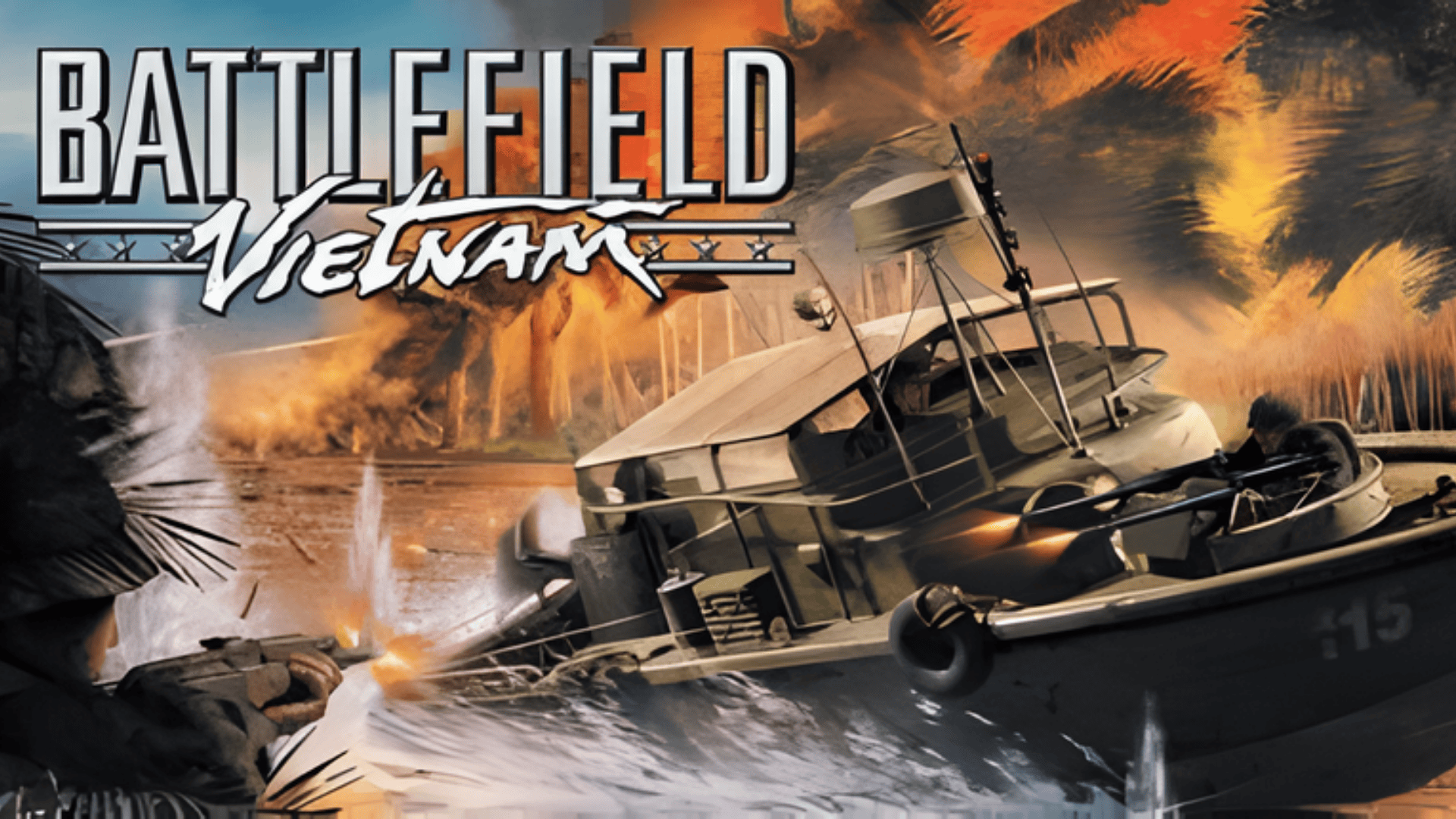
Battlefield Vietnam shifted the series to the Vietnam War, bringing jungle maps, helicopters, and era-based weapons. It added features like firing weapons from vehicles and improved map tools for players.
The game also stood out for its licensed music from the 1960s, which played during matches. These changes gave the gameplay a different pace while keeping the large-scale battles fans expected.
- Release Date: March 14, 2004
- Primary Platforms: Windows
3. Battlefield 2 (2005)
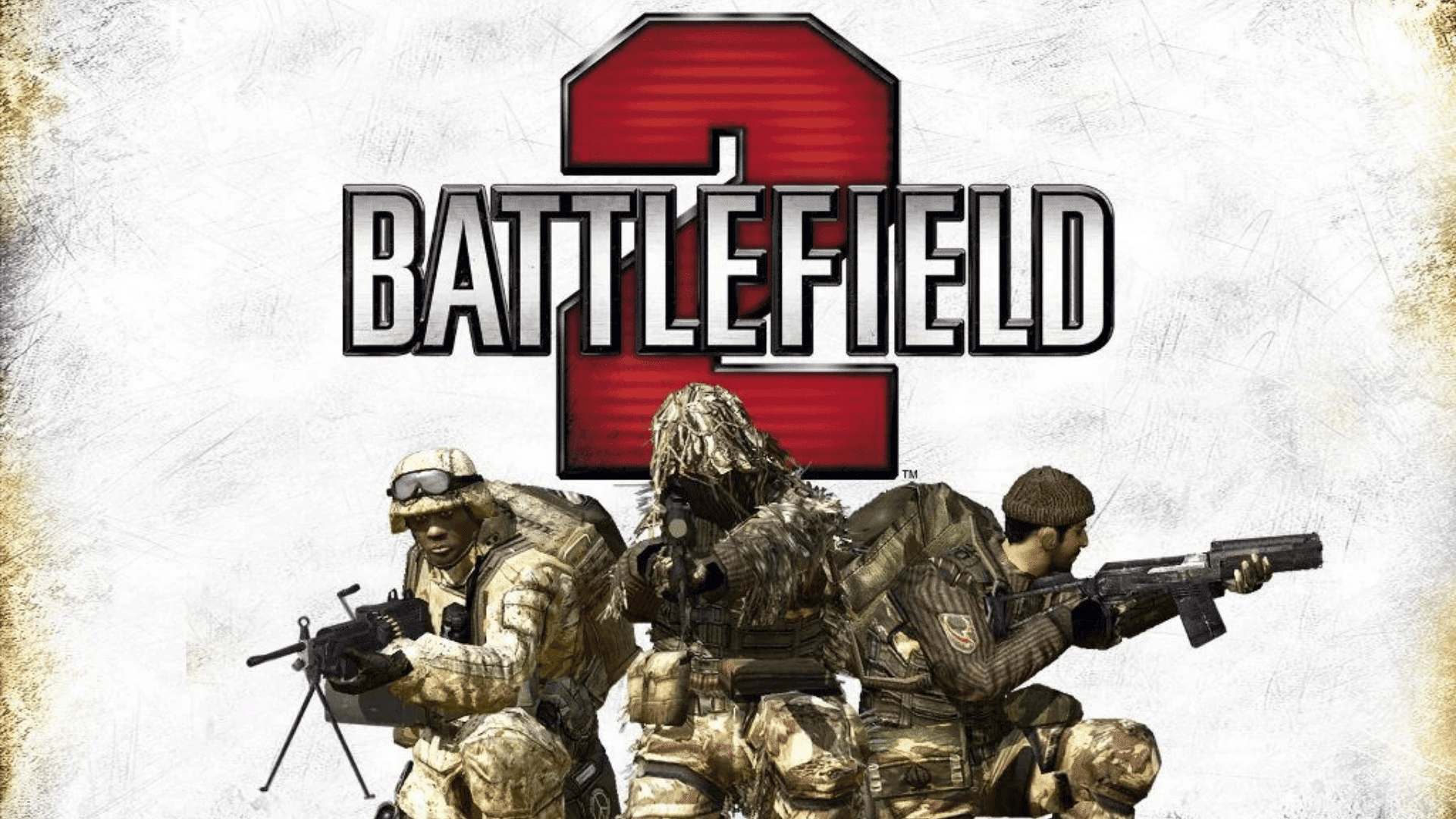
Battlefield 2 moved the series into modern warfare, featuring fictional conflicts among global military forces. It introduced squads, commander roles, and a ranking system that rewarded teamwork. These features made multiplayer matches more strategic and organized.
The game became one of the most popular Battlefield titles and helped define the series as a competitive online shooter with a strong focus on cooperation and large maps.
- Release Date: June 21, 2005
- Primary Platforms: Windows
4. Battlefield 2: Modern Combat (2005)
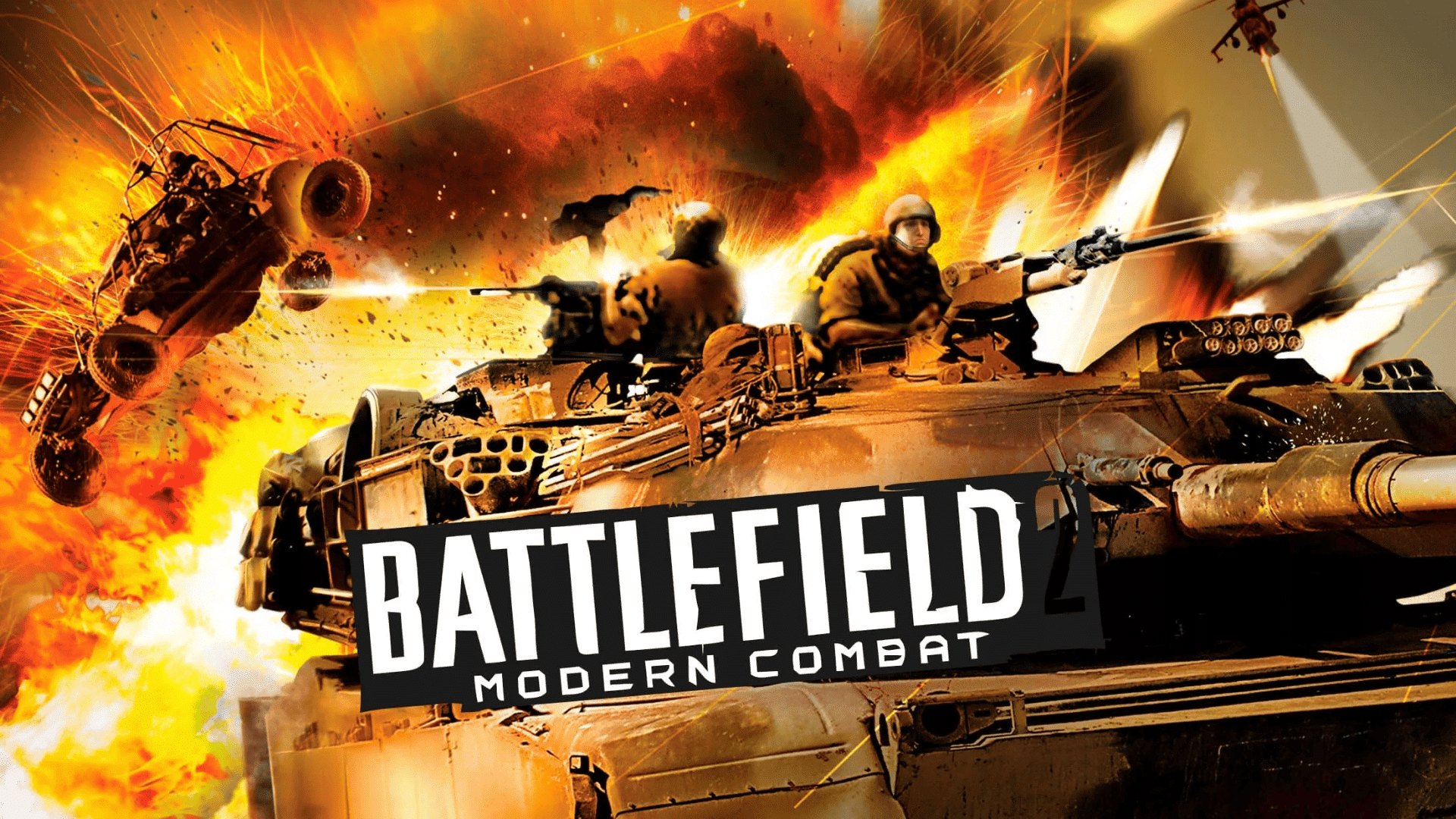
Battlefield 2: Modern Combat was designed mainly for consoles and offered a stronger single-player focus. It shared the modern setting of Battlefield 2 but used smaller maps and controls suited for console play.
The game also included multiplayer modes for console users. This release helped bring the Battlefield experience to a wider audience beyond PC players.
- Release Date: October 24, 2005
- Primary Platforms: PlayStation 2, Xbox, Xbox 360
5. Battlefield 2142 (2006)
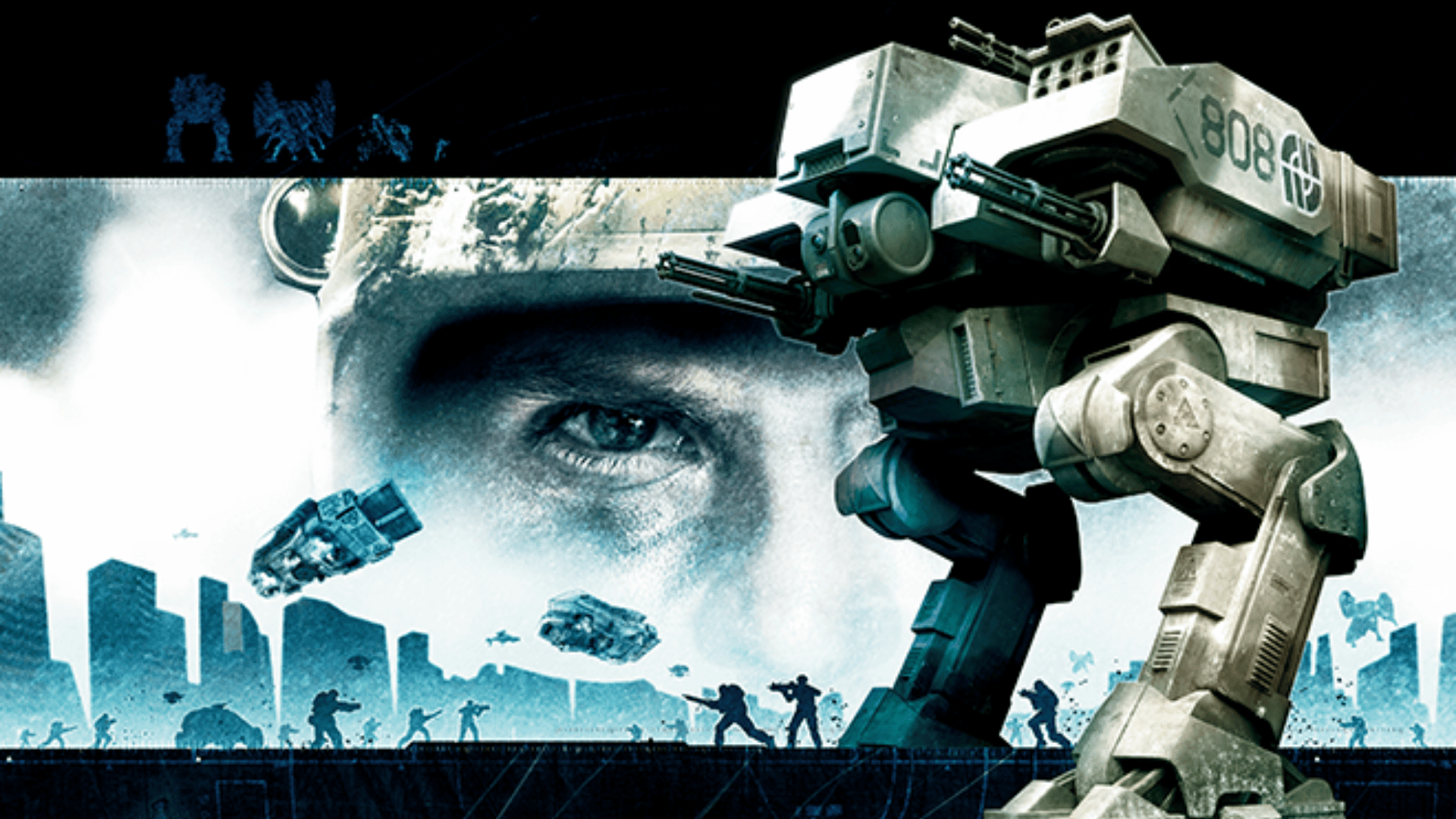
Battlefield 2142 took combat into the future, set during a fictional global ice age. Players used advanced weapons, vehicles, and futuristic gear.
A new mode, Titan mode, became a key feature in which teams attacked massive airborne bases. Even with its sci-fi setting, the game kept the familiar Battlefield style of teamwork, vehicles, and large multiplayer battles.
- Release Date: October 17, 2006
- Primary Platforms: Windows, Mac OS X
6. Battlefield: Bad Company (2008)
Battlefield: Bad Company introduced a more story-driven approach to the series while keeping large multiplayer battles. It was known for its fully destructible environments, allowing players to break walls and buildings during combat.
The game followed a small group of soldiers with a lighter tone than earlier titles. This release marked a shift toward console-focused gameplay and cinematic presentation.
- Release Date: June 23, 2008
- Primary Platforms: PlayStation 3, Xbox 360
7. Battlefield Heroes (2009)
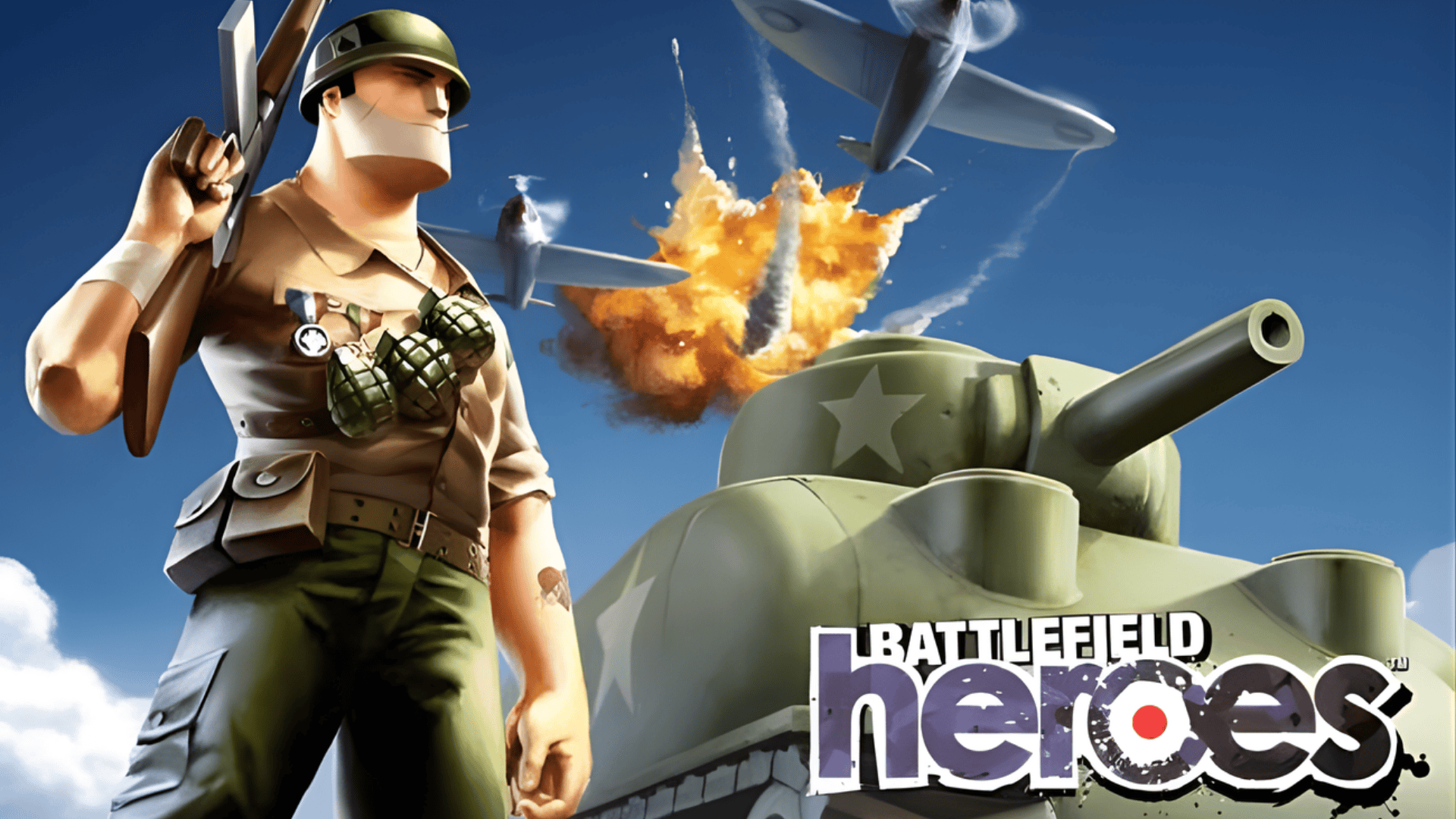
Battlefield Heroes took a different approach with a cartoon-style design and free-to-play model. It focused on fast-paced multiplayer matches rather than realism.
Players pick simple character classes with abilities and customization. The game, aimed at casual players and browser-based, featured lighter visuals and tone, setting it apart from other Battlefield titles.
- Release Date: June 25, 2009
- Primary Platforms: Windows
8. Battlefield 1943 (2009)
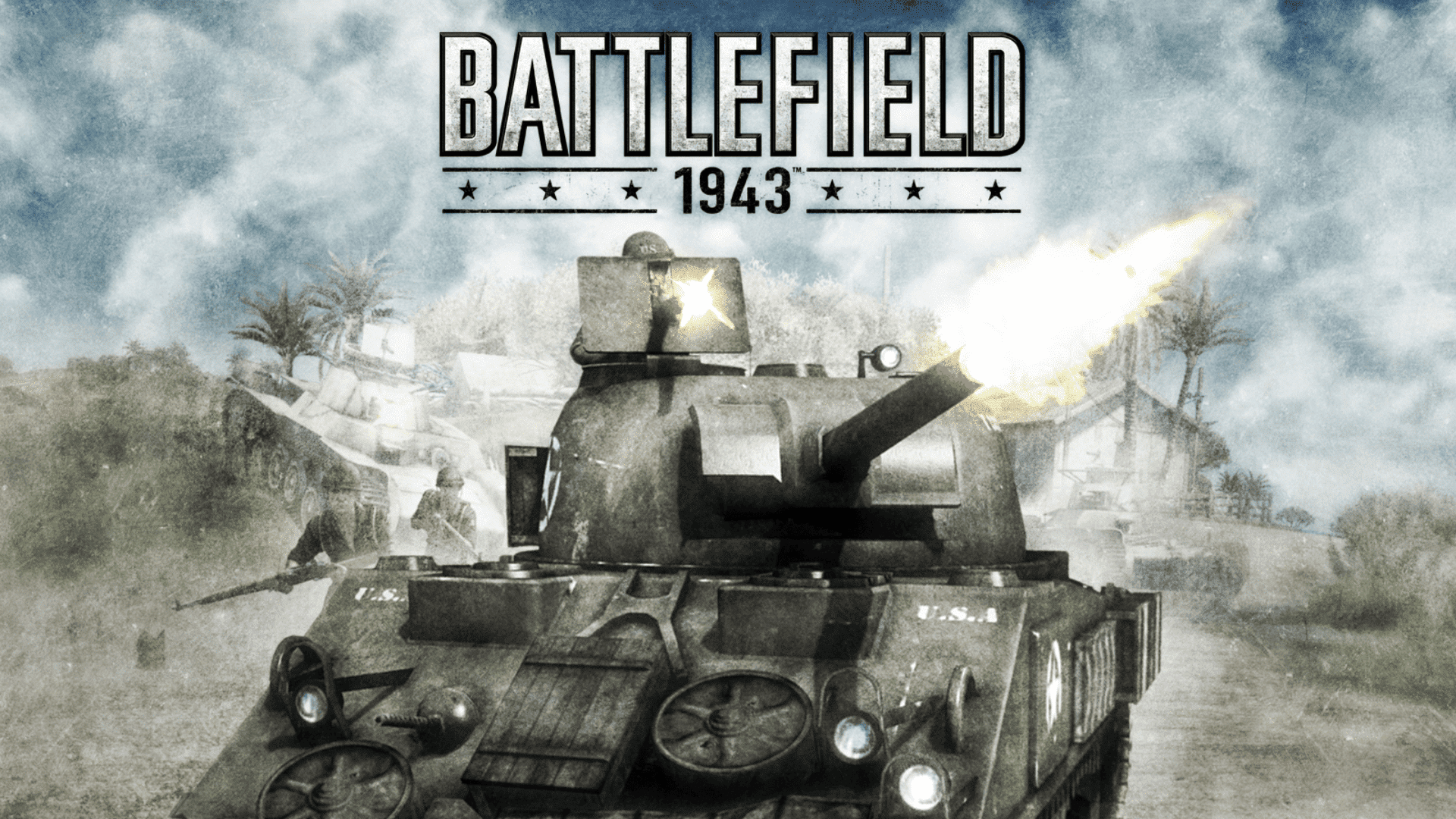
Battlefield 1943 returned the series to World War II with a smaller, arcade-style experience. It featured a limited number of maps and classes but focused heavily on multiplayer action.
The game was released only through digital platforms and used destructible environments. Its simple design and lower price made it accessible to console players looking for quick online matches.
- Release Date: July 8, 2009
- Primary Platforms: PlayStation 3, Xbox 360
9. Battlefield: Bad Company 2 (2010)
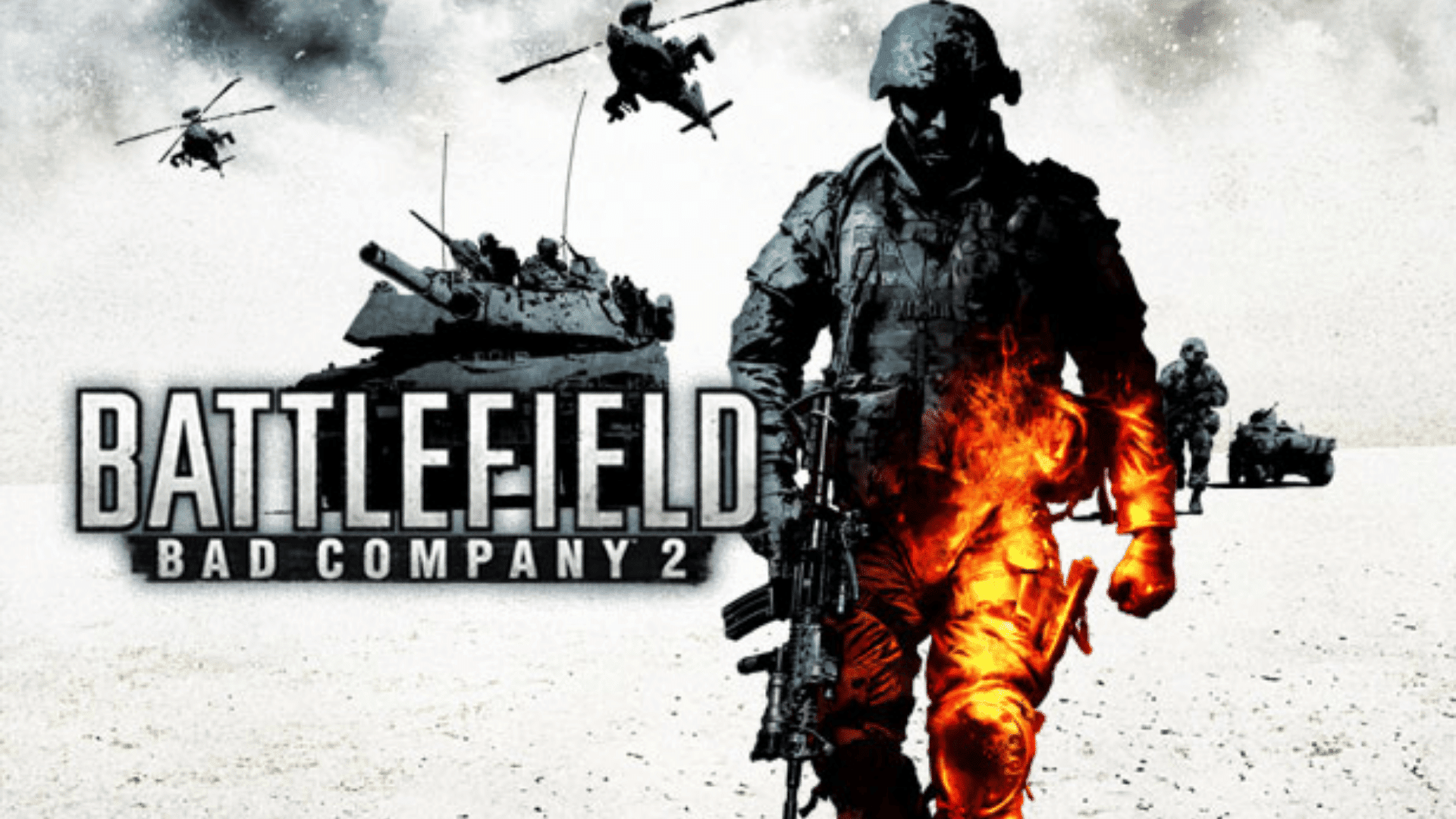
Battlefield: Bad Company 2 improved on its predecessor with better gunplay, larger maps, and stronger destruction effects. It included both a single-player campaign and popular multiplayer modes.
The game introduced new vehicles and expanded class roles, which added depth to team combat. It became one of the most loved Battlefield titles due to its balanced multiplayer and map design.
- Release Date: March 2, 2010
- Primary Platforms: Windows, PlayStation 3, Xbox 360
10. Battlefield Play4Free (2010–2011)
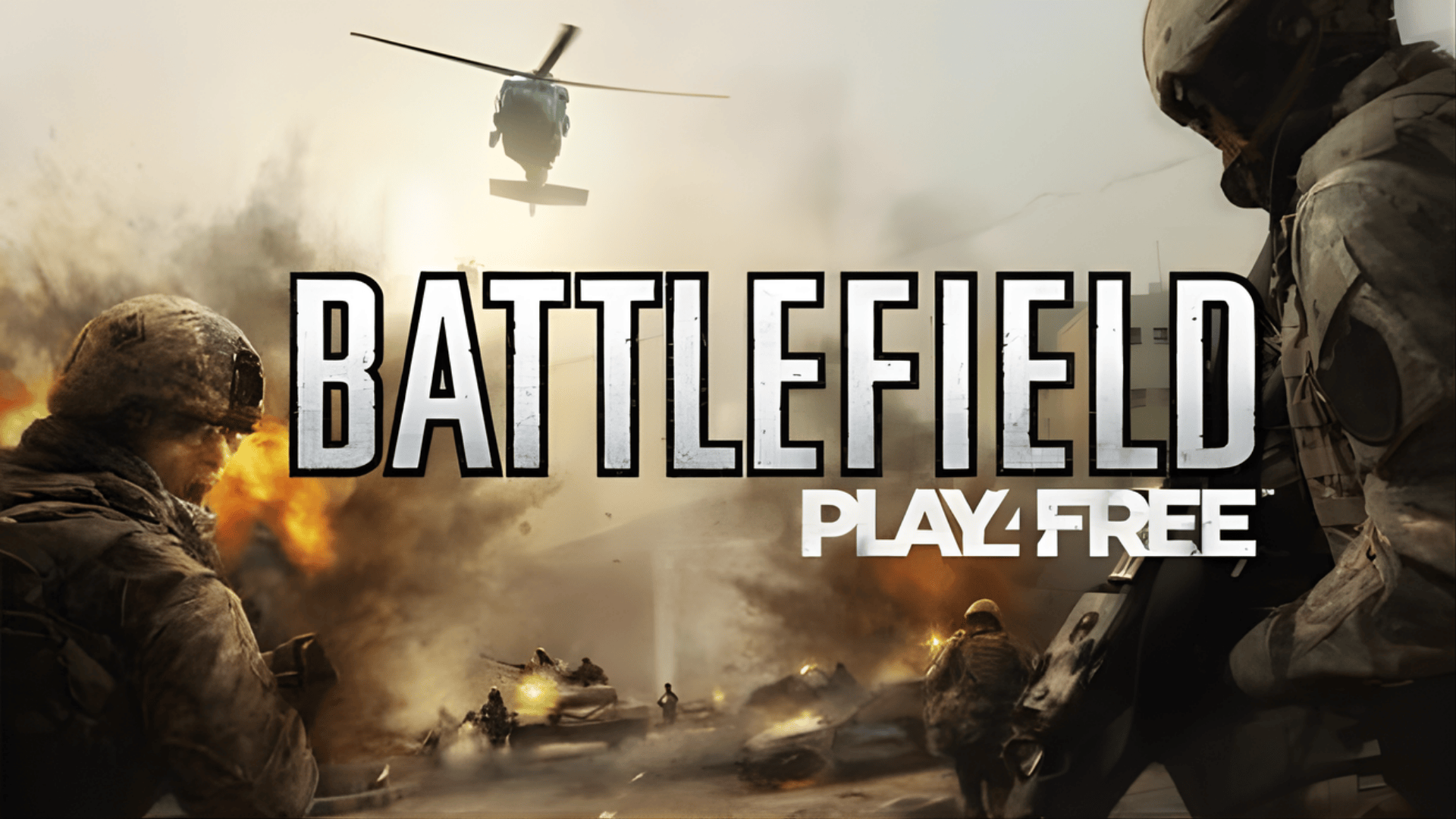
Battlefield Play4Free was a free-to-play online shooter built using assets from Battlefield 2 and Battlefield Bad Company 2. It focused only on multiplayer and used a browser-based launcher.
Players could unlock weapons and gear through gameplay or purchases. The game aimed to bring Battlefield-style combat to a wider audience before online-only shooters became common.
- Release Date: April 4, 2011
- Primary Platforms: Windows
11. Battlefield 3 (2011)
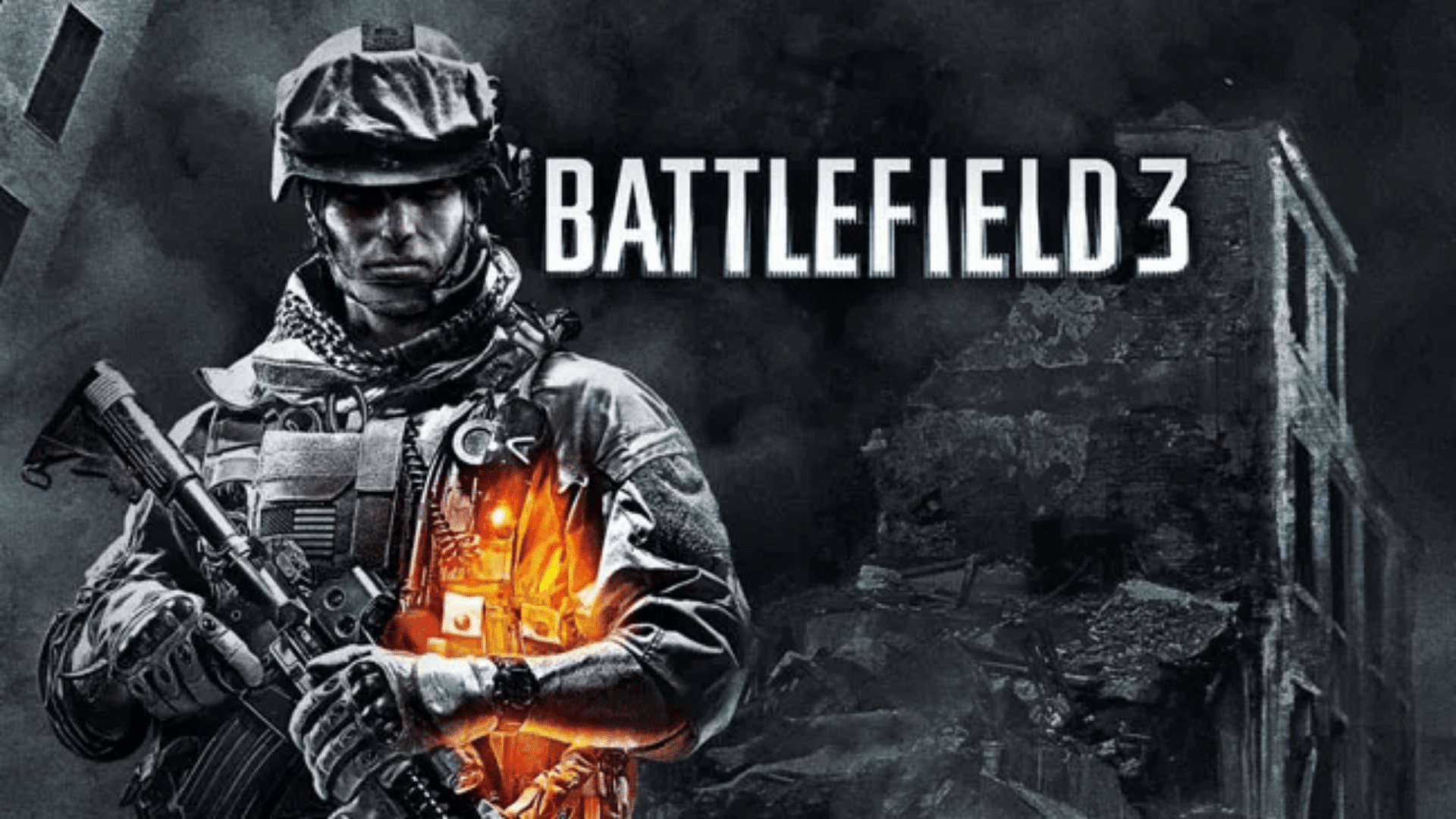
Battlefield 3 pushed the series forward with the Frostbite 2 engine, offering improved visuals, sound, and large-scale battles. It featured modern military combat across single-player, co-op, and multiplayer modes.
The multiplayer maps supported intense infantry and vehicle combat. Battlefield 3 received strong praise for its graphics and gameplay, helping expand the franchise’s global popularity.
- Release Date: October 25, 2011
- Primary Platforms: Windows, PlayStation 3, Xbox 360
12. Battlefield 4 (2013)
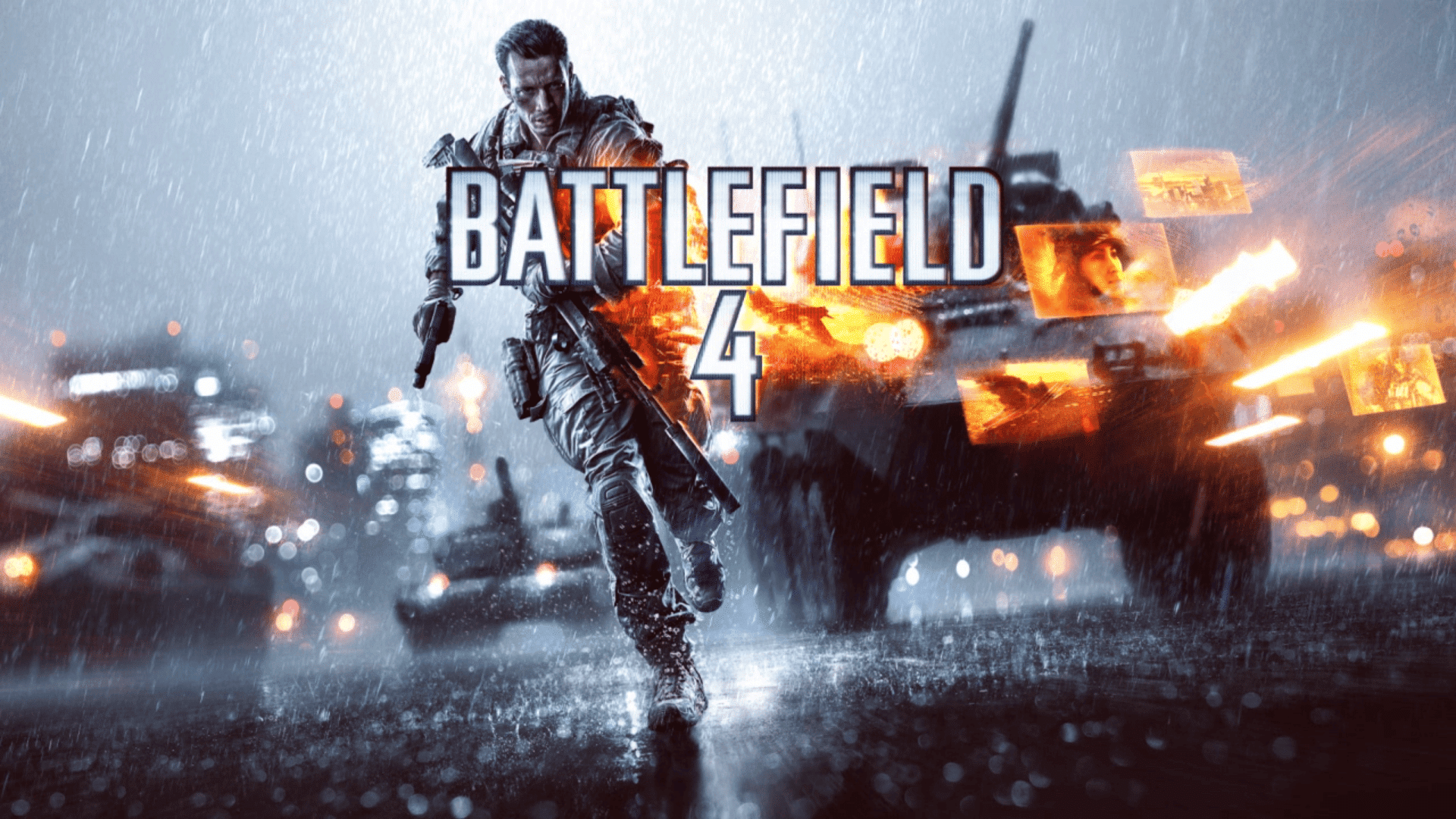
Battlefield 4 expanded on the modern combat style with larger maps, more destructible environments, and more vehicles. It featured a single-player campaign along with deep multiplayer modes.
Dynamic events, such as collapsing buildings, could change how matches play out. Despite launch issues, the game improved over time and became popular for its strong multiplayer support and long-lasting online community.
- Release Date: October 29, 2013
- Primary Platforms: Windows, PlayStation 3, PlayStation 4, Xbox 360, Xbox One
13. Battlefield Hardline (2015)
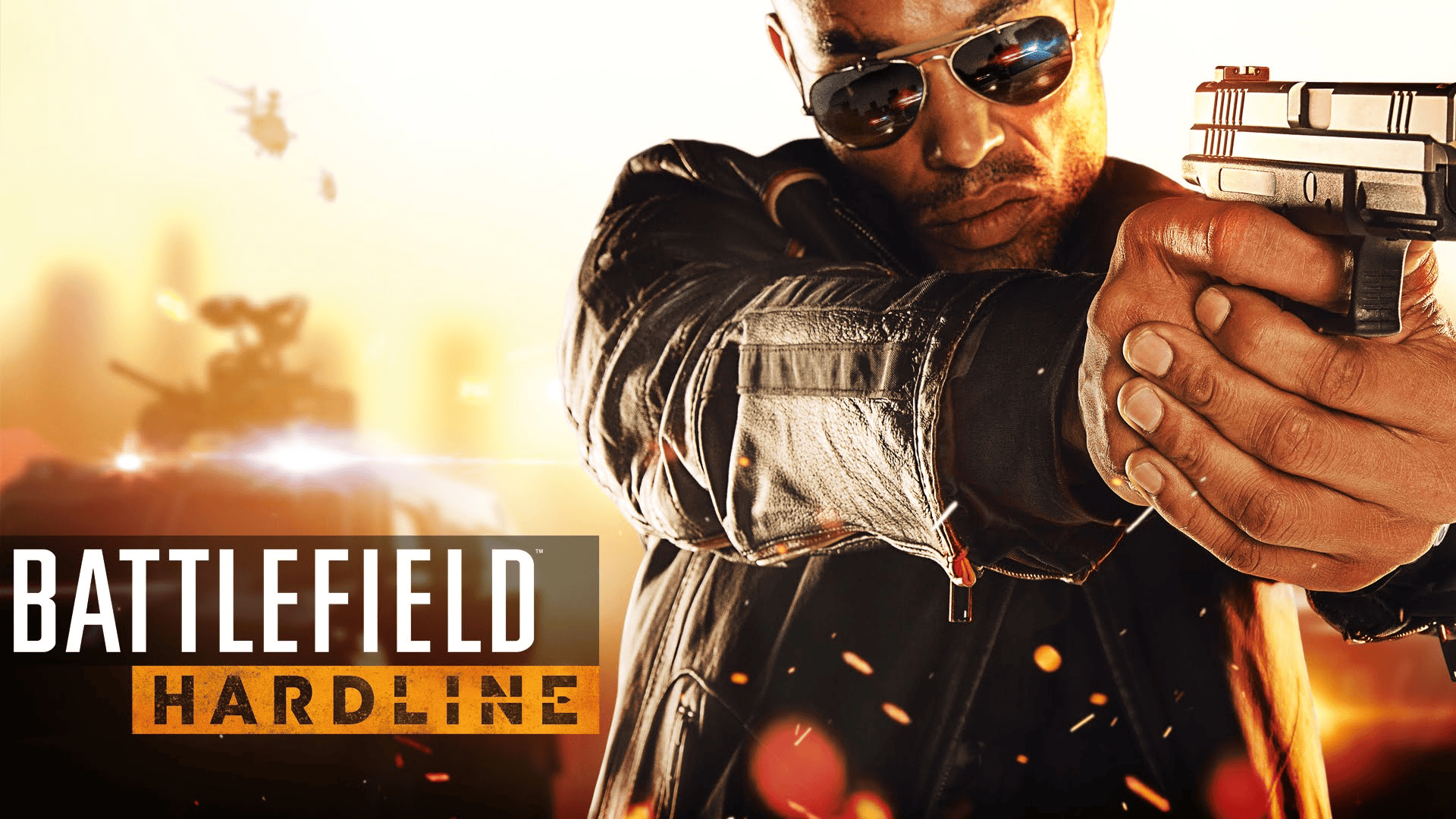
Battlefield Hardline shifted away from military warfare and focused on police-versus-criminal conflicts. The game featured urban maps, faster movement, and smaller-scale battles.
It also included a story-based campaign inspired by crime TV shows. While different from traditional Battlefield titles, it offered new modes and ideas that appealed to players looking for a fresh style of multiplayer combat.
- Release Date: March 17, 2015
- Primary Platforms: Windows, PlayStation 3, PlayStation 4, Xbox 360, Xbox One
14. Battlefield 1 (2016)
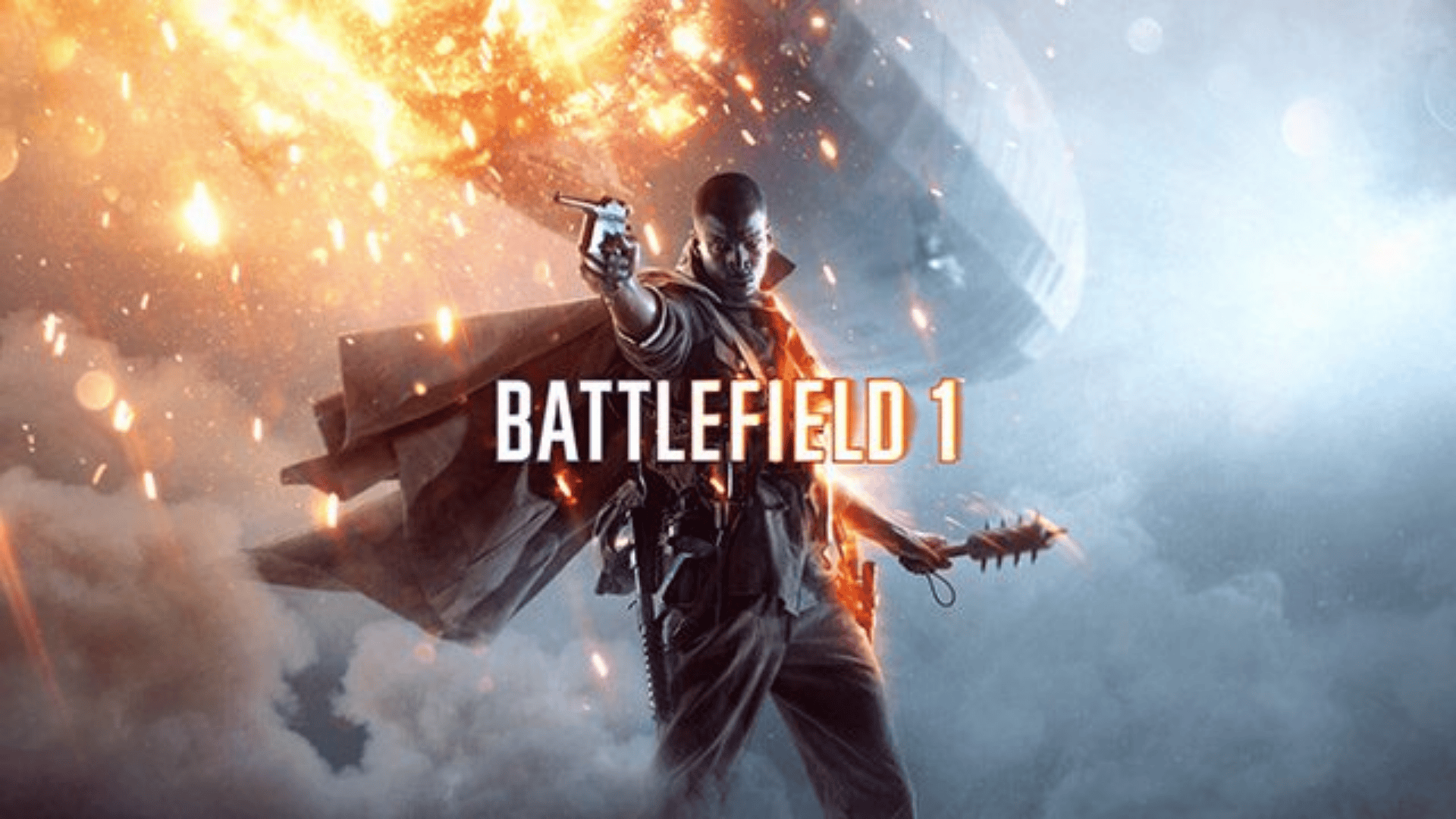
Battlefield 1 took the series back to World War I, a setting rarely used in shooters. It focused on intense battles using early weapons, horses, and heavy vehicles.
The game introduced short war stories instead of one long campaign. Its visuals, sound design, and large-scale multiplayer battles were widely praised, making it one of the most successful Battlefield releases.
- Release Date: October 21, 2016
- Primary Platforms: Windows, PlayStation 4, Xbox One
15. Battlefield V (2018)
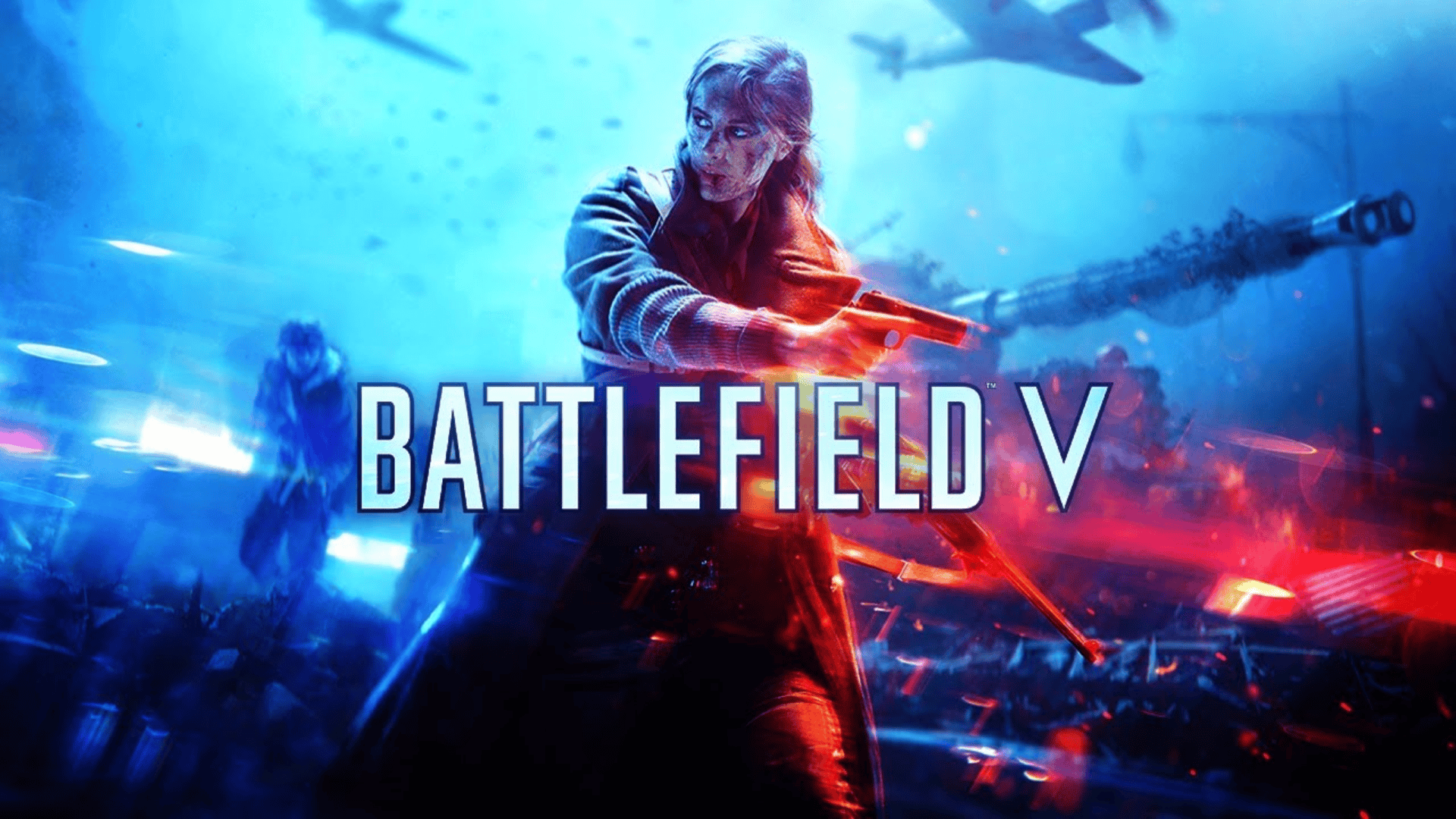
Battlefield V returned to World War II with a focus on movement, teamwork, and large open maps. It improved gunplay and added features like building defenses during matches.
The game launched with limited content but expanded through updates over time. Its multiplayer emphasized squad play and tactical choices, while the war stories mode continued from the previous title.
- Release Date: November 20, 2018
- Primary Platforms: Windows, PlayStation 4, Xbox One
16. Battlefield 2042 (2021)
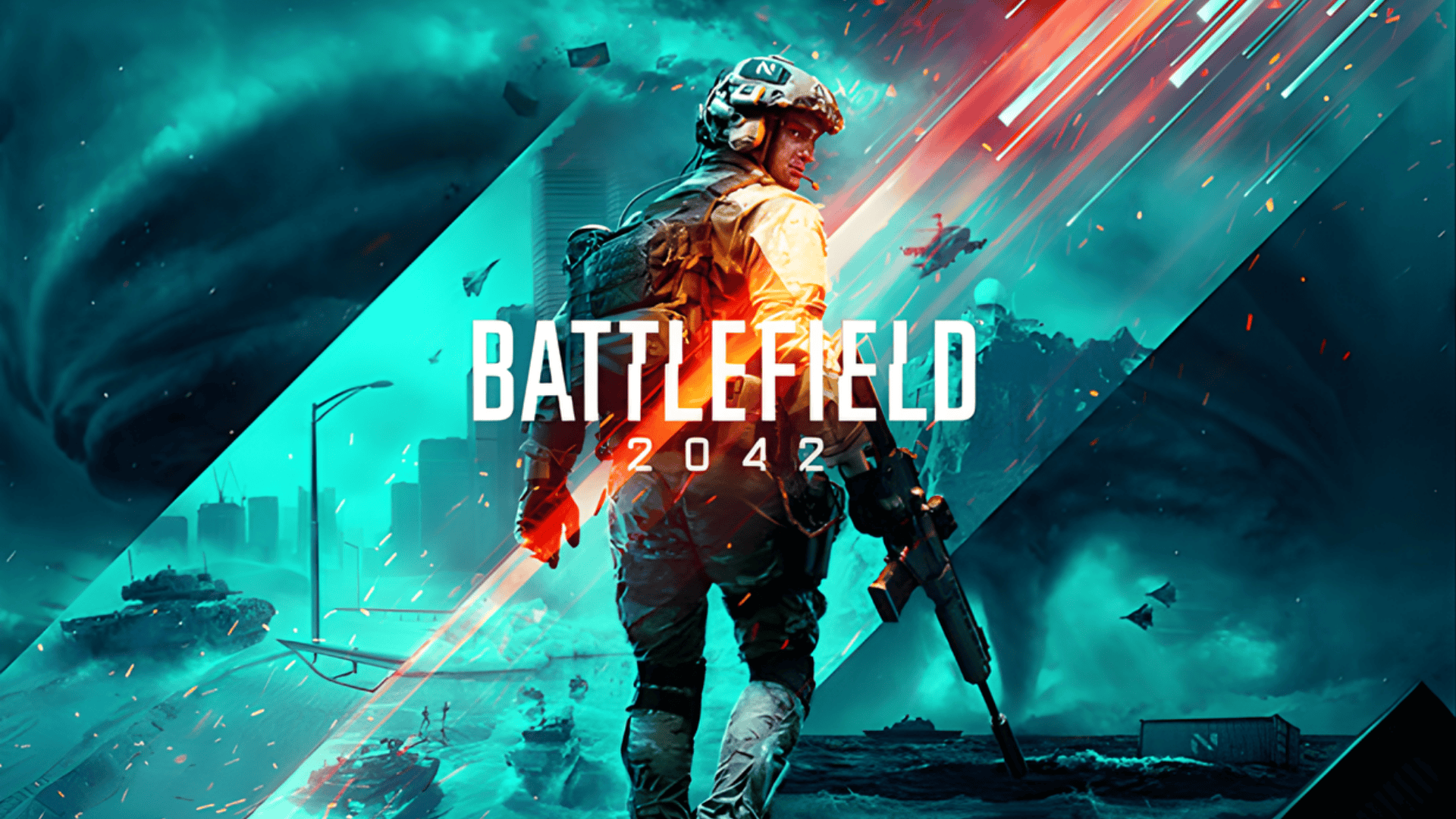
Battlefield 2042 moved the series into a near-future setting with large maps and support for more players per match. It removed the traditional campaign and focused fully on multiplayer.
New specialists replaced classic classes, changing how teams were built. The game received mixed reactions at launch, but later updates improved balance, features, and overall gameplay stability.
- Release Date: November 19, 2021
- Primary Platforms: Windows, PlayStation 4, PlayStation 5, Xbox One, Xbox Series X|S
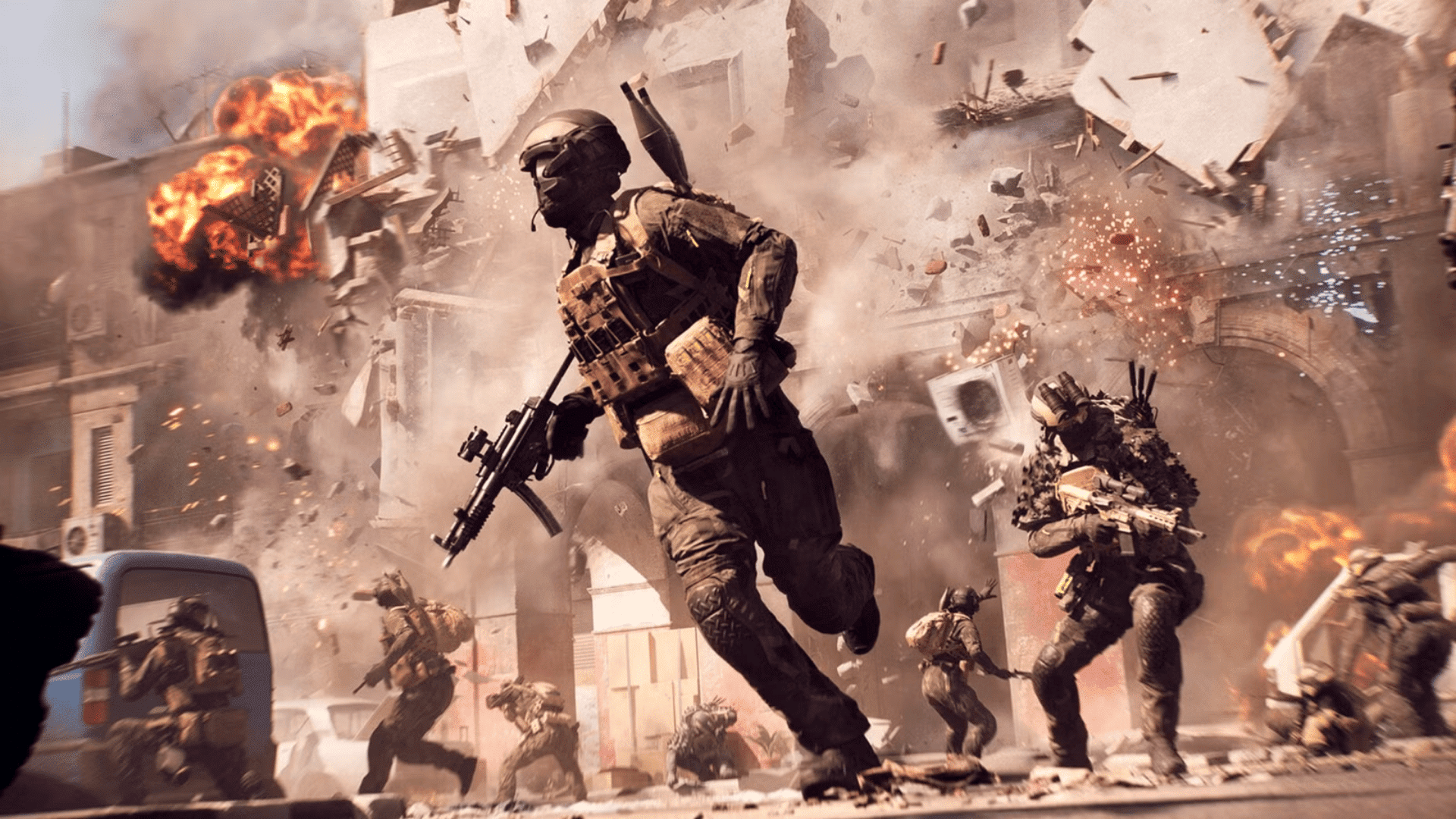
17. Battlefield 6 (2025)
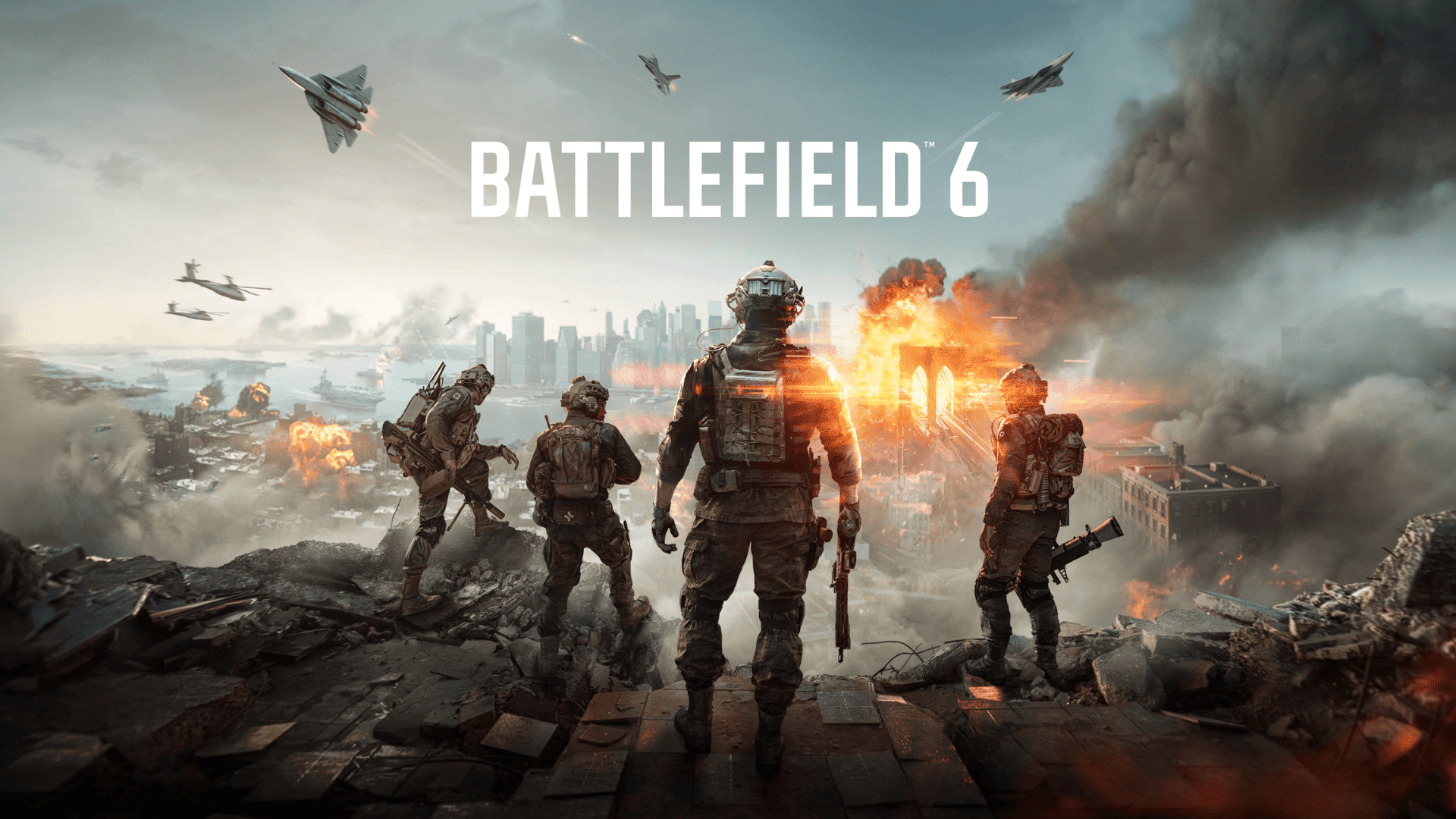
Battlefield 6 is the latest entry in the series and returns to a modern military setting. It focuses on large-scale multiplayer battles with updated visuals and refined class-based gameplay.
Developers aimed to address feedback from earlier releases by improving map design and team balance. The game represents the next phase of the Battlefield franchise for current-generation platforms.
- Release Date: 10 October, 2025
- Primary Platforms: Windows, PlayStation 5, Xbox Series X|S
Battlefield Release Timeline
The Battlefield release timeline shows how the series has evolved over time in gameplay, technology, and player focus. Using labeled bullet points keeps key milestones clear and easy to follow.
- Early Foundation (2002–2006): A strong focus on PC multiplayer, large maps, and vehicle combat established the series’ identity.
- Engine and Gameplay Shifts: The Frostbite engine introduced better destruction, improved visuals, and more dynamic battles.
- Key Game Modes: Conquest stayed central, while Rush and Titan added variety and new match goals.
- Fan High Points and Dips: Battlefield 3 and Battlefield 1 are often praised, while some later entries received mixed reactions.
- Future Direction: Recent games focus on ongoing updates, live service content, and refined multiplayer systems.
Overall, this timeline highlights how Battlefield has adapted to changing player expectations while maintaining its large-scale combat roots over the years. It also shows how each release built on ideas from earlier games.
Battlefield in Order for New Players – Best Starting Points
Choosing the right Battlefield game to start with depends on how comfortable you are with shooters and what type of experience you want. Some titles are easier to learn, while others are better known for defining the series or focusing on specific play styles.
1. Beginner Friendly Picks
Battlefield 1 and Battlefield 4 are strong choices for new players because they offer clear mechanics and balanced gameplay. The maps are easy to learn, and the controls feel smooth without being complex.
Both games include helpful tutorials and active multiplayer servers, which makes learning easier. These titles help players understand teamwork, vehicles, and class roles without feeling overwhelmed early on.
2. Most Iconic/Must-Play Games
Battlefield 3 and Battlefield 1 are often seen as the most defining entries in the series. Battlefield 3 introduced modern combat systems that shaped future releases, while Battlefield 1 stood out for its strong atmosphere and large-scale battles.
Playing these games shows how Battlefield balances infantry, vehicles, and teamwork. They reflect the core ideas that made the franchise widely popular.
3. If You Love Multiplayer vs If You Prefer Campaigns
Players who enjoy online competition may prefer Battlefield 4 or Battlefield 2042, which focus heavily on large multiplayer matches. These games offer many modes, vehicles, and open maps designed for team play.
Players who prefer solo experiences may enjoy Battlefield: Bad Company 2 or Battlefield 1, as both include structured missions and story-driven content alongside multiplayer options.
Final Thoughts
Viewing all Battlefield games in order gives a clear picture of how the series has grown, shifted direction, and responded to player feedback over the years.
Some entries focused on realism, while others experimented with setting, scale, or gameplay structure. Together, these games show a long-running effort to balance innovation with the core idea of large multiplayer battles.
Understanding this progression also helps players choose which titles are worth playing today. Every Battlefield release has left its mark on the franchise in some way.
Which Battlefield game stands out the most to you, or which one introduced you to the series?
Share your thoughts, favorites, or memories in the comments section below.