


The Halo series includes many games released over many years, which can make the order confusing for new and returning players. That is why understanding the release order of the Halo games is so helpful.
I have seen many players struggle to decide where to begin or how the story fits together across different titles. Some games were released earlier but take place later in the timeline, while others do the opposite.
The release order shows how Halo slowly grew in scale, story depth, and gameplay features.
It also helps players see how ideas, characters, and multiplayer systems changed over time. Following the release order gives a smoother experience and makes the series easier to understand from start to finish.
Why Release Order Matters?
Playing Halo games in release order helps first-time players understand the story the same way fans did when the games first came out.
The plot slowly reveals key characters, twists, and conflicts, making everything easier to follow. The release order also shows how gameplay changes over time.
You start with simple controls and mechanics, then move toward smoother movement, better combat systems, and improved graphics. This makes the learning curve feel natural instead of confusing.
Another big reason release order matters is the social and cultural impact.
Each game reflects its time, from split-screen multiplayer days to online matchmaking. Experiencing that progression gives a clearer picture of why Halo became such a major gaming series.
Halo Games Release Order – From First to Latest
The Halo series has grown step by step since its debut, with each release adding new layers of story and gameplay.
This Halo games release order, also called the Halo games in order of release, shows how the franchise evolved into a full-scale universe.
1. Halo: Combat Evolved (2001)
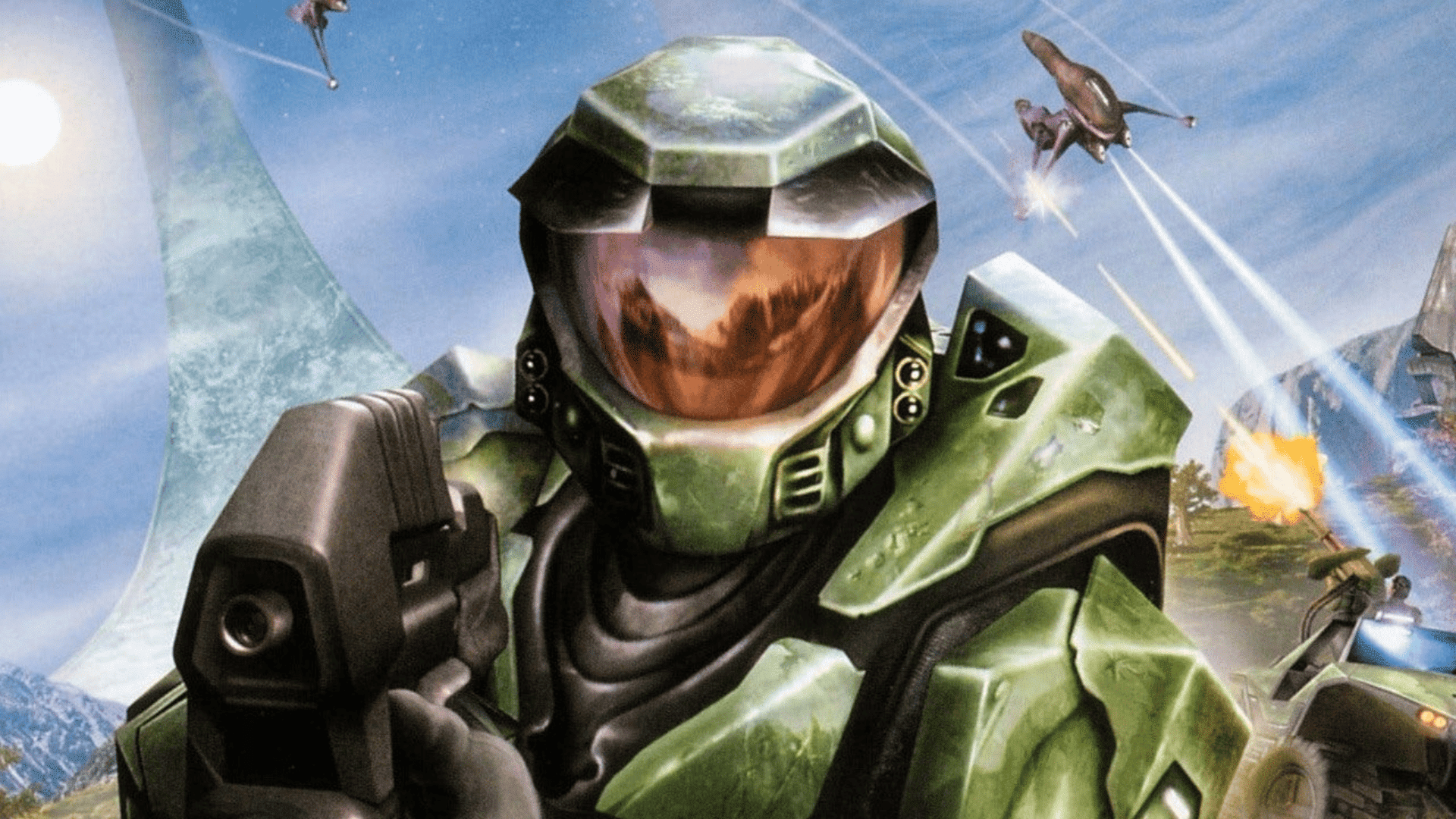
Halo: Combat Evolved introduced players to Master Chief, the UNSC, and the alien Covenant. The game focused on balanced shooting, vehicle combat, and open-level design that felt new at the time.
Its story slowly revealed the mystery of the Halo ring, keeping players engaged from start to finish. It also proved that first-person shooters could work well on consoles.
- Release Date: November 15, 2001
- Platforms: Xbox, PC
2. Halo 2 (2004)
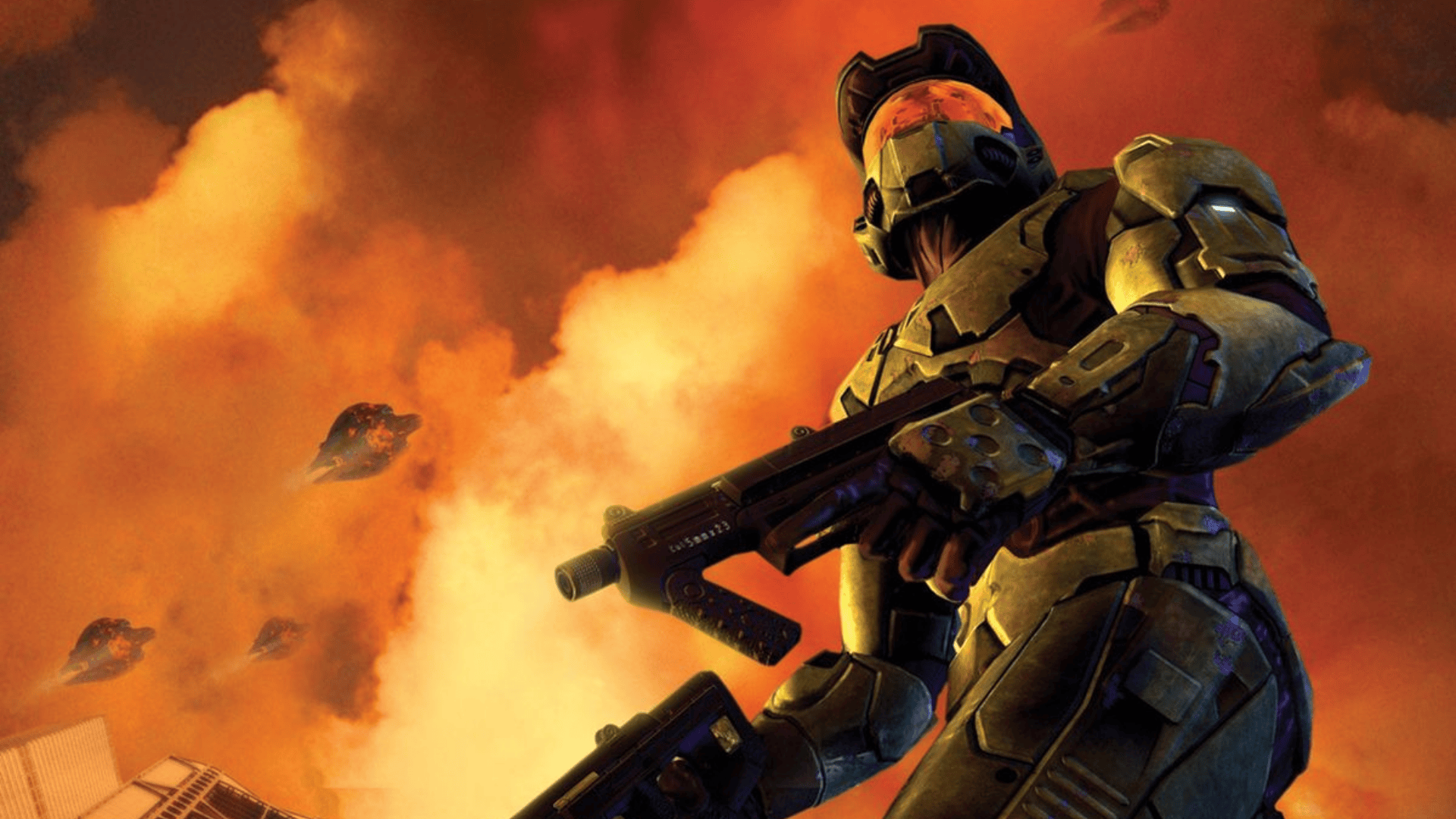
Halo 2 expanded the Halo universe by telling the story from both human and Covenant perspectives. It added deeper characters, stronger voice acting, and more detailed environments.
The game improved combat by adding dual-wielding and more realistic enemy behavior. Its biggest impact came from online multiplayer, which helped set the standard for console online gaming.
- Release Date: November 9, 2004
- Platforms: Xbox, PC
3. Halo 3 (2007)
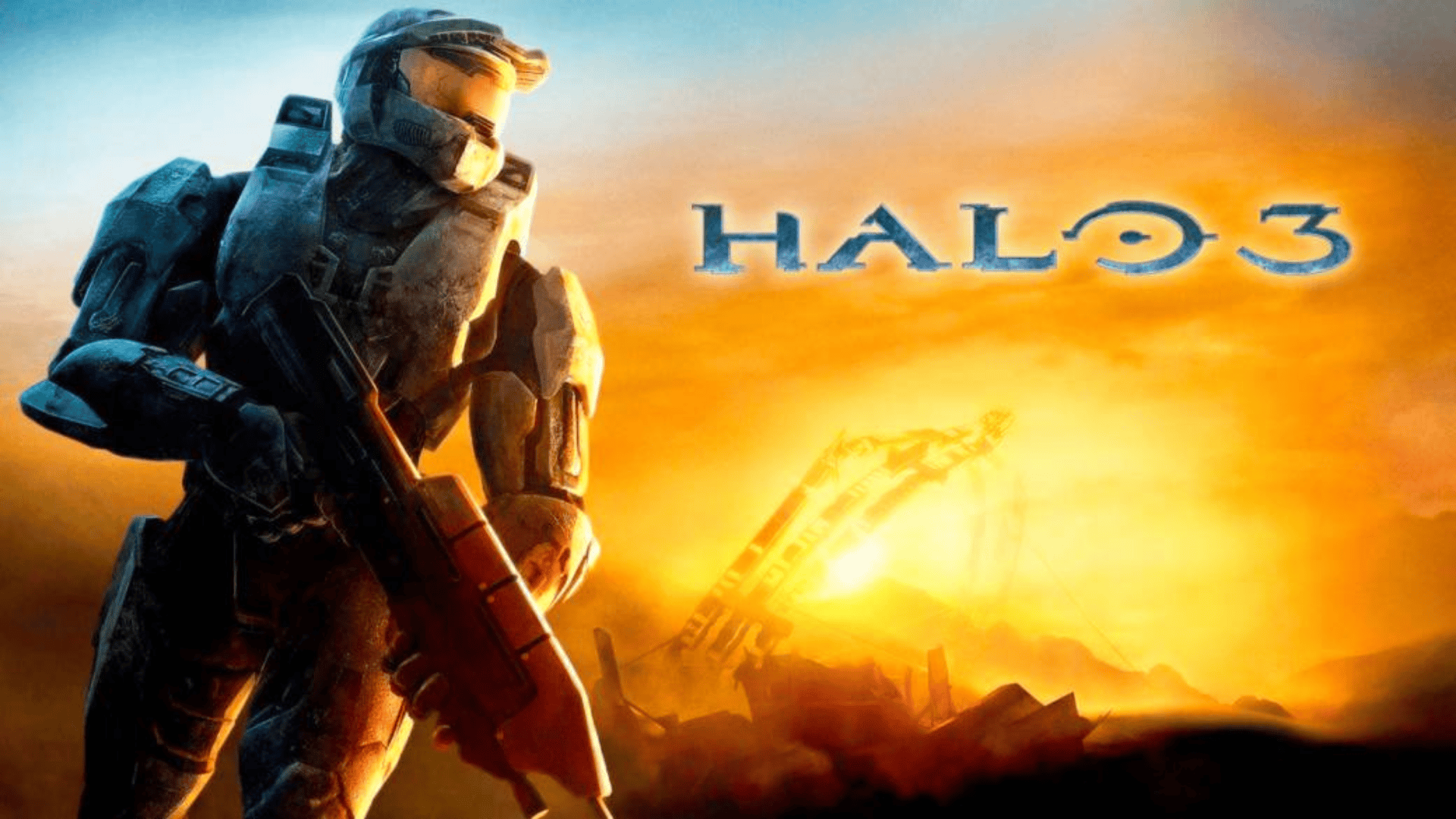
Halo 3 finished the main story that began in the first game and delivered large-scale battles across Earth and space. It improved graphics, physics, and weapon balance while keeping the core gameplay familiar.
New features like Forge mode allowed players to build and share custom maps. The game became a major cultural moment and one of the most played shooters of its time.
- Release Date: September 25, 2007
- Platforms: Xbox 360
4. Halo Wars (2009)
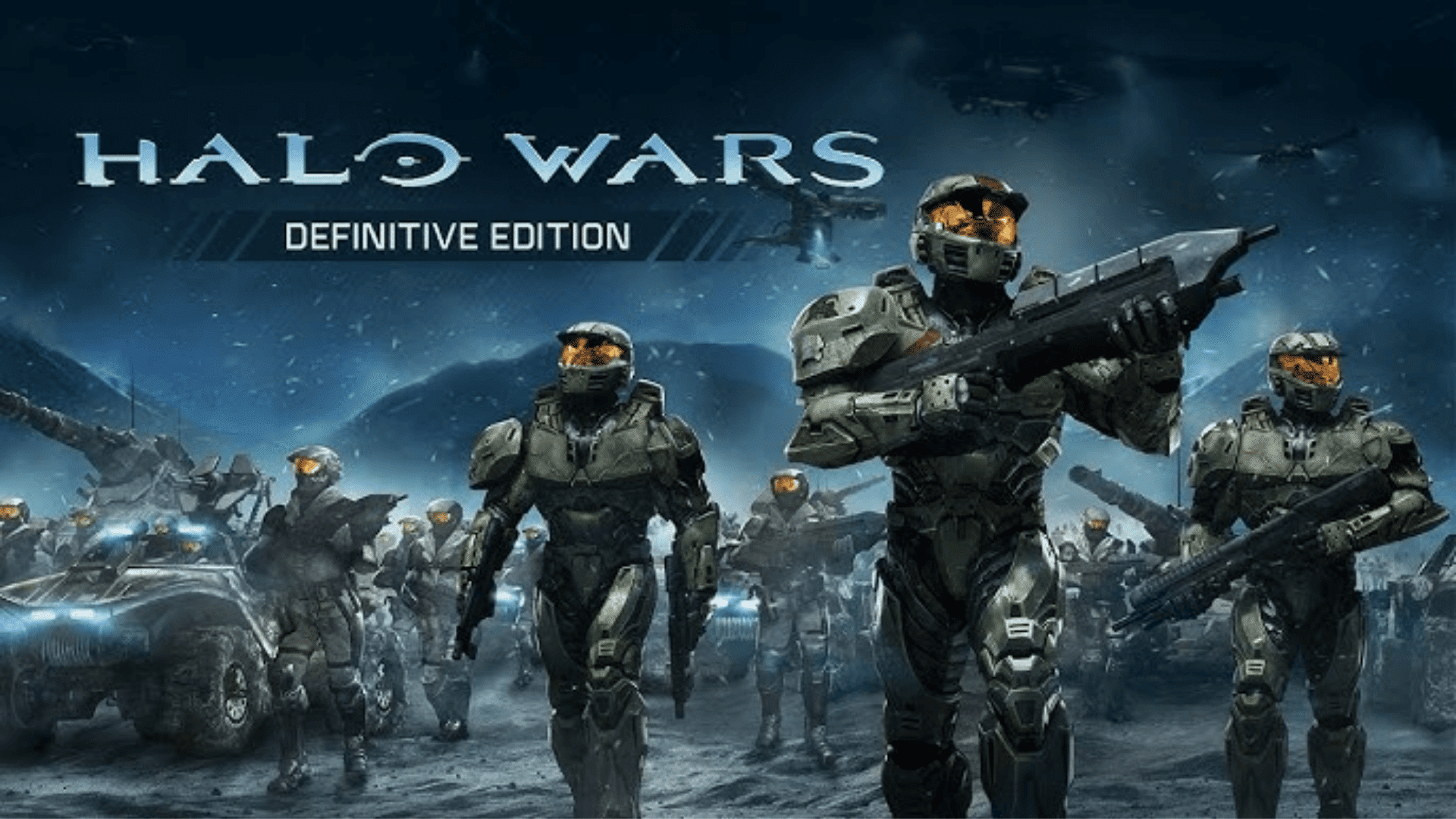
Halo Wars took the Halo universe in a new direction by focusing on real-time strategy gameplay. Instead of controlling one character, players managed entire armies, built bases, and planned attacks.
The story was set before the main Halo timeline and introduced new leaders and conflicts. It was designed to be easy to play on a controller, even for players new to strategy games.
- Release Date: February 26, 2009
- Platforms: Xbox 360
5. Halo 3: ODST (2009)
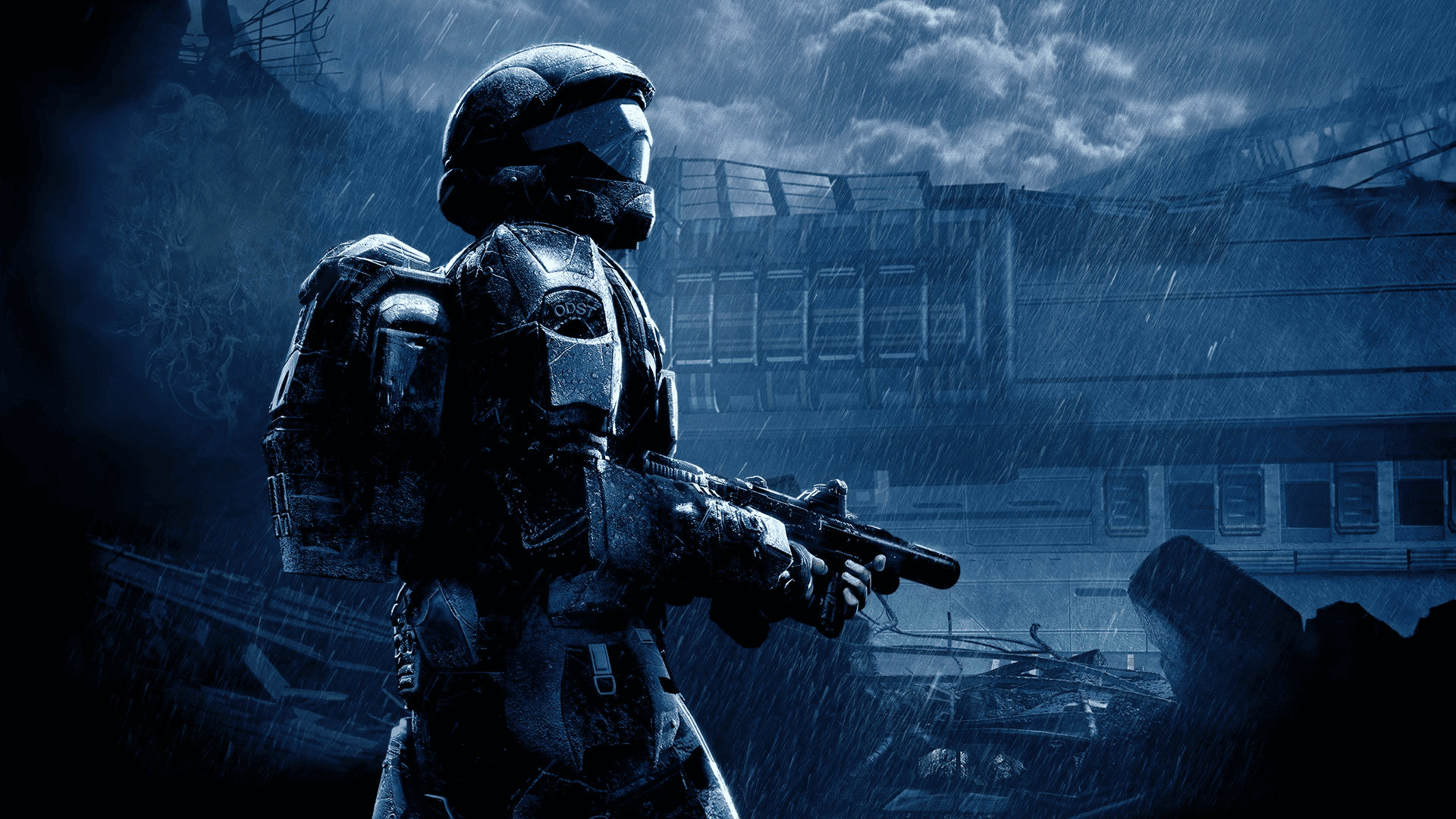
Halo 3: ODST shifted the focus away from super-soldiers and placed players in the role of regular human troops. The game emphasized atmosphere, slower pacing, and storytelling through exploration.
Set during the events of Halo 2, it showed how the alien invasion affected everyday soldiers. The darker tone and soundtrack gave the game a unique identity within the series.
- Release Date: September 22, 2009
- Platforms: Xbox 360
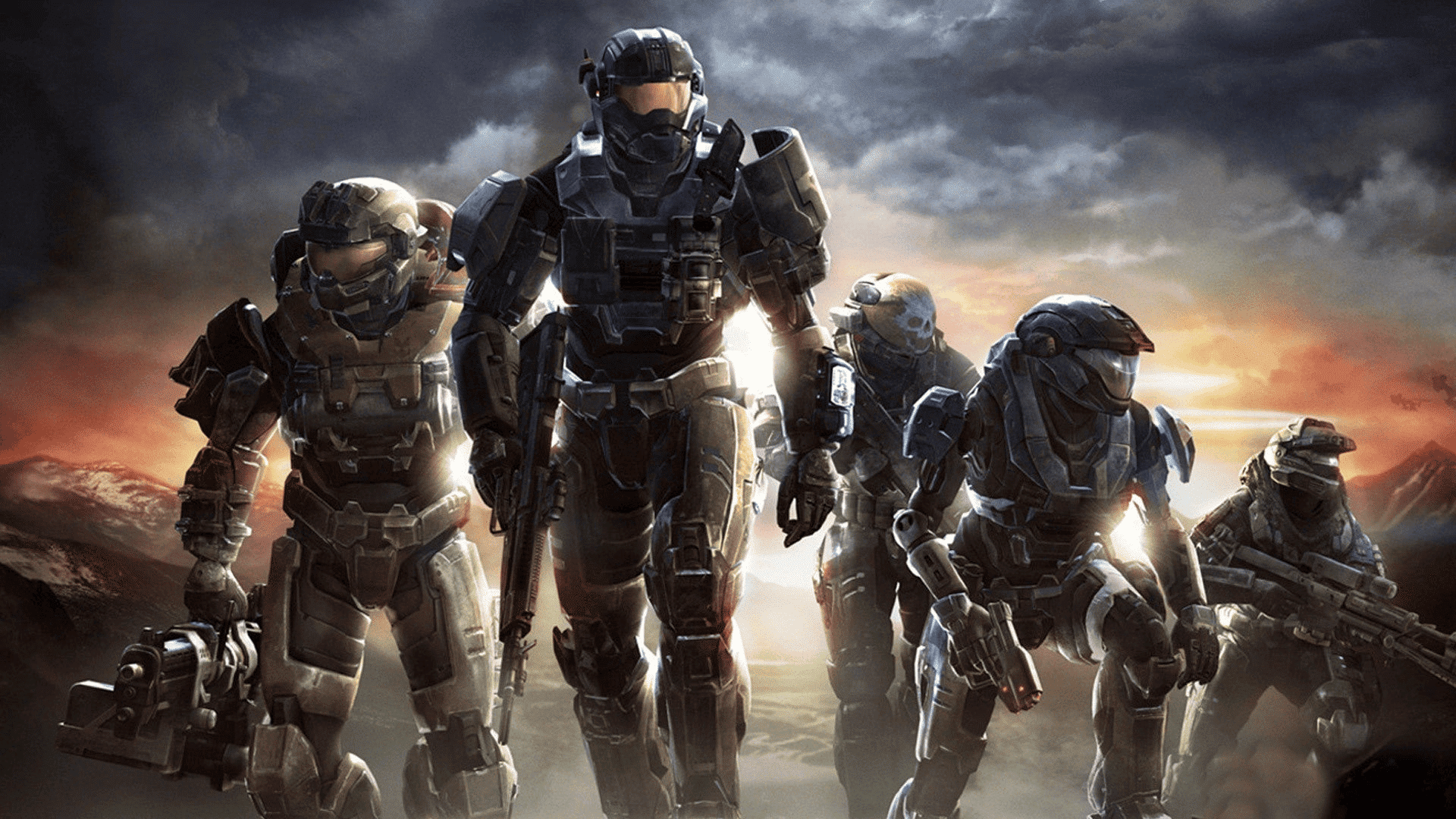
6. Halo: Reach (2010)
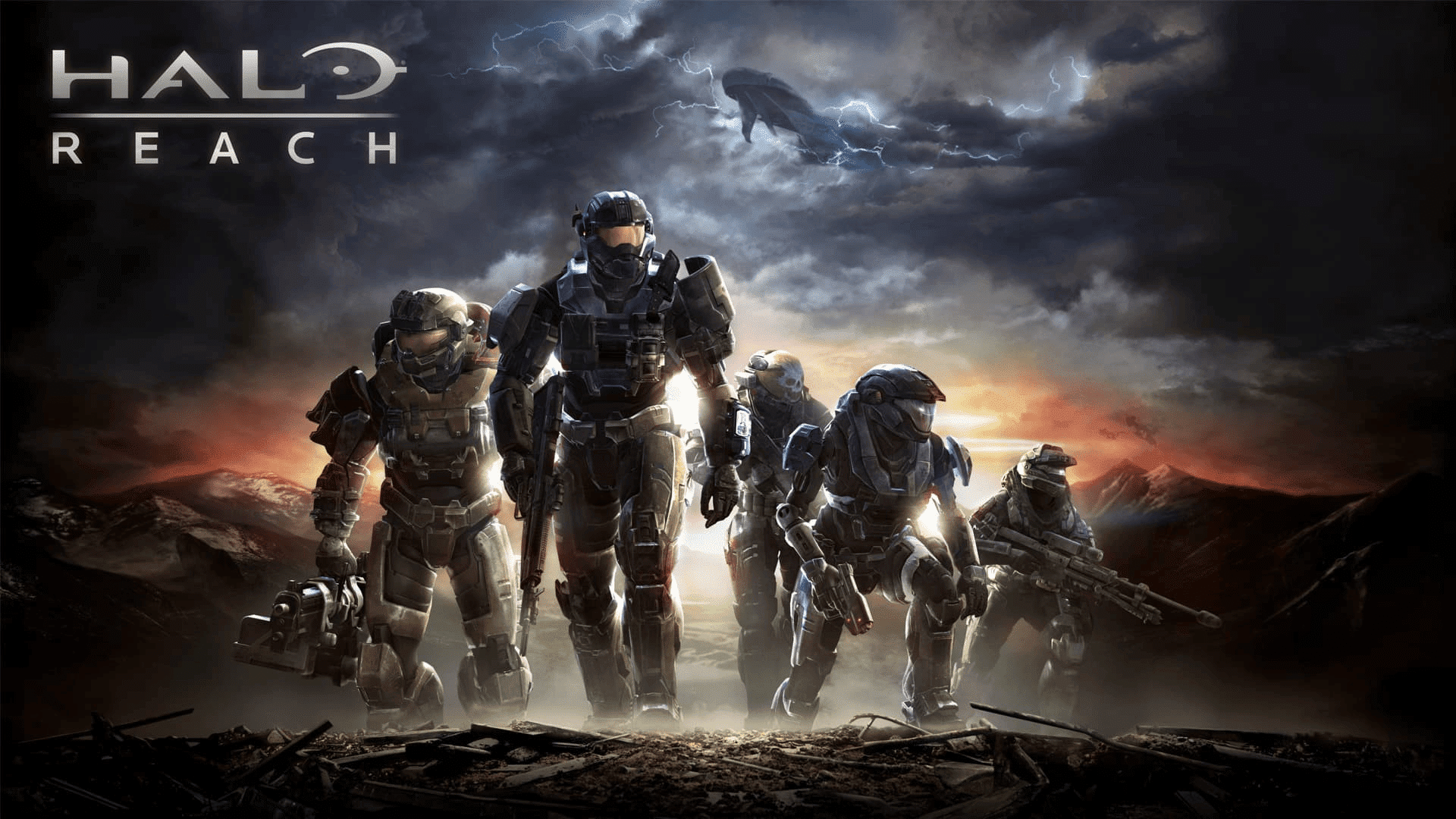
Halo: Reach tells the story of Noble Team and the fall of the planet Reach, events that happen before the first Halo game. The story feels more serious and emotional, focusing on sacrifice and loss.
Gameplay introduced armor abilities, which changed how combat and movement worked. Multiplayer was refined further, and the game became one of the most respected entries in the series.
- Release Date: September 14, 2010
- Platforms: Xbox 360
7. Halo: Combat Evolved Anniversary (2011)
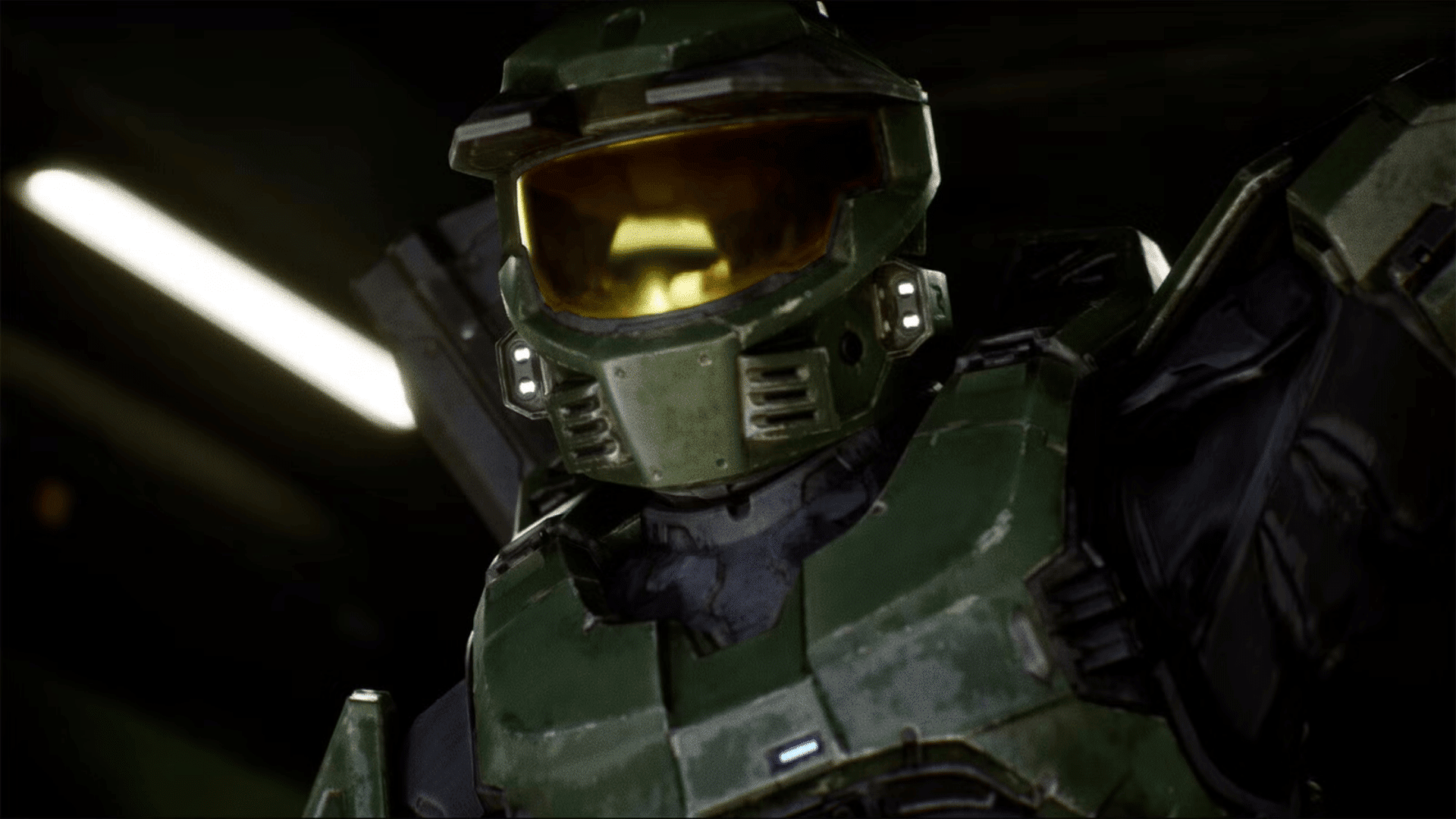
Halo: Combat Evolved Anniversary is a remastered version of the original game, released to celebrate its ten-year mark. It kept the original gameplay while adding improved graphics, better lighting, and updated sound.
Players could switch between classic and modern visuals instantly. This version helped new players experience the first Halo with a fresh look while preserving the original feel.
- Release Date: November 15, 2011
- Platforms: Xbox 360
8. Halo 4 (2012)
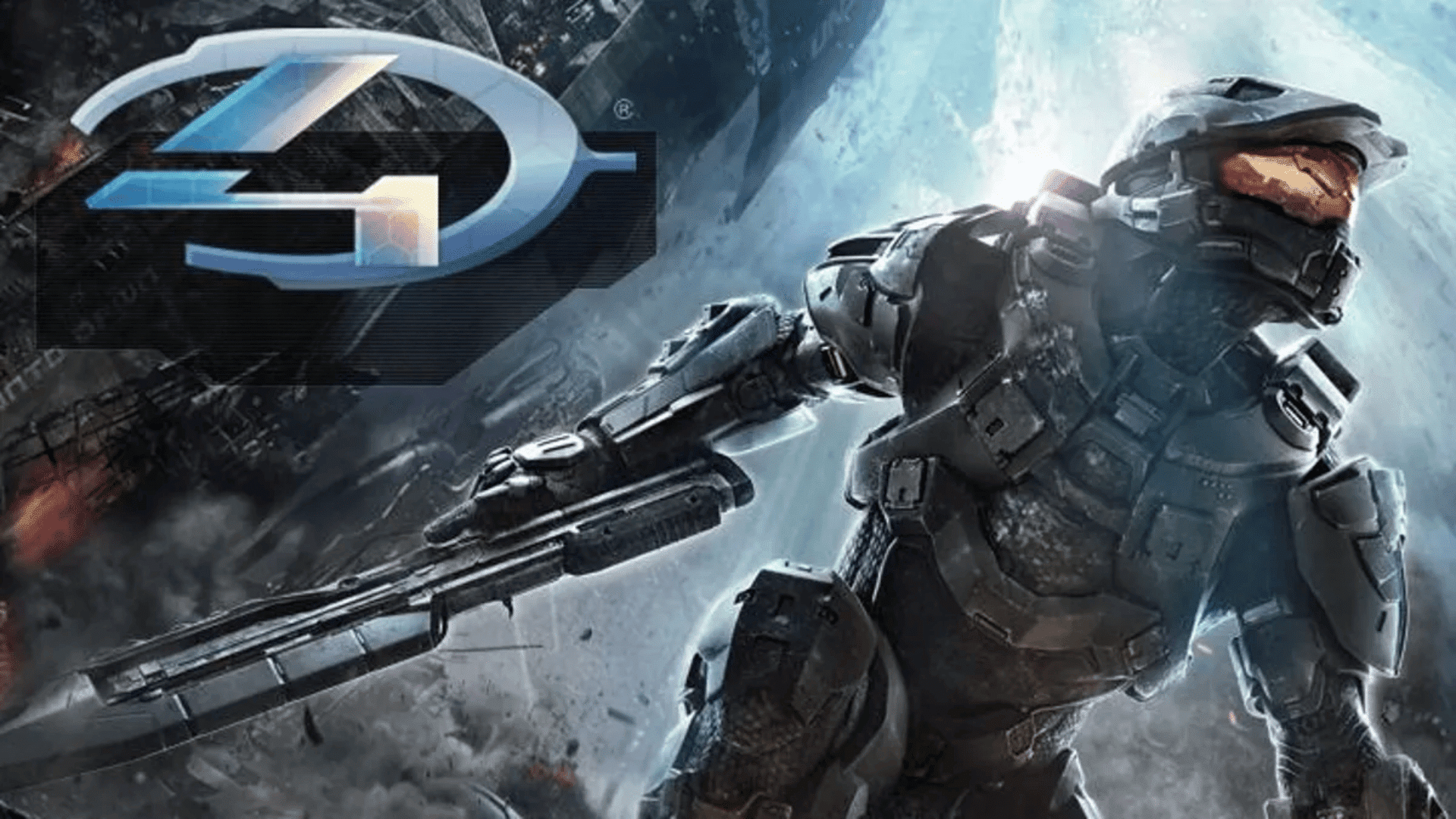
Halo 4 marked the start of a new chapter in the Halo story under a new developer. The game focused more on Master Chief as a character and his relationship with Cortana.
Graphics, cutscenes, and sound design were greatly improved. Multiplayer added new progression systems and abilities, changing how players earned rewards and customized their experience.
- Release Date: November 6, 2012
- Platforms: Xbox 360
9. Halo: Spartan Assault (2013)
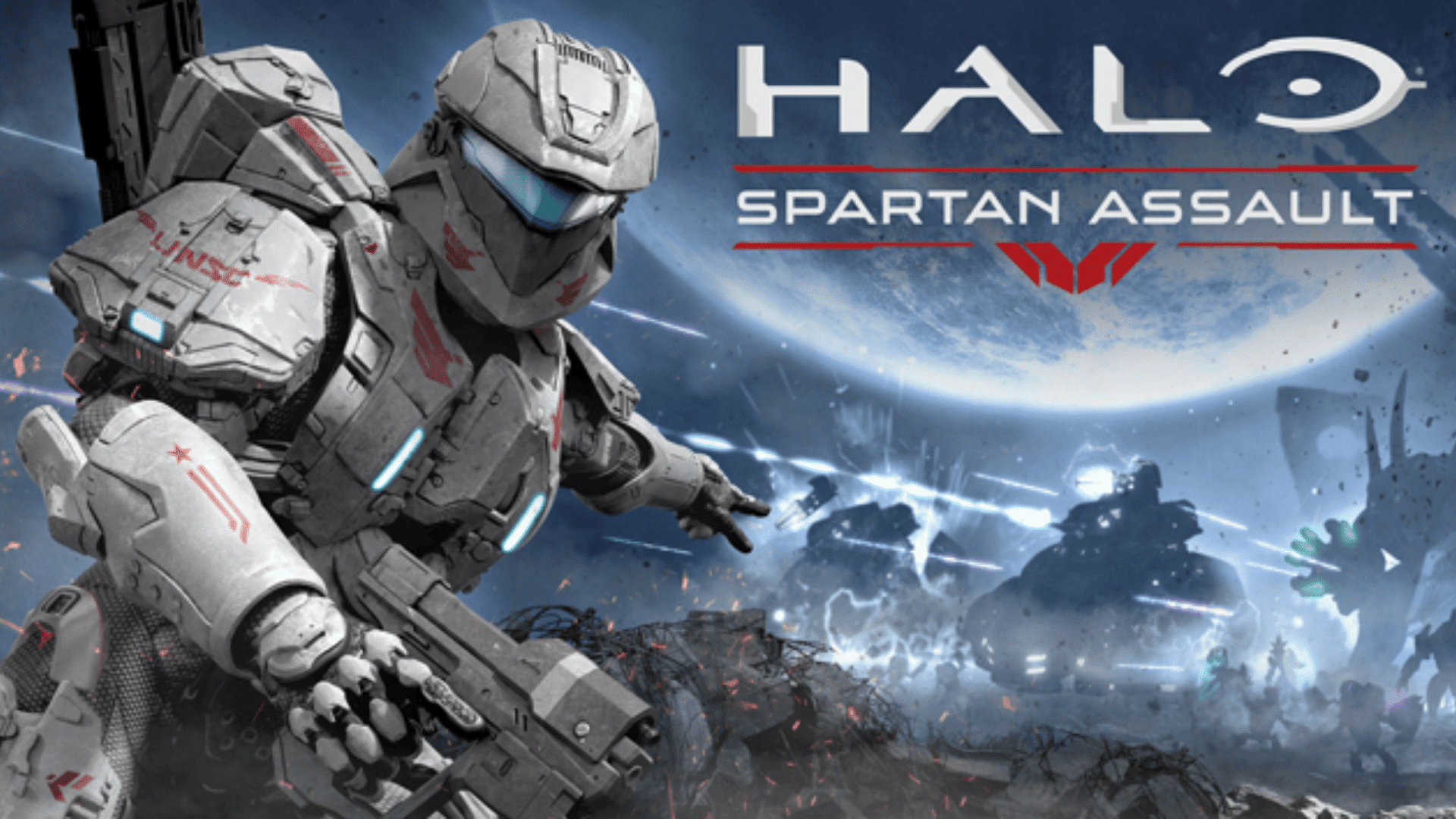
Halo: Spartan Assault was a top-down shooter that offered a different way to experience the Halo universe. Players controlled Spartans from an overhead view while completing short missions.
The game focused on fast action, score chasing, and simple controls. Its story was set between Halo 3 and Halo 4, adding small but useful details to the overall timeline.
- Release Date: July 18, 2013
- Platforms: Windows 8, Windows Phone
10. Halo: The Master Chief Collection (2014)
Halo: The Master Chief Collection brought multiple main Halo games together in one package. It included Halo: Combat Evolved Anniversary, Halo 2 Anniversary, Halo 3, and Halo 4.
Players can easily switch between games and enjoy updated visuals and improved matchmaking. This collection became the easiest way to experience most of the Halo series in release order.
- Release Date: November 11, 2014
- Platforms: Xbox One
11. Halo: Spartan Strike (2015)
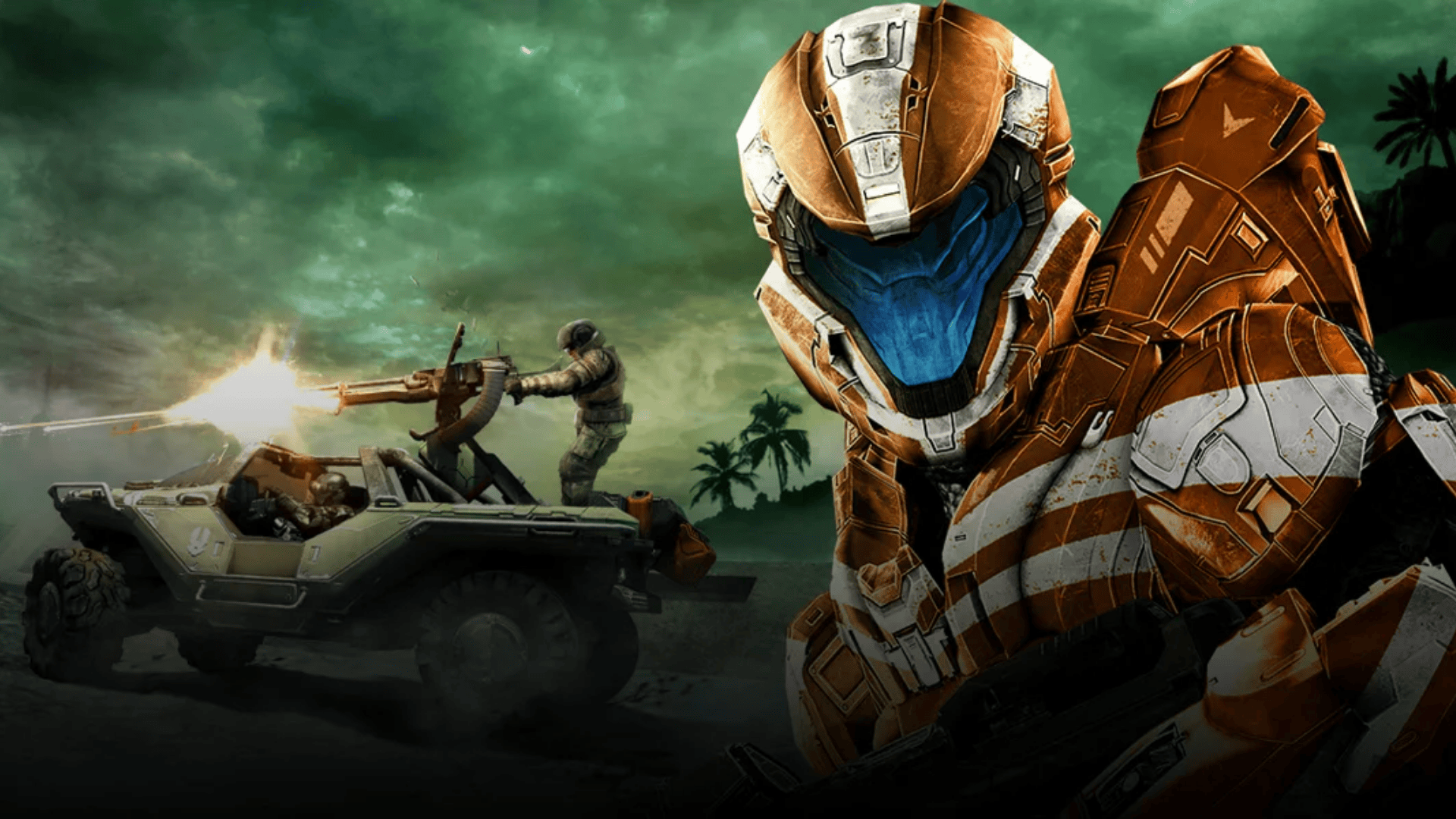
Halo: Spartan Strike continued the top-down shooter style introduced in Spartan Assault. It featured new missions, locations, and enemies, with improved controls and visuals.
The story covered events from different points in the Halo timeline, focusing on Spartan operations. The game was designed for short play sessions and challenged players to earn high scores through skillful combat.
- Release Date: April 16, 2015
- Platforms: Windows, Windows Phone
12. Halo 5: Guardians (2015)
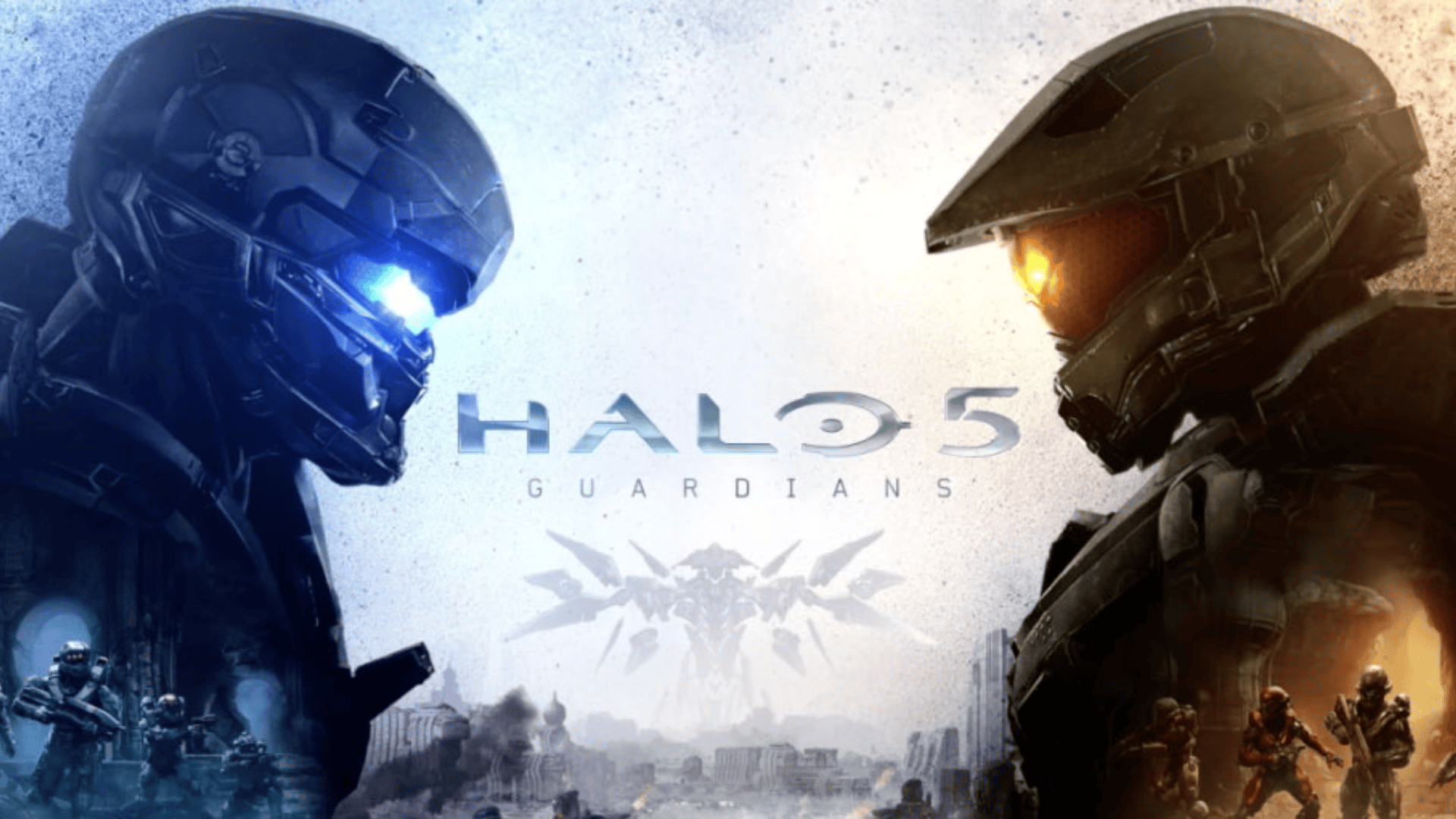
Halo 5: Guardians continued the main storyline with a strong focus on Spartan Locke and Fireteam Osiris, alongside Master Chief. The story centered on conflict within the Spartan ranks and Cortana’s changing role.
Gameplay introduced faster movement, advanced abilities, and large-scale multiplayer modes. While the campaign received mixed reactions, the multiplayer was praised for its depth and competitive design.
- Release Date: October 27, 2015
- Platforms: Xbox One
13. Halo Wars 2 (2017)
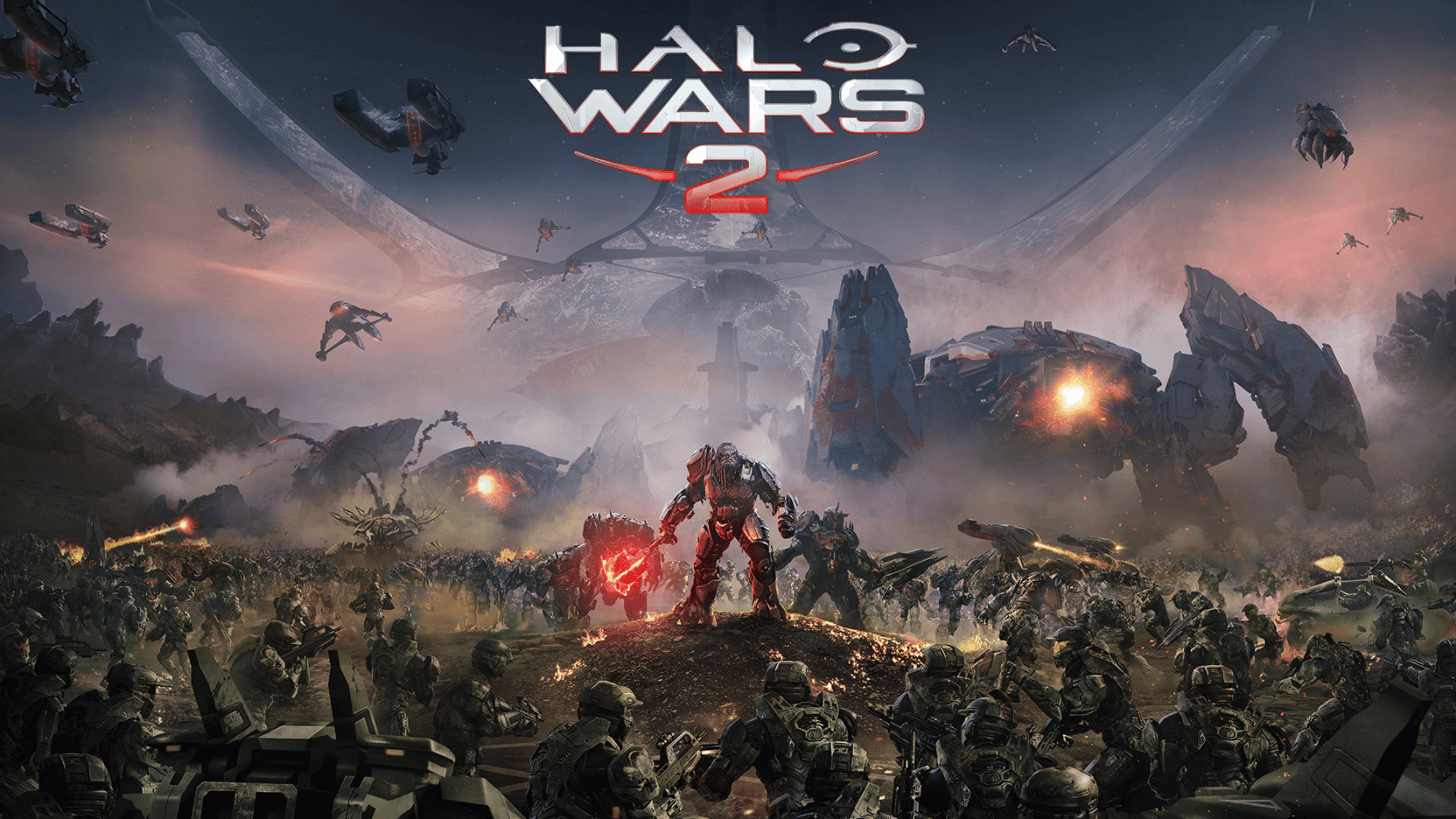
Halo Wars 2 returned to real-time strategy gameplay and continued the story from the first Halo Wars. It introduced the Banished, a new enemy faction that later became important to the series.
The game improved base building, unit control, and visual detail. Its story was set after Halo 5 and helped bridge the gap toward future mainline Halo events.
- Release Date: February 21, 2017
- Platforms: Xbox One, Windows 10
14. Halo: Fireteam Raven (2018)

Halo: Fireteam Raven is an arcade-only shooter that retells parts of the original Halo story from a new perspective. Players control a team of ODST-style soldiers fighting alongside Master Chief.
The game focuses on fast-paced action, mounted gun gameplay, and cooperative play. It was designed for public arcades and added extra background context to the events of Halo: Combat Evolved.
- Release Date: July 10, 2018
- Platforms: Arcade
15. Halo Infinite (2021)
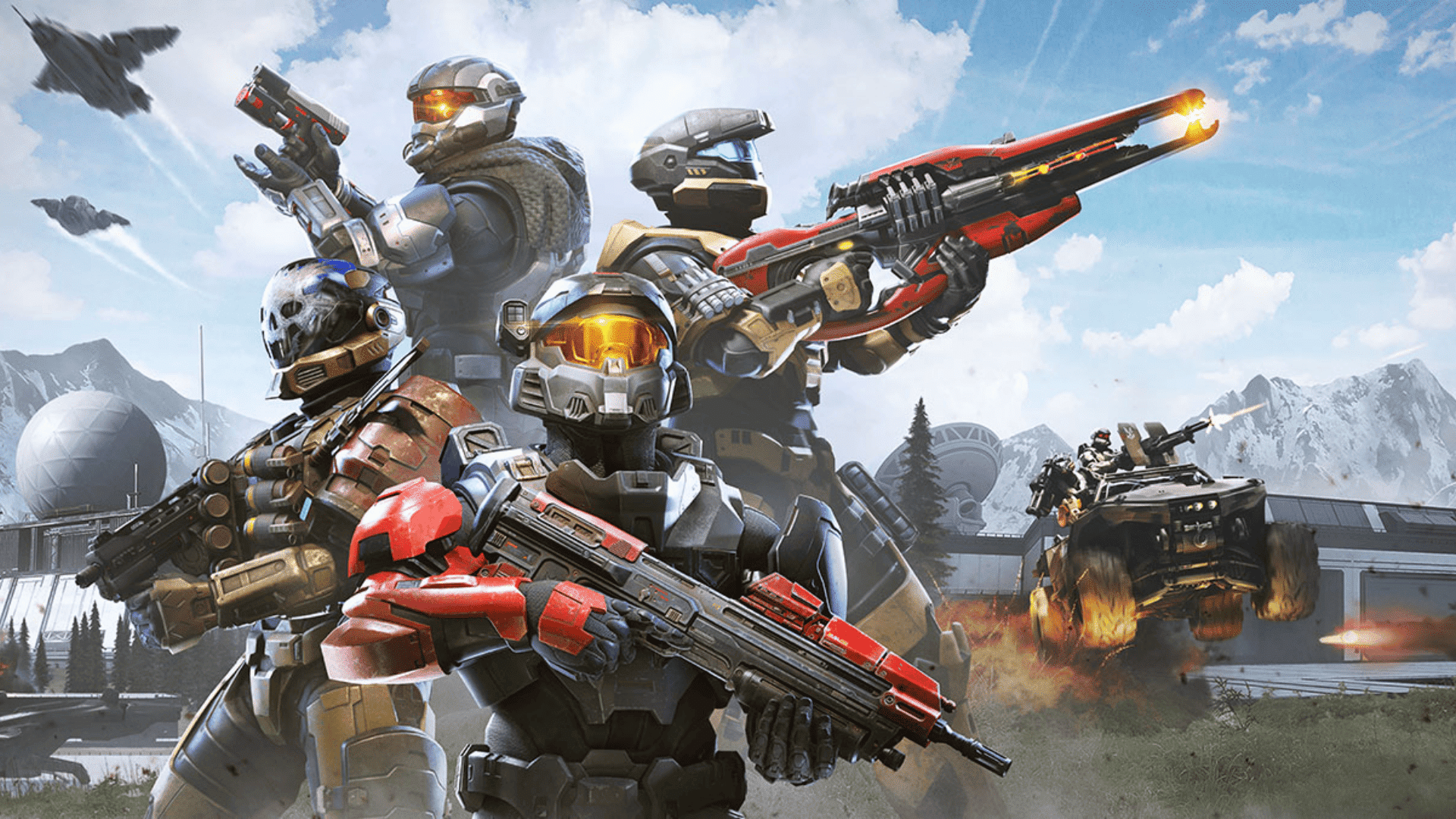
Halo Infinite continued Master Chief’s story on a damaged Halo ring known as Zeta Halo. The campaign introduced a more open-world structure, allowing players to approach missions in different ways.
Combat returned to a classic Halo feel while adding modern movement options. Multiplayer launched as a free-to-play experience, with a focus on balanced gameplay and long-term updates.
- Release Date: December 8, 2021
- Platforms: Xbox One, Xbox Series X|S, Windows PC
Halo Games in Order of Story Chronology
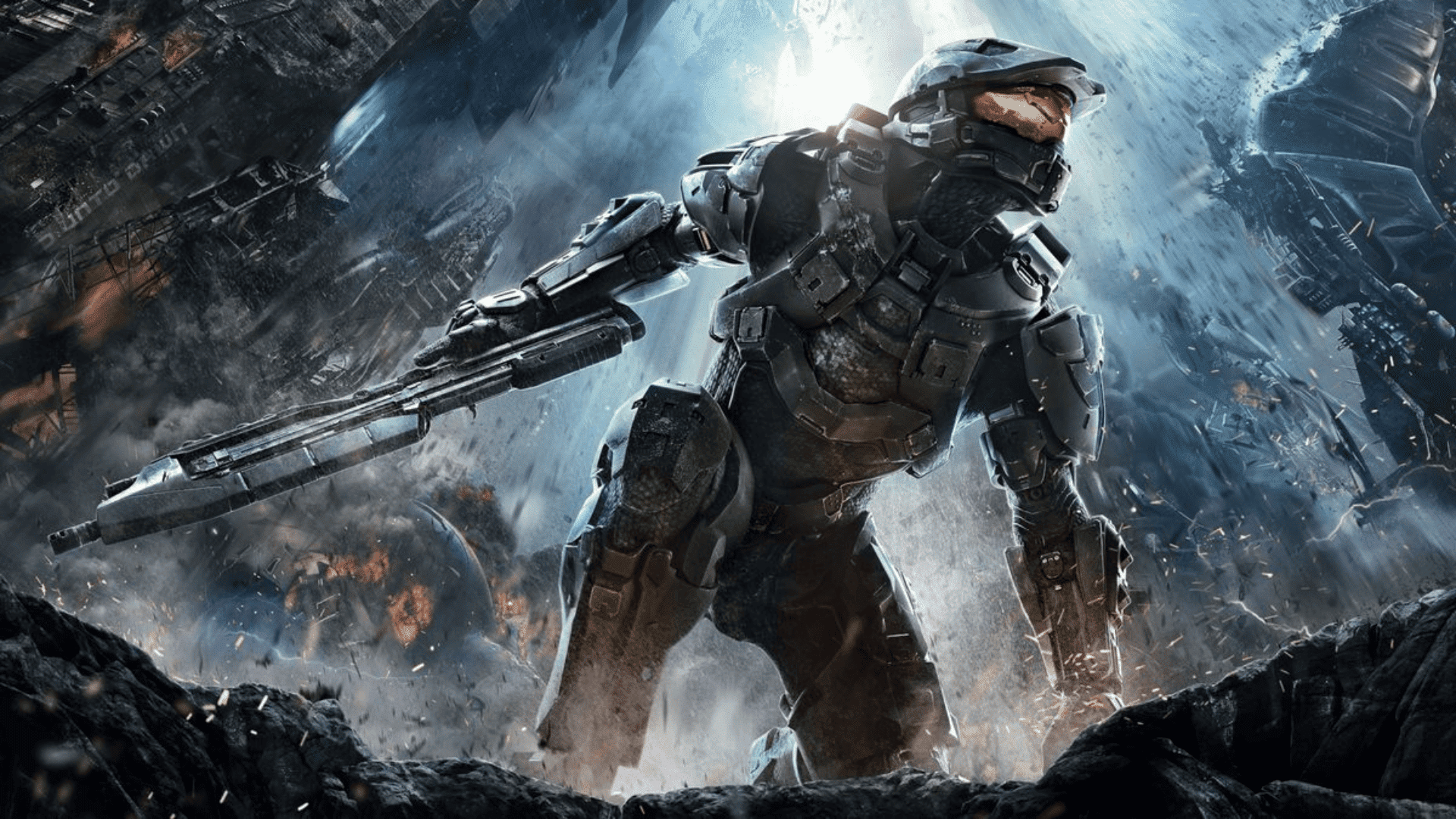
The Halo story does not follow the same release order as the games, which can be confusing at first. Playing the games in story order helps the timeline feel clearer and shows how the events connect across the Halo universe.
- Halo Wars (2531): Shows early battles between humans and the Covenant and explains how the long war began.
- Halo: Reach (2552): Tells the story of Reach’s fall and leads directly into the start of the first Halo game.
- Halo: Combat Evolved (2552): Follows Master Chief on the Halo ring, where the Flood and Halo’s true purpose are revealed.
- Halo: Fireteam Raven (2552): Retells parts of Halo: Combat Evolved from the view of another soldier team on the ring.
- Halo 2 (2552): Continues the story immediately after the first game and shows the war from both the human and Covenant sides.
- Halo 3: ODST (2552): Focuses on a small squad of ODST soldiers during the events of Halo 2, showing the war from a ground-level human view.
- Halo 3 (2552–2553): Concludes the original trilogy as Master Chief fights to end the Covenant and stop the Halo threat once and for all.
- Halo: Spartan Assault (2554): Set after Halo 3, it features Spartan missions that help stabilize human space following the war.
- Halo 4 (2557): Marks the return of Master Chief and introduces a new enemy while focusing on his struggle and bond with Cortana.
- Halo: Spartan Strike (2558): Covers separate Spartan missions during the same period as Halo 2 and Halo 4, adding side stories to the timeline.
- Halo 5: Guardians (2558): Follows the search for Master Chief and shows growing conflict caused by Cortana’s actions.
- Halo Wars 2 (2559): Continues the Halo Wars story and introduces the Banished, setting up future conflicts.
- Halo Infinite (2560): Continues Master Chief’s fight on Zeta Halo and begins a new chapter for the series.
Following this order gives a clear view of how the Halo universe grows over time, from the first battles of the war to the latest fight on Zeta Halo, while keeping the overall story connected and easy to follow.
What About Spin-Offs and Remasters?
Spin-offs and remasters play an important role in the Halo series and help keep older games relevant.
Halo: The Master Chief Collection brings together several main titles, including Halo: Combat Evolved Anniversary, Halo 2 Anniversary, Halo 3, Halo 3: ODST, Halo: Reach, and Halo 4.
This collection makes it easier to play the core story on modern consoles and PC. Remakes and remasters, such as the Anniversary editions, keep the original gameplay intact while improving graphics, sound, and performance.
These updates help new players enjoy classic games without feeling outdated. There is growing interest in the remake Halo: Campaign Evolved, expected around 2026, which could retell the original story in a modern way.
Final Thoughts
Knowing the Halo games release order helps players enjoy the series in a clear and simple way.
It shows how Halo evolved from its early days into a vast universe with diverse gameplay and storytelling styles. I believe following this order makes the story easier to follow and highlights how each game builds on the last.
It also helps players appreciate the changes in graphics, controls, and multiplayer features over time.
No matter how you choose to play, understanding the release order gives useful context. If you have a favorite Halo game or a preferred order to play the series, drop a comment below and share your thoughts with other fans.