



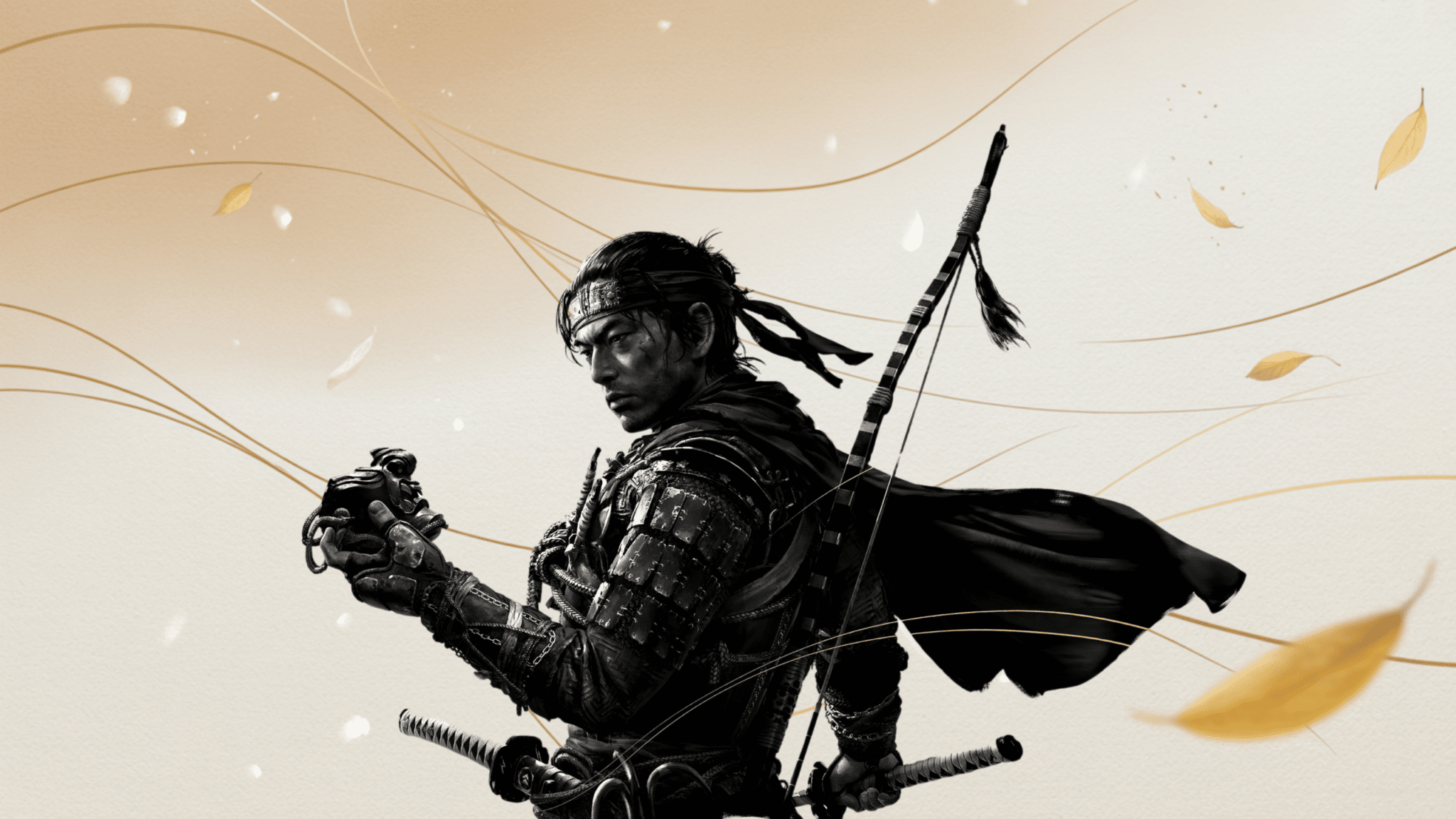
With wind ripping through pampas grass, and your katana catching golden-hour light, the whole island framed like a samurai movie that forgot it’s a video game.
Then you spot your 14th fox shrine and remember you’re grinding collectibles.
That’s Ghost of Tsushima: a game that makes you feel absurdly cinematic for hours until you treat it like a checklist and the magic leaks out.
It launched on PS4 in July 2020, hit PC in May 2024, and sold over 13 million copies. Writing this Ghost of Tsushima review, I realized why: Tsushima isn’t just “pretty.”
It’s the kind of pretty that makes you walk slowly on purpose.
I went in expecting beauty. I didn’t expect to feel this cool this often.
The First Time Combat Clicked, I Stopped Blinking
Combat in Ghost of Tsushima didn’t win me over because it’s complex. It won me over because it never let me relax.
Even basic fights had this “don’t get sloppy” tension, like the game could sense the exact moment I’d stop respecting the blade.
The best encounters weren’t button-mashing chaos; they were those tight, quiet duels where you and the enemy are basically playing chicken with steel.
And when I got into the flow, it didn’t feel like I was “winning.” It felt like I was performing. Like, I was one camera angle away from being posted on some fake Letterboxd page titled “Local Samurai Refuses to Miss.”
Standoffs Made Me Feel Illegally Confident
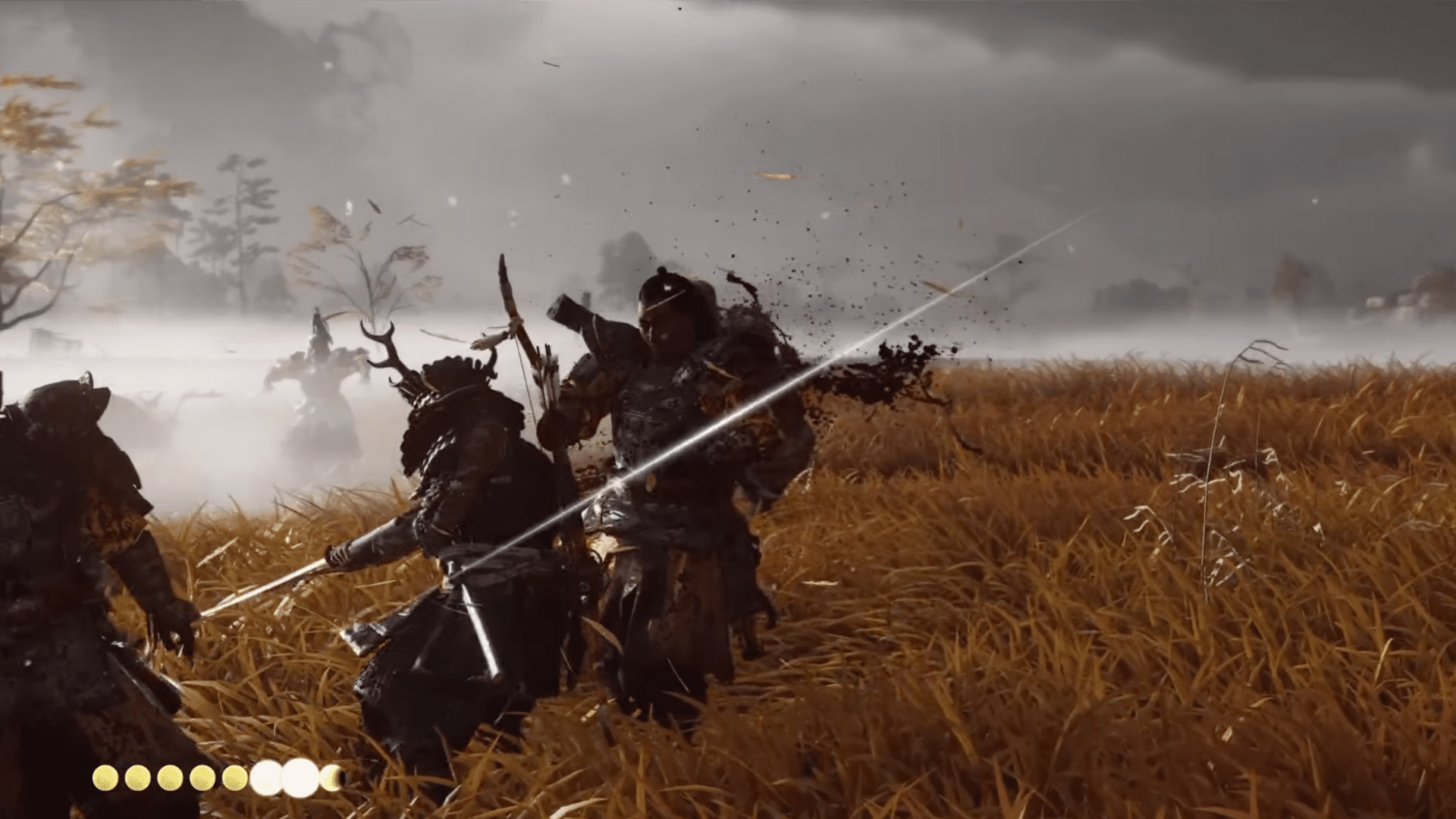
Standoffs weren’t just a mechanic I used; they were a ritual. Here’s what hit me every single time:
- The held-breath moment: Everyone waiting, the world going silent, your fingers hovering like they’re scared to move too early.
- The execution: When I nailed one, it didn’t feel like success; it felt like Tsushima itself had just nodded at me like: Yeah. You’re him.
- The loop: High focus, high style, no autopilot allowed.
GameSpot called the combat one of the game’s most transcendent highs, and honestly? I kept coming back because even 20 hours in, every clash still felt sharp enough to demand my full attention.
I Didn’t “choose” to become the Ghost; I Got Cornered Into It
Jin’s transformation didn’t land the way I thought it would. Instead of feeling empowered, I felt backed into a corner, watching tradition crumble under the weight of survival.
Here’s how my expectations crashed into reality:
| What I expected | What I got |
|---|---|
| A clean heroic arc | Watching someone slowly realize the rules they grew up worshiping won’t save anyone anymore. |
| A power fantasy glow-up | Pressure is building up behind your ribs; every loss, every compromise, every moment where tradition starts looking less like honor and more like a luxury you can’t afford when people are dying. |
| A big, dramatic switch | Quieter moments where I realized I’d crossed a line without noticing when it happened. |
The Island Is so Beautiful It Tricks You Into Exhausting It
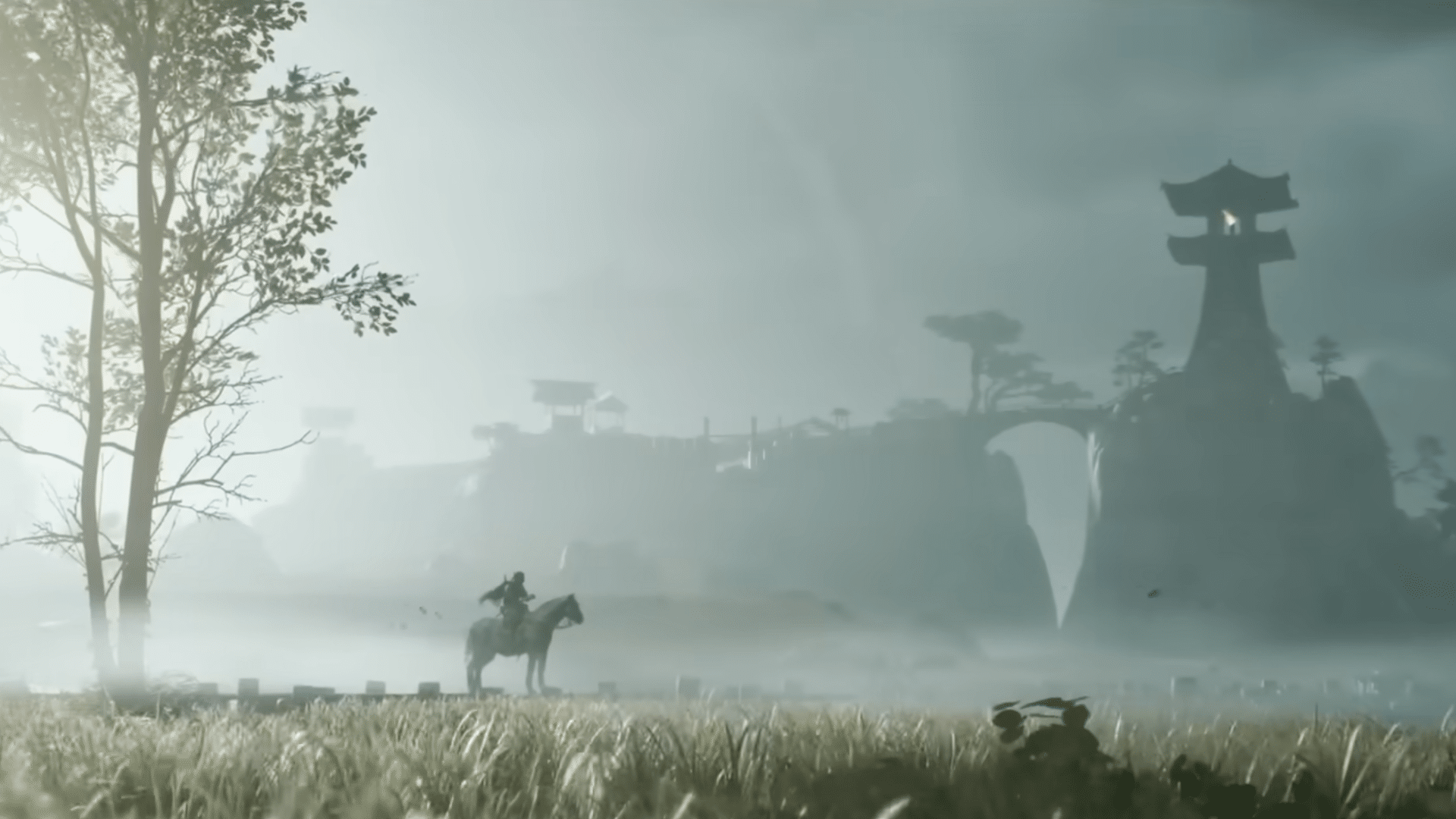
Tsushima’s visuals are dangerous, not because they’re bad, but because they’re so good they trick you into playing wrong. Here’s exactly how that seduction played out for me:
- The visuals stopped me in my tracks: Tsushima constantly fed me scenes that felt handcrafted for screenshots. Not “nice skybox” pretty, but more “nature documentary narrator” pretty.
- Beauty justified repetition… temporarily: The landscapes were so strong they made grinding feel forgivable for a while, until I realized I was fooling myself.
- Seduction into completionism: The island made wandering feel so good that I started thinking I should clear everything. That’s when the vibe collapsed.
- Natural flow vs. icon-chasing: Following the story felt like living in a samurai film. Clearing icons felt like working a part-time job paid in map markers.
- Critics saw the same split: A stunning atmosphere wrapped around a familiar open-world structure. The beauty kept me going even when I was just ticking boxes.
- The stupidly simple fix: I stopped playing like I owed Tsushima 100%. Suddenly, it became beautiful again.
My Ghost of Tsushima Review: Stop Treating It Like Homework
Here’s what I learned after 40+ hours:
This game seduces you into completionism, then punishes you for giving in.
The combat stayed tense and stylish. Jin’s transformation carried quiet weight under all the beauty. The world? Gorgeous enough to pull me off the path repeatedly.
But chasing every marker, shrine, and “hidden location” drained the magic.
That’s where people burn out. Not because Tsushima is bad, but because it’s too good at making you want to see everything, even when “everything” feels repetitive.
When I followed the wind, it became something rare: a game that makes you feel cinematic.
Is Ghost of Tsushima Worth It? only If You Ignore Half the Map
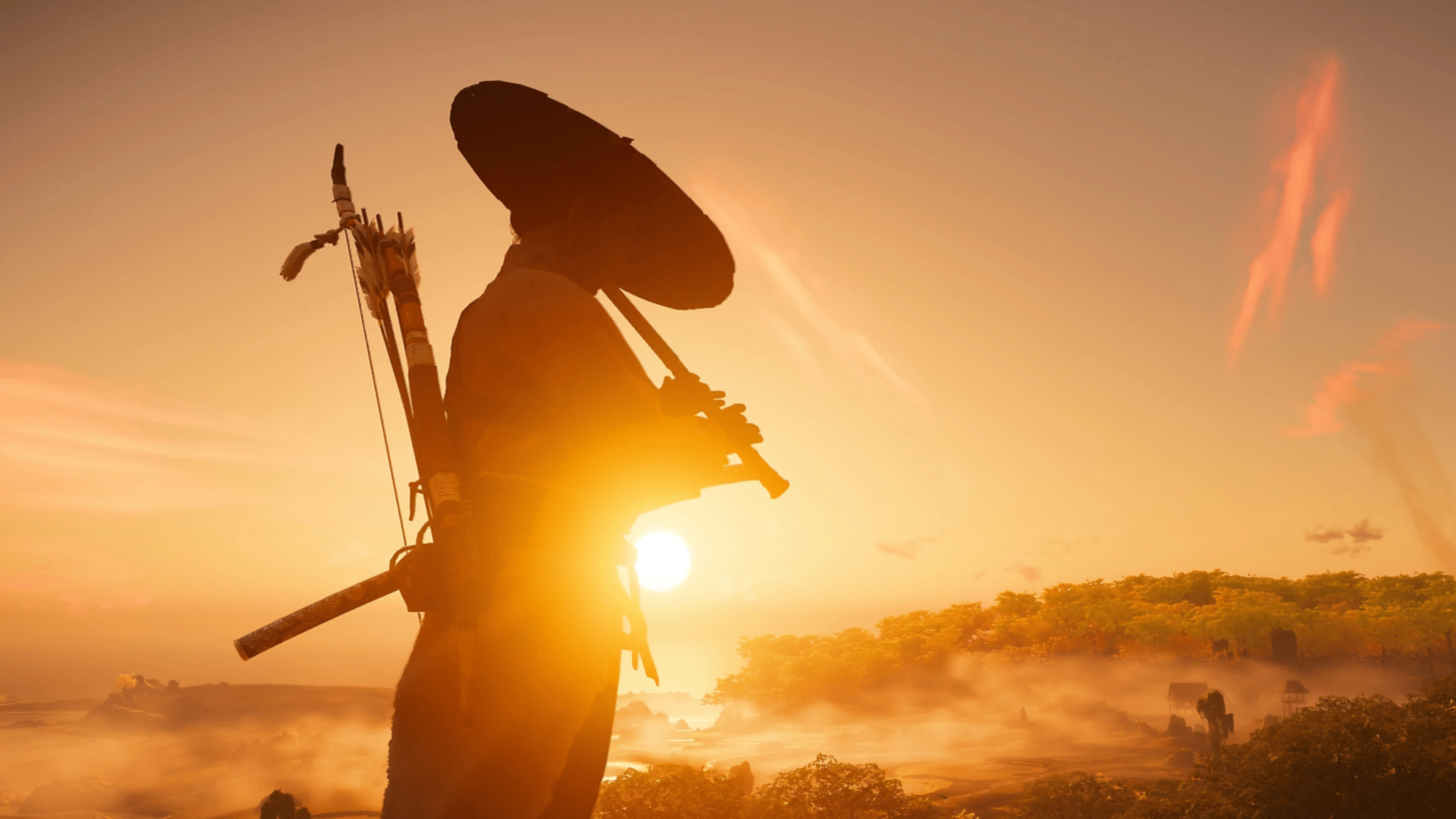
If you want a game that makes you feel powerful and effortlessly cool in a way most open worlds only pretend to be.
If you want a lean, constantly evolving experience that never repeats itself, you’ll feel the seams.
This shines when you treat it like a journey, not a checklist. Critics praise the atmosphere and combat while admitting the structure feels familiar, and I’m right there with them.
You’ll probably love it if you want
- Swordplay that keeps you locked in instead of half-asleep
- An open world that rewards wandering and mood
- A story that feels heavier over time
You might bounce off if you need
- Tight pacing without padding
- Constant mechanical surprises
- Something that respects your time more than your screenshots folder
Final Takeaway
Ghost of Tsushima is at its best when you let it breathe.
When you stop chasing icons and start following the wind, it becomes something rare: a game that doesn’t just look cinematic, it makes you feel cinematic.
The combat stays tense and stylish. The world stays gorgeous enough to pull you off the path. And Jin’s transformation carries a quiet weight under all the beauty.
Just maybe don’t visit that 14th fox shrine.
My Ghost of Tsushima review boils down to this: treat it like a samurai film, not a checklist. The moment you do, you’ll understand why 13 million people couldn’t put it down.
If you’ve been waiting for the right moment to jump in, this is your sign: let the wind pull you into Tsushima.