




Fallout 76 had a rough start, but the game looks very different today. After years of updates, new content, and community feedback, Bethesda has turned things around.
This Fallout 76 review examines what’s changed since those early bugs and missing features. The question is: does the current version deserve your time and money?
You’ll find details about gameplay mechanics, the multiplayer experience, what players are saying now, and who should consider jumping into Appalachia.
If you’ve been curious or returning after a bad first impression, here’s what you need to know about the game now.
Fallout 76 at a Glance: Rating and Reputation
When Fallout 76 first launched, critics were very harsh. On Metacritic, the game earned a critic score of 52 out of 100 based on 46 reviews, showing that many professional reviewers found serious problems with the gameplay and bugs.
Users were even less kind, giving it 2.8 out of 10 from over 7,000 ratings. IGN initially scored it 5 out of 10 in 2018.
However, after years of updates and fixes, IGN’s 2024 Update raised the score to 7 out of 10, reflecting the improvements. Player opinions have also become much more positive.
On Steam, the game now has a mostly positive rating at about 73%, based on over 130,000 reviews. Many recent players praise the new content, seasonal events, and the friendly, helpful community.
Fallout 76 Review IGN and What Top Critics Said
IGN scored Fallout 76 a 5 out of 10 in 2018. They hated the bugs, the empty world, and the dull quests from dead people. “A mess of bugs, conflicting ideas, and monotony.” Their 2024 Review upped it to 7 out of 10.
They praised sharp combat with V.A.T.S. and fun team play. “Shooting things… is as entertaining as ever.”
GameSpot gave 4 out of 10 for no NPCs and glitches. PC Gamer rated it 60 out of 100, liking the pretty map but not the repeat fights. PCGamesN called it clunky with bad storage.
Critics agreed on launch bugs and lonely gameplay. RPGFan scored 85 in 2025 after fixes.
The Launch Troubles: Why Fallout 76 Ratings Were So Mixed
When Fallout 76 first launched in November 2018, it hit major problems that shaped how critics and players judged it. The game was full of bugs and performance issues, and it lacked human non‑player characters (NPCs), making the world feel empty compared with past Fallout titles.
One of the most discussed controversies was the collector’s edition issue, in which players were promised a canvas bag but instead received a cheap nylon version, upsetting many fans and eroding trust in the game’s marketing.
According to GamesRadar, Bethesda later admitted the launch issues were a major mistake, hurting early ratings and leaving many players and reviewers with a lasting impression that the game was unfinished or poorly handled.
How the Game Has Evolved?
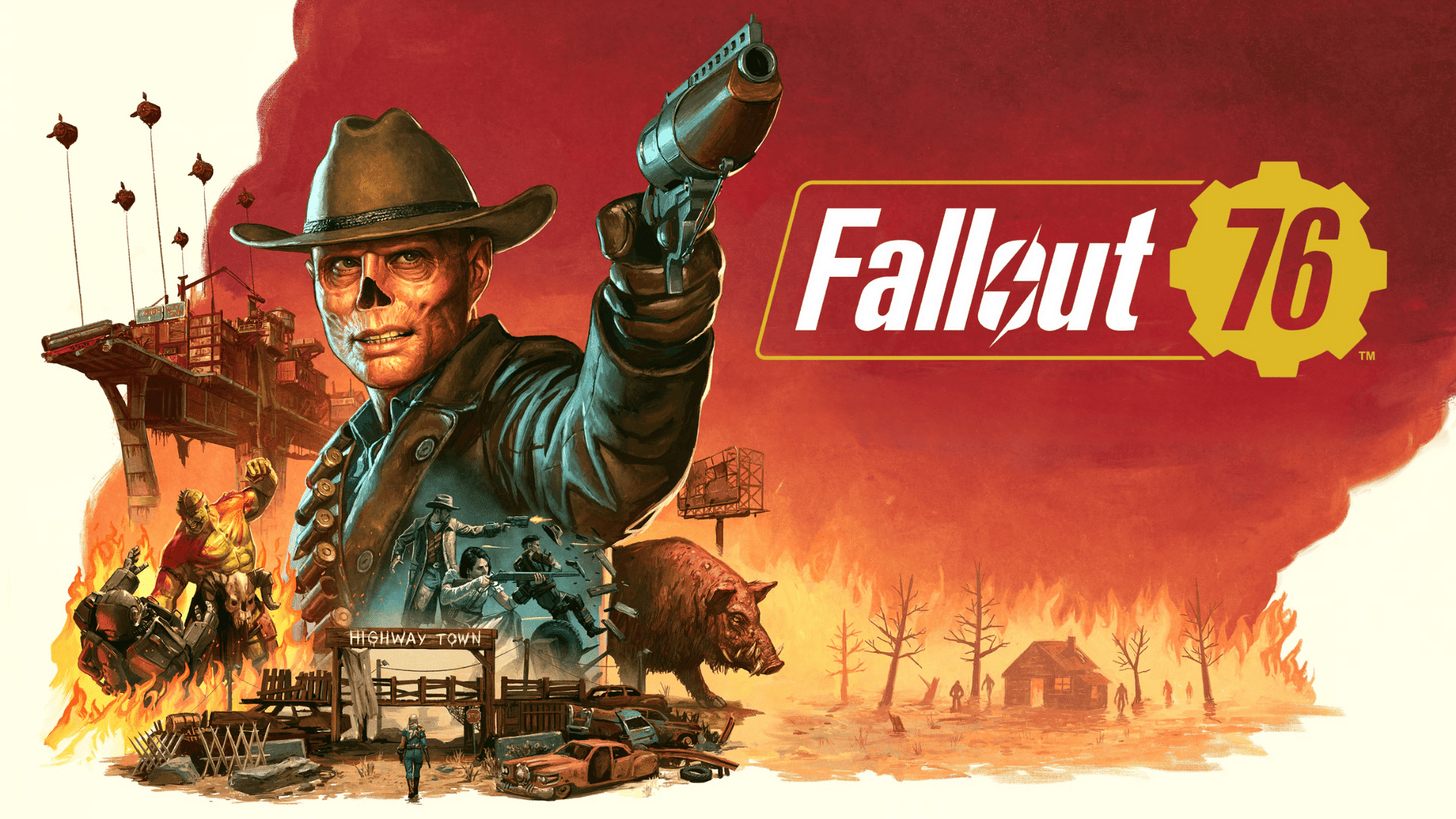
Over the years since launch, Fallout 76’s major updates, like map and story expansions, have changed players’ views by broadening gameplay and content.
Seasonal systems and repeatable challenges give the game a live‑service feel, with rewards tied to seasonal progress rather than one‑time events.
There have also been limited‑time events like Free Play Weeks, such as the one where the whole game was available for free during December 2025, including all its updates and expansions.
These changes improved Fallout 76’s reputation, attracting new players and showing growth from its rough start.
Gameplay, World, and Story: What Works and What Doesn’t
Fallout 76 offers a large open world set in West Virginia, focused on exploration, scavenging, and survival.
A typical session includes clearing abandoned areas, collecting materials for crafting, repairing gear, and joining public events like Scorched Earth, where players team up against powerful enemies.
Crafting drives progression, similar to survival games such as No Man’s Sky. Collected materials directly affect upgrades and repairs, while weapon degradation adds pressure during long exploration runs, especially early on.
Combat closely resembles Fallout 4 with real-time V.A.T.S., but it lacks the polish of modern shooters like Destiny 2.
Large multiplayer events are energetic and cooperative, though performance dips can still occur. Storytelling has improved over time.
Early reliance on holotapes felt thin compared to NPC-heavy titles like New Vegas, but later updates added human characters and stronger questlines that better support the shared-world design.
Is Fallout 76 Good for You? Should You Play It?
For me, Fallout 76 works best if you enjoy both the Fallout world and online multiplayer.
I love exploring the map, crafting, and experiencing the story, though I noticed many quests and events repeat, so it’s good to set that expectation.
If you enjoy MMO-style gameplay like I do, teaming up for events, tackling seasonal challenges, and building bases with friends is a lot of fun. Solo play can still be enjoyable, but some story content and events shine most with others.
Overall, I think Fallout 76 is great for players who want a mix of exploration, crafting, and social gameplay. Solo players can still find plenty to do on their own.
Wrapping It Up
This Fallout 76 review shows a game that’s come a long way from its troubled launch. The updates have fixed major problems and added content that makes the experience more enjoyable.
It’s not perfect, and some players still find issues with specific mechanics. But if you like open-world survival games with friends or solo exploration, the current version offers good value.
The community is active, and Bethesda continues adding seasonal content. For fans of the Fallout series who skipped it at release, now might be the right time to give it a shot.
Have you played Fallout 76 recently? Share your thoughts in the comments below.