




I didn’t come back to Cyber Sleuth because I was bored….I came back because I remembered how easy it is to fall into it.
That just one case vibe turns into okay, let me fix this Digimon’s evolution path real quick, and suddenly it’s midnight, and I’ve done everything except the thing I originally loaded the game for.
That’s basically the energy of this Digimon Sleuth review.
Since this is the Complete Edition, it includes both Digimon Story: Cyber Sleuth and Hacker’s Memory.
They run alongside each other in the same world, with different leads and perspectives.
I’m mostly talking Cyber Sleuth here because it’s the core experience for me, but I’ll bring up Hacker’s Memory too because it changes the overall package.
Tokyo, but Make It Digimon and Hacker Drama
Cyber Sleuth’s world is split between a grounded version of Tokyo and a digital network called EDEN.
The real-world side is mostly places like Nakano Broadway, Shinjuku, Akihabara, the usual Tokyo “JRPG tour” spots, but the game sells it well enough that I still enjoy running around doing detective work there.
EDEN is where the personality comes from, though. It’s basically the internet turned into a place you can walk around in, and it’s got this slick hacker vibe that Digimon weirdly fits into.
It feels modern and a little edgy, giving the game a tone that isn’t just “kids and monsters.” Even when the environments are simple, the concept is hard.
The Story Doesn’t Start Big… Then It Absolutely Does
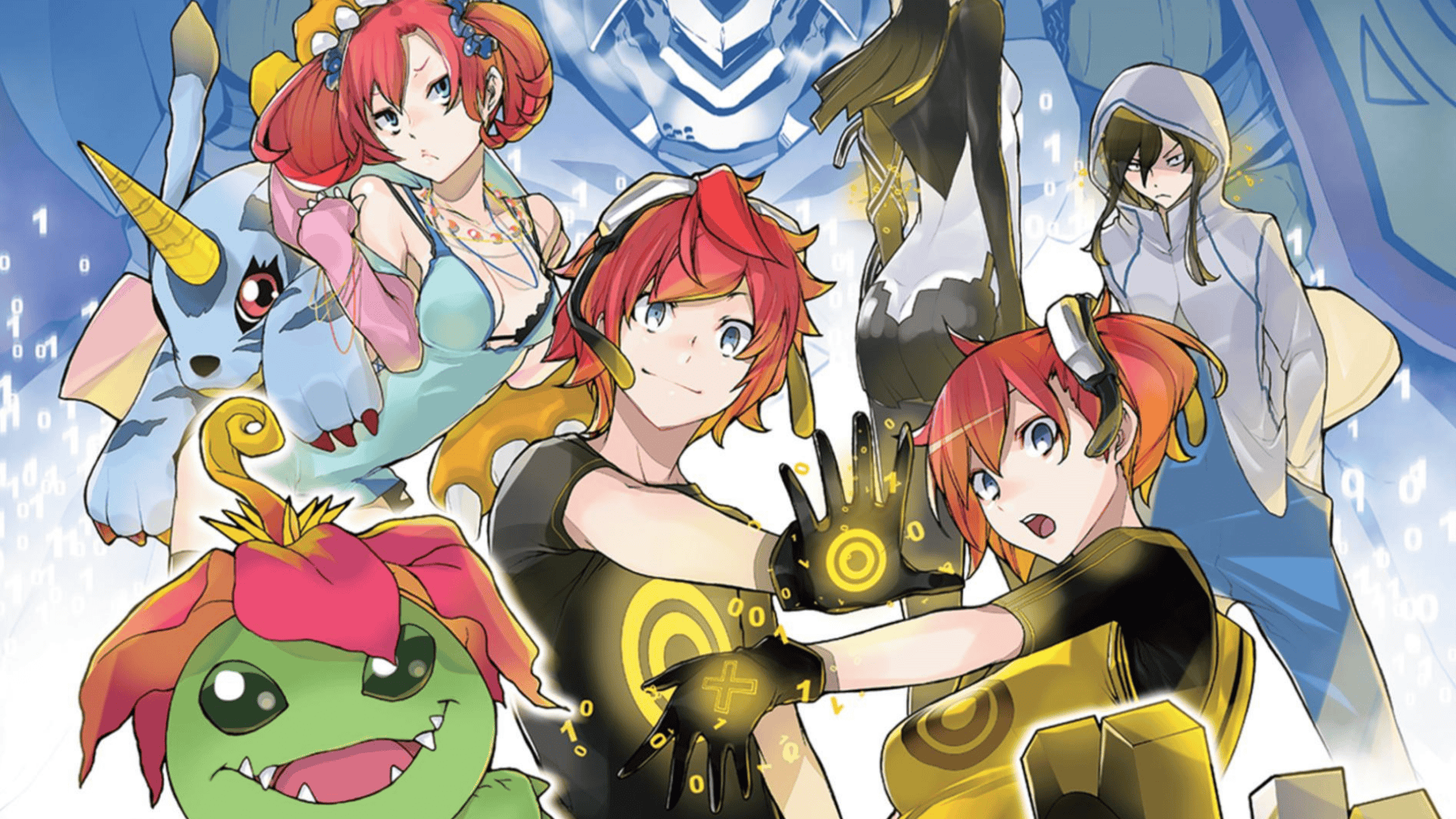
The story starts off pretty chill, cases, small mysteries, suspicious people online, but it doesn’t stay that way.
Cyber Sleuth escalates in the way Digimon stories usually do: everything feels manageable until suddenly it really isn’t, and you’re caught up in something way bigger than what you signed up for.
Hacker’s Memory, since it runs parallel, feels different. It’s more about the hacker crew side and personal stakes.
I actually respect the pacing in Hacker’s Memory more, because it doesn’t slam the brakes as hard as Cyber Sleuth does sometimes.
But if we’re talking cast and overall story punch, I’m still picking Cyber Sleuth. It’s just got that “main Digimon plot” energy.
The Game Will 100% Interrupt You Like “Go Do Errands First.”
This is the one thing I wish Cyber Sleuth handled better. Right when the main story is getting good, the game sometimes goes, “Cool, before you continue, clear a couple of cases.” And I don’t mind side cases in general… I just hate when they’re mandatory and land at the worst possible time.
Like, I remember one stretch where the game made me do two cases back-to-back before it would let me continue the main plot.
The first one was totally fine, basically the clean, simple kind of case where you talk to the client, jump into EDEN, fight a Digimon (or two), and report back. No wandering, no confusion, no “where am I supposed to go now?” Just in-and-out, done.
The other one, though? That was the kind that feels like the game is deliberately stalling you.
It was more like running to one district, getting a tiny clue, running to another district, hopping into EDEN, realizing you need a specific thing (or encounter), then bouncing back.
It wasn’t “hard” in a fun way; it was just time-consuming and felt disconnected from whatever dramatic story beat I was trying to get back to.
So by the time I returned to the main plot, it honestly felt like I’d paused a movie at the best part, gone and done chores, and come back like, “wait… what scene was I so hyped about again?”
That doesn’t ruin the game for me, but it’s a pacing problem you notice every playthrough, because it’s not the side cases themselves, it’s when the game makes you do them.
Here’s the Real Reason People Love Cyber Sleuth
The real hook isn’t the story or the setting, even though those are solid. It’s the Digimon loop. This game is ridiculously addictive if you enjoy building teams.
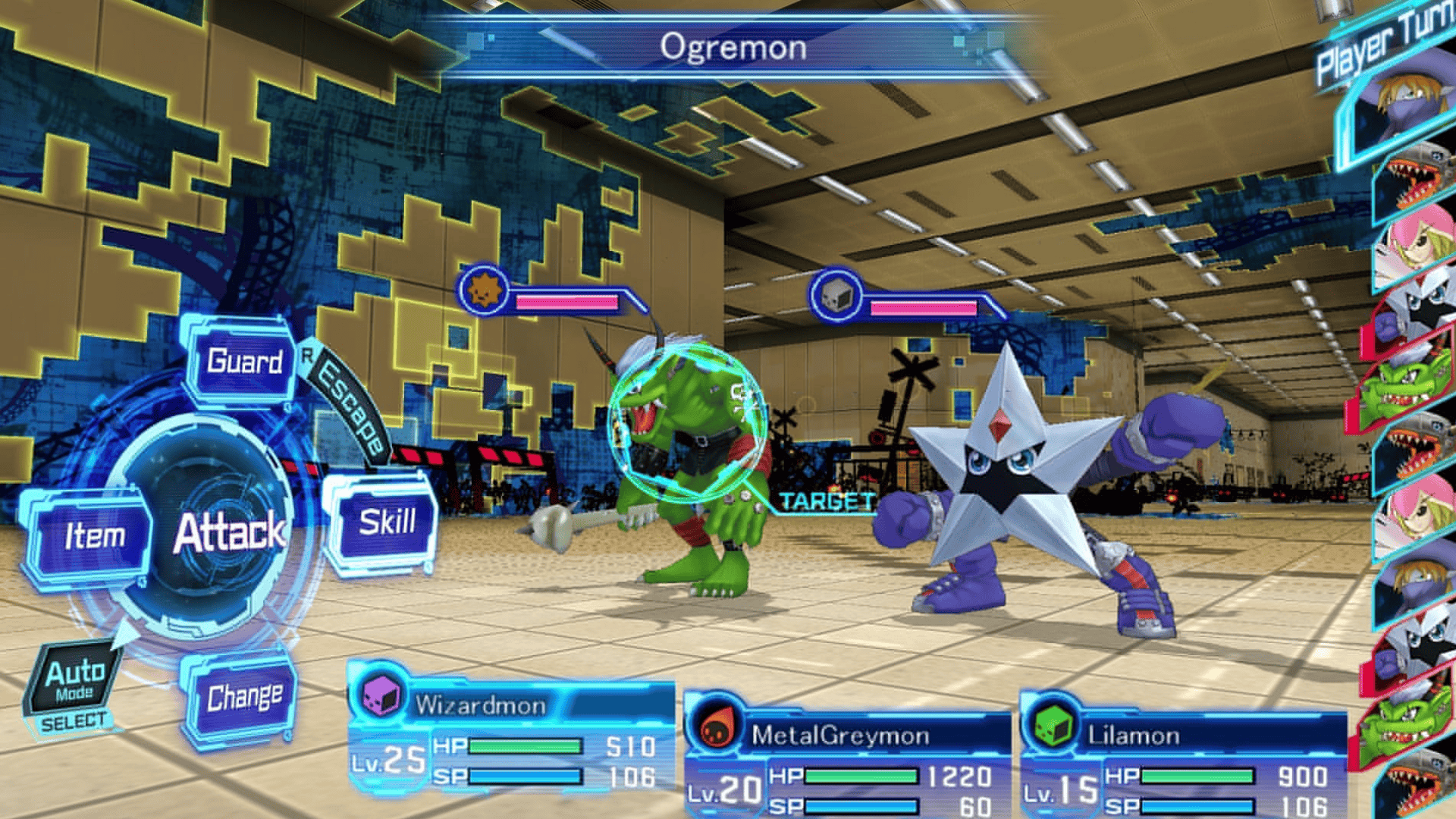
The combat itself is clean and fast, but the part people don’t always talk about is how much the game quietly asks you to pay attention.
That whole Vaccine/Data/Virus matchup isn’t just decoration. I learned that the hard way because I walked into a fight once, feeling super confident, like “my team’s higher level, I’m good,” and then I started doing pathetic damage and getting bullied, as I’d never played an RPG before.
For a minute, I genuinely thought I was underleveled… then I swapped one Digimon, fixed my matchup, and the same fight instantly became normal. That was my “okay, fair enough, I deserved that” moment.
Collecting Digimon is also weirdly satisfying because you don’t just catch them, you scan them. The more you fight a Digimon, the closer you get to making your own, and it makes the whole thing feel earned instead of lucky.
And then there’s the real rabbit hole: Digivolution and De-Digivolution.
Cyber Sleuth is the type of game where evolving isn’t a straight line. It’s more like a web, and once you realize you can go forward, go backward, raise caps, carry skills over, and basically shape your Digimon into whatever you want… You stop playing the story and start playing the DigiLab.
I’ve had sessions where my “mission” was supposed to be progressing the plot, but I spent the whole night bouncing one Digimon up and down the tree because I wanted a specific form, and I didn’t like how my stats were lining up.
That’s the game’s real power. It turns you into a Digimon addict.
The Digi Farm is the Reason I Didn’t Burn Out
If the DigiLab is the addiction, the DigiFarm is what keeps you sane. It’s one of those systems you might ignore early, but once you use it properly, it becomes the reason the grind doesn’t feel painful.
I’m the kind of player who constantly wants to try new lines. The problem is, you can’t always drag a baby Digimon into story battles and expect it to survive.
The farm fixes that. I’d throw a Rookie in there, go play normally, and when I checked back later, it was strong enough that I could actually start evolving it without babysitting. It’s such a simple feature, but it makes experimenting feel smooth.
The “Memory” System Makes Team-Building Actually Fun
Instead of letting you run the strongest Digimon possible immediately, the game limits you by using memory cost. Stronger Digimon take more memory.
At first, it feels annoying, but later you realize it’s doing you a favor because it forces you to think smart.
Early on, I used to stack whatever looked strongest and call it a day… and then I’d run into situations where I had no coverage, no support, and one bad matchup would mess me up.
Memory limits pushed me to actually make balanced teams instead of just picking my favorites and praying.
The Vibe is Great… Even when The Graphics Show Their Age
Let’s not pretend this is a modern visual showcase. It’s not. Some areas are simple, some textures feel dated, and if you’ve played newer JRPGs, you’ll notice it immediately.
But Cyber Sleuth has style. The menus are slick, Digimon designs carry hard, and the whole atmosphere works.
Even when you’re running through the same digital hallways again, the game still feels like it knows what it is.
The soundtrack is also really good, but it’s one of those “great tracks, not enough of them” situations.
I’ve had grind sessions where I didn’t even dislike the music; I just heard the same few themes so much that I ended up turning the volume down and putting on my own music.
That’s not me calling it bad. It’s just me admitting I played long enough for the repetition to catch up.
Complete Edition: Why This is the Version You Should Play
If you’re going to play Cyber Sleuth now, the Complete Edition is the easy choice. You’re getting two full games, and it’s the cleanest way to experience everything without worrying about missing content.
Also, it’s the kind of bundle that makes sense for this series because once you get hooked, you’re probably not stopping at one campaign anyway.
Even with the pacing issues and the “you can tell it was a handheld game” limitations, Digimon Story: Cyber Sleuth Complete Edition is still one of the best Digimon games out there.
The evolution system is addictive, the team-building is deep without being exhausting, and the vibe is just different from anything else in the genre.
If you like monster collectors and turn-based JRPGs, this is the one I’d still tell you to play in 2026.
It’s one for the Digimon fans, JRPG fans, and anyone who loves building teams and evolving monsters into ridiculous final forms.