



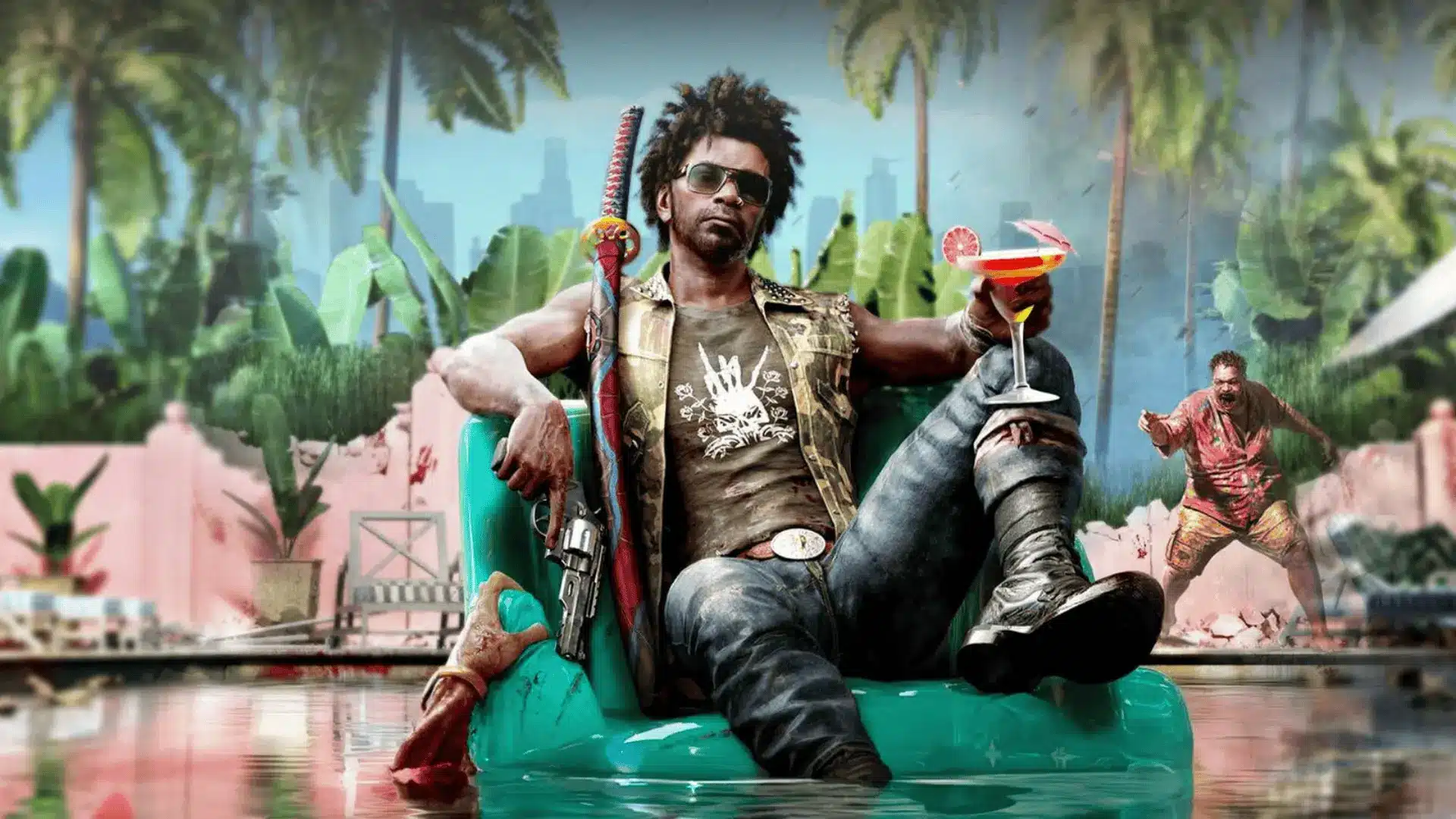
Dead Island 2 had every reason to fail. It spent years in development limbo. It changed hands more than once.
By the time it was finally released, most people had already decided what it would be. Another delayed sequel. Another half-finished zombie game. Another missed opportunity.
That is why I stayed away from it at first.
Then the game went on sale. A friend of mine who had been waiting for this sequel since the first Dead Island pushed me to pick it up.
I was never deeply attached to the series. I had played other zombie games and spent more time with Dying Light than Dead Island. Even so, I gave in.
A few hours later, I understood why people keep defending this game. Dead Island 2 is not trying to be prestige horror.
It is not trying to be a massive survival sim. It knows exactly what it is.
It is a sharp, loud, violent zombie game built around the simple pleasure of smashing through crowds of undead in places that look too expensive to fall apart this badly.
Critical Reception & Scores
Critics gave Dead Island 2 mixed-to-positive reviews, showing that while it has flaws, it still delivers solid zombie action. On Metacritic, it has a 73/100 critic score and a 7.3/10 user score, reflecting a range of opinions.
IGN gave it 7/10, noting that the combat is satisfying and the city setting is well done, even if the story is weak.
GameSpot also scored it 7/10, praising the weapon variety and co-op fun, while pointing out repetition in missions. Overall, experts agree it’s not perfect but offers enjoyable, loud, and violent zombie gameplay.
The First Thing That Hit Me Was Not the Zombies But the City Itself
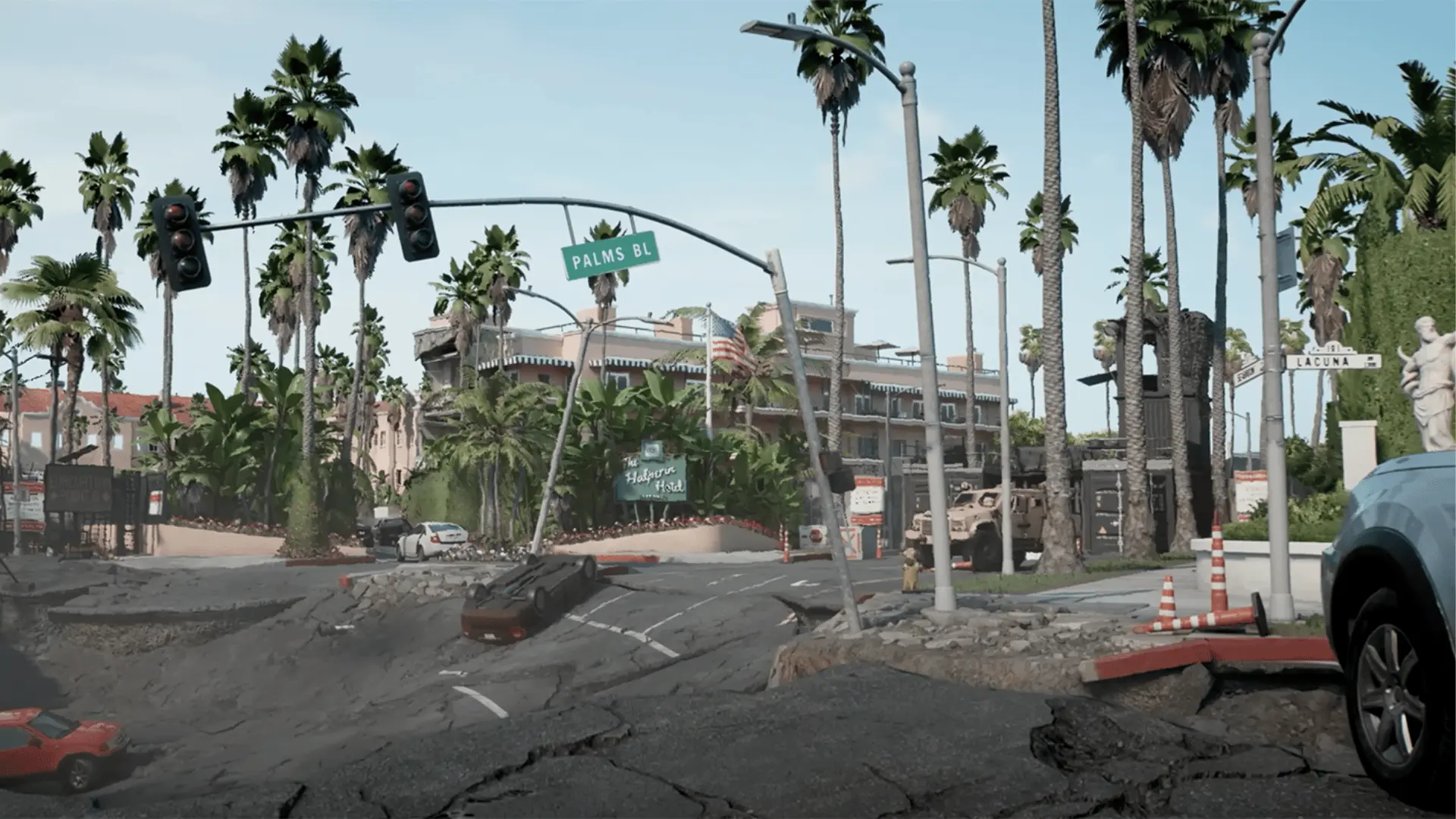
The opening stretch drops you into Los Angeles after a failed escape, and it wastes no time showing off the setting. The game calls it Hell A, which is the sort of thing that should be annoying but somehow fits the mood.
This version of LA is packed with wrecked mansions, empty streets, burning hills, and neighborhoods that still look rich even after the collapse.
That contrast carries a lot of the game. Beverly Hills looks polished and ruined at the same time. Venice Beach still has color and character even with bodies scattered across it.
The world is split into separate zones rather than a single giant map, but that works in its favor. Each area feels built with intention. Nothing looks tossed in to fill space.
I noticed that almost immediately. I was supposed to be watching for danger, and all I could think about was how good the place looked.
The Combat Hooked Me Once I Stopped Expecting Anything More Complicated Than It Needed To Be
Dead Island 2 lives or dies on its combat, and for me, that is where it earns its place. Most of the fighting is up close. You swing blunt weapons.
You cut with blades. You stomp. You dodge. You throw whatever you can. It starts simply, and the game opens up as better weapons and abilities appear.
The real standout is the damage system. Hits land with weight, and the gore is not just there for shock. It changes how every fight feels.
You do not just drain health bars. You break bodies apart piece by piece. Limbs come off where you strike them. Skulls cave in. Flesh tears back in a way that makes every weapon feel different.
That level of detail could have been a gimmick. Instead, it becomes the whole rhythm of the game.
At one point, my friend and I covered the ground in oil and waited for a group of zombies to stumble into it. One firebomb later, the whole fight turned into a mess of flames, screaming, and bodies dropping in all directions.
That was the moment the game clicked for me. It was not asking me to admire its systems from a distance. It wanted me to play with them.
The Best Parts Of Dead Island 2 Come From Letting You Get Messy With Its Tools
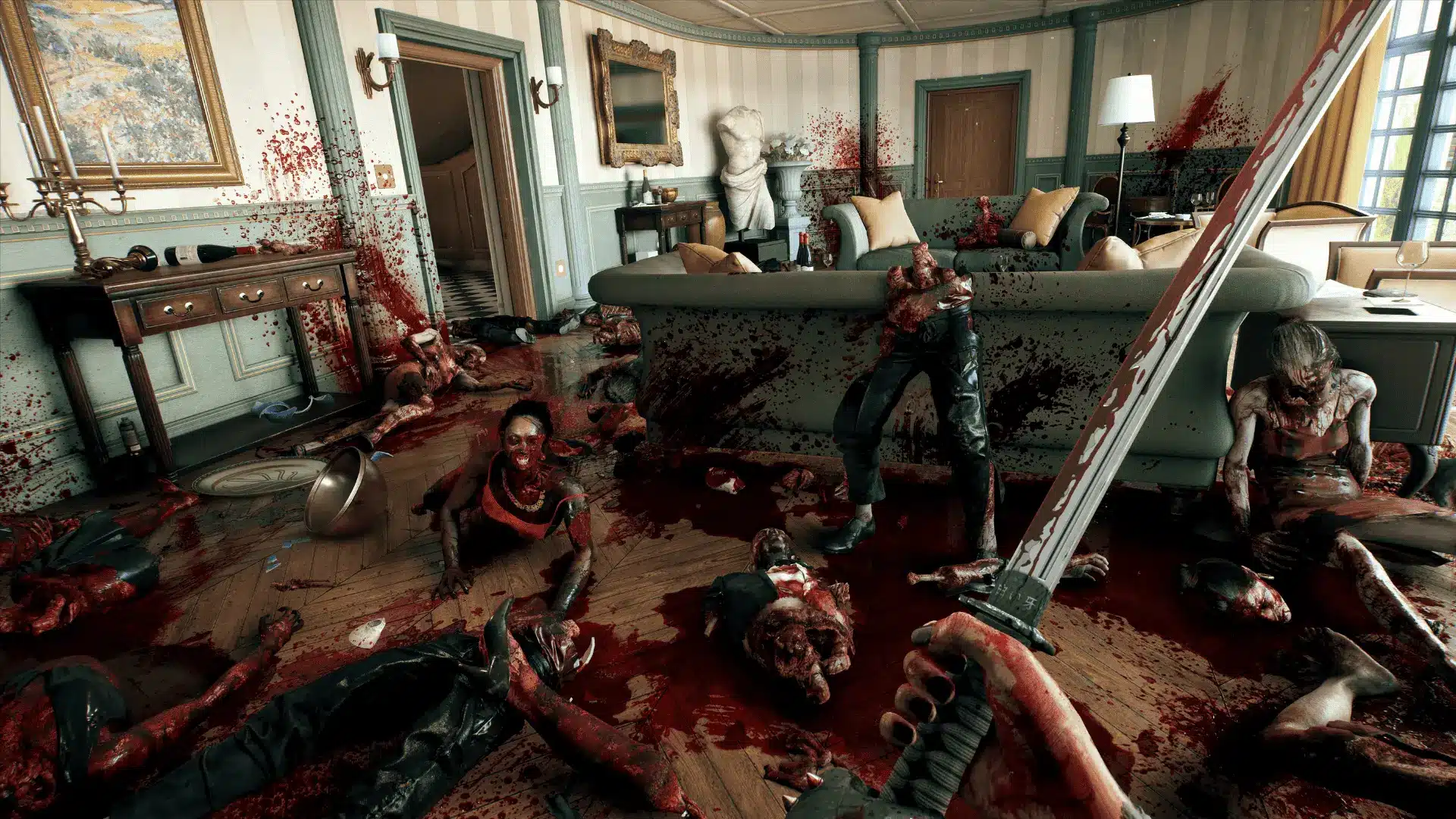
Weapons do a lot of the heavy lifting here. At first, you grab whatever works. Later, you start building favorites. Workbenches let you add elemental effects and perks so ordinary gear turns into something much meaner.
A decent blade becomes an electric one. A heavy hammer turns into a crowd clearer. A weapon you were ready to scrap suddenly becomes the thing you carry for the next few hours.
I liked that the game kept handing me reasons to experiment. I was not locked into one build for too long, and I was not punished for trying something stupid.
If I wanted to run with a shock weapon and lean into close-range chaos, I could. If I wanted to carry something heavier and play slower, that worked too.
That freedom matters because the main loop is simple. Without weapon variety and physical impact, the combat could have gone stale much earlier than it did.
The Story Never Becomes Great, But It Knows How to Keep Moving
I would not call Dead Island 2 story-driven, but I would not dismiss it either. The plot gives you enough to keep pushing forward. You are immune.
The city is collapsing. The people still alive are either desperate, strange, or both. That is enough for the game to build on.
What helps is the setting. Because this is Los Angeles, the survivors are not generic apocalypse types.
You run into actors, hangers-on, influencers, washed-up musicians, and people who still seem committed to their own image while the world burns around them.
Some of it lands as satire. Some of it is just noise. Either way, it keeps the game from feeling flat.
A lot of the side quests work better than the main plot because they stay small and specific. They give the world a little more shape without pretending there is a bigger emotional depth than the game can actually support.
Co Op Turns the Whole Thing into a Better Story than the Script Ever Could
Playing solo works. Playing with a friend is better.
The reason is simple. Co op creates the kind of moments the written story cannot.
You stop remembering mission names and start remembering the time one of you panicked and threw the wrong weapon, or the time a fight spiraled because someone triggered an explosion too early.
The game has room for that kind of chaos, and that is where some of its best moments live.
It is easier to forgive repetition when every encounter has the chance to go wrong in a different way.
The Weak Points Show up Once the Game Stops Surprising You
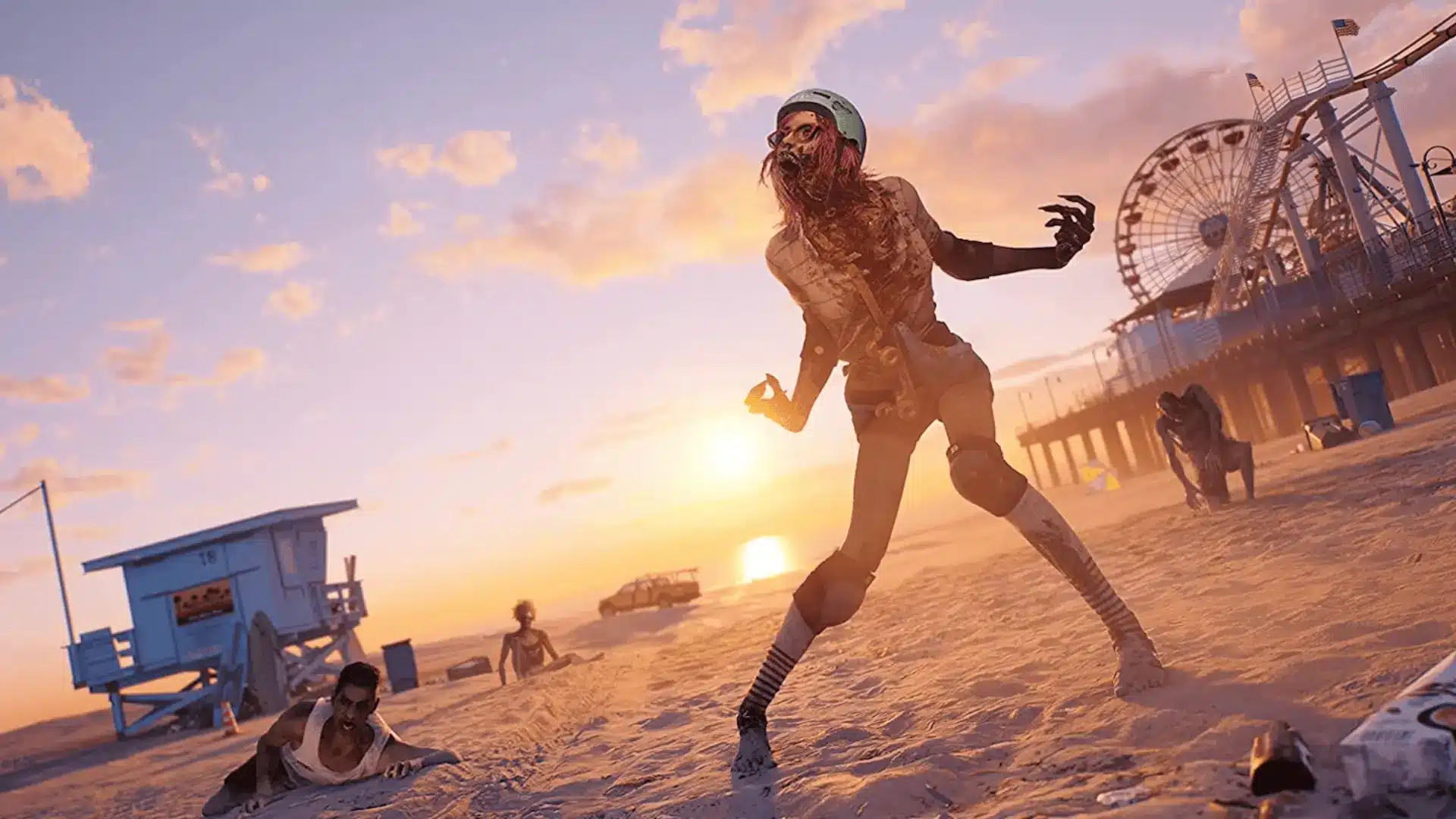
Dead Island 2 does have limits, and they become clearer the longer you play. The biggest one is repetition. For all the strength of the combat, the structure around it does not grow much.
You fight. You loot. You upgrade. You move on. Once you understand the pattern, the game has few new tricks left.
The story also loses steam near the end. It feels less like a full finish and more like a stop point. There is a difference between leaving room for more and ending before the story has really paid off. Dead Island 2 leans too far toward the second one.
Movement is another weak spot. If you are coming from something like Dying Light, you will feel it right away. This is not a game about flow or vertical movement.
You stay grounded. You fight in tight spaces. You take the long way around simple barriers. That choice fits the design, but it also makes the game feel more limited than some players will want.
Dead Island 2 Works Because It Does Not Pretend To Be More Than It Is
What stayed with me after finishing it was not the plot, the characters, or even one standout mission. It was the feel of the game.
The weight of the combat. The look of the city. The rhythm of moving from one disaster to the next with a better weapon in hand.
Dead Island 2 does not rescue the zombie genre. It does not outdo every game around it. It does something narrower than that, and it does it well. It gives you a detailed violent toybox and enough style to keep the whole thing moving.
I came in expecting a mess that happened to look good. I left thinking it was one of the better examples of a game understanding its own lane and staying in it.
If you want a deep survival story, this is not it.
If you want a zombie game that feels good in your hands and knows how to keep you entertained for a solid run, then Dead Island 2 has a lot more going for it than its reputation suggests.