



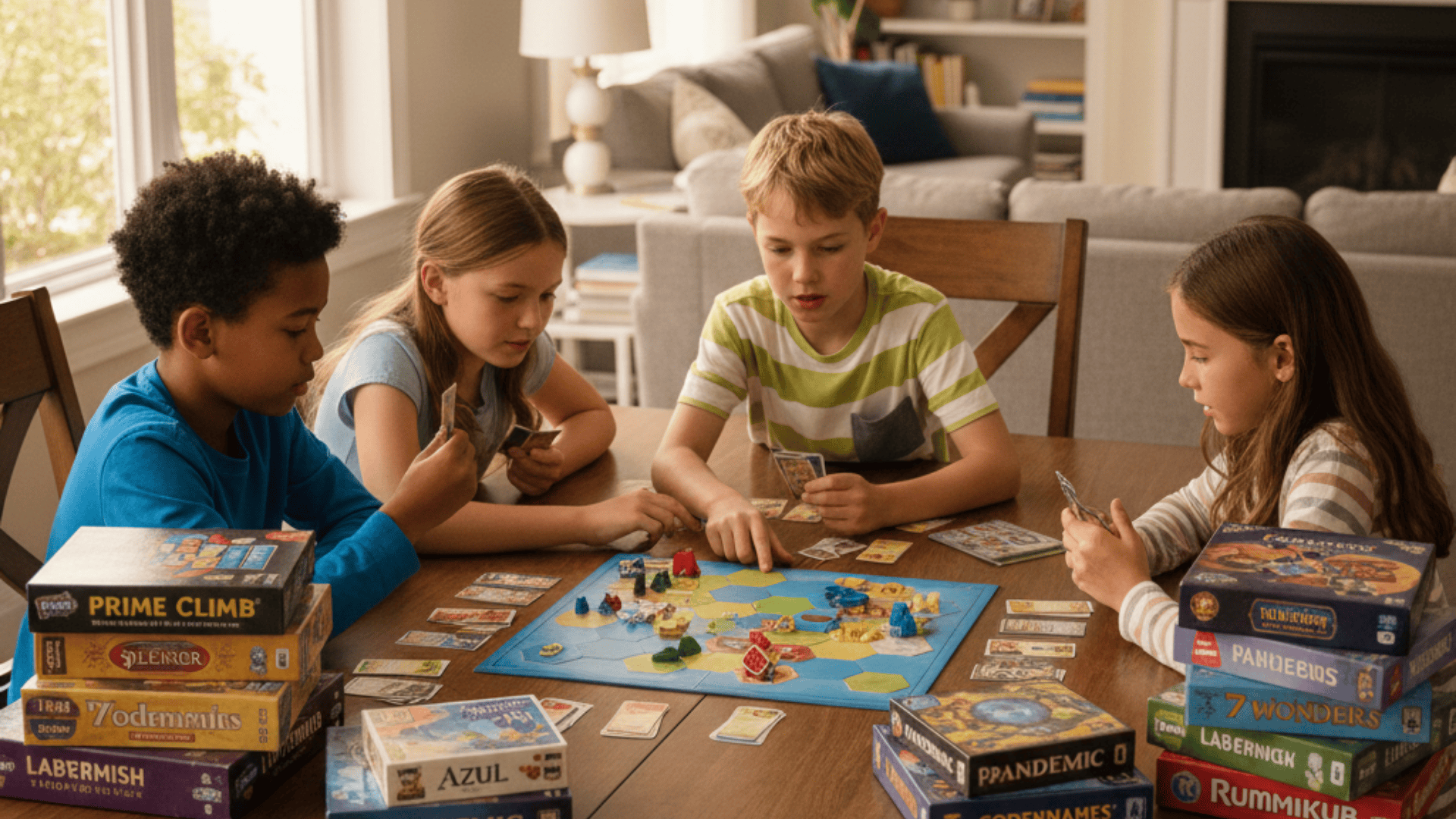
Kids spend hours glued to screens every day. Parents worry about wasted time and missed learning opportunities. But what if playtime could build real skills without feeling like school?
Educational board games solve this problem perfectly. They teach math, reading, strategy, and social skills while kids have genuine fun. No lectures needed. No worksheets required.
The best part is that these games work for all ages. Preschoolers learn colors and counting. Older kids tackle complex strategy and critical thinking. Families bond over shared challenges and laughter.
Here’s the breakdown of the top educational board games by age group. It covers preschoolers, elementary kids, tweens, and family options. Each game teaches specific skills while keeping players engaged.
Choosing the right game turns family time into powerful learning moments. Here are the options by age.
What Makes A Board Game Educational?
Educational board games teach multiple skills simultaneously through play. Understanding these six core learning areas helps parents choose games that match their children’s developmental needs and educational goals.
- Math and Number Sense: Many board games naturally build math skills through counting spaces, adding scores, and managing resources. Kids practice arithmetic without realizing it’s math work.
- Language and Vocabulary: Word games and storytelling games expand vocabulary while players read cards, explain concepts, and communicate with teammates. These activities build language skills in an engaging context.
- Memory and Focus: Board games require players to remember rules, track previous turns, and stay engaged while waiting. This naturally builds memory skills and attention span.
- Logic and Problem-Solving: Strategy games teach cause-and-effect thinking as players consider options and predict outcomes. Puzzle-based games challenge players to find creative solutions within specific constraints.
- Social Skills: Board games create natural opportunities to practice turn-taking, patience, and handling wins and losses gracefully. Cooperative games build teamwork while competitive games teach fair play.
- Fine Motor Skills and Visual Skills: Physical manipulation of game pieces develops hand-eye coordination and dexterity in younger children. Many games also require pattern recognition, color matching, and spatial reasoning.
Preschool Board Games (Ages 3-5)
Preschoolers need educational board games with simple rules, quick gameplay, and engaging visuals. These games build foundational skills while keeping little ones entertained.
1. Hoot Owl Hoot
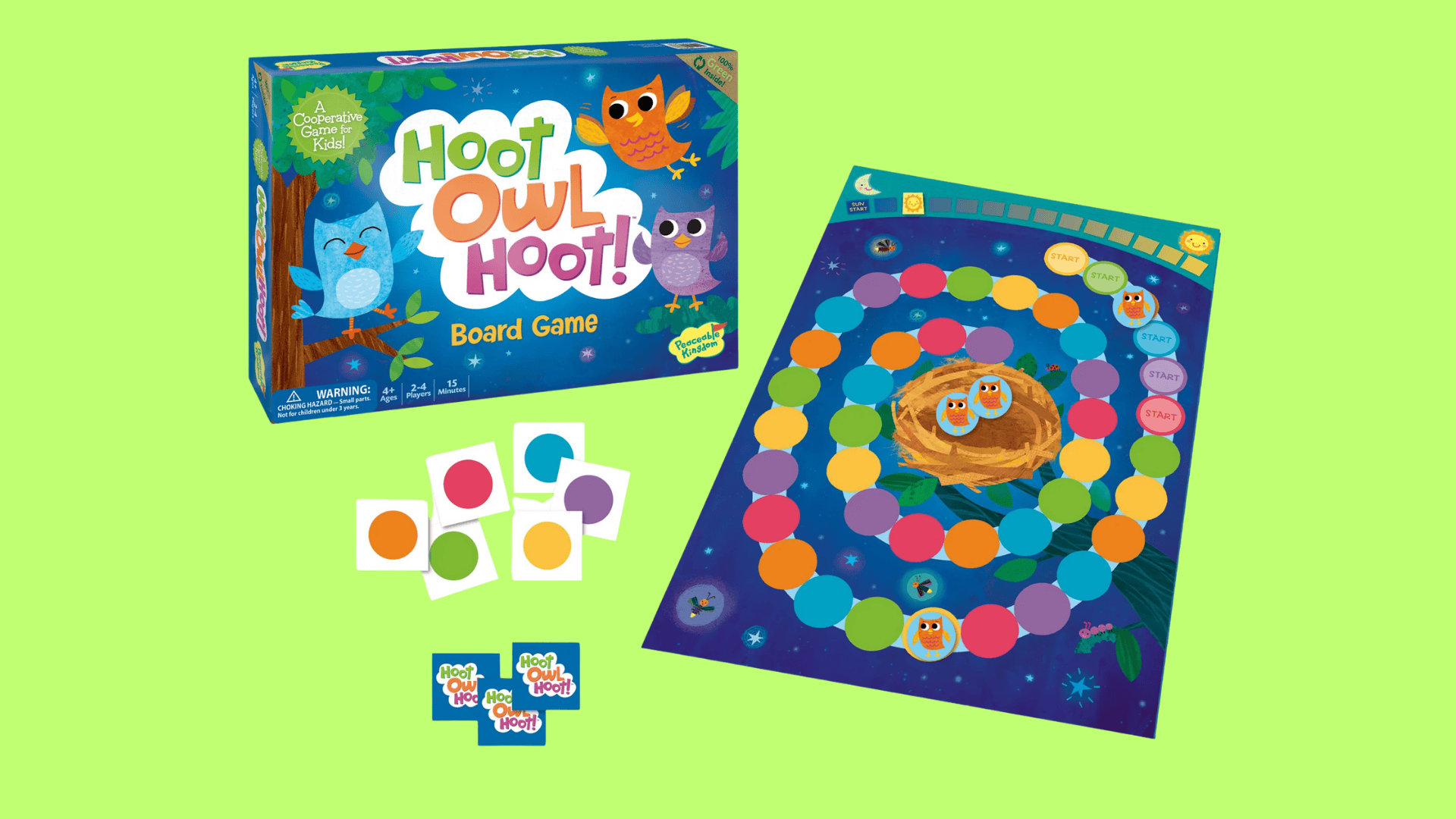
Players work as a team to move colorful owls back to their nest before the sun rises. The game uses color matching to determine moves, teaching children to plan ahead while cooperating.
No reading is needed, making it perfect for young learners. Chunky wooden pieces are easy for small hands to grasp and move around the board.
2. Hi Ho Cherry-O

This timeless counting game has children picking plastic fruit from their trees and placing it in baskets. A spinner determines how many pieces to collect or return, creating natural practice with numbers.
Children learn to count forward and backward while understanding addition and subtraction concepts. Games typically finish within 15 minutes, ideal for short attention spans.
3. The Sneaky Snacky Squirrel Game
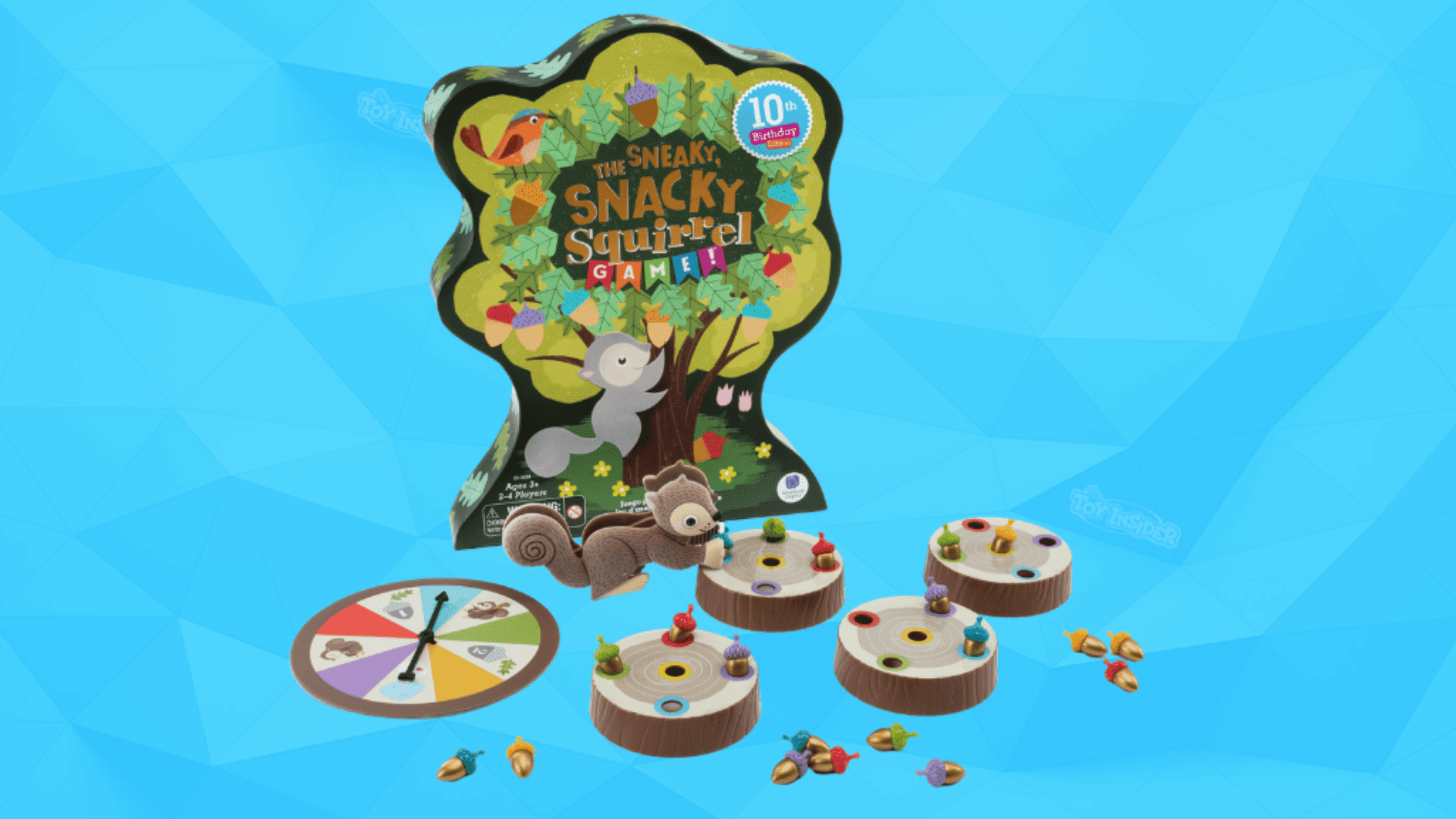
Children use large squirrel-shaped tweezers to pick up acorns and place them in their log. This unique mechanic develops hand strength and precision while keeping the play engaging.
A spinner adds an element of chance that helps younger players compete fairly with older siblings. Color matching and counting combine to create multiple learning opportunities in one activity.
4. Outfoxed
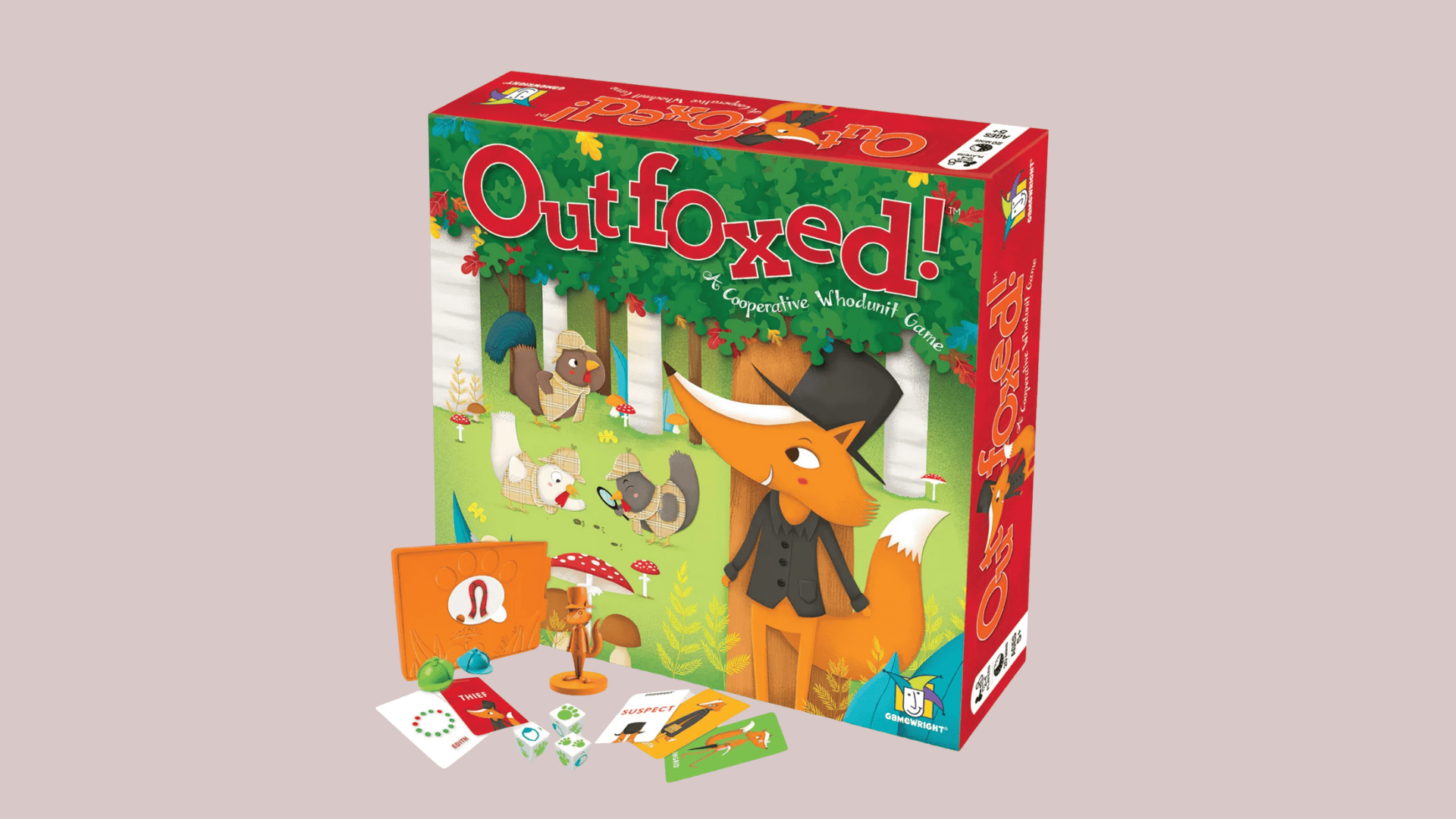
Young detectives work together to identify which fox stole a pot pie before the thief escapes. Players roll dice, collect clue cards, and use a special decoder to eliminate suspects.
The cooperative format removes competition pressure while building logical thinking. The mystery theme captures attention and encourages children to think through problems systematically.
5. Zingo
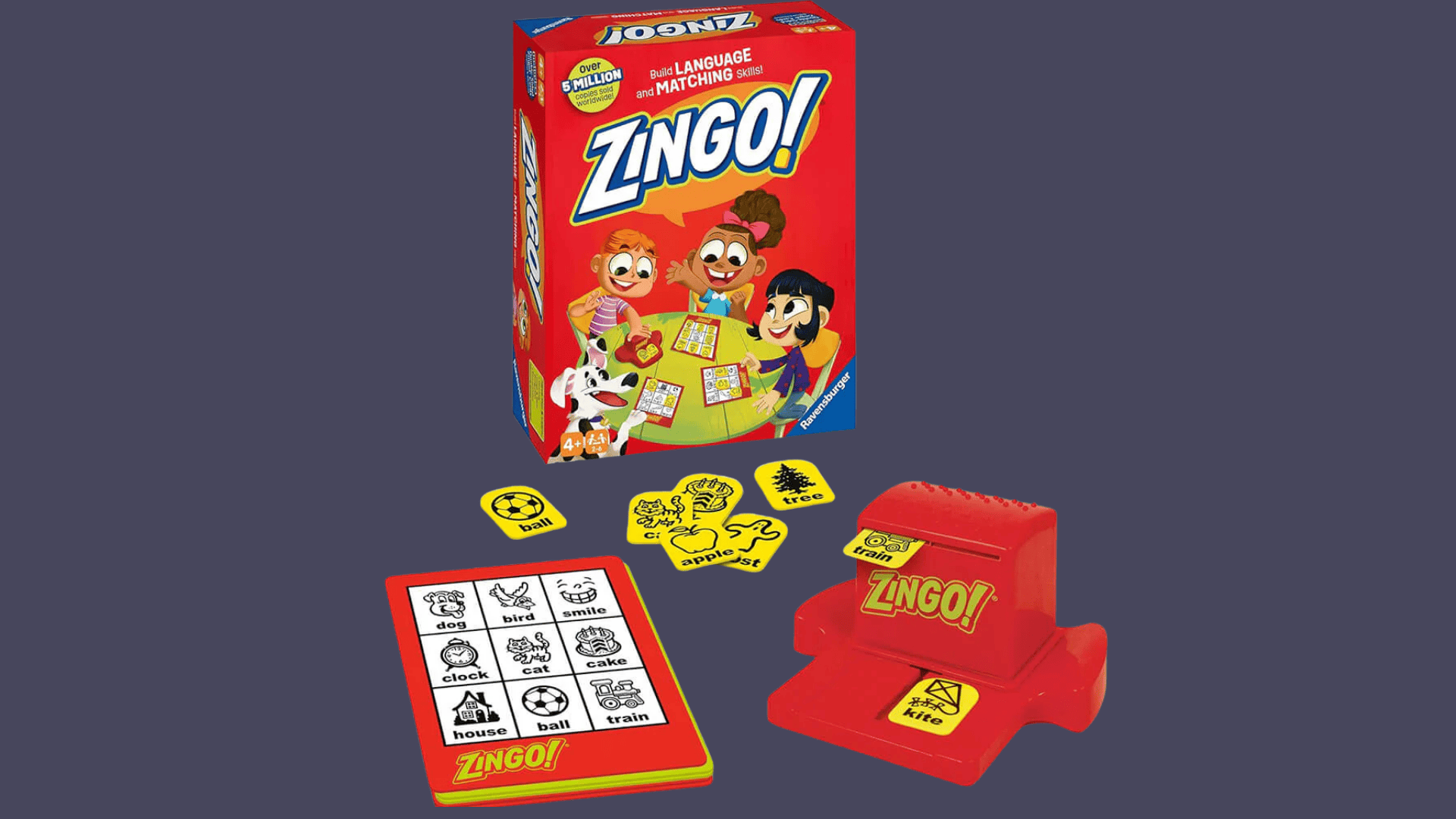
This fast-paced matching game features a mechanical Zinger that dispenses tiles with pictures and words. Players race to cover spaces on their cards when matching tiles appear.
The speed element keeps energy high while building visual recognition skills. Available versions focus on sight words or numbers, allowing parents to target specific learning goals.
6. Busytown Eye Found It
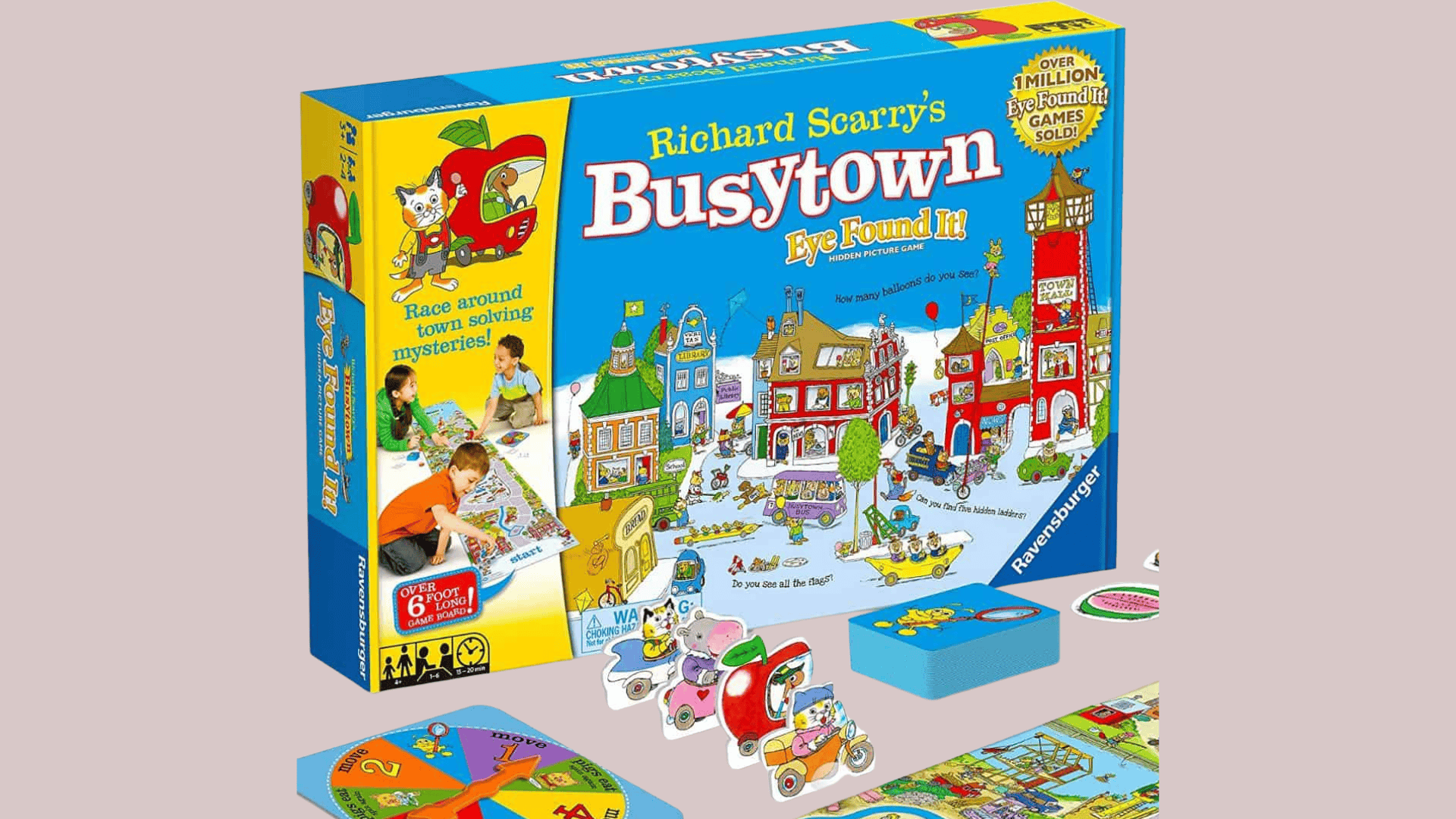
This oversized cooperative board game requires players to find hidden objects in detailed illustrations while racing against the clock. The extra-long board creates a unique visual experience that holds attention for 20 to 30 minutes.
No reading is required, as gameplay relies entirely on visual search. The detailed artwork by Richard Scarry provides rich opportunities for observation and discussion.
7. First Orchard
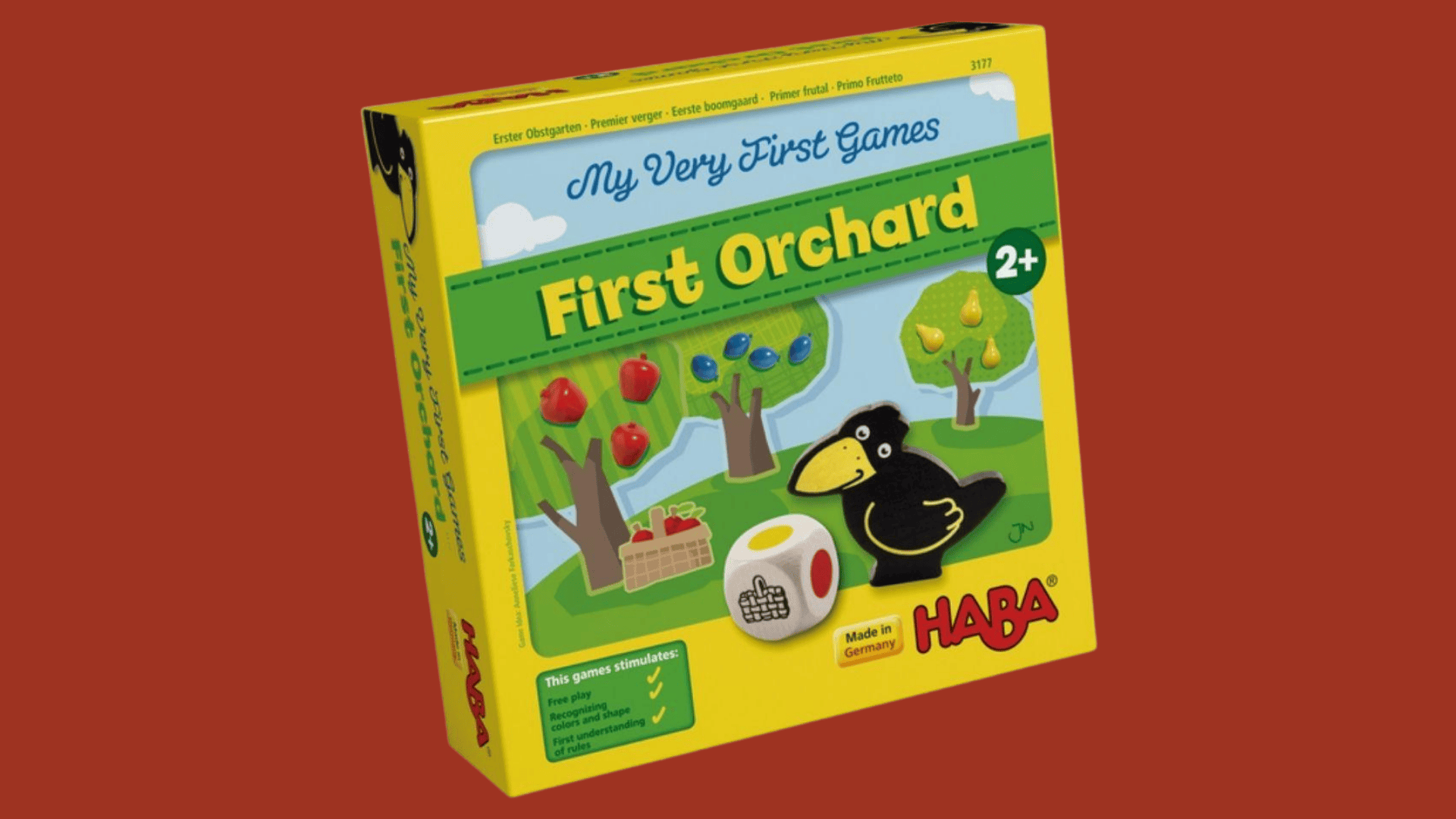
Players work together to pick wooden fruit from trees before a raven reaches the orchard. A color die determines which fruit to harvest, teaching color recognition through repeated play.
The durable wooden components withstand years of handling by young children. Cooperative gameplay introduces the concept of working toward shared goals rather than individual victory.
8. Count Your Chickens
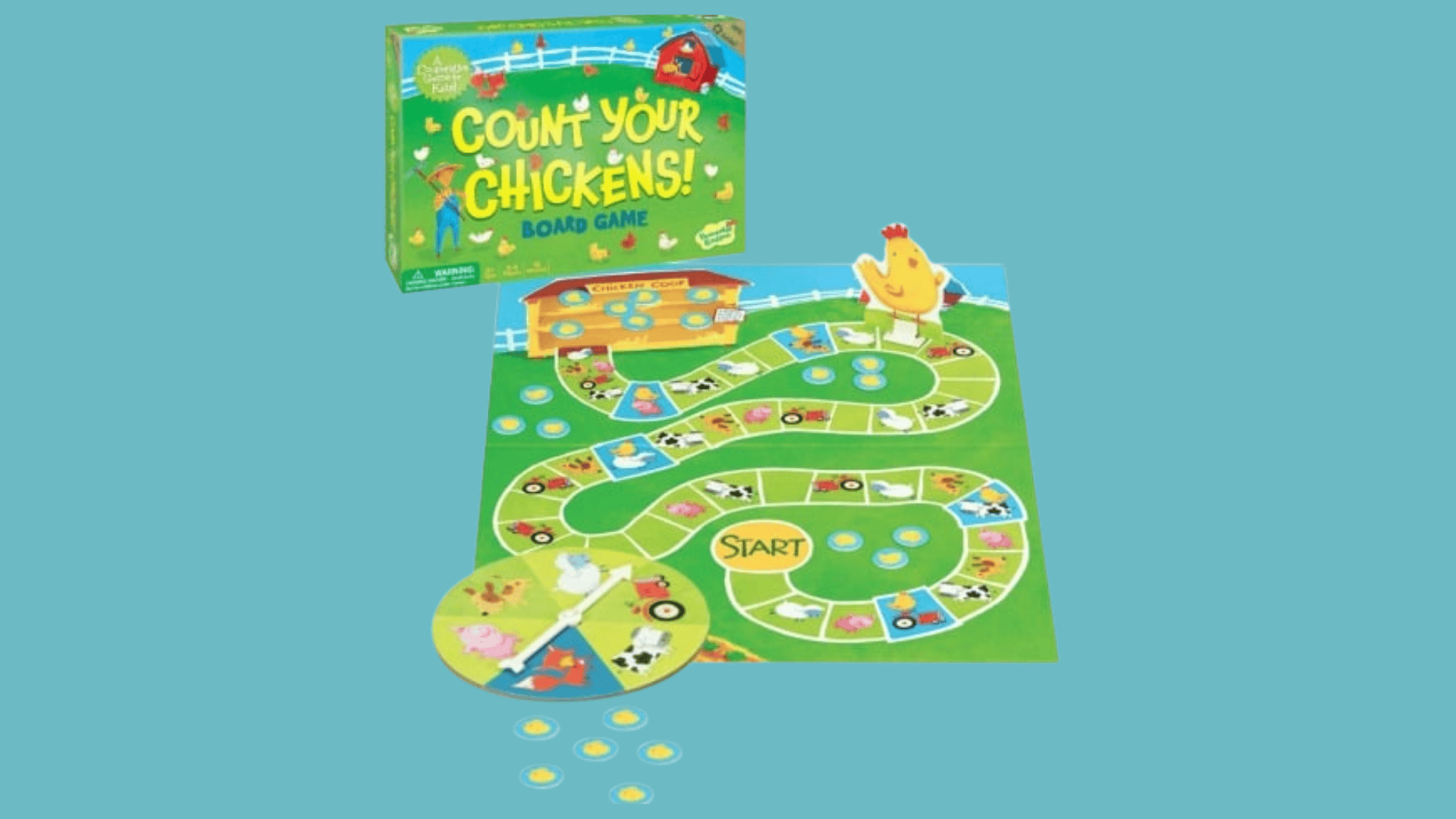
Mother Hen needs help gathering her baby chicks scattered around the farm. Players spin to determine how many spaces to move the hen while collecting chicks along the path.
The counting practice feels natural within the story context. Cooperative gameplay allows all players to celebrate together when Mother Hen successfully reaches her coop with all babies safe.
These board games for ages 3–5 help build early learning skills like color recognition, counting, and turn-taking in a fun, pressure-free way.
Elementary Age Games (Ages 6–10)
Children ages 6 to 10 are ready for more complex educational board games that challenge their growing skills. These games balance learning with engaging gameplay.
9. Sequence for Kids
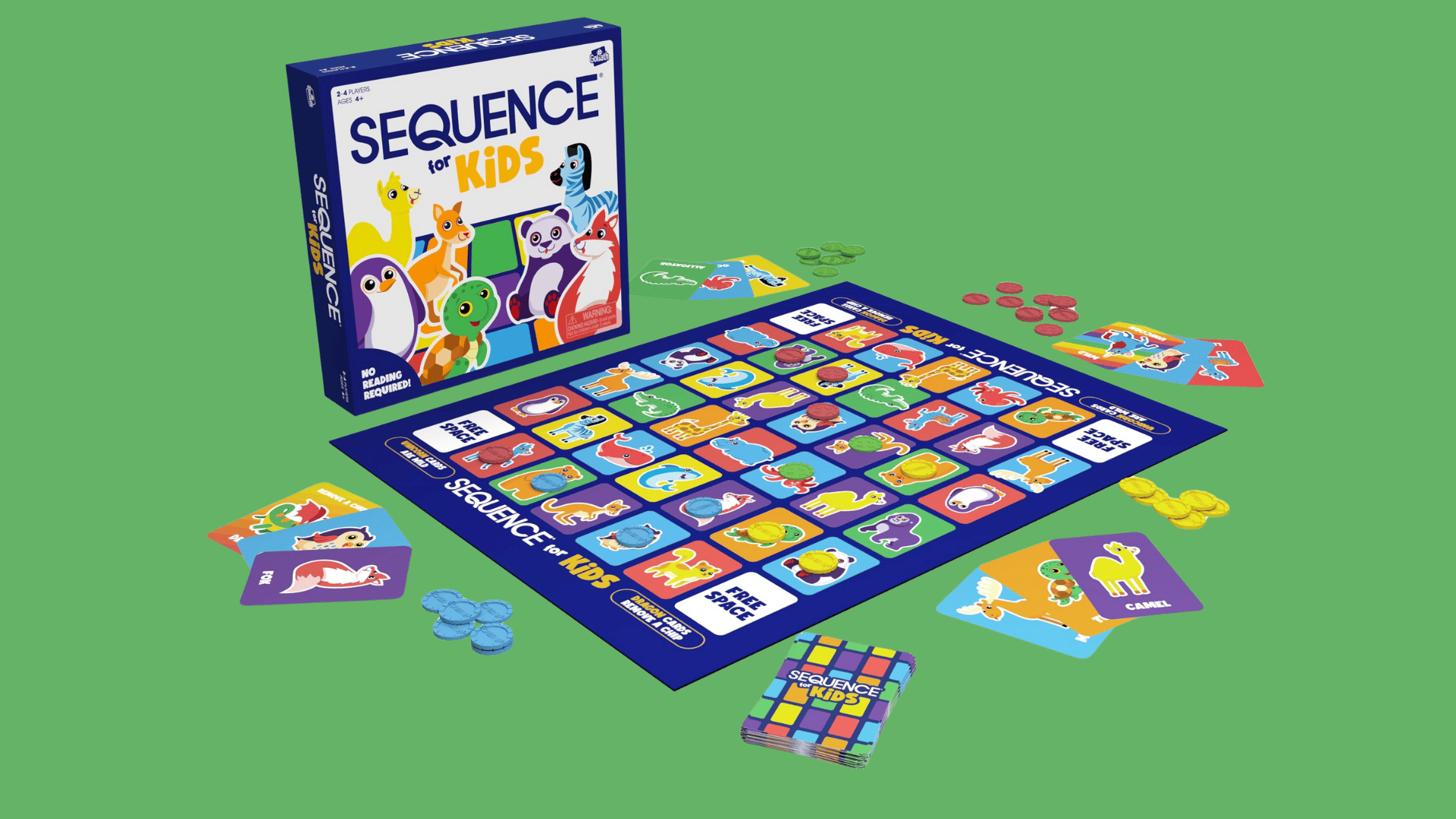
Players draw cards showing animals and match them to corresponding spaces on the board, placing colored chips to mark their spots. The goal is to create a connected line of four chips before opponents do.
This simple mechanic teaches children to recognize patterns while thinking ahead about blocking moves. The animal theme and colorful board keep young players engaged throughout.
10. Ticket to Ride: First Journey
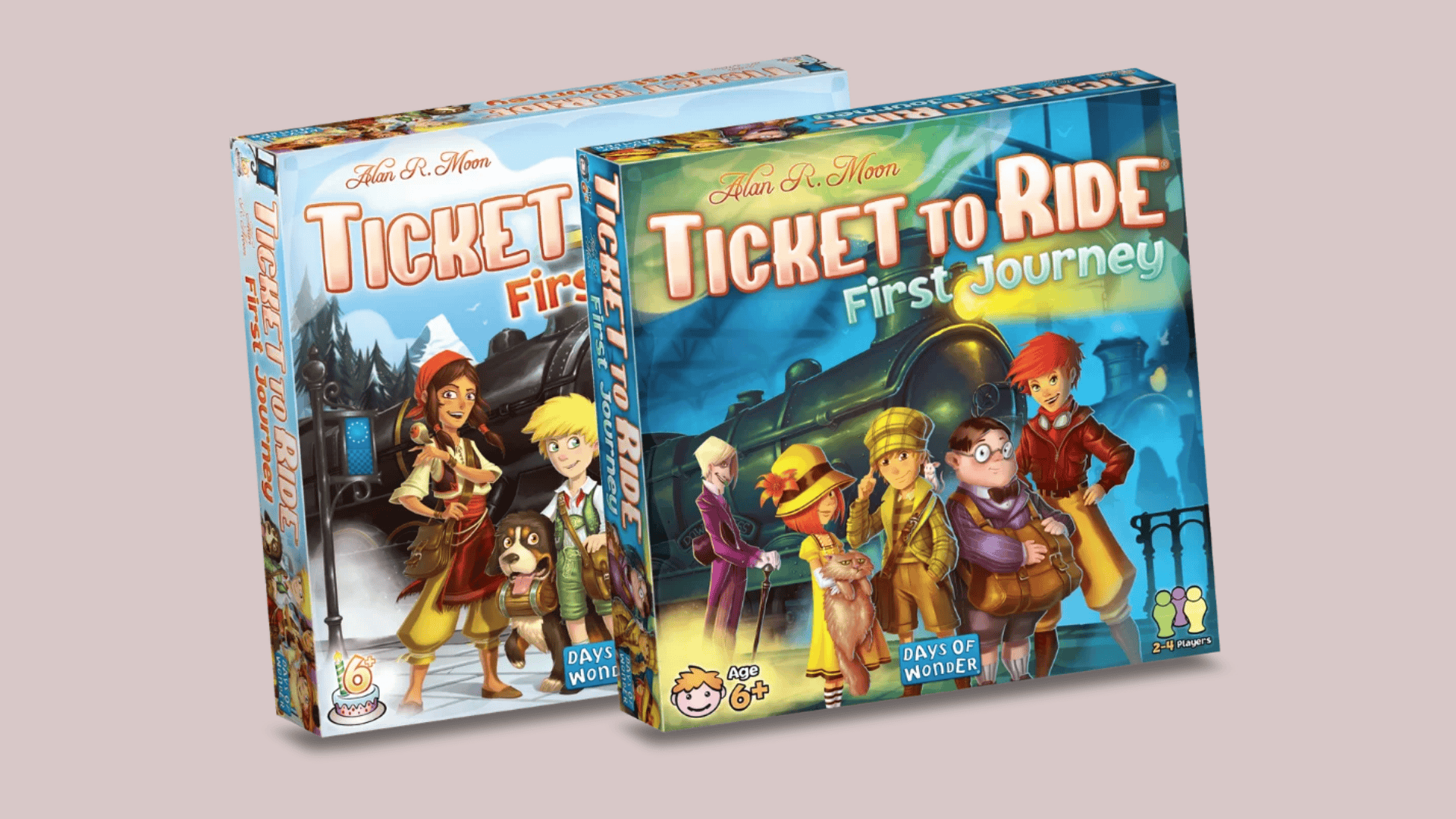
This simplified version has players collecting train cards to claim routes connecting cities across a map. Children learn basic geography as they trace paths between destinations while managing limited resources.
The streamlined rules make the game accessible while introducing planning concepts. Completing routes provides satisfying rewards that encourage continued play and learning.
11. Sleeping Queens
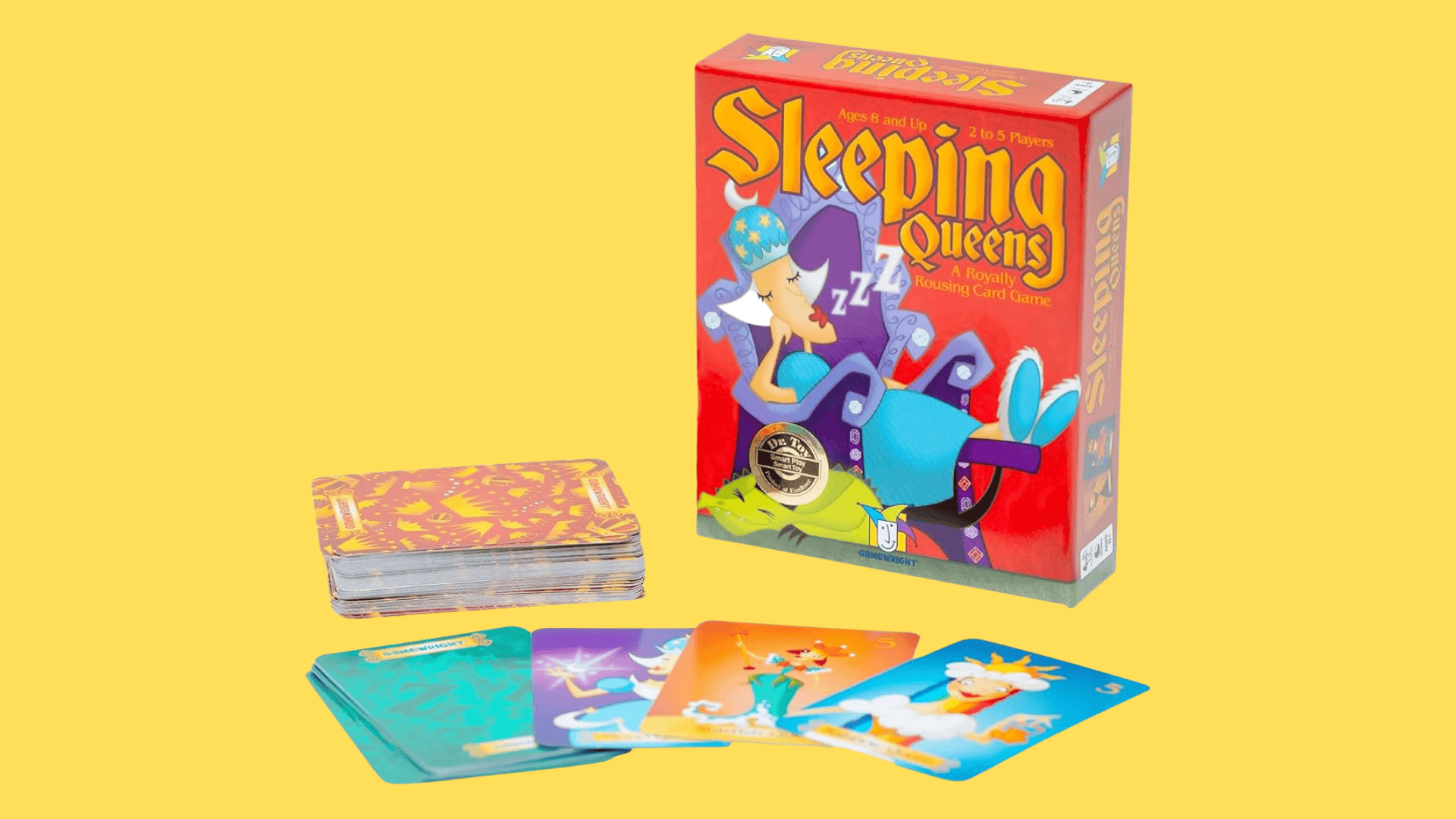
This imaginative card game has players waking sleeping queens using kings while defending their royalty from dragons and potions. Number cards allow players to wake queens by making equations that equal specific values.
Memory plays a role as children track which cards opponents hold. The whimsical theme makes arithmetic practice feel like an ordeal rather than schoolwork.
12. Qwirkle
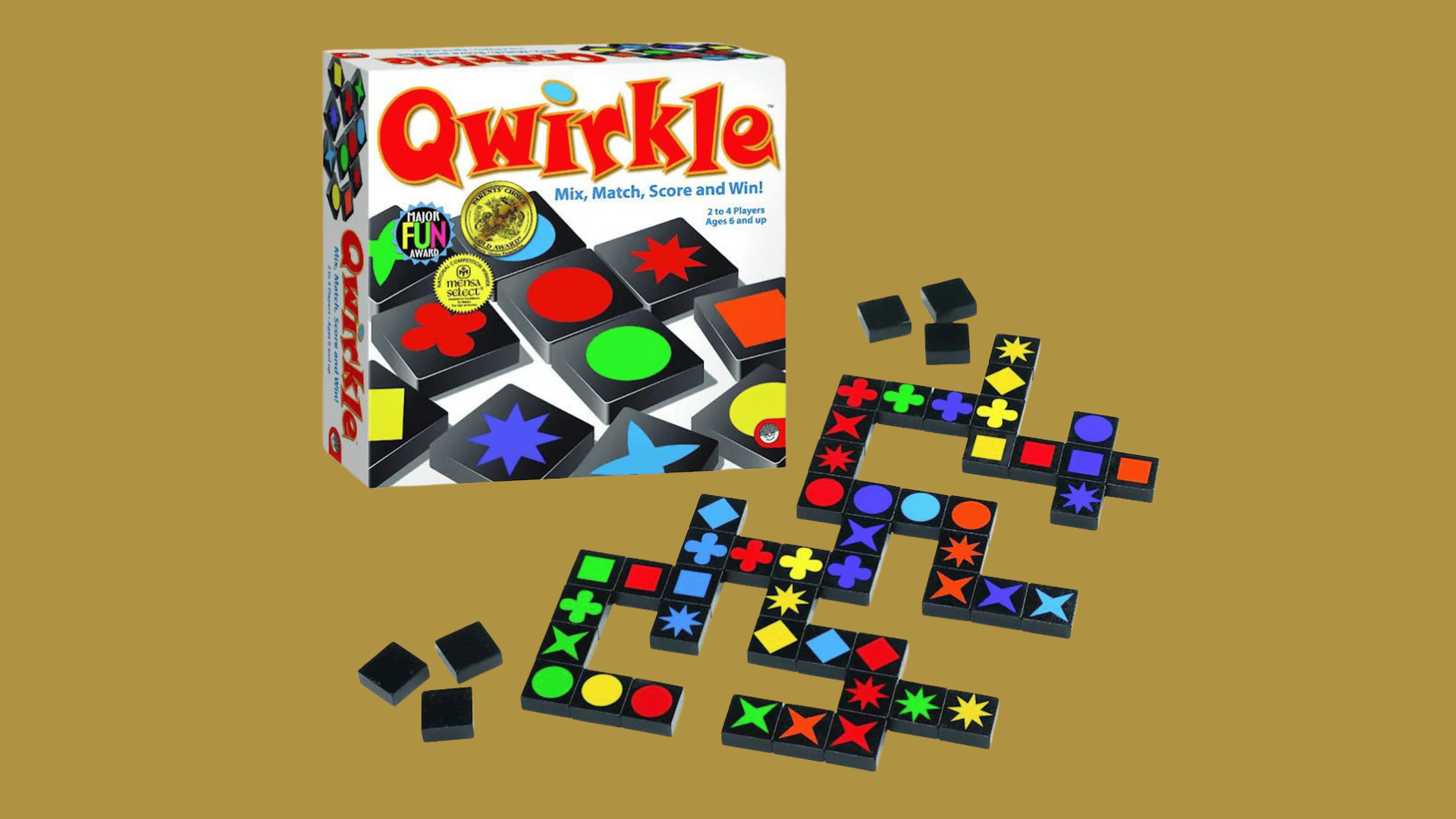
Players place wooden tiles to create lines matching either color or shape, scoring points based on line length. No reading is required since gameplay relies entirely on visual matching.
Strategic thinking develops as children balance immediate scoring with setting up future moves. The tactile wooden tiles and simple rules make this accessible to players of different skill levels.
13. Sum Swamp
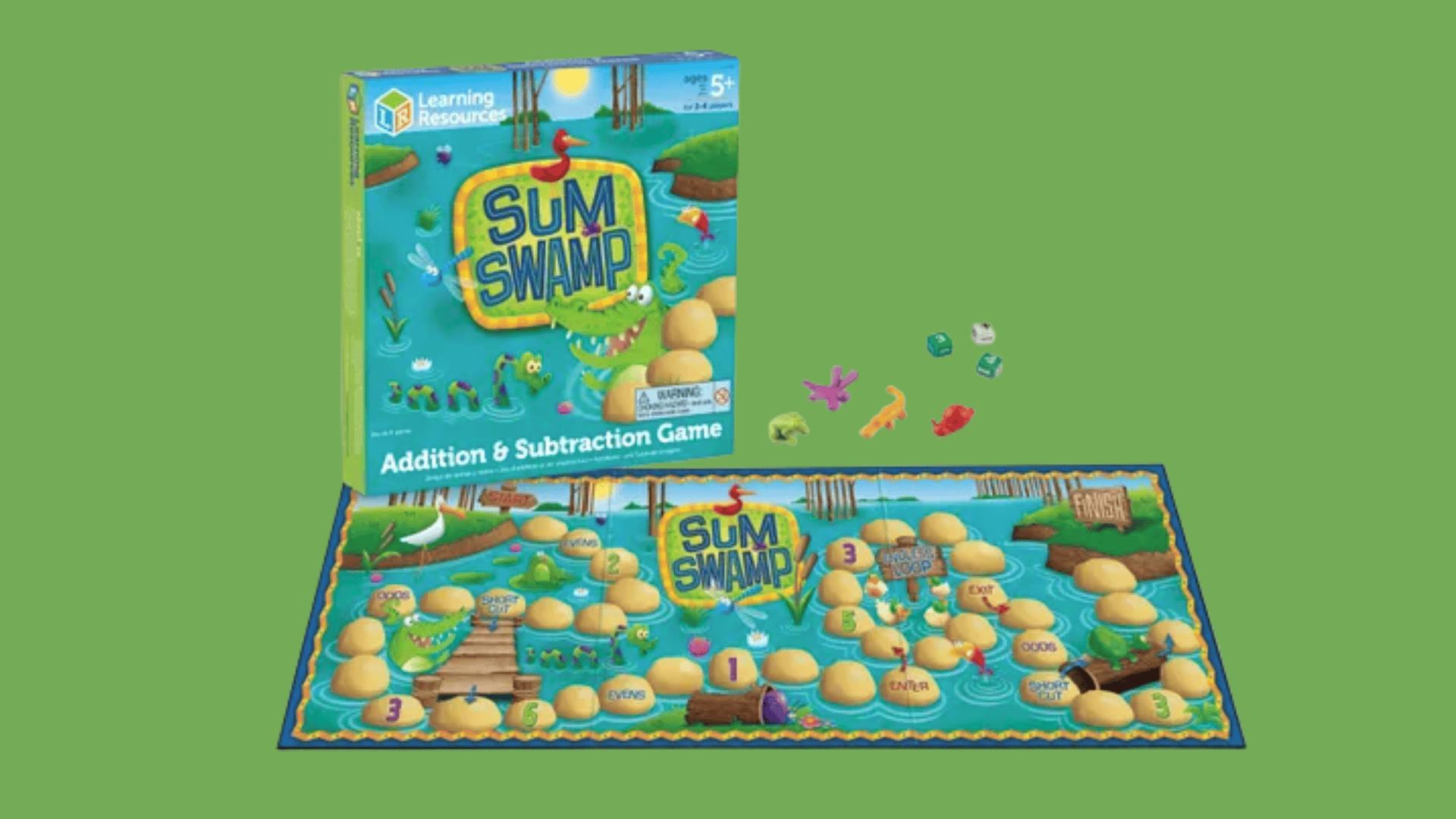
Players navigate a swampy path by rolling dice and solving the resulting math problems to move forward. Addition and subtraction practice happens naturally as children calculate how many spaces to advance.
The race format creates motivation to solve problems quickly and accurately. Silly swamp creatures and colorful artwork keep the mood lighthearted despite the academic focus.
14. Robot Turtles
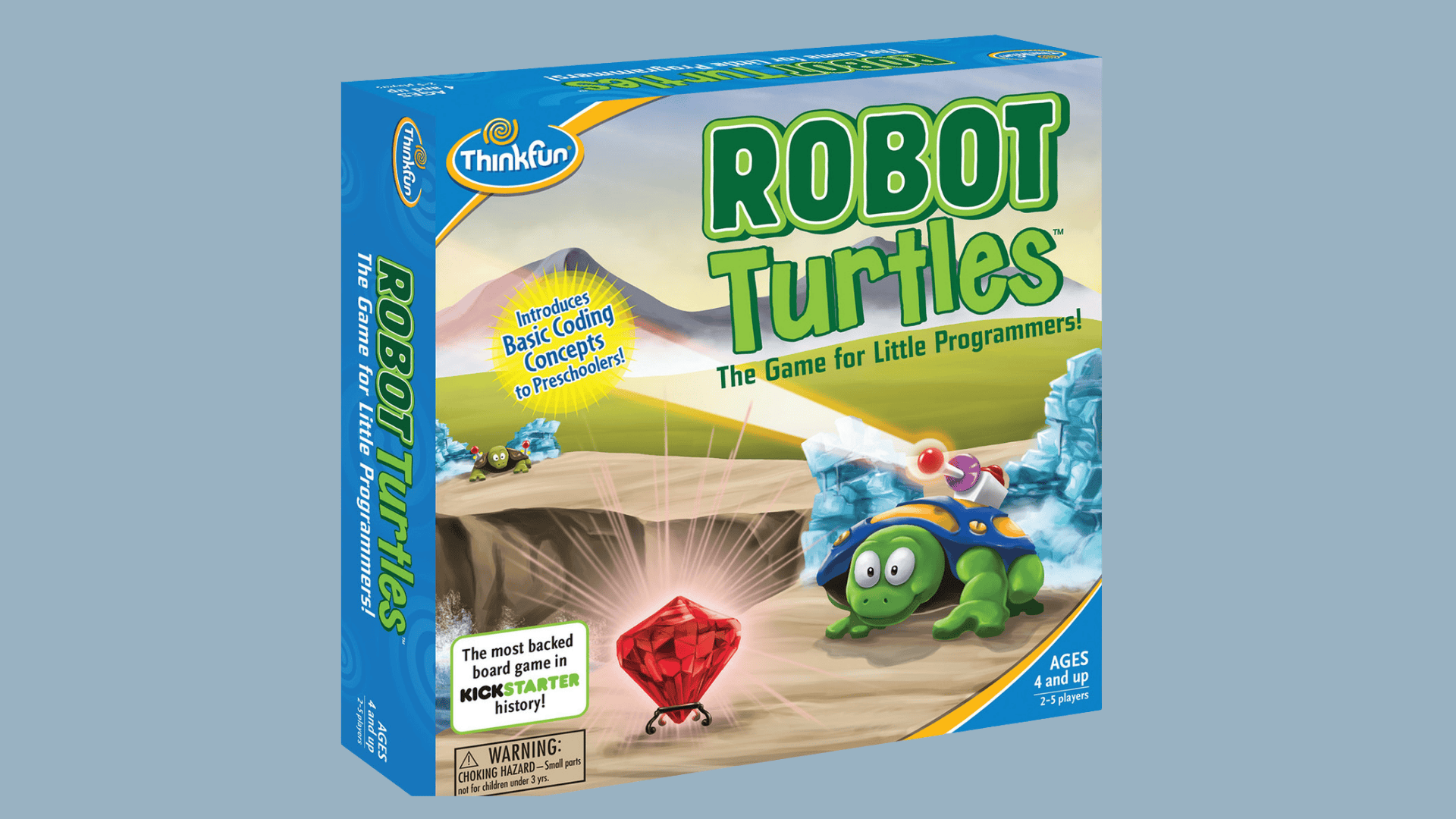
This board game introduces programming logic as players use code cards to move turtles toward gems. Children place instruction cards in sequence, then execute the commands to see results.
Bug cards let players undo mistakes, teaching debugging concepts. The game adapts to growing skills by adding obstacles and more complex programming challenges over time.
15. Forbidden Island
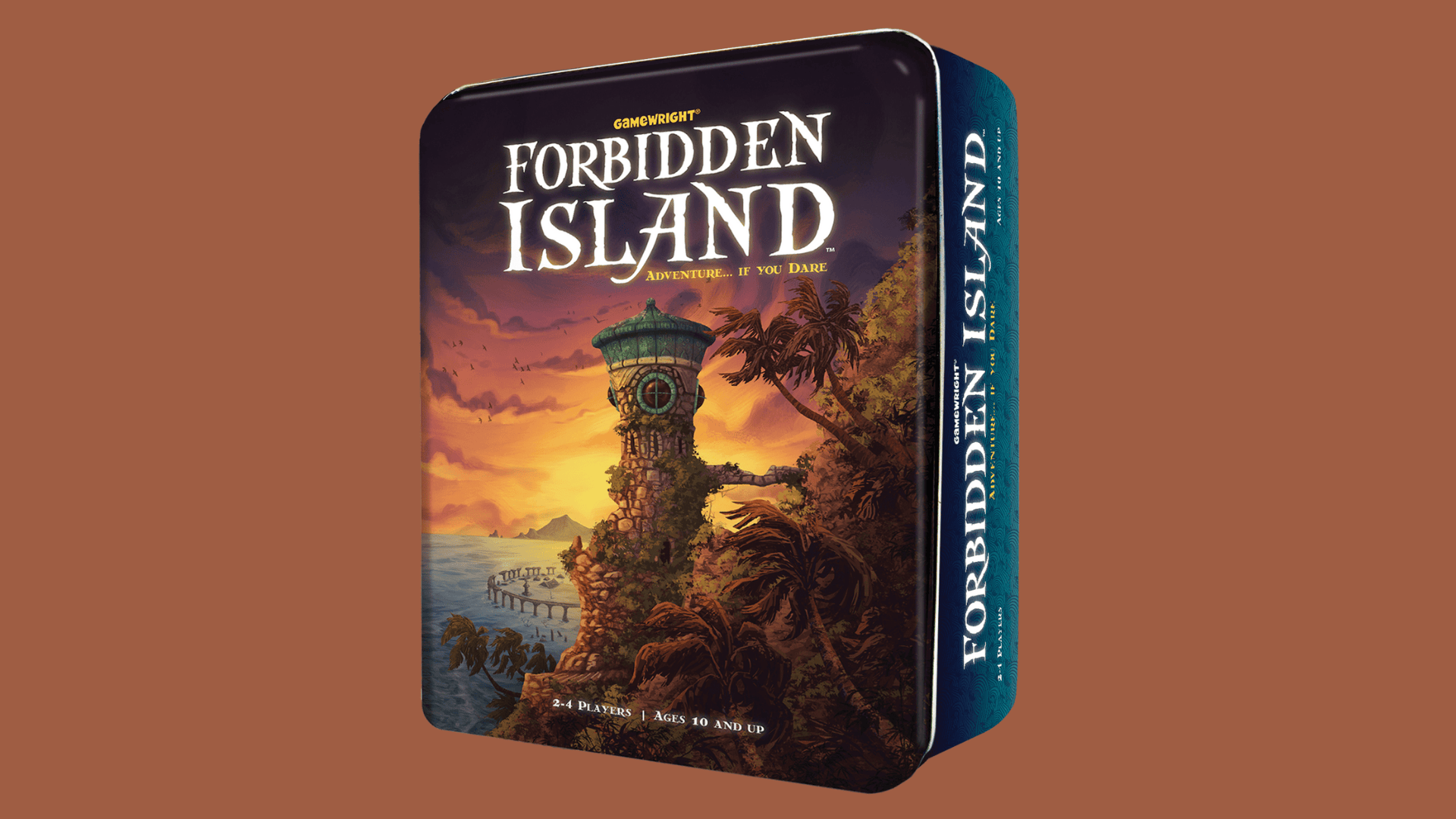
Players take on different roles with unique abilities, working together to collect treasures before the island floods completely. Strategic discussion and resource management become essential as water levels rise and tiles disappear.
Children learn to coordinate actions and make group decisions under pressure. The cooperative format eliminates winner-takes-all tension while building teamwork skills.
16. Blokus
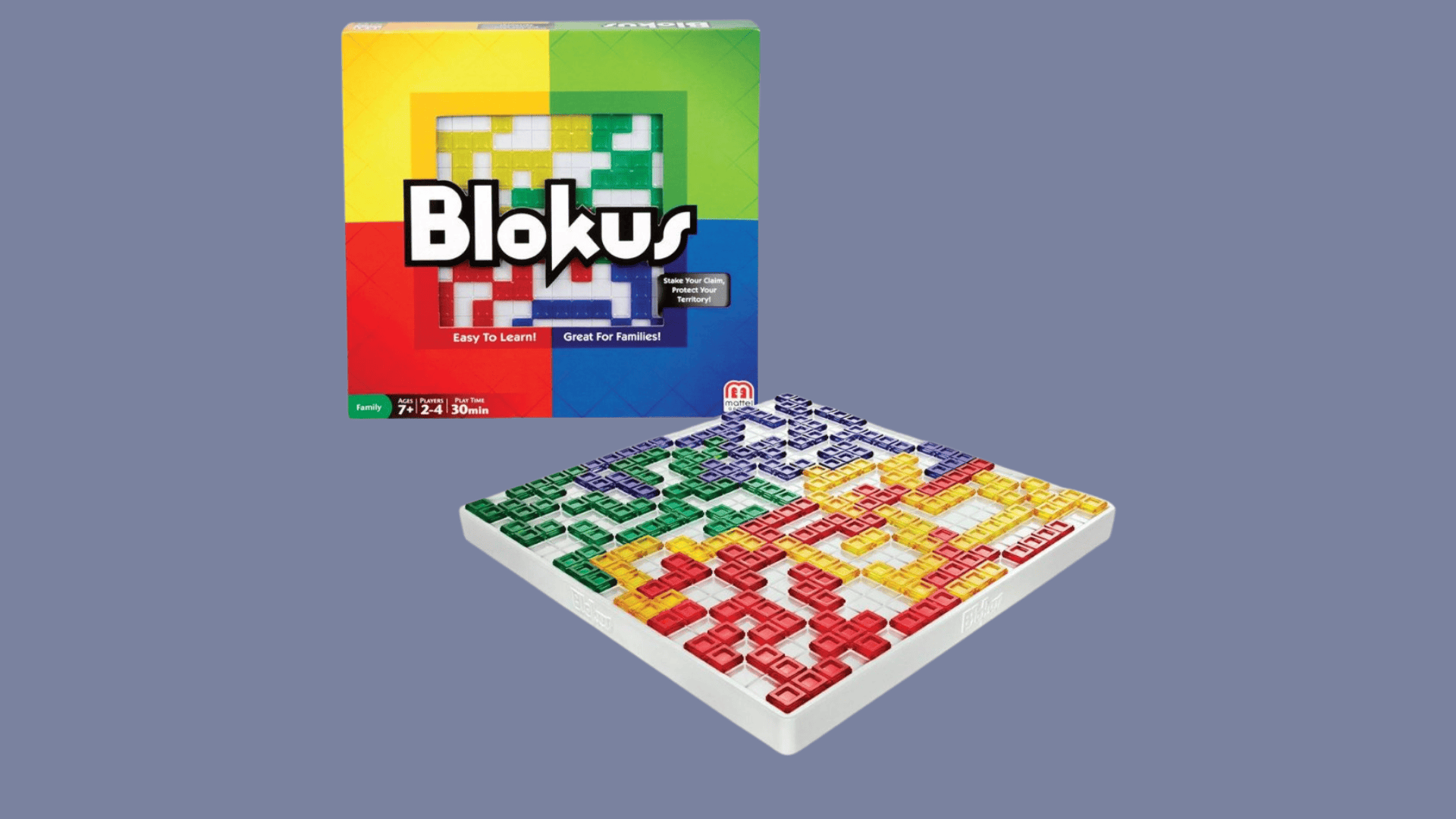
Each player receives 21 colored pieces in various shapes that must connect corner to corner on the board. Strategic placement becomes crucial as the board fills and space becomes limited.
Children develop spatial reasoning by visualizing how pieces fit together. The game teaches geometry concepts through hands-on manipulation without formal instruction or technical terminology.
These board games help children strengthen critical thinking, problem-solving, and academic skills through interactive play.
Middle School and Beyond (Ages 10+)
Older children and teens need educational board games that challenge their advanced thinking skills. These games offer complex strategy, deep learning, and engaging gameplay that respects their growing intellectual abilities.
17. Catan
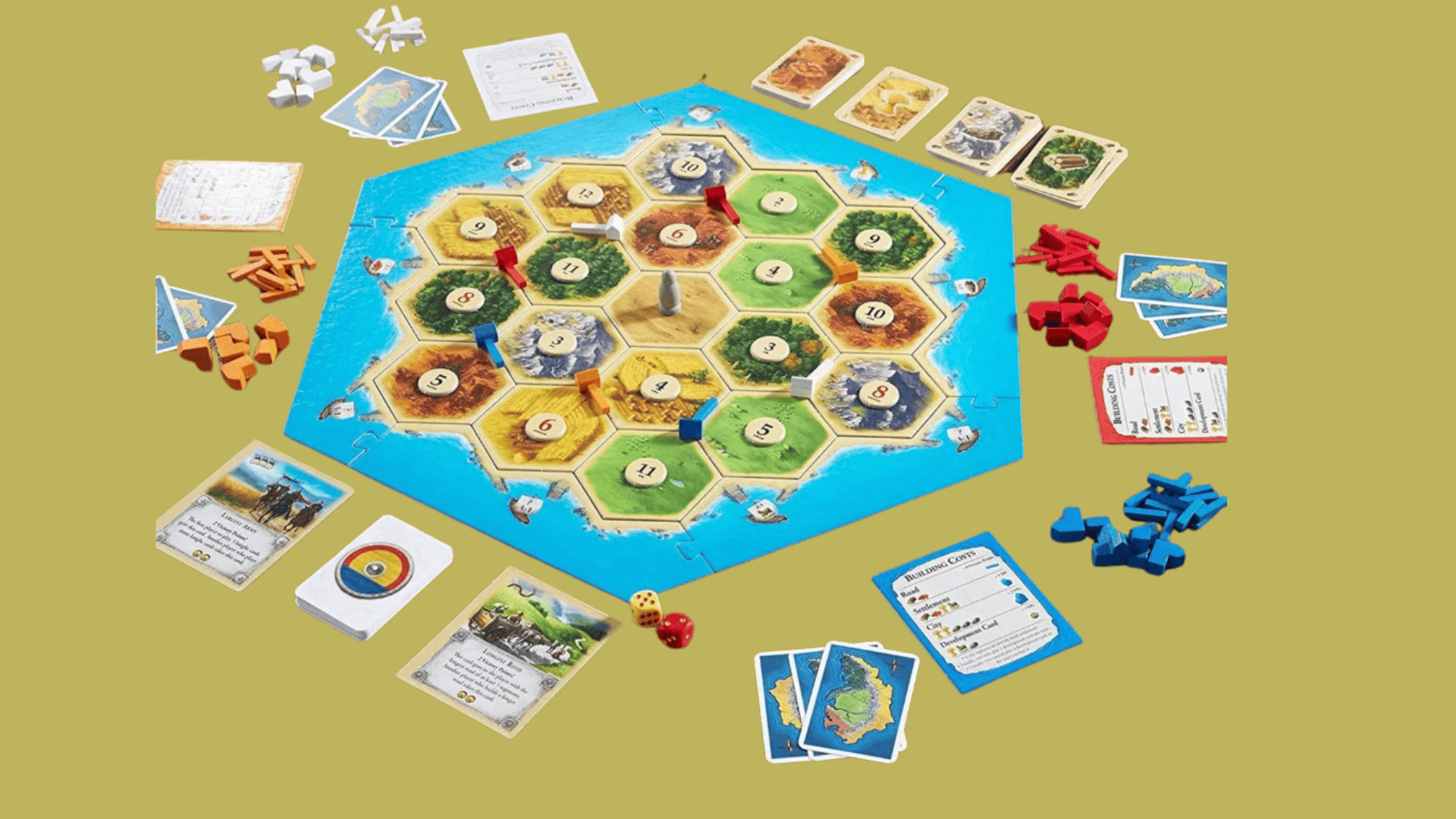
Players gather resources like wood, brick, and wheat to build settlements and cities on a modular island board. Trading with other players is essential for success, as it teaches negotiation and economic principles.
Strategic placement of settlements affects resource collection throughout the game. The variable board setup ensures each game presents new challenges and opportunities for different approaches.
18. Pandemic
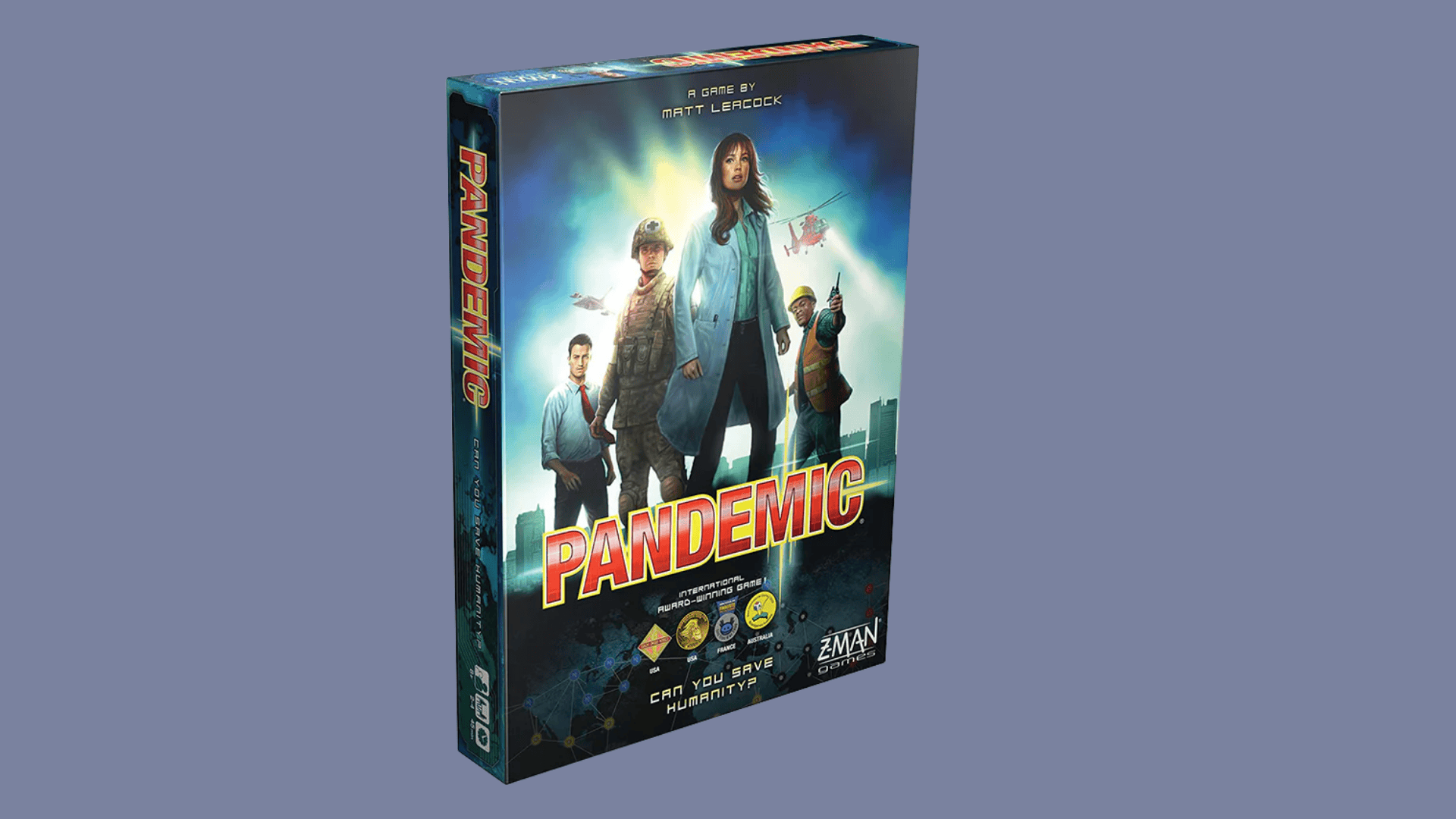
This cooperative game casts players as disease specialists working to stop four global outbreaks before time runs out. Each player has a unique role with special abilities that must be coordinated effectively.
Strategic planning and resource management become critical as diseases spread across continents. The game naturally teaches about epidemiology, global cooperation, and crisis management through engaging gameplay.
19. Azul
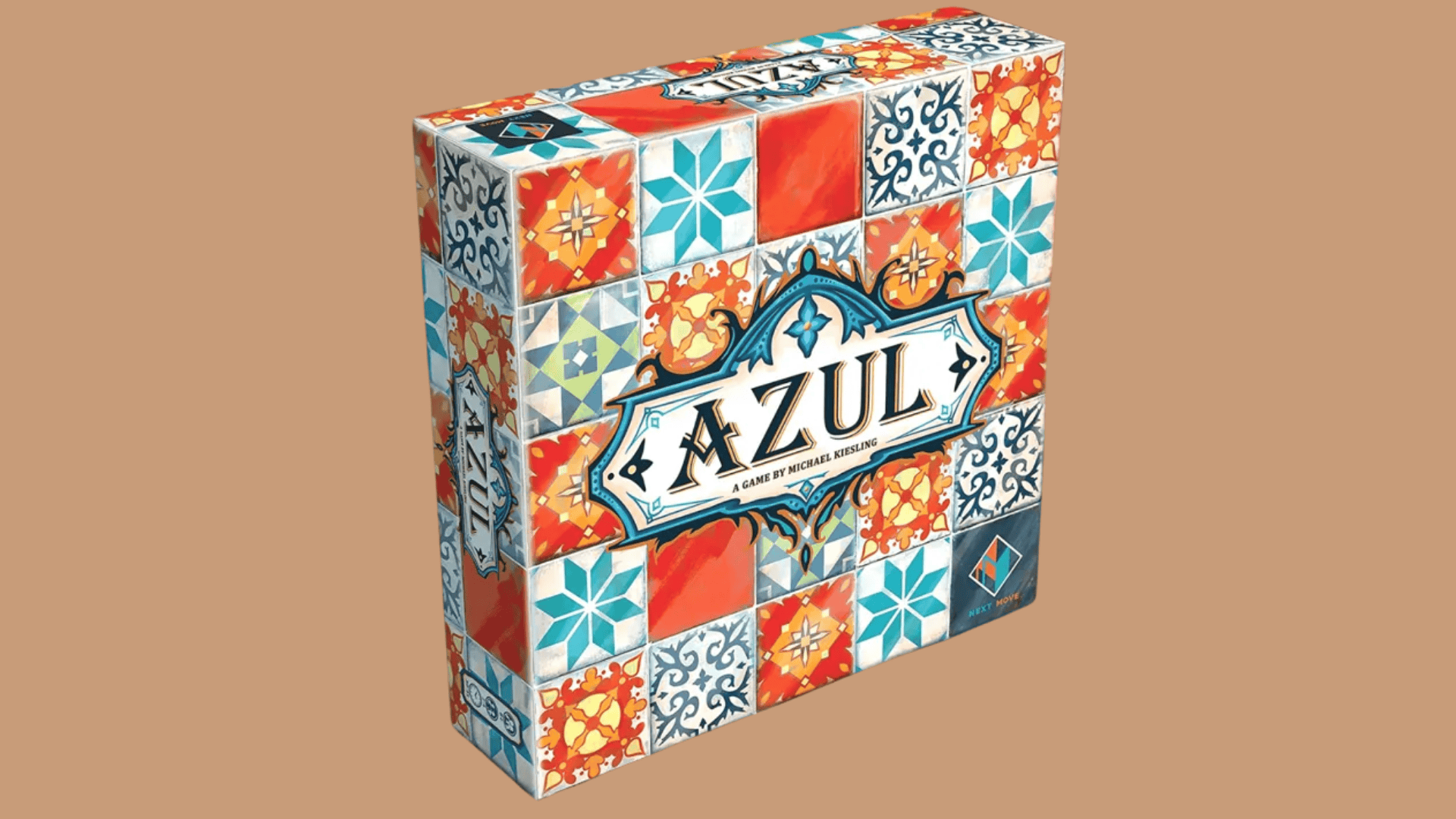
Players collect and place decorative tiles to complete patterns on their palace walls, scoring points for strategic placement. Planning ahead becomes essential as tile availability changes each round.
The game builds spatial reasoning and pattern recognition while requiring players to adapt strategies. Beautiful components and straightforward rules make complex strategic thinking accessible to people of all skill levels.
20. Codenames
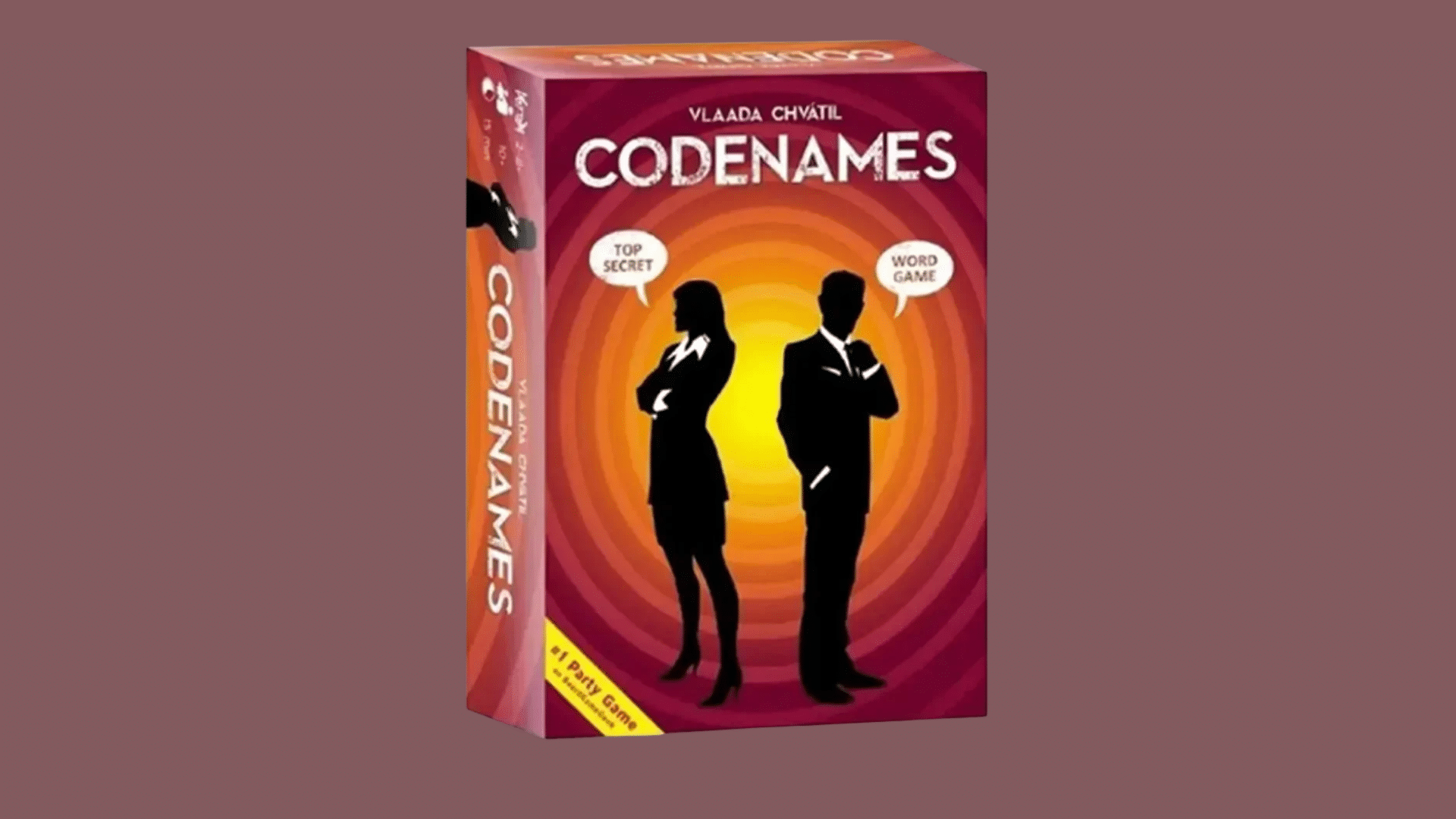
Two teams compete to identify their secret agents using one-word clues that connect multiple code words. Clue-givers must think creatively to link seemingly unrelated words while avoiding opponents’ agents.
Players develop vocabulary, lateral thinking, and communication skills through strategic word association. The game encourages discussion about language nuances and multiple meanings.
21. 7 Wonders
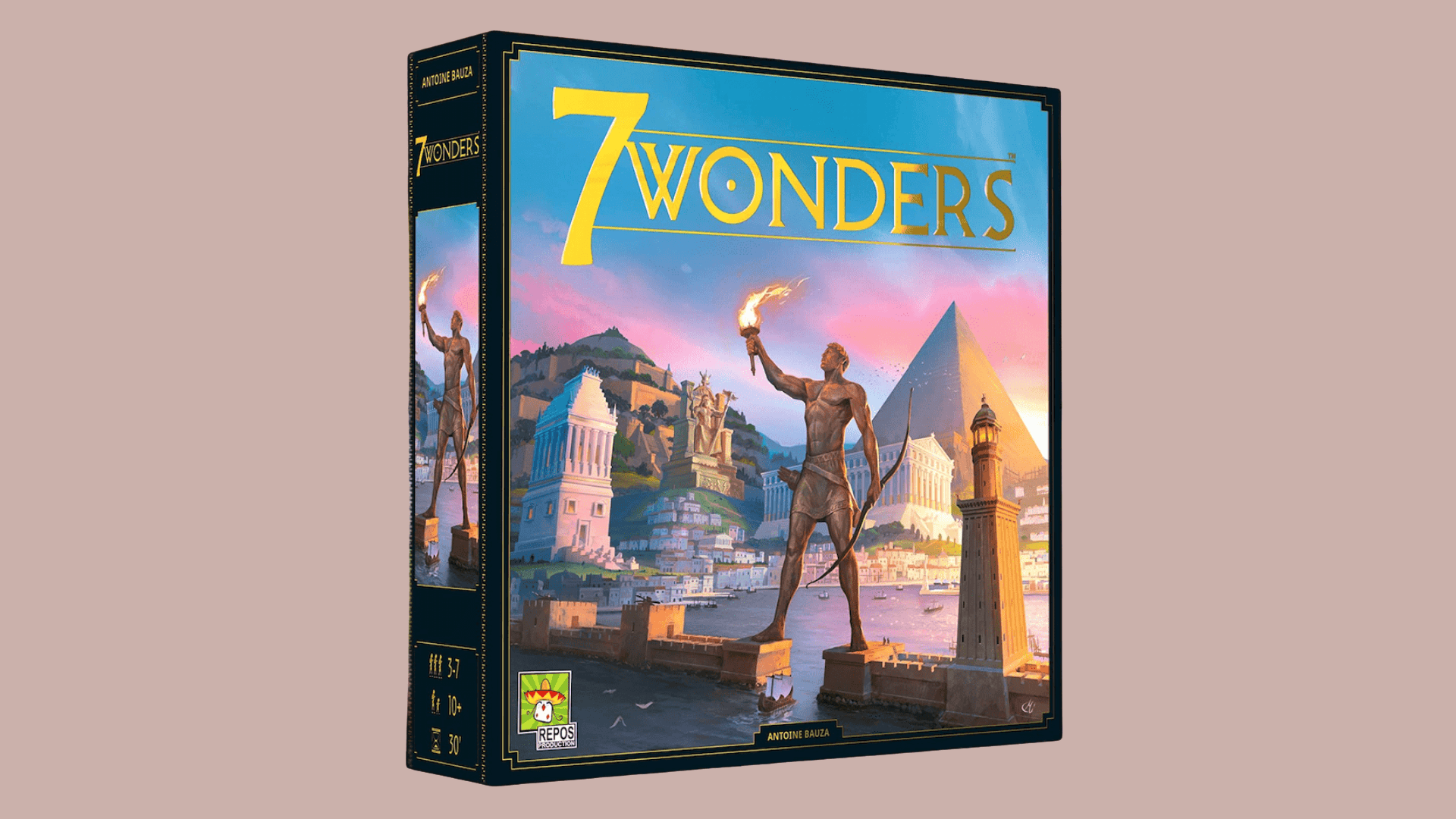
Players build ancient civilizations by drafting cards representing structures, resources, and wonders across three ages. Strategic decisions about which cards to keep and which to pass create complex planning opportunities.
The game teaches world history and resource management while allowing multiple paths to victory. Simultaneous play keeps all players engaged without long waiting periods between turns.
22. Splendor
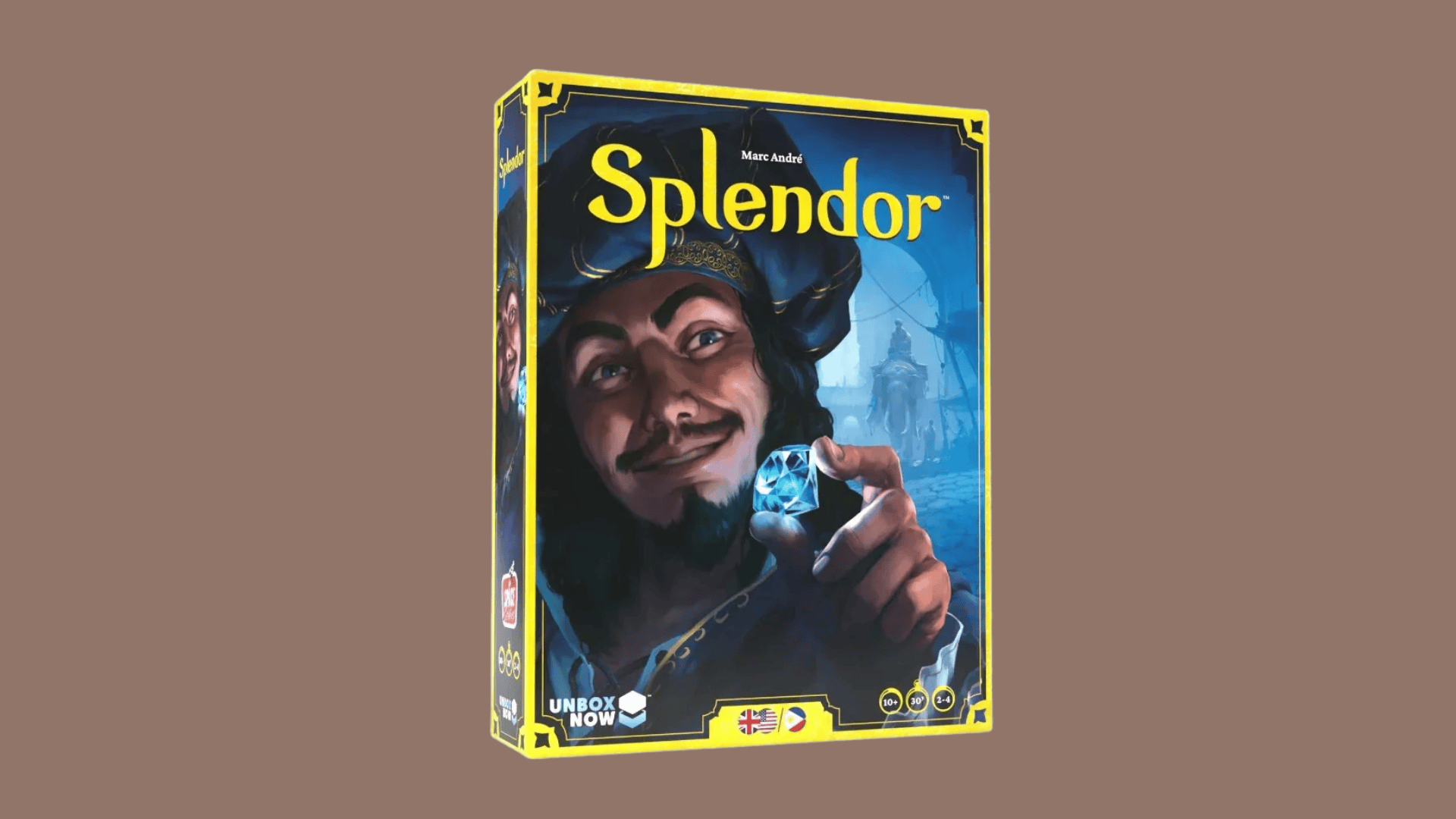
Players collect gem tokens to purchase development cards that provide permanent resources and prestige points. Long-term planning becomes essential as players build economic engines that generate future wealth.
The game teaches resource management and strategic investment through simple mechanics. Mental calculations and pattern recognition develop naturally through repeated play and strategic consideration.
23. Dominion
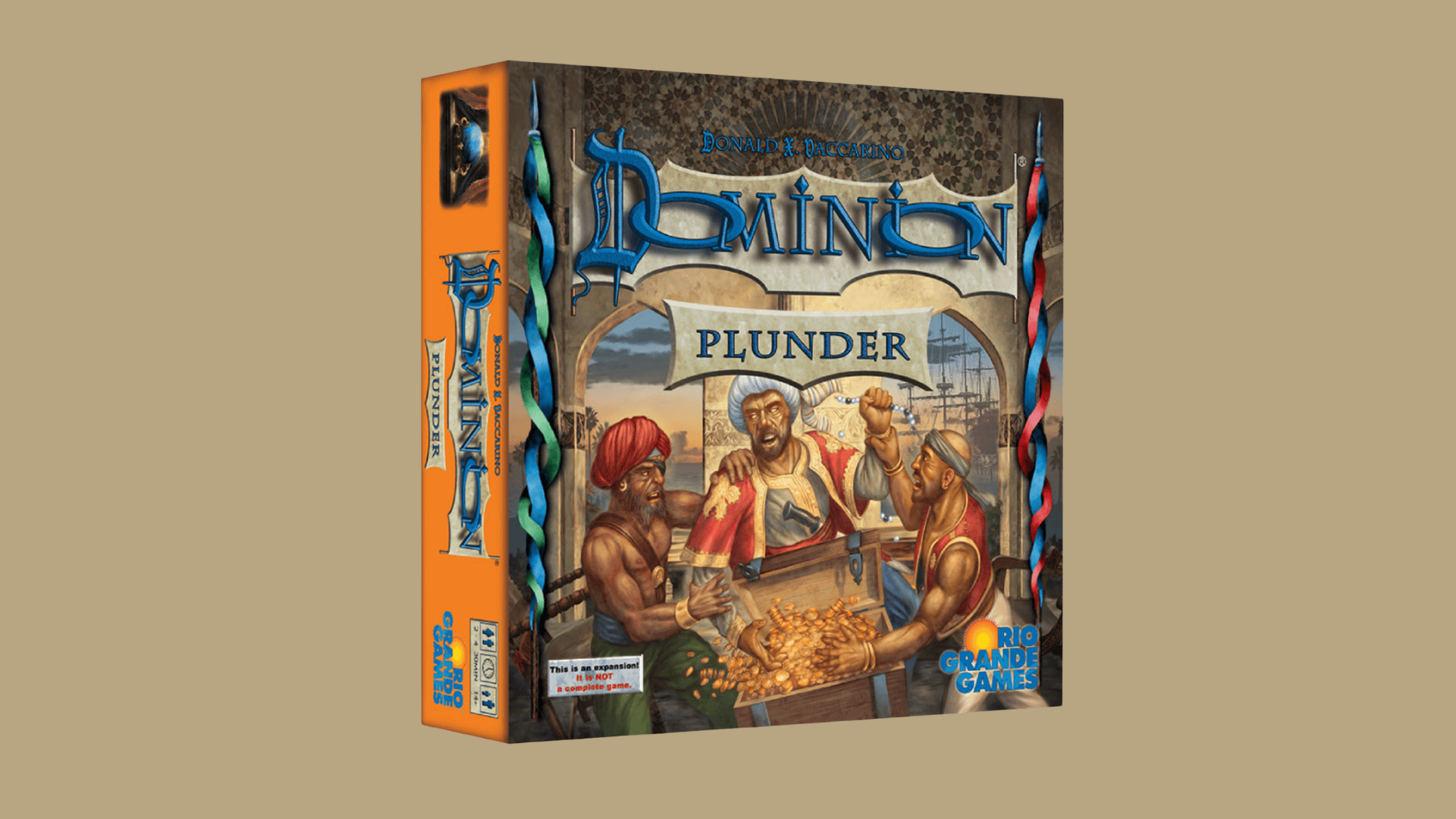
This deck-building game has players purchasing cards to create powerful combinations that generate resources and victory points. Strategic card selection and understanding card interactions become increasingly important as decks grow.
Players learn about economic engines and resource optimization through accessible mechanics. The modular kingdom card setup provides endless variety and replayability.
24. Betrayal at House on the Hill
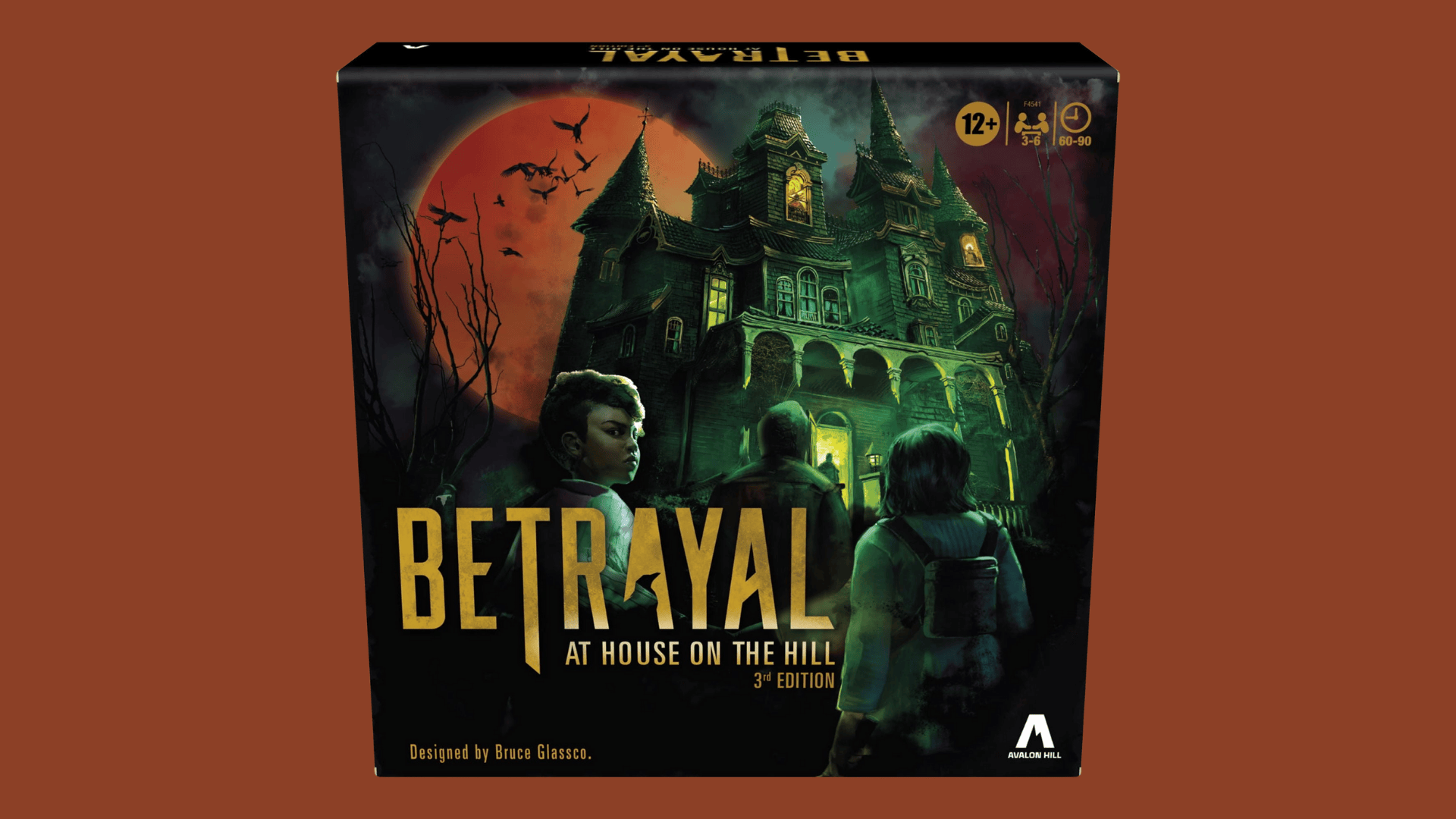
Players explore a haunted mansion together until one player becomes a traitor, creating asymmetric objectives. Cooperative exploration transitions into competitive confrontation partway through each game.
Strategic thinking, reading comprehension, and adaptability all come into play. The narrative element teaches storytelling and creative problem-solving within game mechanics.
25. Settlers of Catan
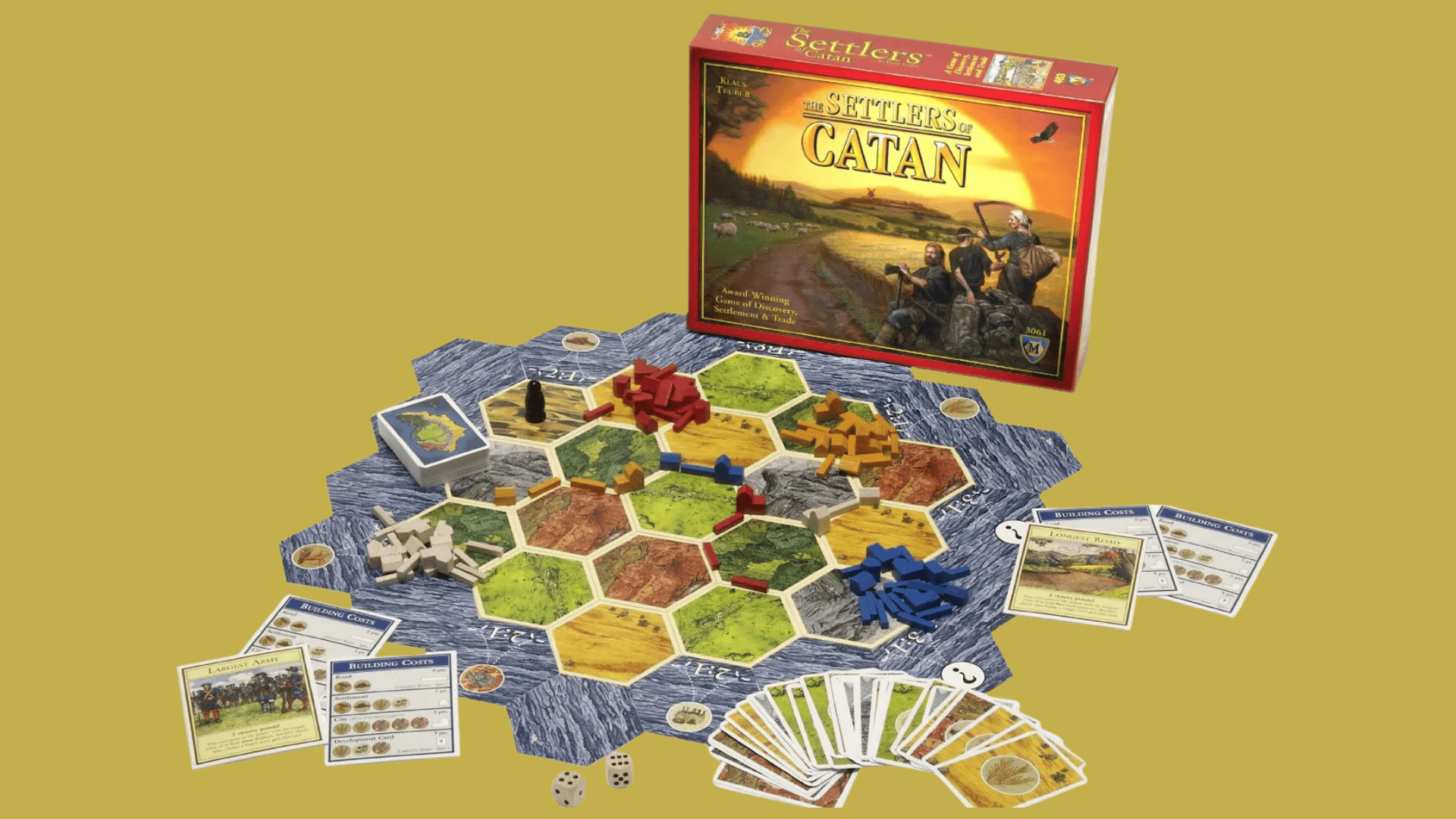
Players build settlements, cities, and roads while trading resources to expand their influence across the island. Negotiation skills develop as players bargain for needed materials with opponents.
Resource management and probability assessment become important for successful expansion. The social interaction and trading mechanics create dynamic gameplay that changes based on player relationships.
Board games for ages 10 and up challenge players with deeper strategy, logic, and problem-solving skills. These educational board games help older kids and teens build critical thinking while enjoying meaningful, screen-free play.
Tips for Successful Game-Schooling
Game-schooling works best with the right approach. These practical tips help parents and educators maximize learning while keeping gameplay fun and stress-free for everyone involved.
- Start with short sessions: Begin with 15 to 20-minute game sessions and gradually increase time as attention spans grow.
- Play regularly, not intensely: Schedule game time two to three times per week rather than marathon sessions that lead to burnout.
- Let kids choose sometimes: Allow children to select games from pre-approved options to increase engagement and ownership of learning.
- Model good sportsmanship: Demonstrate how to handle wins and losses gracefully so children learn by watching your reactions.
- Don’t force the lesson: Let learning happen naturally, without constantly pointing out what kids are learning during play.
- Rotate games regularly: Switch between different games every few weeks to maintain interest and develop diverse skill sets.
Final Thoughts
Educational board games offer something screens cannot. They build face-to-face social skills while teaching academic concepts. Kids learn math, language, strategy, and teamwork through hands-on play.
The games listed here span all age groups and skill levels. Preschoolers gain foundational skills. Elementary kids develop critical thinking, tweens master complex strategy. Families create lasting memories together.
Start with one or two games that match your child’s age and interests. Add variety as skills grow. Even simple modifications can boost the learning value of games already on the shelf.
Board games prove that learning does not need to feel like work. The right game turns education into something kids actually want to do.
Which game will your family try first this week? Share your experiences in the comments below.