




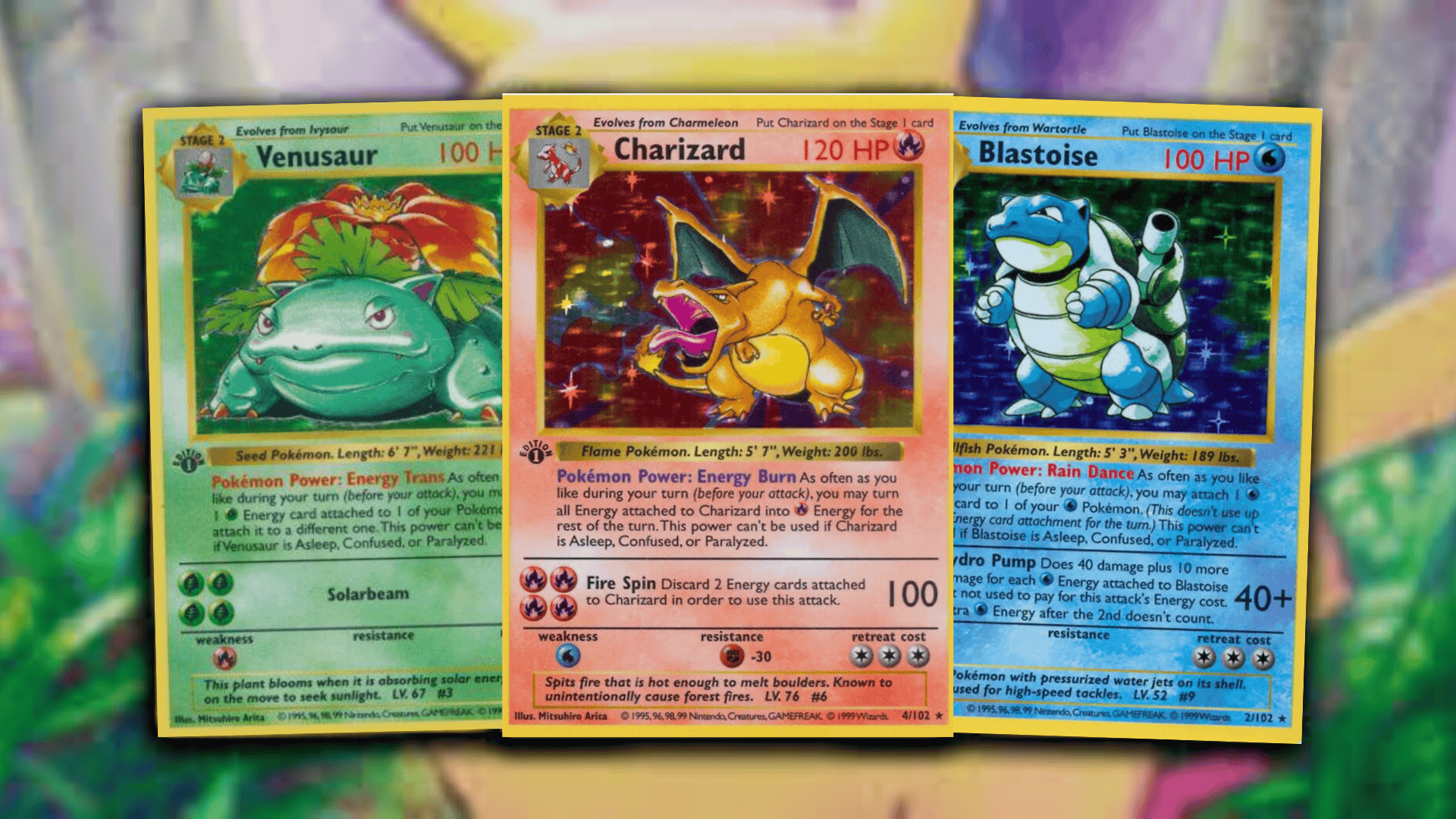
Some Pokémon cards are worth cents, while others can sell for hundreds, or even thousands of dollars.
The biggest value usually shows up in vintage holographics, 1st Edition prints, Shadowless cards, and modern “chase” illustration rares that are tough to pull.
Prices can swing based on how clean the card is, how many exist, and what collectors want at the moment.
A card that looks ordinary can still be valuable, while an “old” card in rough shape might be worth very little.
If you’ve got a stack of cards at home, a few quick checks can reveal if you’re holding bulk or something truly worth selling.
What Makes a Pokémon Card Valuable?
Pokémon cards become valuable for a handful of common reasons: rarity, scarcity, condition, and demand.
Modern value often comes from hard-to-pull “chase” cards with premium artwork, while vintage value is driven by limited early prints like 1st Edition and Shadowless versions, as well as the fact that fewer clean copies have survived over time.
Condition is a major multiplier; whitening, scratches, dents, creases, or poor centering can sharply reduce a card’s price.
Professional grading can boost value by confirming authenticity and assigning a trusted score, especially at top grades.
Demand from collectors and competitive play can also move prices quickly, and reprints can cool values.
Vintage “Binder Jackpot” Cards
These are the cards that make people dig through childhood binders. If you own any of these in strong condition, they can hold serious collector value.
1. Charizard (Holo): Base Set #4/102 (1st Edition)
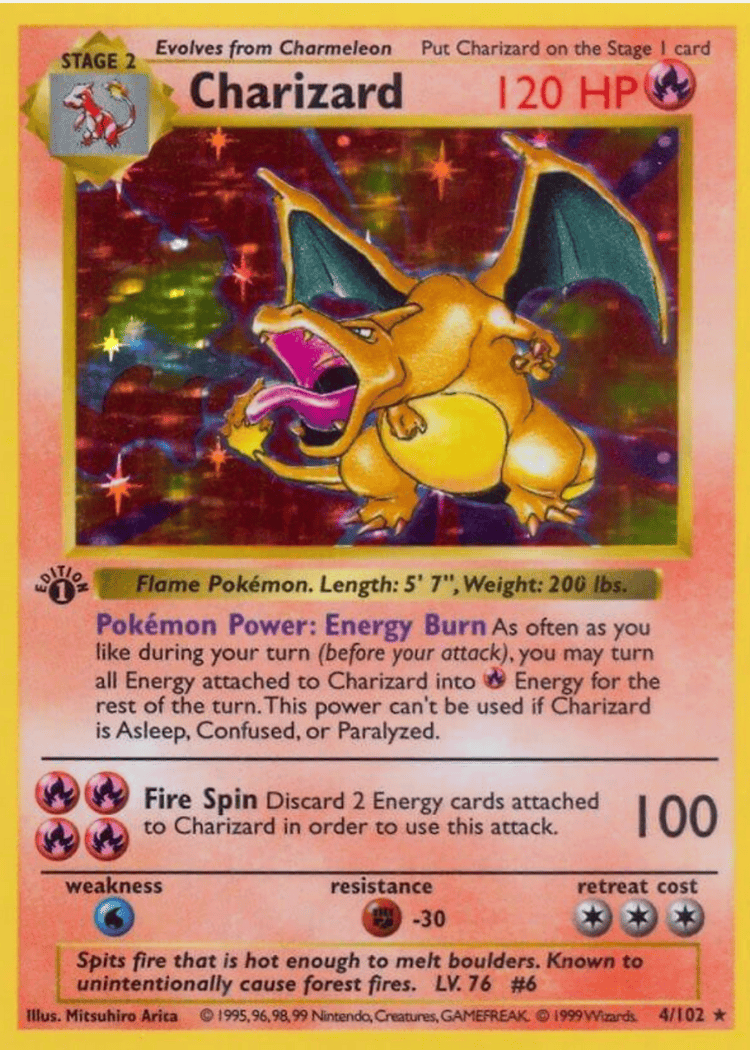
The most legendary English Pokémon card ever printed and the symbol of peak Pokémon nostalgia.
It’s valuable because it comes from the earliest limited print, has massive global demand, and remains the most recognizable vintage chase card in the hobby.
2. Charizard (Holo): Base Set #4/102 (Shadowless)
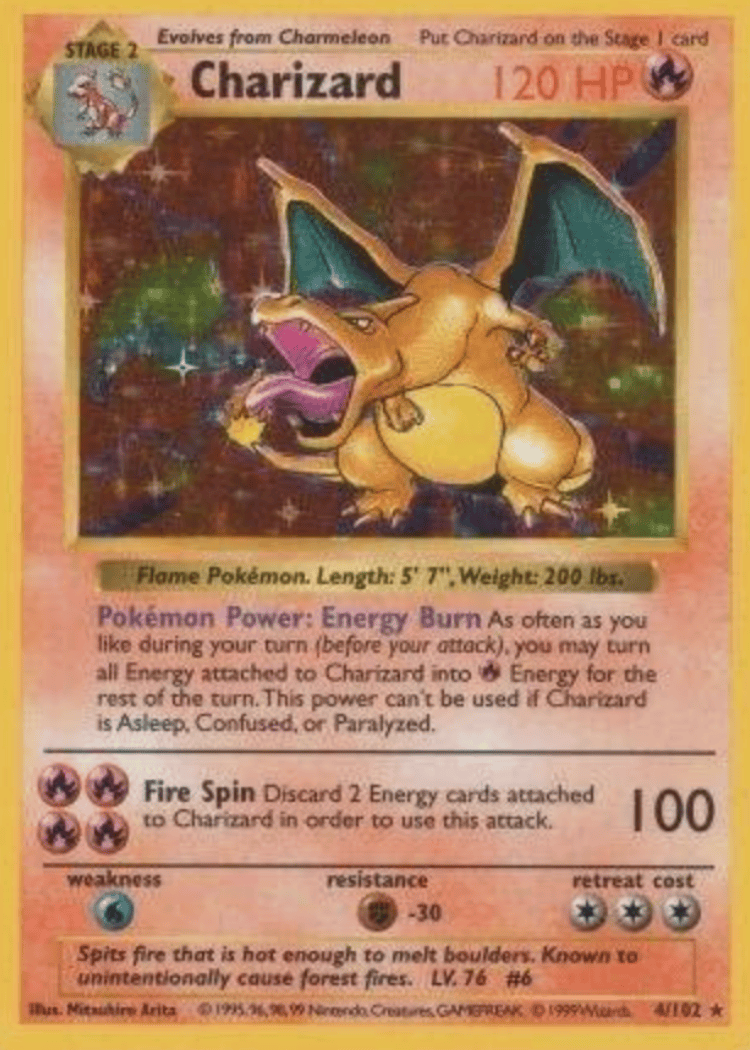
Shadowless Charizard is one of the earliest English print versions and is rarer than the unlimited Base Set release.
Collectors chase it because it represents the first design style, has strong historical importance, and high-grade copies are extremely hard to find today.
3. Blastoise (Holo): Base Set #2/102 (1st Edition)
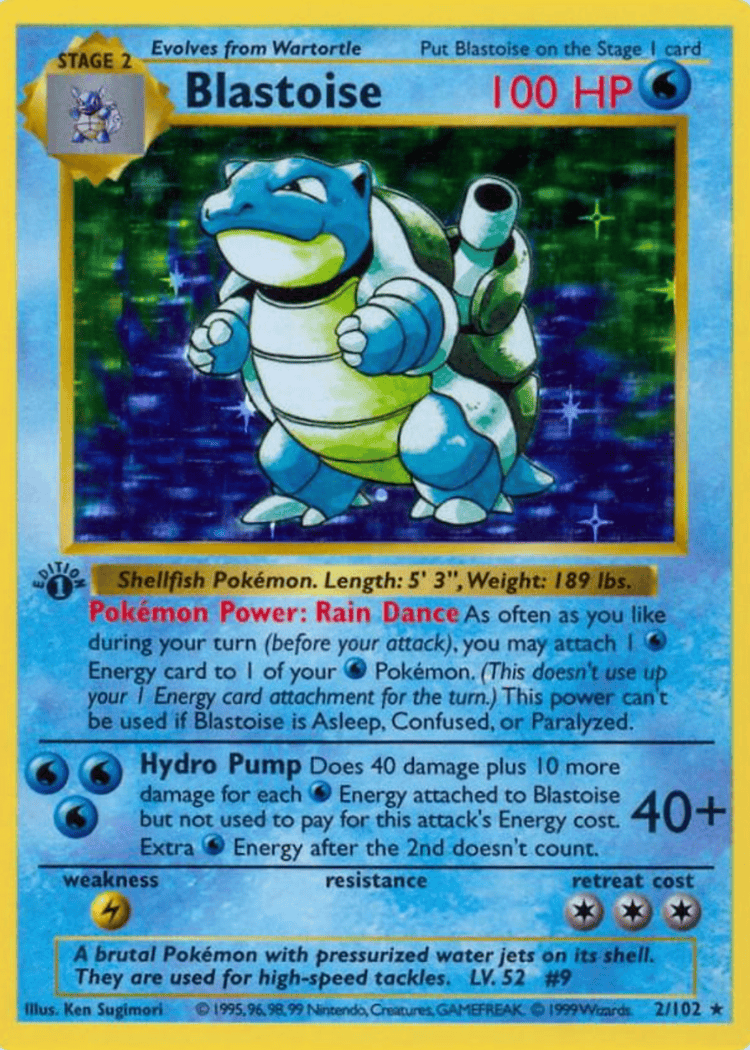
Blastoise is one of the original starter final evolutions and a centerpiece for vintage collectors.
It’s valuable because it’s part of the first print run, features classic artwork, and has strong collector demand for complete 1st Edition Base Set holo sets.
4. Venusaur (Holo): Base Set #15/102 (1st Edition)
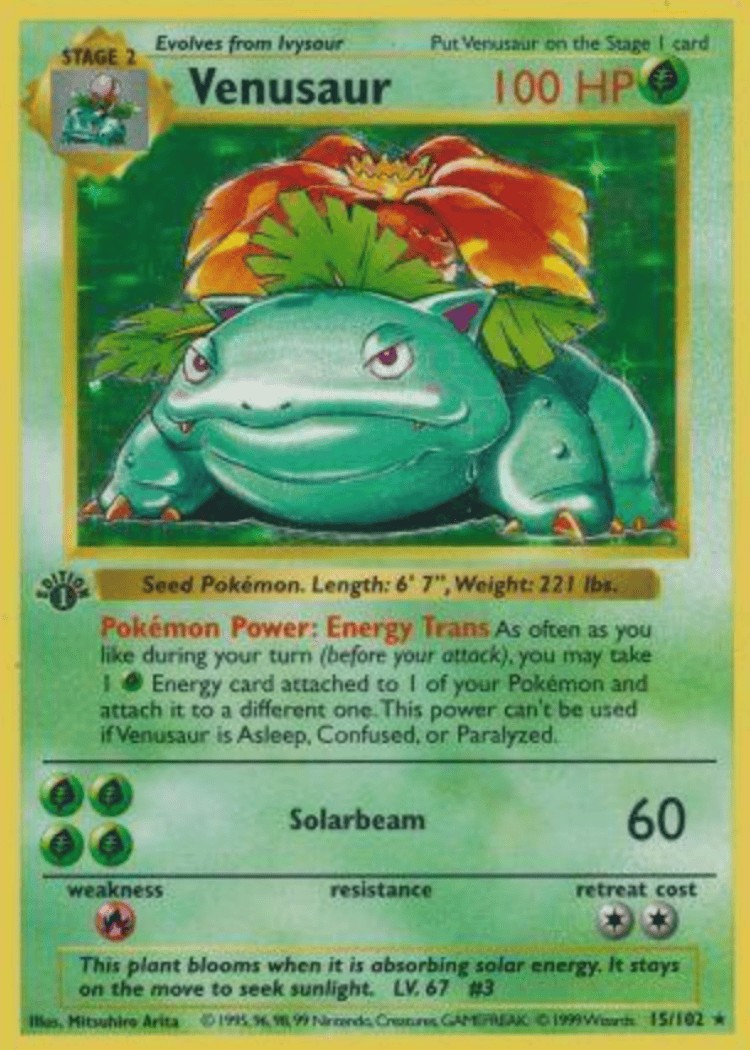
Venusaur completes the original starter trio and remains highly collectible.
It’s valuable because it’s essential for full Base Set collections, comes from the early limited print, and is harder to find in clean condition due to decades of storage and handling.
5. Alakazam (Holo): Base Set #1/102 (Shadowless / 1st Edition)
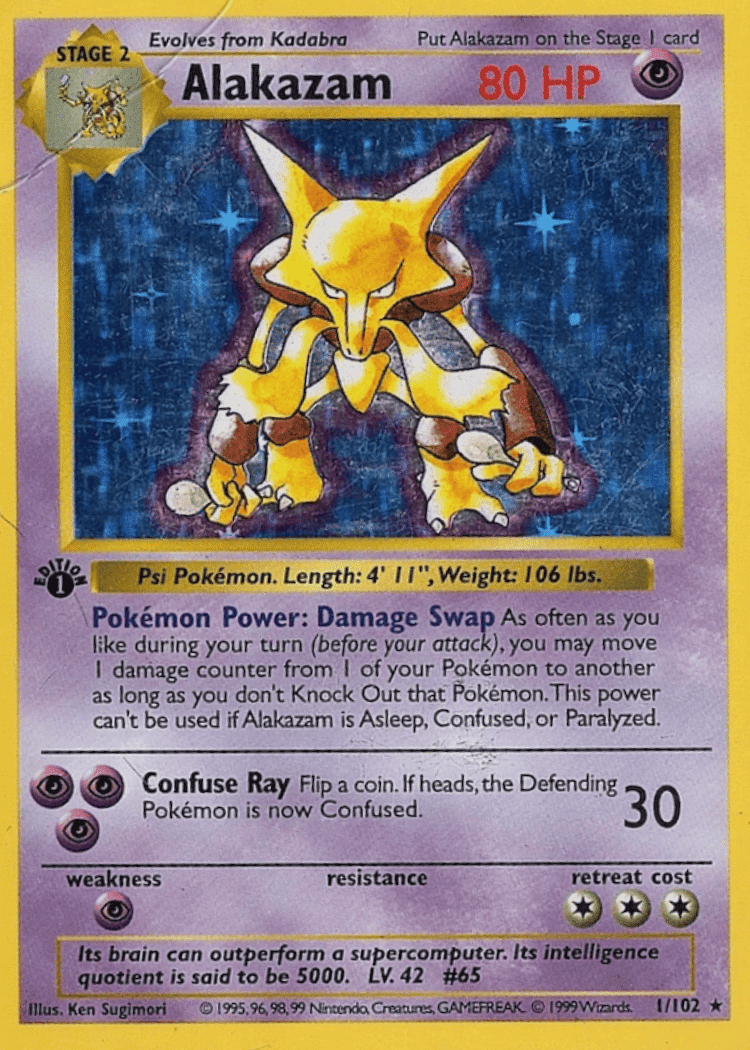
Alakazam is a highly sought-after Base Set holo and also holds the #1 spot in the set numbering.
It’s valuable because Shadowless and 1st Edition versions are scarce, collectors love completing master sets, and mint copies are far less common than expected.
6. Chansey (Holo): Base Set #3/102 (Shadowless / 1st Edition)
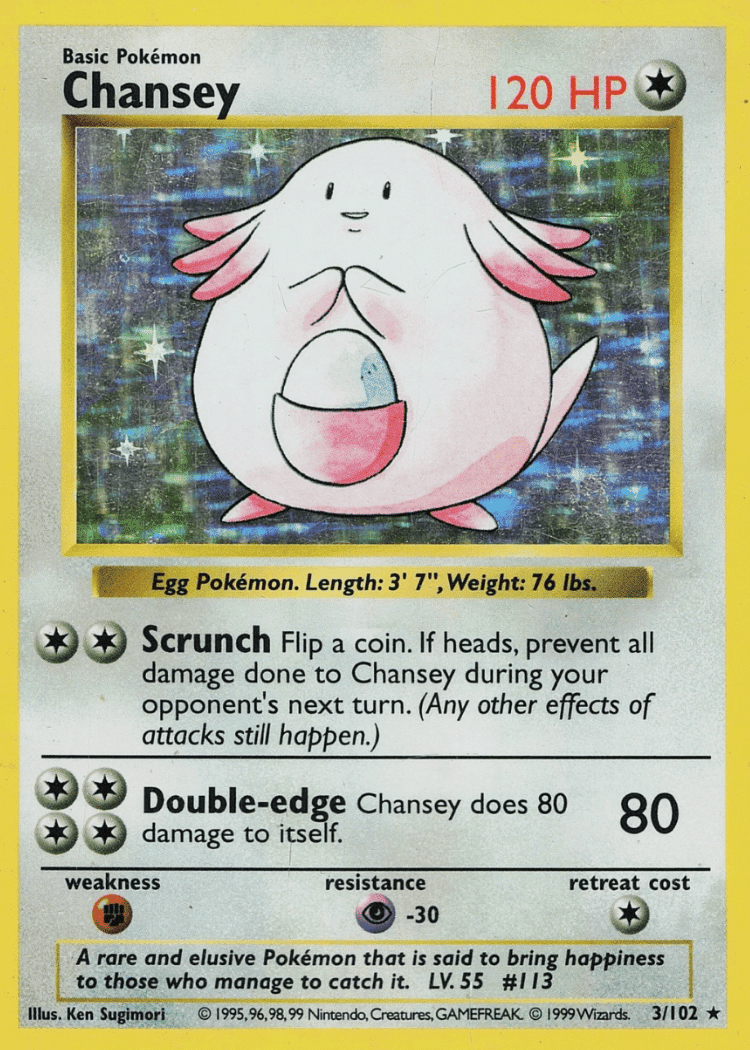
Chansey may seem surprising, but it’s one of the tougher Base Set holos to find in high condition.
It’s valuable because the holo surface scratches easily, clean copies are limited, and serious collectors pay premiums for high-grade versions of difficult cards.
7. Zapdos (Holo): Base Set #16/102 (Shadowless / 1st Edition)
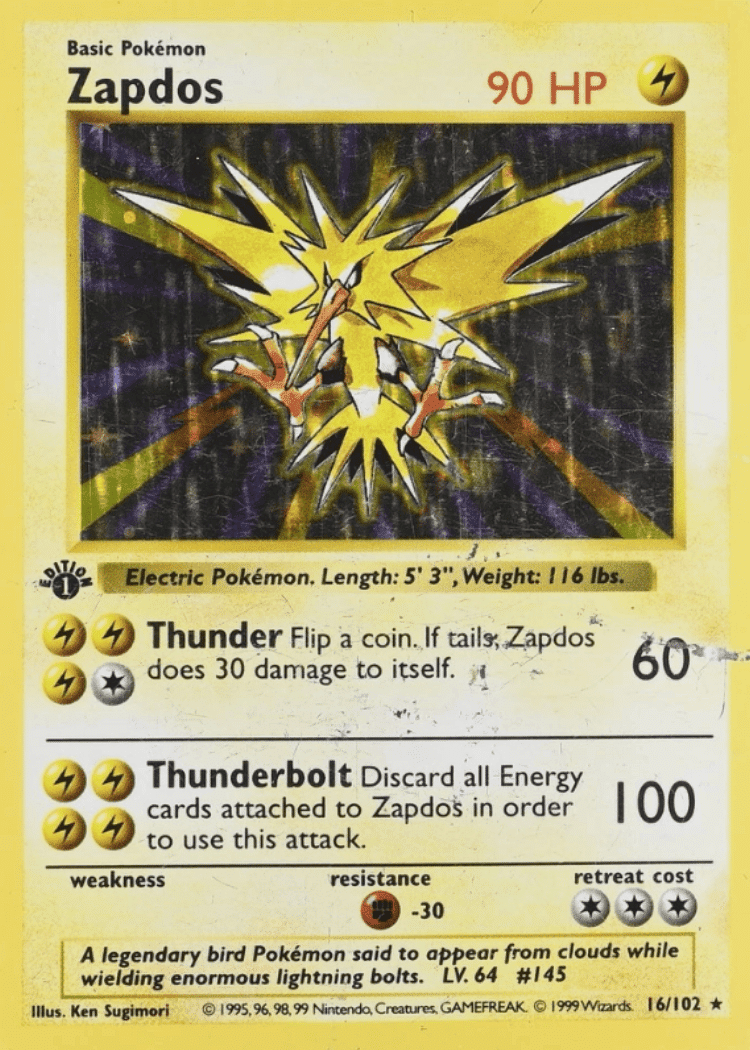
Zapdos is one of the iconic legendary birds and a fan favorite from the original games.
It’s valuable because early variants are scarce, the holo design is highly collectible, and strong nostalgia demand keeps it desirable across generations of Pokémon fans.
Modern Cards Worth Money (Cards You Can Still Pull in 2026)
Modern Pokémon cards can be expensive too, especially high-rarity illustration hits. These cards gain value because they’re tough to pull, have standout artwork, and stay in demand long after release.
8. Koraidon ex: Special Illustration Rare (Scarlet & Violet Base Set)
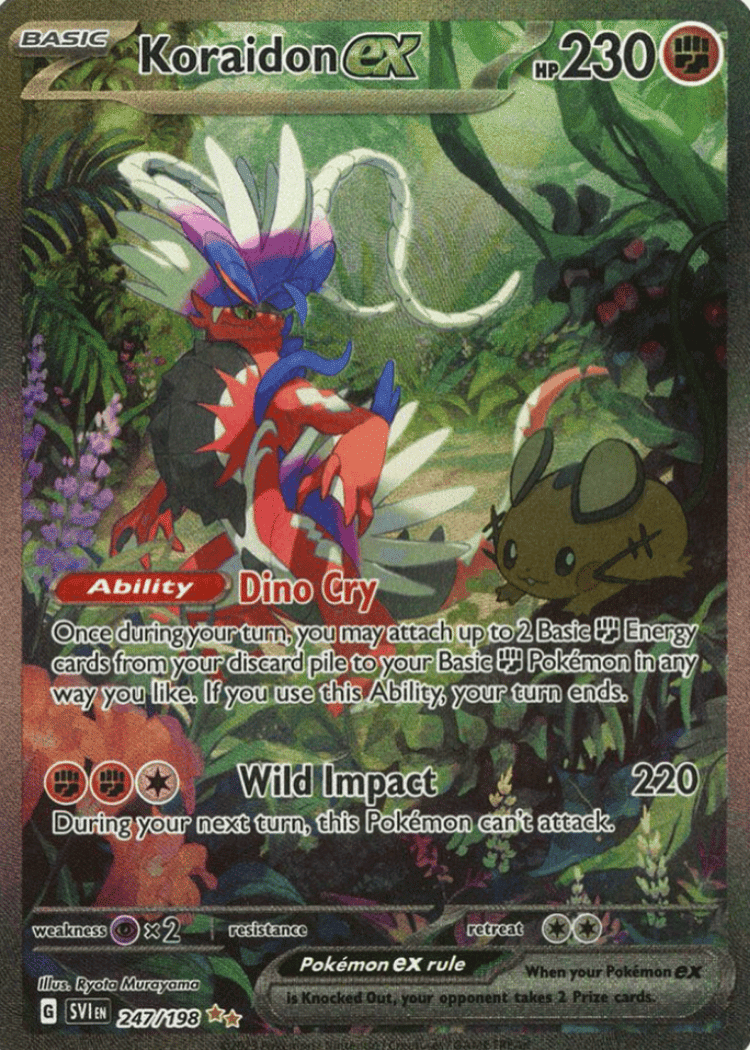
As a mascot Pokémon for the Scarlet & Violet era, Koraidon ex became one of the top chase cards in the set.
It’s valuable because collectors love box mascots, the Special Illustration Rare artwork is premium, and demand for flagship hits remains strong.
9. Miraidon ex: Special Illustration Rare (Scarlet & Violet Base Set)
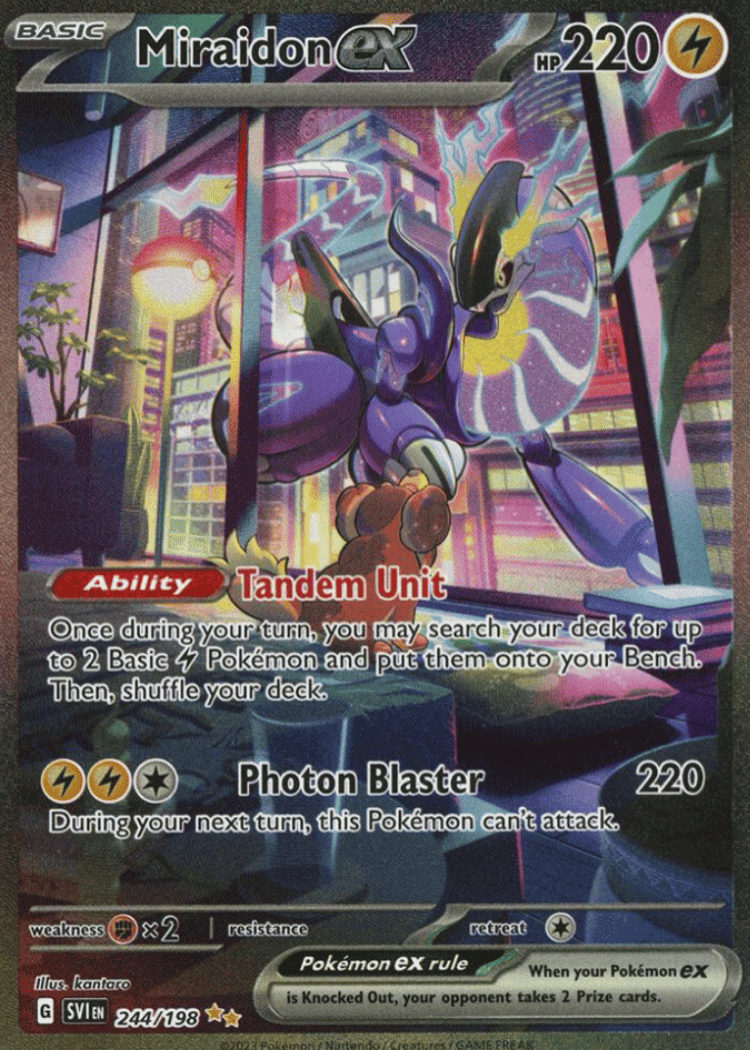
Miraidon is the futuristic counterpart to Koraidon and one of the most popular modern legendaries.
It’s valuable because it’s a high-rarity chase card, has strong collector appeal, and its sleek design keeps it in demand with both players and collectors.
10. Gardevoir ex: Special Illustration Rare (Scarlet & Violet Base Set)
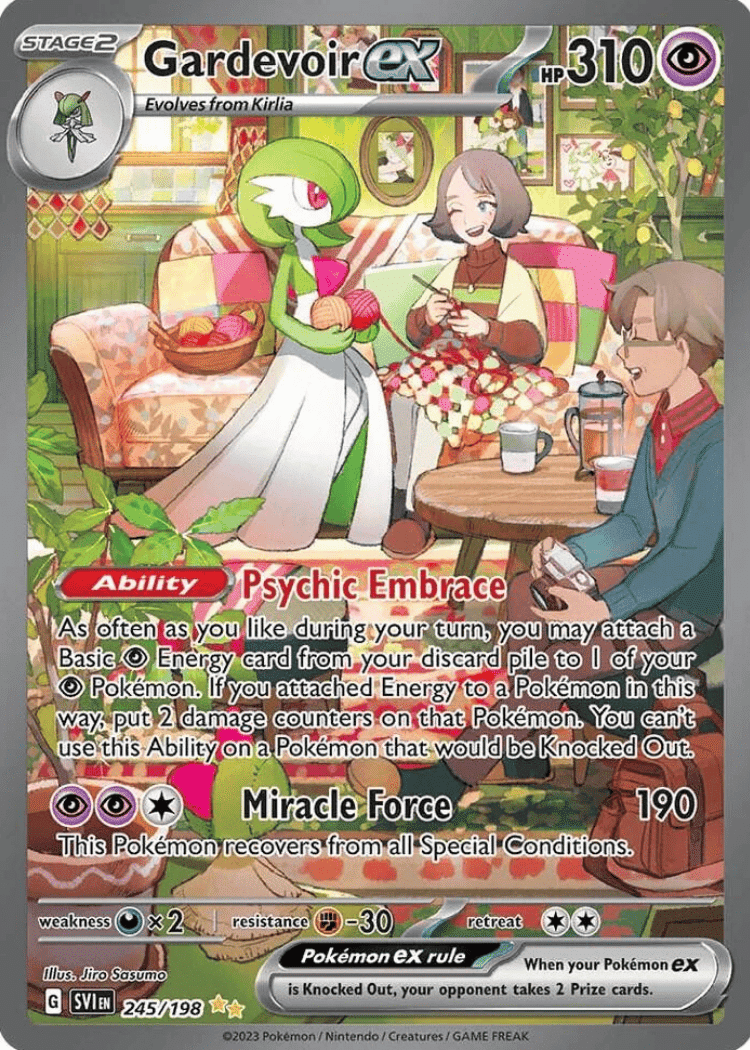
Gardevoir has been a top fan-favorite Pokémon for years, and its Special Illustration Rare is one of the best-looking hits from the set.
It’s valuable because the character has a loyal collector base, and high-rarity versions tend to stay desirable.
11. Penny: Special Illustration Rare (Scarlet & Violet Base Set)
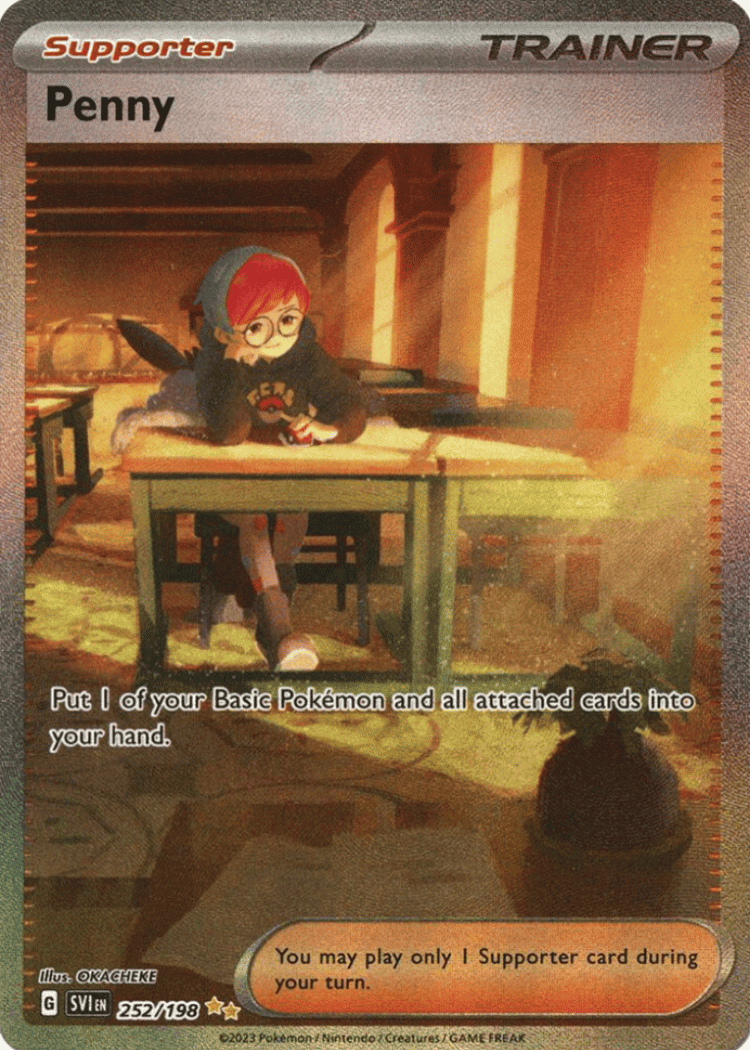
Trainer illustration cards have become major modern collectibles, and Penny is one of the best examples.
It’s valuable because character-based artwork attracts collectors outside gameplay demand, and Scarlet & Violet trainer SIRs are widely collected as display-worthy cards.
12. Miriam: Special Illustration Rare (Scarlet & Violet Base Set)
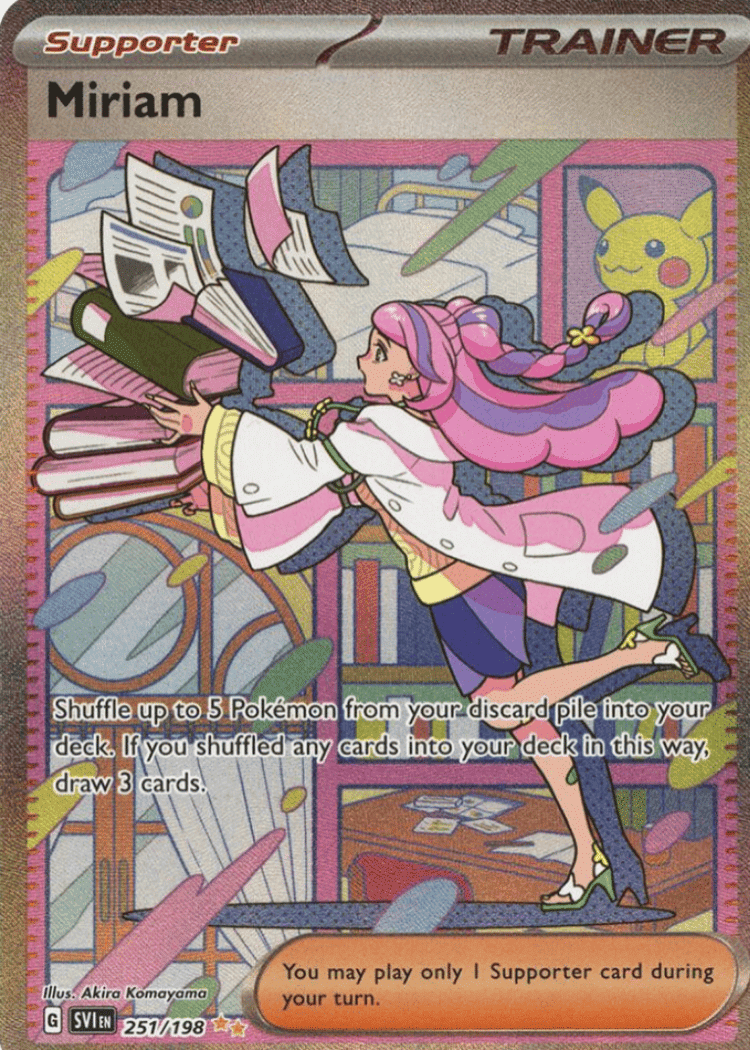
Miriam became one of the most talked-about trainer chase cards of the modern era.
It’s valuable because it’s a high-end illustration rarity, has strong popularity with collectors, and remains one of the most recognizable modern supporter cards from the Scarlet & Violet generation.
Ultra High-End Example (Rarest Tier)
These are not normal pulls: this section is included because it ranks well and adds authority to the post.
13. Pikachu Illustrator: 1997 Japanese Promo
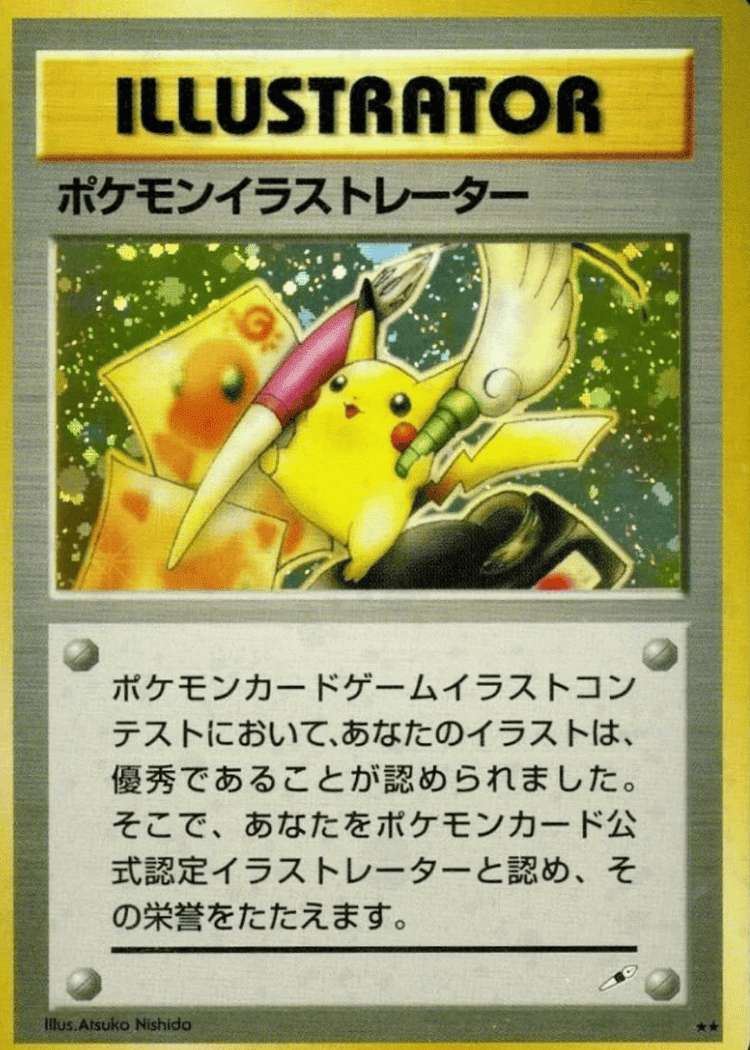
Often called the most legendary Pokémon card ever made, Pikachu Illustrator is a true trophy-level collectible.
It’s valuable because it was distributed in extremely limited quantities, has historic status, and sits at the absolute top of Pokémon card collecting worldwide.
The Most Expensive Cards Released in 2025
These newer cards remain valuable because they combine fan-favorite Pokémon with difficult pull rates and high collector demand.
14. Umbreon ex: Special Illustration Rare (Prismatic Evolutions #161/131)
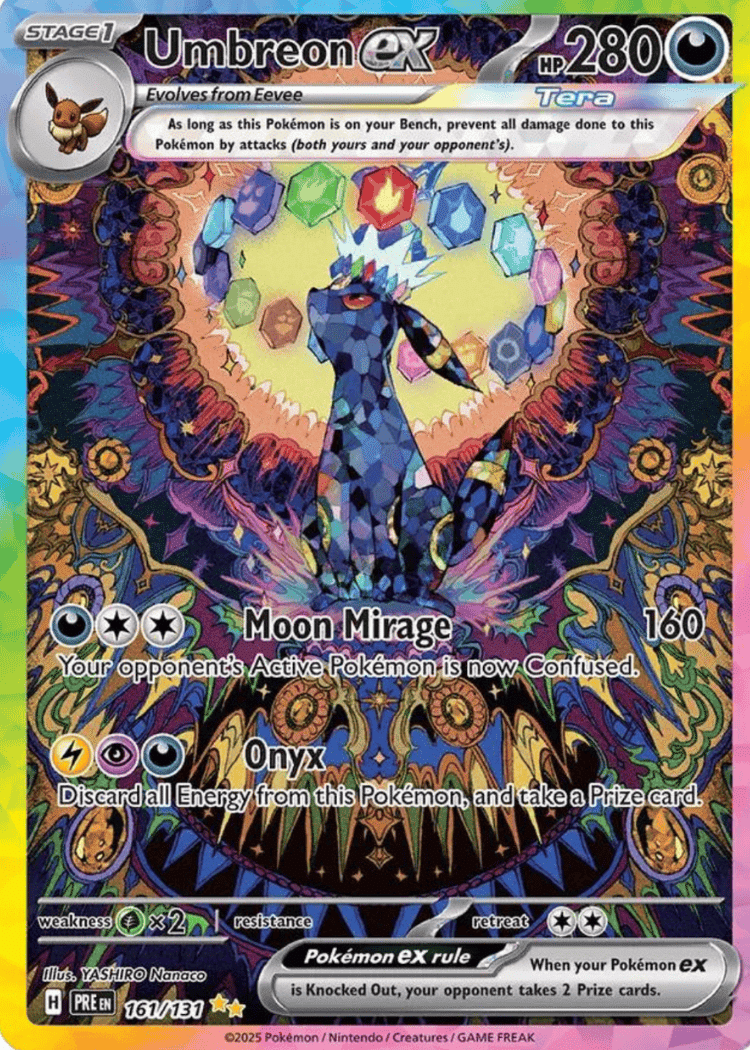
Umbreon is one of the most loved Pokémon in the hobby, and this chase card became a modern headline card instantly.
It’s valuable because the artwork is premium, pull rates are high, and Umbreon cards historically have strong long-term demand due to collector obsession.
15. Mega Gardevoir ex: Special Illustration Rare (Mega Evolution Set)
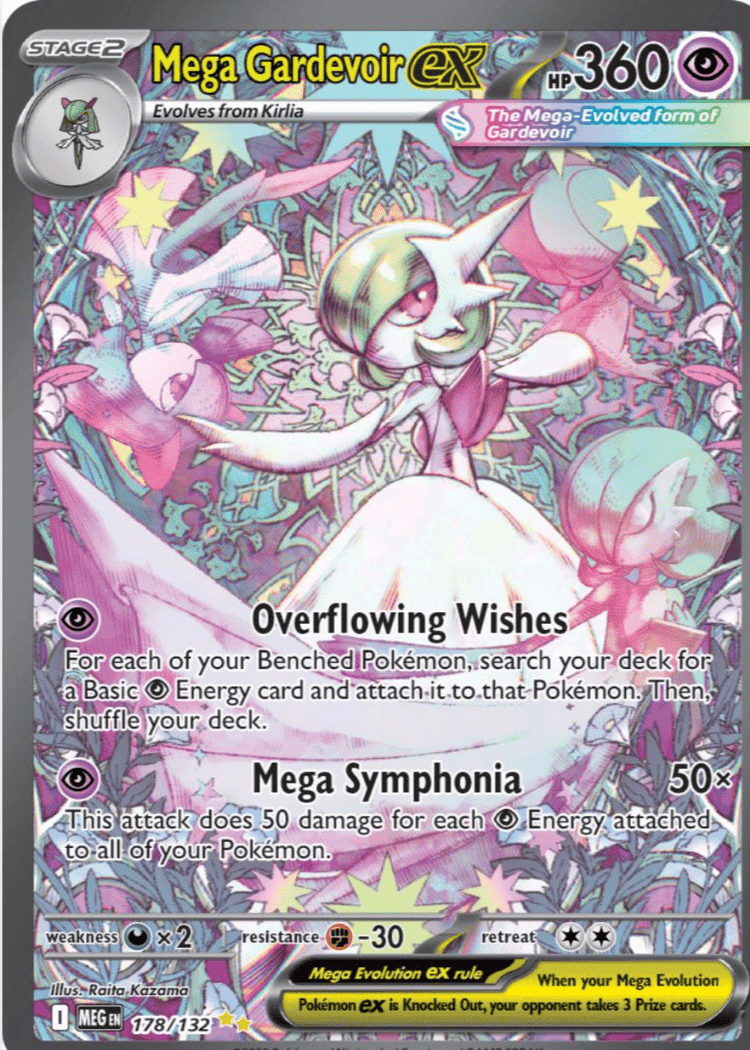
Mega Evolution cards carry strong nostalgia for longtime fans, and Mega Gardevoir is one of the most popular designs ever printed.
It’s valuable because it blends a fan-favorite Pokémon with dramatic artwork, making it one of the most collectible high-rarity modern hits.
Quick Refrence Table
Here’s a quick snapshot of top-value Pokémon cards, showing the set, realistic price ranges, and the best sources to verify current market prices.
| Card Name | Set | Current Value Range | Where to Check Price |
|---|---|---|---|
| Charizard #4/102 (1st Ed) | Base Set | $150K-$300K (PSA 10) | PriceCharting |
| Charizard #4/102 (Shadowless) | Base Set | $200K-$380K (PSA 10) | PriceCharting |
| Blastoise #2/102 (1st Ed) | Base Set | $30K-$60K (PSA 10) | PriceCharting |
| Venusaur #15/102 (1st Ed) | Base Set | $20K-$40K (PSA 10) | PriceCharting |
| Alakazam #1/102 (1st Ed/Shadowless) | Base Set | $5K-$15K (PSA 10) | PriceCharting |
| Chansey #3/102 (1st Ed/Shadowless) | Base Set | $8K-$12K (PSA 10) | PriceCharting |
| Zapdos #16/102 (1st Ed/Shadowless) | Base Set | $6K-$12K (PSA 10) | PriceCharting |
| Koraidon ex (SIR) | Scarlet & Violet | $100-$150 | TCGplayer |
| Miraidon ex (SIR) | Scarlet & Violet | $100-$150 | TCGplayer |
| Gardevoir ex (SIR) | Scarlet & Violet | $80-$120 | TCGplayer |
| Penny (SIR) | Scarlet & Violet | $40-$70 | TCGplayer |
| Miriam (SIR) | Scarlet & Violet | $30-$60 | TCGplayer |
| Pikachu Illustrator | 1998 Japanese Promo | $1M-$5.3M | PriceCharting |
| Umbreon ex #161/131 (SIR) | Prismatic Evolutions | $800-$1K raw / $3K-$3.5K PSA 10 | PriceCharting |
| Mega Gardevoir ex (SIR) | Mega Evolution Set | $200-$300 | PriceCharting |
How to Tell If Your Pokémon Card Is Worth Money
Most cards are bulk, but a few details can reveal valuable hits fast, without needing expert knowledge.
Step 1: Identify the Card Exactly
Before checking prices, confirm the exact version. Cards with the same name can belong to different sets, prints, and rarities, making one worth pocket change and another worth serious money.
- Card name
- Card number (example: 4/102)
- Set symbol (small icon on card)
- Rarity symbol (common/uncommon/rare/ultra rare)
Step 2: Check for Value Triggers
Next, scan for the markers collectors pay for. These are the quickest signs that a card might be a high-demand version, a limited print, or a premium rarity that regularly sells above average.
- 1st Edition stamp
- Shadowless print
- Holo foil
- SIR / Alt Art
- Secret Rare (number exceeds set total)
- Full Art
- Rainbow Rare
- Gold card
Step 3: Check Condition Fast
Even rare cards lose value quickly if they’re worn. A few seconds of inspection can reveal damage that dramatically lowers the price, especially for vintage cards or anything you might consider grading.
- Whitening on the back edges
- Scratches on the holo surface
- Dents or creases
- Centering (even borders)
- Corner wear or dings
Step 4: Verify With Real Market Data
Finally, confirm value using real sales, not hopeful listings. Asking prices can be inflated, so always compare recent sold results across trusted marketplaces to understand what buyers actually pay today.
- eBay “Sold” / “Completed” listings
- TCGplayer Market Price
- PriceCharting history and trends
- Compare raw vs graded prices
Where to Check Pokémon Card Prices
Different price sources work better depending on the type of card you’re pricing. Modern cards move fast, while vintage and graded cards depend more on long-term trends and condition-specific sales.
Best for Modern Singles
TCGplayer Market Price is one of the most reliable ways to price modern Pokémon cards because it averages recent marketplace sales across a huge volume of listings. It’s also useful for spotting which cards are trending up or down.
Best used for:
- 2010–present cards
- Current set chase cards
- Standard-legal and modern pull hits
Best for Vintage + Graded History
PriceCharting is excellent for vintage and graded cards because it tracks price history over time and helps show whether a card is rising, falling, or stabilizing. It’s especially helpful when the same card sells very differently across grades.
Best used for:
- Vintage cards (1999–2010)
- PSA/BGS/CGC graded cards
- Long-term trend tracking
Best Practice: Compare eBay sold listings, TCGplayer, and PriceCharting before buying or selling; big differences usually indicate volatility or condition-based pricing.
How to Store Valuable Pokémon Cards (Protect Value)
Proper storage protects Pokémon card condition, which protects value. For any valuable card, use a penny sleeve to prevent scratches, then place it in a rigid top loader to stop bending.
Store cards in a cool, dry spot away from direct sunlight, humidity, and temperature swings; avoid basements, attics, garages, and other areas prone to moisture or heat.
If you plan to grade a card, use semi-rigid Card Savers for safer shipping and easier removal.
For long-term holding, keep loaders upright in card storage boxes, upgrade boxes off the floor, add silica gel packets, avoid heavy stacking, and inspect the collection every 6–12 months. Avoid rubber bands and bare-hand handling.
Final Thoughts
Pokémon card values depend on the intersection of rarity, condition, and demand.
Vintage 1st Edition and Shadowless holos from the Base Set lead the market for established long-term value, while modern Special Illustration Rares from 2020-present show that new releases can command high prices in the short term.
The key to identifying valuable cards in your collection is systematic evaluation: identify exactly what you have, check for value markers, assess condition honestly, and verify prices using real sales data rather than wishful asking prices.
The Pokémon TCG market remains strong as of early 2026, with new sets releasing regularly and collector interest sustained across both vintage and modern cards.
While no one can predict future values with certainty, cards that combine genuine scarcity, iconic Pokémon or characters, and strong condition tend to hold value best over time.